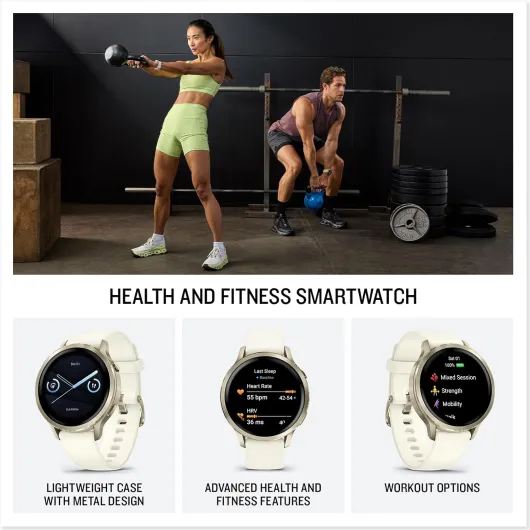
Apple Watch and Samsung Galaxy models with AMOLED style screens
The Apple Watch line uses OLED technology that behaves very similarly to a classic AMOLED display. On recent apple watch models, the display brightness and smooth animations make health tracking tiles, heart rate graphs, and blood oxygen readings easy to interpret at a glance. If you want the best smartwatches with AMOLED display style panels for iPhone, the apple watch remains the best smartwatch for seamless integration.
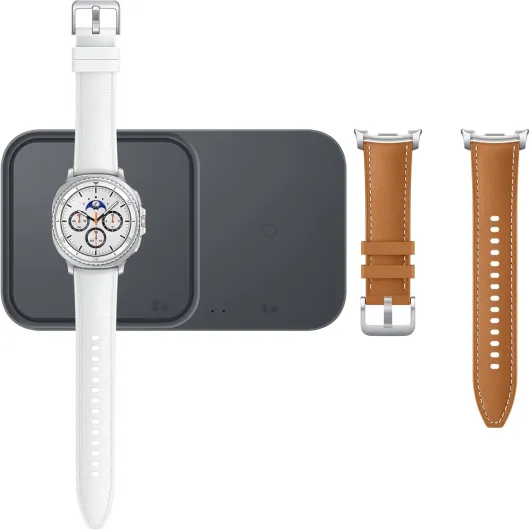
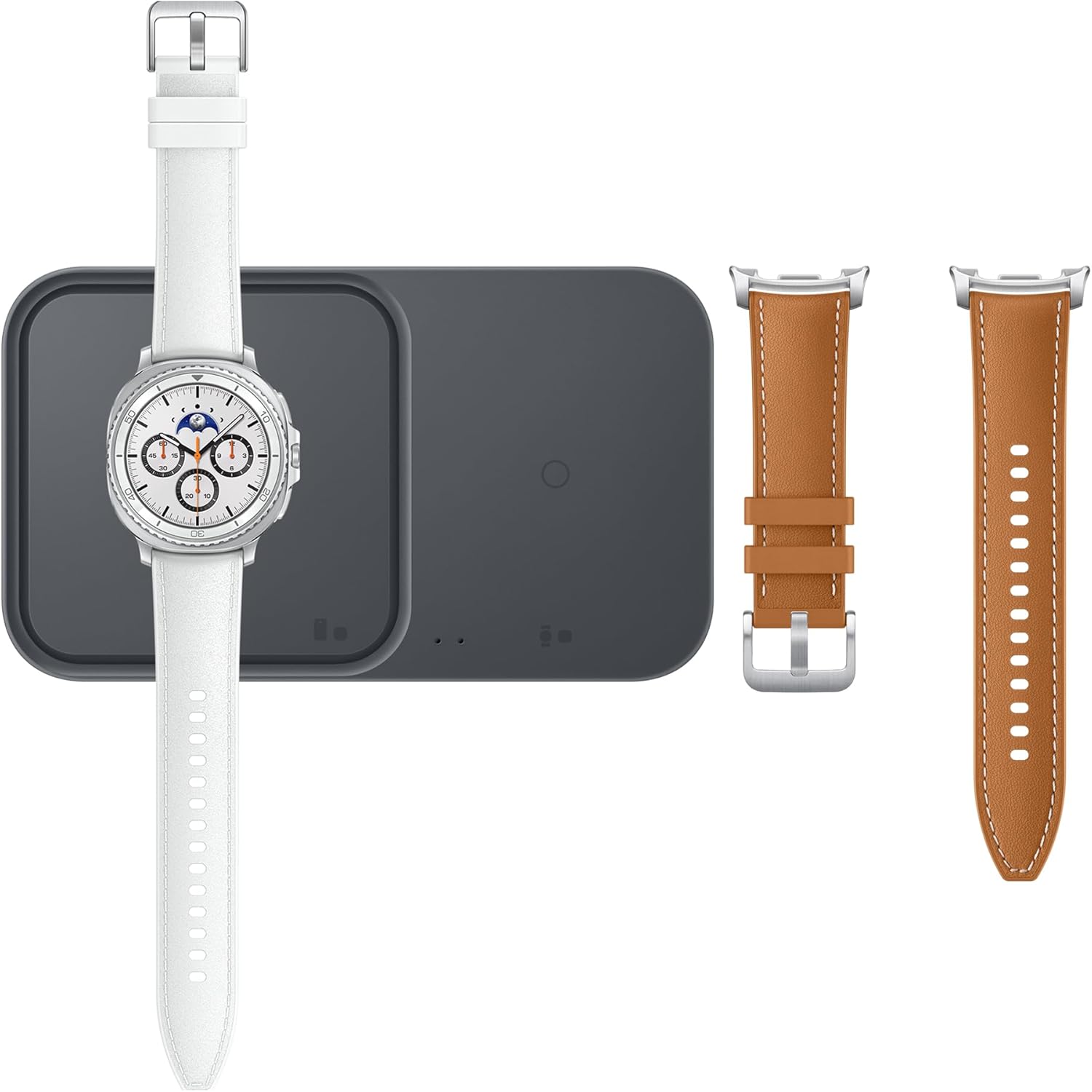
On the Android side, the Samsung Galaxy Watch family relies on Super AMOLED display panels. A galaxy watch or other samsung galaxy model offers deep blacks for gps maps, long battery life in dark watch faces, and crisp complications that show fitness and health data clearly. Many users consider these samsung smartwatches the watch best choice when they need a balance between elegant design, strong fitness tracker features, and a reasonable price.
To compare core specifications, consider a few representative models. Apple Watch Series 9 uses a 1.9‑inch OLED screen at 484 × 396 pixels on the 45 mm version, with typical battery life around 18 hours in mixed use and dual‑band gps plus optical heart rate, SpO2, and ECG sensors (based on Apple’s published specifications). Samsung Galaxy Watch6 offers a 1.5‑inch Super AMOLED panel at 480 × 480 pixels on the 44 mm model, quoted for roughly 30 to 40 hours per charge with always on display limited, and includes multi‑band gps, optical heart rate, and blood oxygen tracking (according to Samsung’s official spec sheet). Apple’s watchOS and Samsung’s Wear OS both support advanced health metrics, but in my view Apple Watch still wins for iPhone owners, while Galaxy Watch edges ahead for Android users who want the most polished experience.
Garmin, Pixel Watch, and OnePlus Watch for outdoor and fitness use
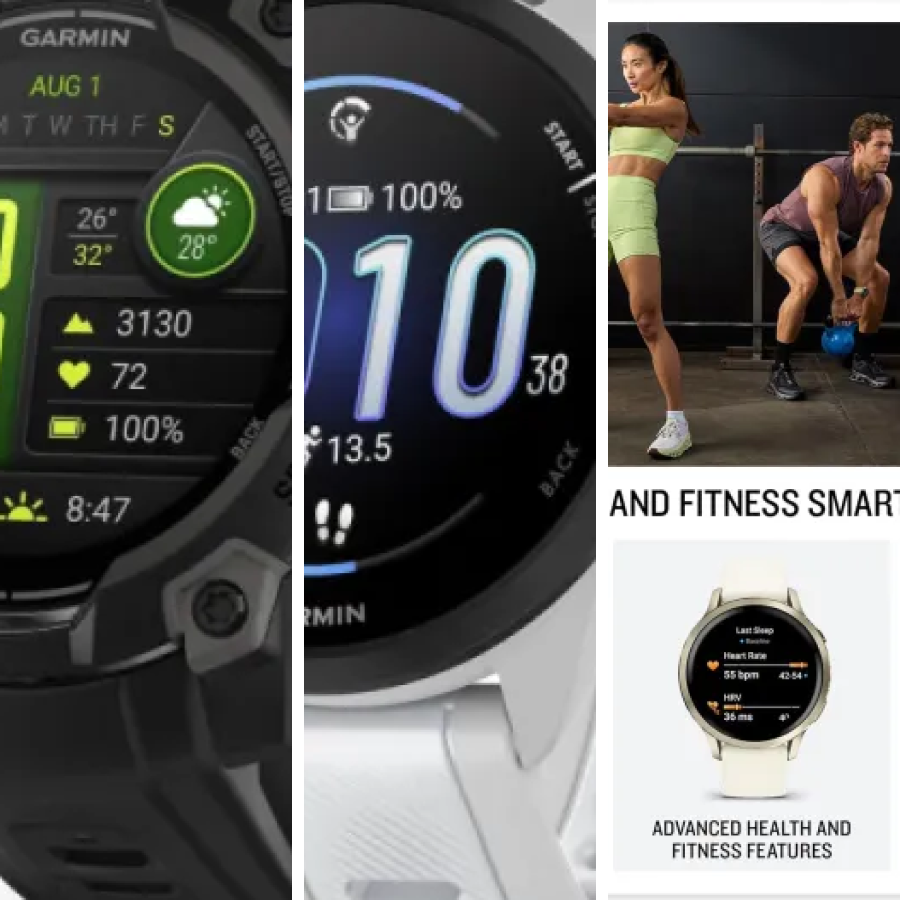
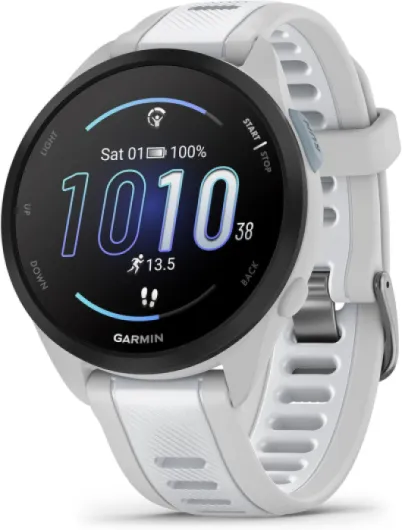
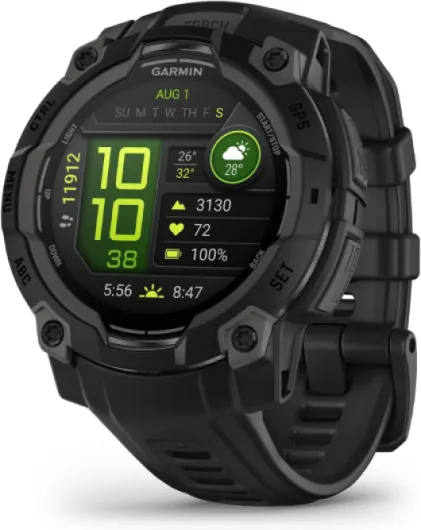
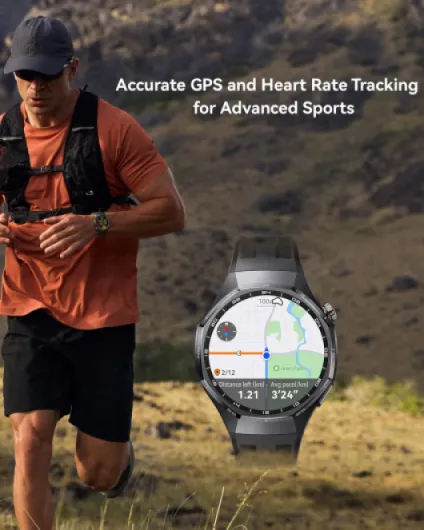
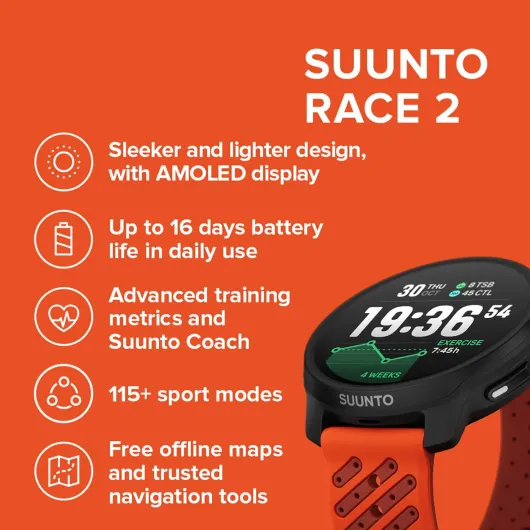
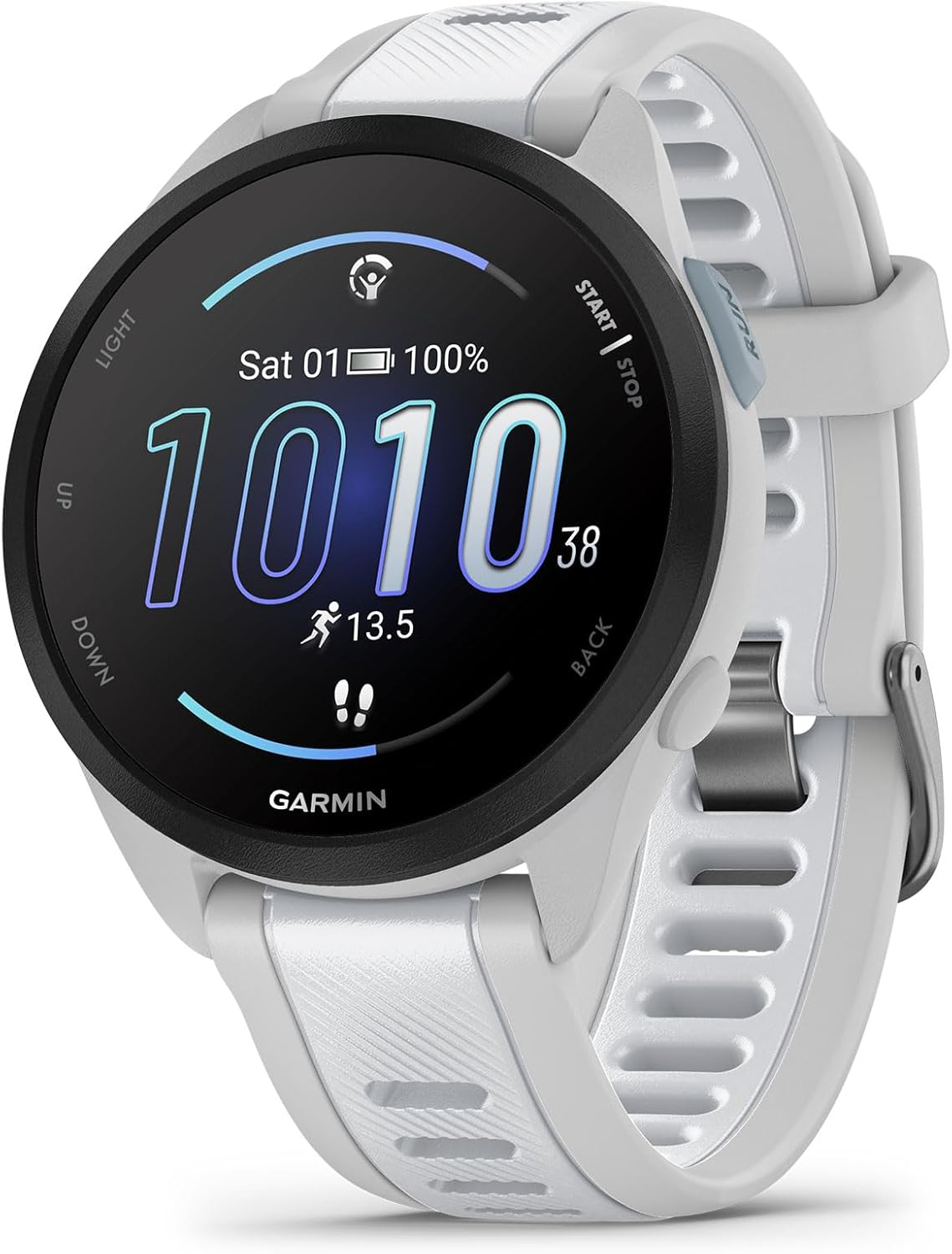
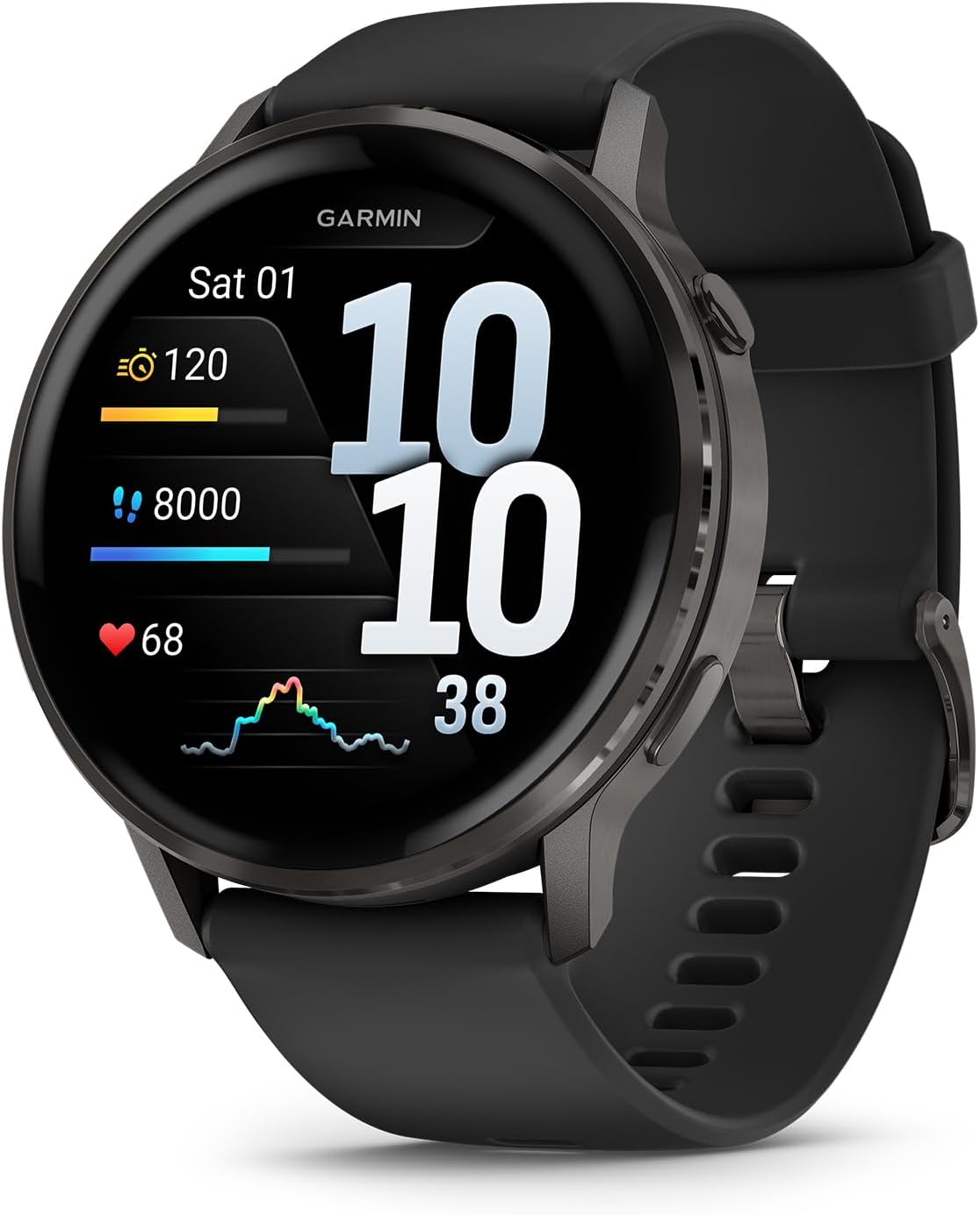
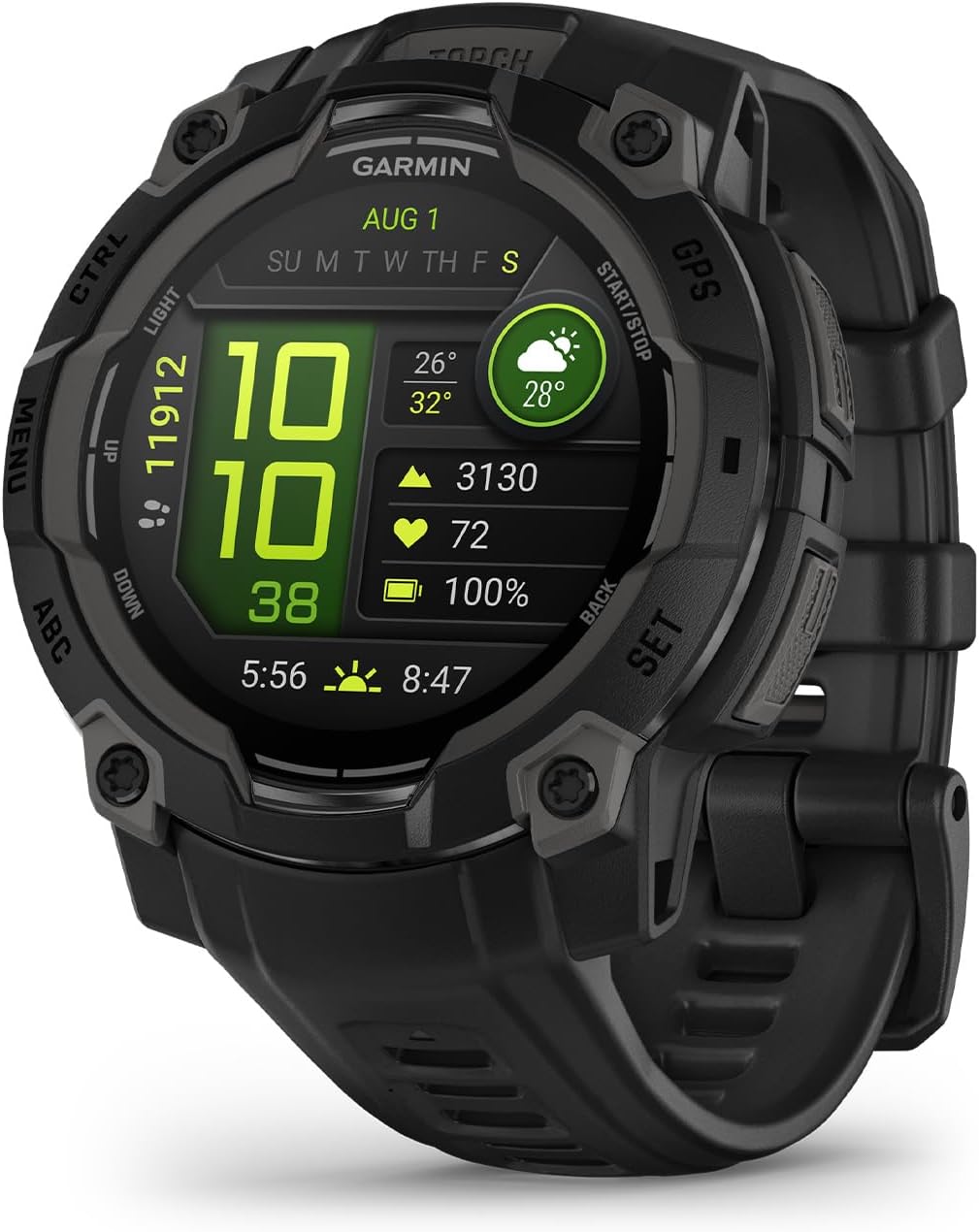
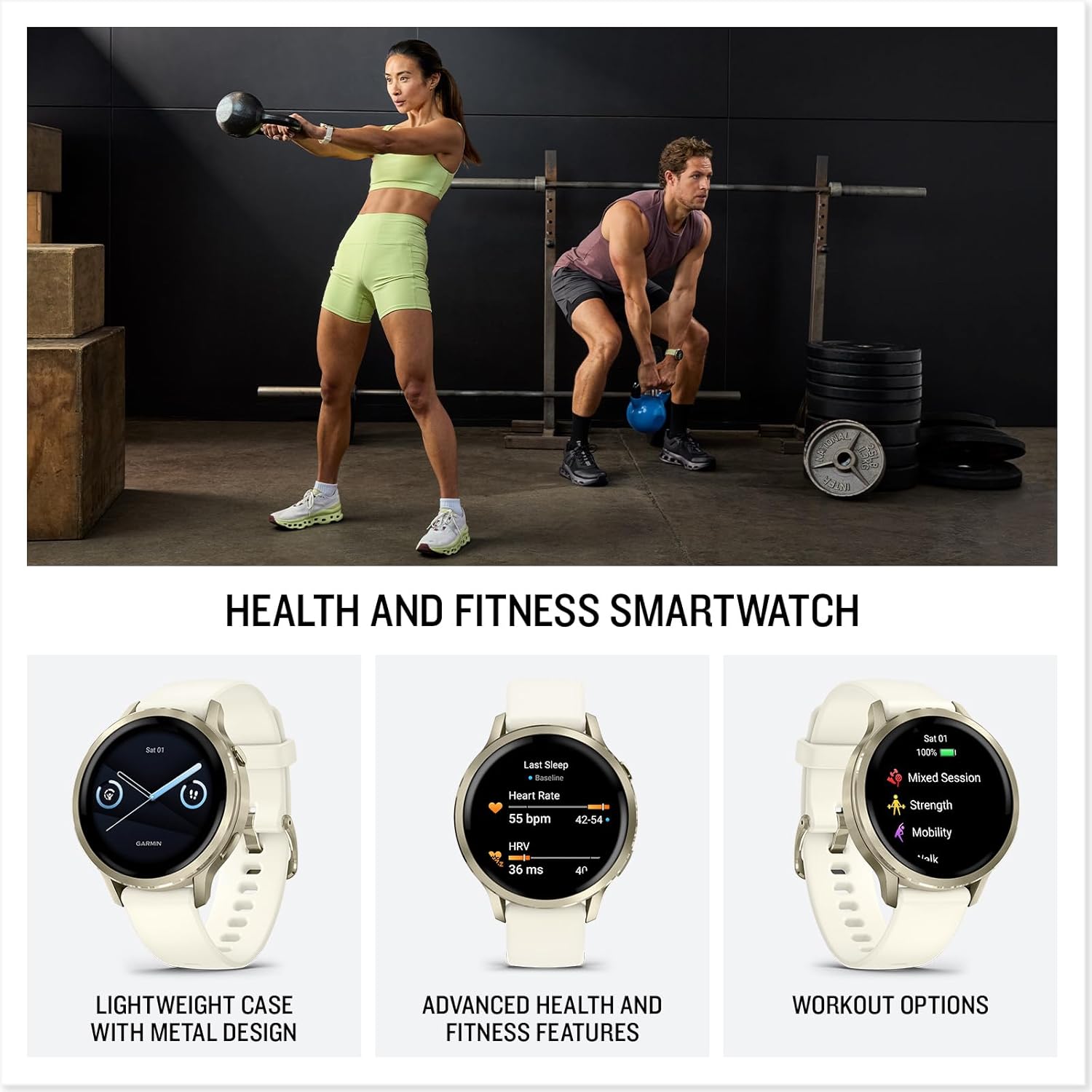
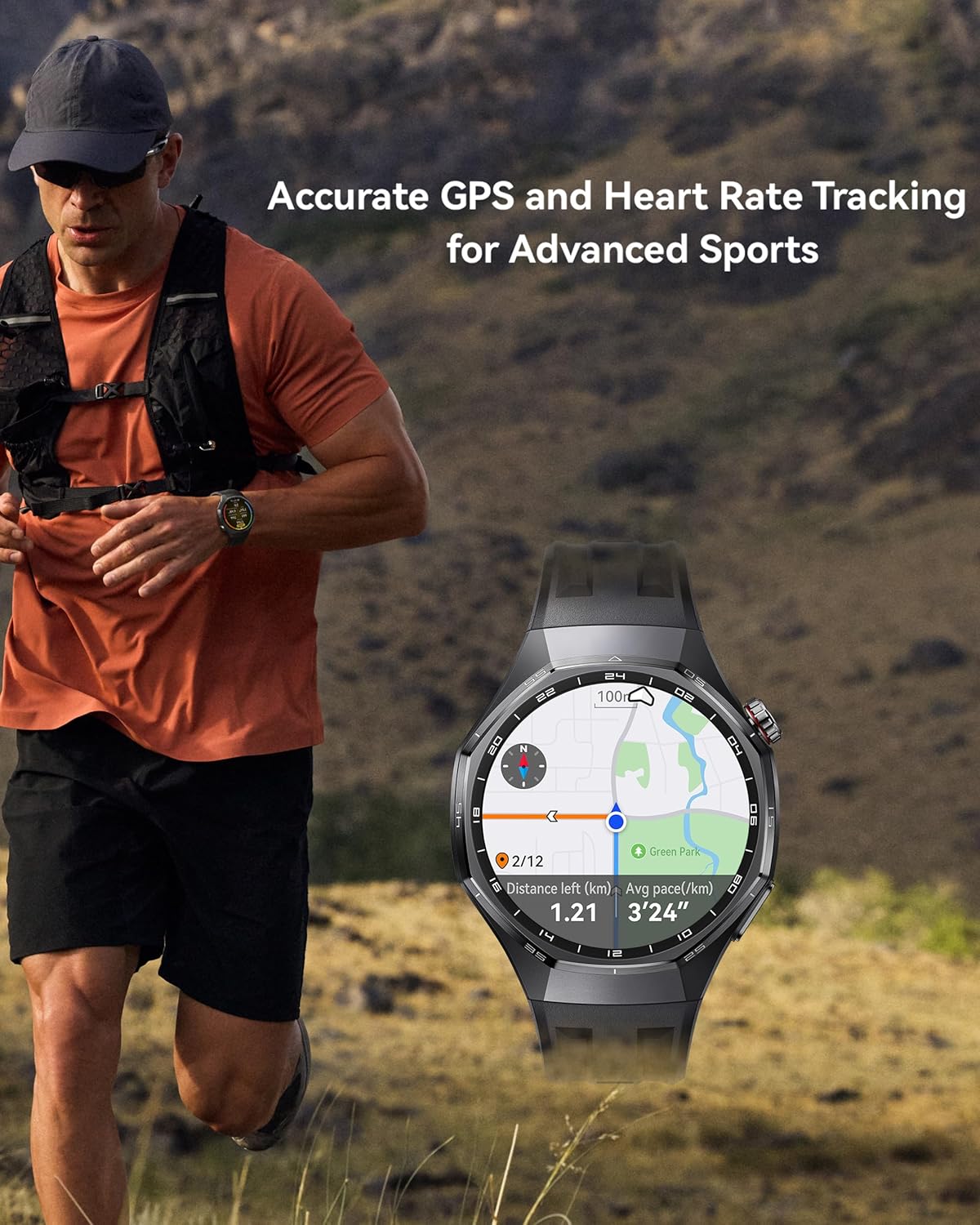
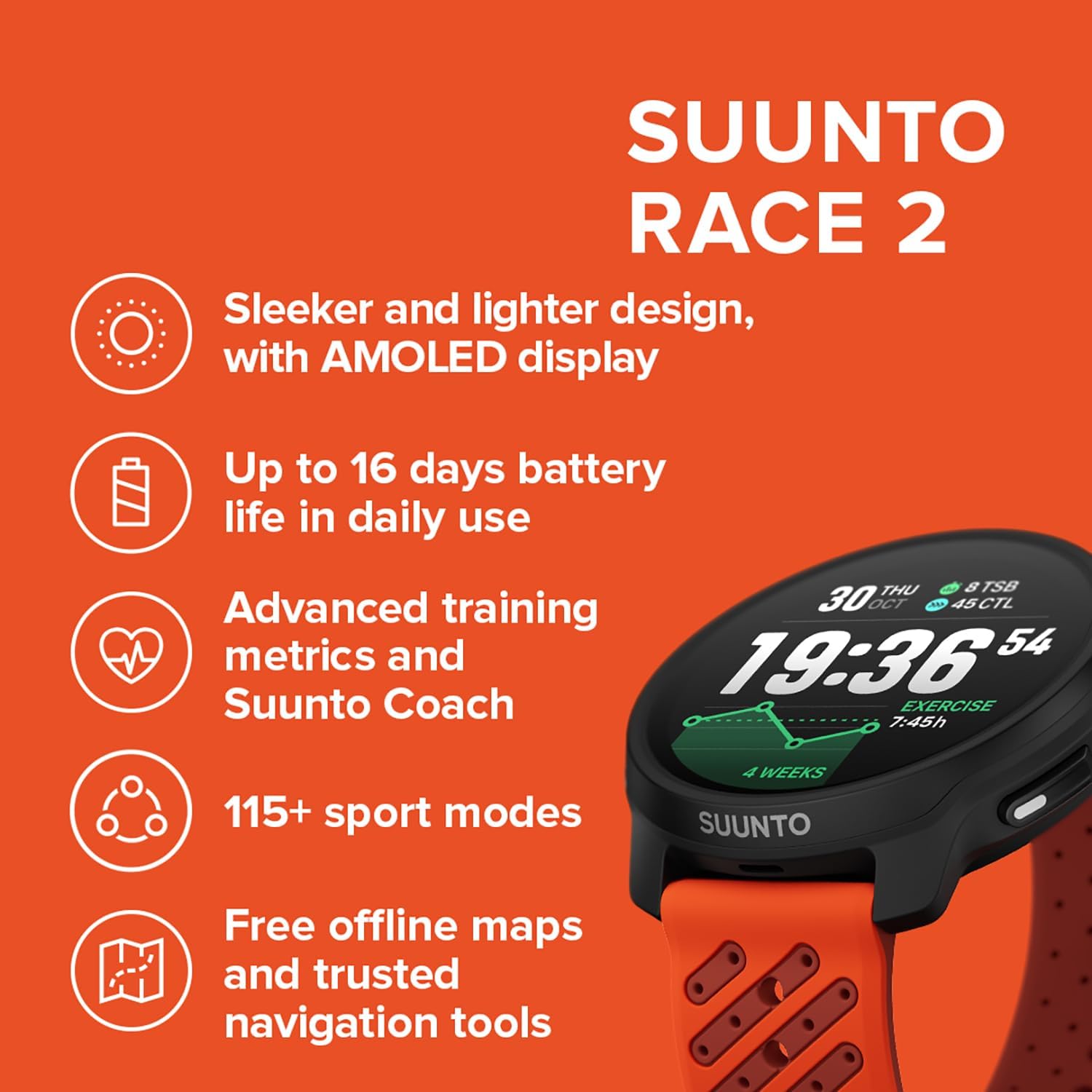
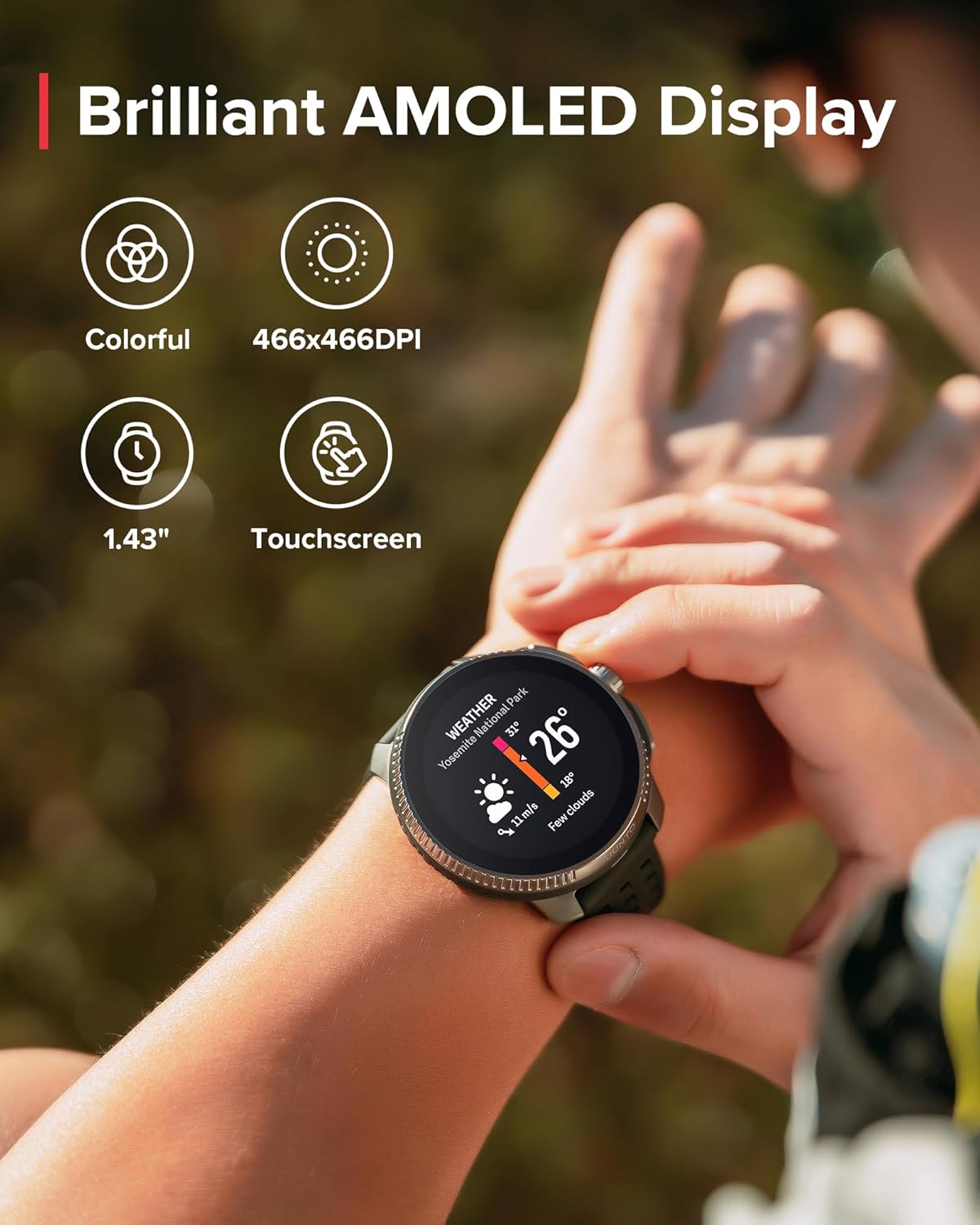
Garmin has moved several of its premium gps watches to AMOLED display panels, especially in the higher end lines. A Garmin watch with AMOLED display gives runners and cyclists bright mapping, sharp pace numbers, and clear heart rate zones without needing the backlight constantly. For athletes who train many hours each week, these smartwatches combine long battery life with advanced health tracking metrics.
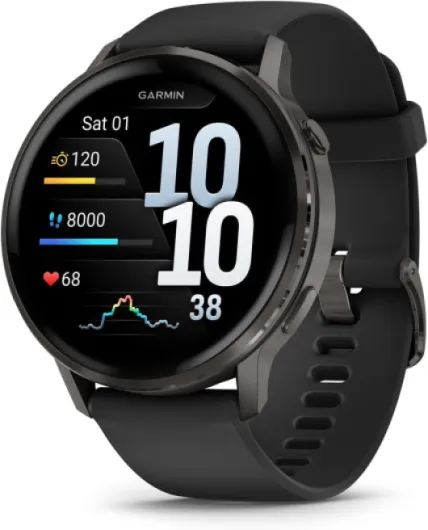
The Google Pixel Watch series targets users who want tight integration with Android and Google services. A pixel watch uses a compact AMOLED display that makes Wear OS tiles, notifications, and fitness tracker summaries easy to read on a small watch face. When you compare the best smartwatches with AMOLED display options, the Google Pixel Watch stands out for its deep Fitbit integration and polished design, though its battery life is shorter than some Garmin watches.
OnePlus Watch models with AMOLED screens focus on simple software and long battery endurance. A OnePlus Watch can run for many hours between charges, especially when you limit always on display and gps usage. If you are curious about whether an older gps watch can still serve as a reliable training partner, a detailed analysis of whether the Fenix 3 gps watch is still a reliable training partner shows how battery aging, display readability, and software updates affect long term value.
Battery life, health tracking, and sensor quality in AMOLED smartwatches
Battery life remains the main trade off when you choose a smartwatch with an AMOLED display. Bright colors and always on watch faces consume more battery hours than reflective screens, especially on compact watches with small cells. To get the best smartwatches with AMOLED display for endurance, look for power saving modes, efficient gps chips, and adaptive brightness controls.
Health tracking quality depends on more than just the heart rate sensor hardware. A reliable rate monitor needs good algorithms, tight strap fit, and regular firmware updates to interpret wrist movement correctly during fitness sessions. When you read any watch review, pay attention to how the device handles interval training, high intensity workouts, and all day health tracking, because these scenarios reveal sensor strengths and weaknesses.
Modern smartwatches combine heart rate, blood oxygen, and motion data to estimate sleep stages and stress levels. Some watches add skin temperature or ECG features, while others focus on simple fitness tracker functions like steps and calories. Whether you choose an Apple Watch, a Samsung Galaxy Watch, a Garmin AMOLED model, or a Pixel Watch, check that the health tracking features match your medical needs and that third party apps can export your data if you change platforms later.
Android, iOS, and third party apps for AMOLED display watches
Platform compatibility shapes how enjoyable your smartwatch feels in daily life. An Apple Watch works only with iOS, while most samsung galaxy, pixel watch, and oneplus watch models target android phones first. If you want the best smartwatches with AMOLED display that can move between Android iOS ecosystems, focus on brands that support both platforms, even if some features remain limited.
Third party apps extend what your watch can do beyond basic fitness tracking and notifications. On Wear OS devices like the Google Pixel Watch or some samsung smartwatches, you can install mapping tools, advanced fitness tracker apps, and productivity utilities that take advantage of the bright AMOLED display. Apple Watch users get a rich App Store, while Garmin owners rely more on Connect IQ, which still offers useful third party watch faces, data fields, and widgets.
Account management also matters when you mix services from different brands. For example, some users prefer to manage health data and smartwatch accounts without linking everything to a single Google profile. If you want practical advice on this topic, a guide on how to create a Fitbit account without Google on your smartwatch and phone explains step by step how to separate services while keeping your watches synchronized.
How to compare prices, features, and watch reviews before buying
Price differences between AMOLED smartwatches can be large, even when the display size looks similar. Premium models like Apple Watch Ultra or high end Garmin AMOLED watches cost more because they add rugged cases, dual band gps, and advanced health tracking sensors. Mid range samsung galaxy or pixel watch devices often deliver the best smartwatch balance between cost, battery life, and everyday usability.
Before you decide which watch best fits your needs, list your top three priorities. Some buyers care most about long battery life for multi day trips, while others want the brightest AMOLED display for reading tiny text. People focused on health tracking may value accurate heart rate and blood oxygen readings more than luxury materials or a titanium watch ultra case.
Reading a detailed watch review helps you understand real world performance beyond marketing claims. Look for reviewers who test gps accuracy on varied routes, compare rate monitor data against chest straps, and measure how many hours the battery lasts with always on display enabled. When several independent reviews agree that a model belongs among the best smartwatches with AMOLED display options, you can buy with more confidence that the watch will match your expectations.
Key figures about AMOLED smartwatches and health tracking
- Market research from Counterpoint Research shows that smartwatches with advanced health tracking features accounted for more than half of global smartwatch shipments, highlighting how heart rate and blood oxygen sensors drive demand (see Counterpoint Research Global Smartwatch Model Tracker, 2023, for the underlying shipment data).
- Battery tests from independent reviewers often report around 18 to 36 hours of battery life for mainstream AMOLED watches like Apple Watch and Pixel Watch, compared with several days for some Garmin AMOLED models in smartwatch mode (for example, measurements from outlets such as DC Rainmaker and GSMArena that publish detailed runtime charts).
- Studies cited by the American Heart Association indicate that optical heart rate monitors on consumer watches can reach accuracy within about 5 to 10 percent of chest strap readings during steady state exercise, though high intensity intervals remain more challenging (summarized in AHA scientific statements on wearable heart rate technology and validation studies).
- Wear OS and watchOS platforms together host thousands of third party apps, giving AMOLED display watches a wide ecosystem for fitness, productivity, and lifestyle tools beyond built in features, as reflected in the app counts reported by Google and Apple for their respective stores.