Battery life, health tracking, and everyday comfort in rugged watches
Rugged design is useless if the battery dies halfway through a mountain trek or multi day work shift. The best rugged smartwatches combine efficient GPS tracking, smart power modes, and sometimes solar charging to stretch battery life from hours into many days of real use. For example, Garmin quotes up to around 30 hours of continuous GPS on some Instinct models and more than 50 hours in certain Fenix multisport profiles, while Amazfit T-Rex versions often advertise 20 hours or more of high accuracy tracking in testing conditions.
Health and fitness tracking are now central to every serious smartwatch, even in the most rugged segment. A good rugged smart watch should offer accurate heart rate monitoring, sleep analysis, and fitness tracker functions without sacrificing toughness or water resistant construction. If you care about advanced health features such as ECG, it is worth reading a dedicated guide to top smartwatches with ECG functions and then checking which of those models also meet your rugged expectations for outdoor use.
Comfort often gets ignored when people compare only specs like GPS accuracy or offline maps support. A heavy stainless steel case with a thick band can feel secure but may cause fatigue during long runs, while lighter polymer watches such as Garmin Instinct or some Amazfit T-Rex versions sit more comfortably on smaller wrists. Pay attention to band materials, antenna placement, and the overall screen size, because a balanced fit makes you more likely to wear the watch every day and benefit from continuous tracking of heart rate and daily life metrics.
Garmin Instinct, Fenix, and Suunto Vertical versus Apple Watch and Google Pixel
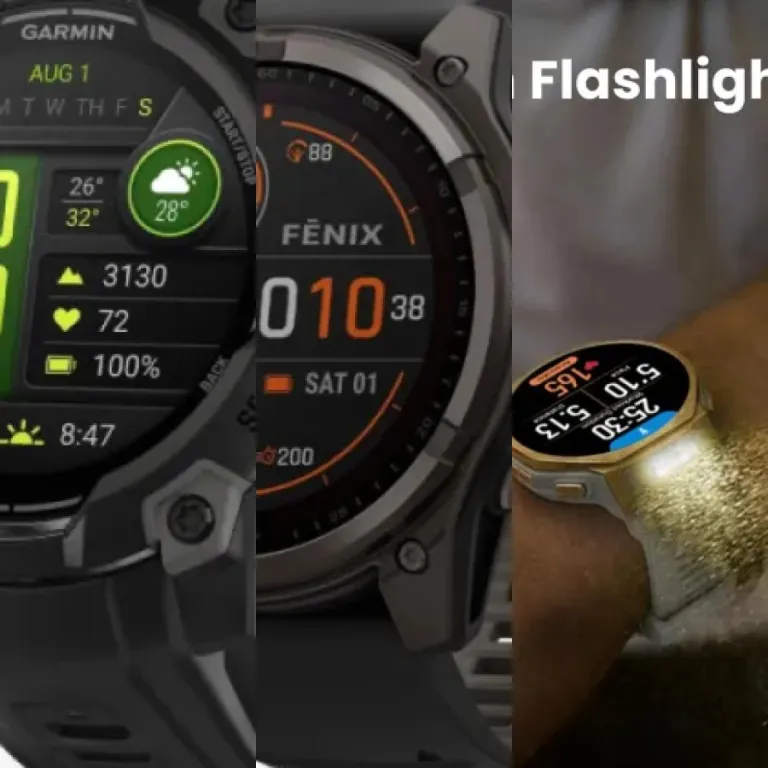
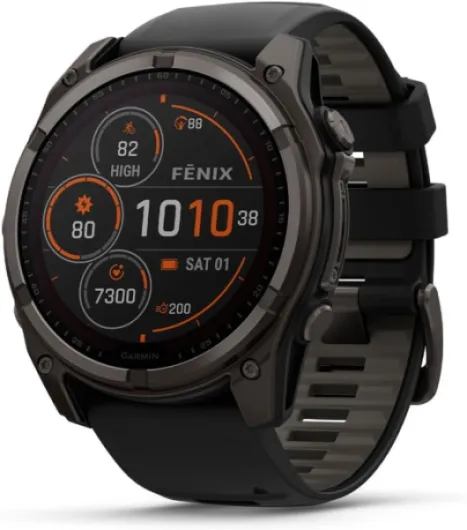
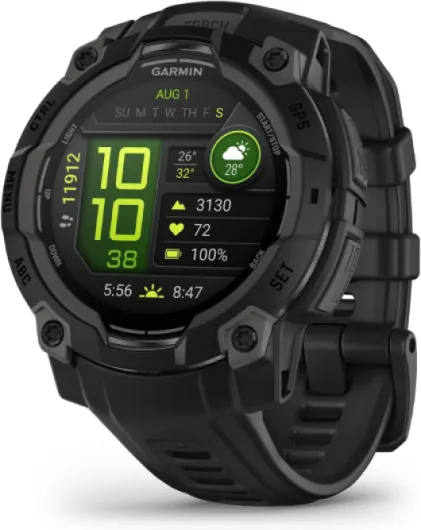
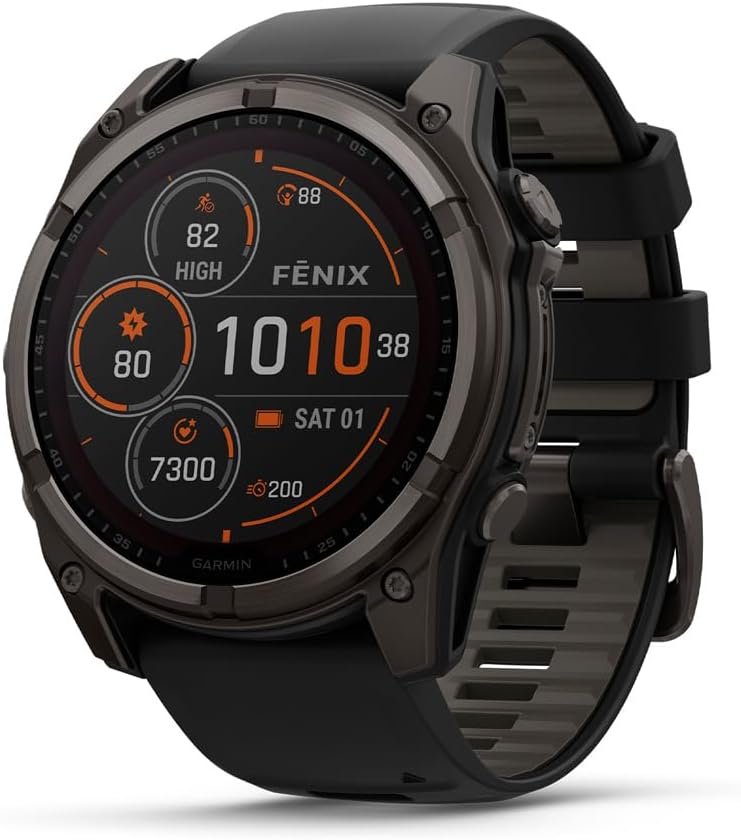
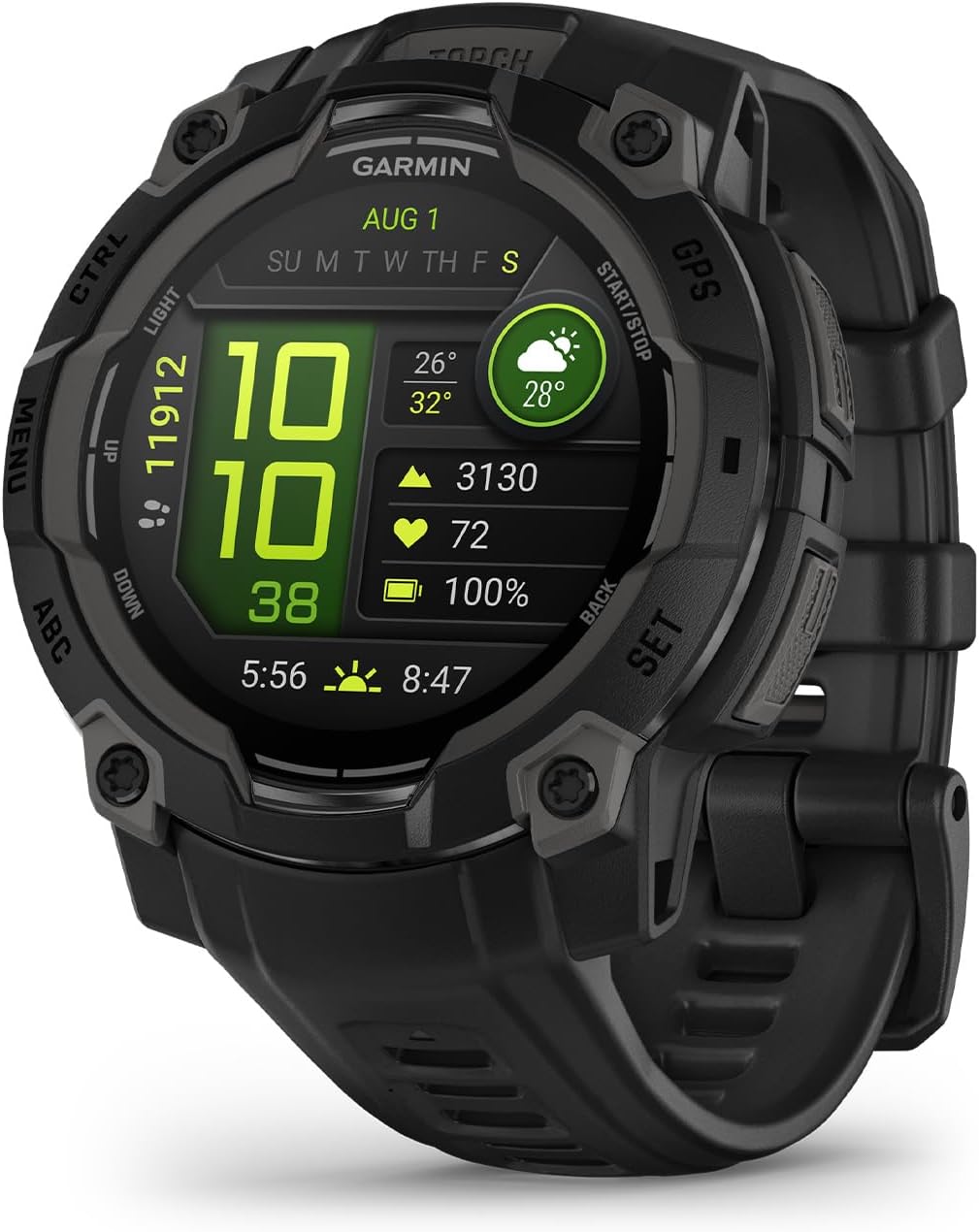
When people ask about the best rugged smartwatches, Garmin models usually appear first in the conversation. The Garmin Instinct family, including the Instinct Solar variants, focuses on extreme battery life, clear monochrome display type choices, and reliable GPS for outdoor navigation. In contrast, the Garmin Fenix and premium Fenix Pro style lines add materials such as stainless steel or titanium, larger colour displays, and advanced multi band satellite support for demanding mountain athletes.
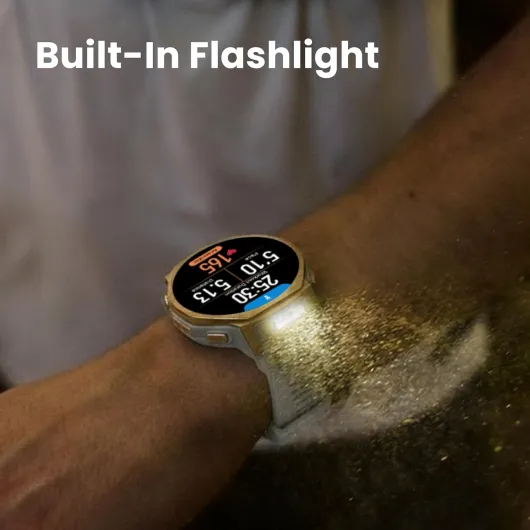
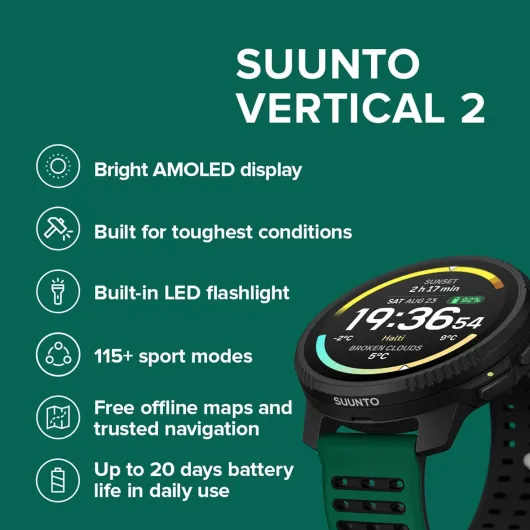
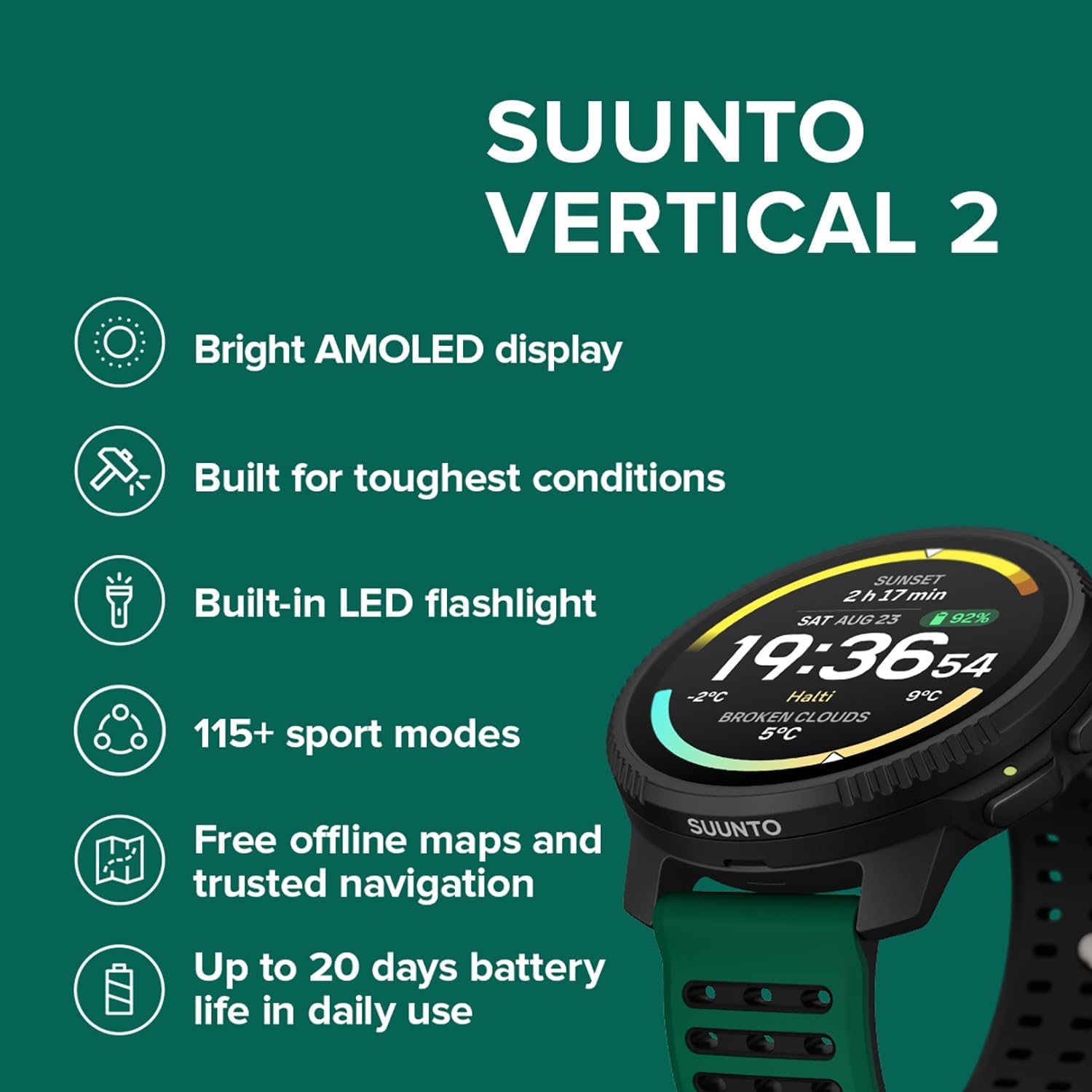
Suunto Vertical competes directly with high end Garmin Fenix models by offering long battery life, detailed offline maps, and strong water resistant performance in a robust case. Independent reviewers have measured multi band GPS errors on these watches in the range of a few metres per kilometre in dense forests, which is significantly better than older single band devices under the same conditions. If you already own an older Garmin watch, exploring a specialised guide on how a Garmin watch trade in can maximise value for your next smart watch may help you move into a higher tier Fenix or Instinct Solar model without paying full retail price.
Apple Watch and Google Pixel Watch are not traditional military grade devices, yet many users still consider them when comparing the best rugged smartwatches. With the right protective band and case, an Apple Watch can handle moderate outdoor activities, while Google Pixel Watch models offer deep Android integration and strong health tracking in a compact design. However, if your life or work involves frequent impacts, harsh temperatures, or long periods away from chargers, dedicated rugged watches such as Garmin Instinct, Garmin Fenix, Amazfit T-Rex, or Suunto Vertical remain the safer choice.
Amazfit Rex, solar charging, and value for money in rugged smartwatches
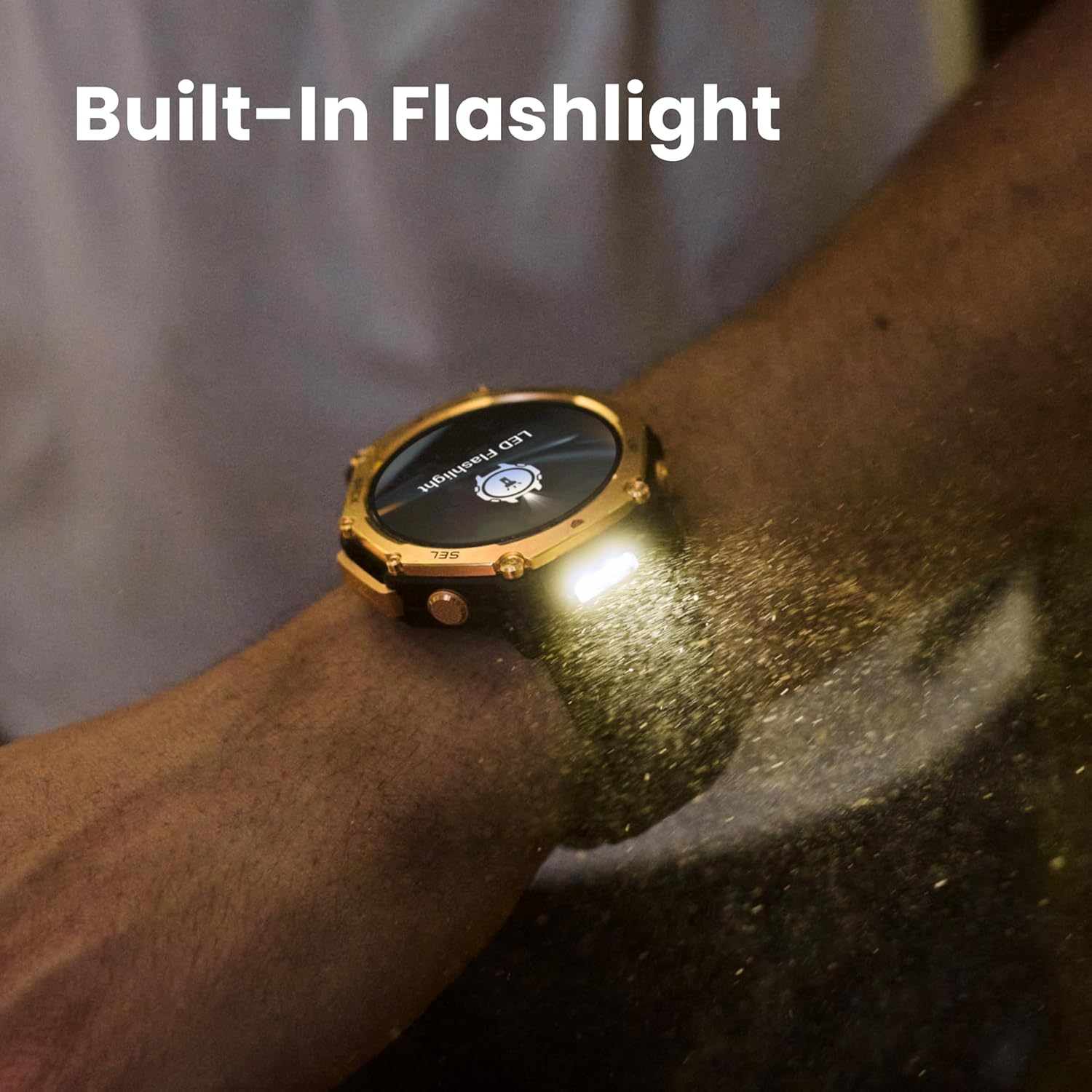
Not everyone needs a premium Garmin Fenix or Suunto Vertical to enjoy reliable outdoor tracking. The Amazfit T-Rex and broader Amazfit rugged smartwatch range aim to deliver many of the same core features at a more accessible price, which matters for students, casual hikers, or workers buying their own equipment. These watches often combine long days of battery performance, basic offline maps support, and strong water resistant ratings with bold designs that echo military grade aesthetics.
Solar technology is no longer limited to the most expensive models, and it plays a growing role in the best rugged smartwatches. Garmin Instinct Solar and some Fenix Solar editions use transparent solar panels integrated into the display to extend battery life, especially in bright outdoor conditions. Independent field tests commonly report several extra hours of GPS tracking per week from solar top ups in sunny climates, which can significantly slow down battery drain during navigation and safety use.
Value for money depends on more than the initial price tag of a smart watch. A cheaper rugged smartwatch with weak GPS accuracy, poor display readability, or unreliable heart rate tracking can cost you more in frustration and missed data over its life. Before buying, compare not only the official specifications such as ATM water resistance, screen size, and display type, but also long term reviews that mention real battery life, band comfort, and how the watch survives repeated exposure to water, dust, and impacts.
Display type, screen size, and readability in harsh environments
Screen technology shapes how useful a rugged smartwatch feels during real outdoor use. Transflective displays, used in many Garmin Instinct and Garmin Fenix models, remain highly readable in bright sunlight while consuming less battery than typical OLED screens. On the other hand, OLED displays on devices such as Apple Watch or some Google Pixel Watch versions offer deeper blacks and richer colours, which can improve map clarity but may reduce days of battery performance during continuous GPS tracking.
Screen size is another trade off that affects both usability and durability. Larger displays make offline maps, GPS data fields, and fitness tracker metrics easier to read at a glance, especially when you are running or cycling and cannot stop to inspect tiny numbers. However, a bigger screen can be more vulnerable to impacts, so rugged watches often combine moderate screen size with raised bezels or stainless steel protectors to shield the display from direct hits.
Display type also influences how well a watch handles water and condensation. Some rugged smartwatches use slightly recessed glass and hydrophobic coatings to keep water droplets from obscuring the display during rain or swimming. When you compare the best rugged smartwatches, test how quickly the screen responds with wet fingers, how the backlight behaves at night, and whether the interface remains legible when the watch is covered in dust, sweat, or salt water.
Battery claims, GPS performance, and why real testing matters
Marketing materials for rugged watches often highlight impressive battery life numbers that assume minimal GPS use and limited smart features. In reality, continuous GPS tracking, frequent heart rate checks, and bright display settings can cut those days of battery claims significantly, especially on smart watch models with vivid OLED screens. Independent reviewers regularly document cases where real world endurance drops to half of the headline figure once full navigation and sensor suites are enabled.
GPS performance is central to the best rugged smartwatches, because accurate positioning under trees, in canyons, or near tall buildings can be challenging. Watches like Garmin Fenix, Suunto Vertical, and some Amazfit T-Rex models use multi band GPS and improved antennas in the band or case to maintain strong signals in difficult environments. When you evaluate GPS, look at track smoothness, distance accuracy, and how quickly the watch locks onto satellites after leaving a building, not just the list of supported systems on the spec sheet.
Independent testing and long term reviews reveal how rugged a smartwatch truly is beyond its military grade labels. Repeated exposure to salt water, mud, and impacts can show whether buttons clog, sensors fail, or the band deteriorates faster than expected. Before deciding which watch deserves a place in your outdoor life, prioritise models with proven waterproof performance, stable firmware updates, and a track record of surviving real expeditions rather than only passing laboratory tests.
Choosing the right rugged smartwatch for your lifestyle and budget
Selecting the best rugged smartwatches starts with an honest look at your daily life and outdoor ambitions. If you mainly run on city streets and occasionally hike, a protected Apple Watch or Google Pixel Watch with a strong case and band may be enough, especially if you value apps and notifications. For regular mountain trips, long trail runs, or demanding jobs in construction and emergency services, purpose built rugged watches such as Garmin Instinct, Garmin Fenix, Amazfit T-Rex, or Suunto Vertical offer safer choices.
Budget plays a major role, but it should not be the only filter when you compare price and features. Entry level rugged smartwatches may offer basic GPS tracking, heart rate monitoring, and 10 ATM water resistance, yet lack offline maps or advanced fitness tracker metrics that become essential as your training evolves. Higher tier models justify their cost through better battery life, more precise GPS performance, and durable materials such as stainless steel or titanium that extend the watch lifespan.
Think about which features you will actually use week after week. Offline maps, solar charging, and military grade certifications sound impressive, but they matter only if they support your real outdoor activities and work conditions. The best rugged smartwatches are the ones that fit your wrist comfortably, survive your harshest days, and quietly track your health and performance so you can focus on the adventure rather than the technology strapped to your band.
Key figures on rugged smartwatches and outdoor wearables
- Industry reports consistently show that outdoor and rugged smartwatches account for a substantial share of global smartwatch revenue, reflecting strong demand from hikers, runners, and workers who prioritise durability over fashion features.
- Independent sports technology reviewers regularly find that multi band GPS systems in watches such as Garmin Fenix and Suunto Vertical can deliver noticeably smaller positioning errors than single band GPS in dense forests or urban canyons.
- Field tests from long distance hikers often indicate that solar enhanced models like Garmin Instinct Solar can extend tracking time by several hours per week in bright conditions compared with non solar versions of similar watches.
- Water resistance ratings of 10 ATM or higher, common in many rugged smartwatches, greatly reduce the risk of failure during repeated swimming sessions or accidental submersion compared with basic 3 ATM or 5 ATM lifestyle watches.
- Surveys of endurance athletes frequently show that offline maps and reliable heart rate tracking rank among the top deciding factors when choosing between premium rugged watches such as Garmin Fenix, Suunto Vertical, and high end Amazfit T-Rex models.