
Summary
Editor's rating
Value for money: solid package, but not the cheapest
Design: compact, light, and not too sporty-looking
Battery life: finally a watch you don’t have to charge every night
Comfort: easy to forget you’re wearing it (in a good way)
Performance and tracking: good for most people, not perfect for data nerds
What this watch actually offers in real life
Health, sleep and coaching: actually useful, not just pretty graphs
Pros
- Comfortable and light 41mm size, easy to wear day and night
- Battery life of around 6–8 days in real use with GPS and sleep tracking
- Strong health and fitness features (sleep score, Body Battery, training readiness, Garmin Coach) without subscription
Cons
- Price is on the higher side if you only need basic tracking and notifications
- Wrist heart rate less accurate during very intense or interval sessions compared to a chest strap

Specifications
View full product page →| Brand | Garmin |
A small Garmin that actually fits normal wrists
I’ve been using the Garmin Venu 4 41mm for a few weeks now, as my everyday watch and workout tracker. I’m not a pro athlete, just someone who runs a bit, does some gym sessions, and likes keeping an eye on sleep and stress. I came from a basic Fitbit and had tried an Apple Watch before, so that’s my reference point. I wanted something that didn’t need charging every night and wasn’t a brick on my wrist.
Right away, what stood out is that this thing is light and compact. The 41 mm size is actually wearable on smaller wrists, unlike some chunky sports watches. I wore it day and night, including in the shower and for runs, and I didn’t really feel the need to take it off, which is a good sign for a watch that’s supposed to track sleep and 24/7 health.
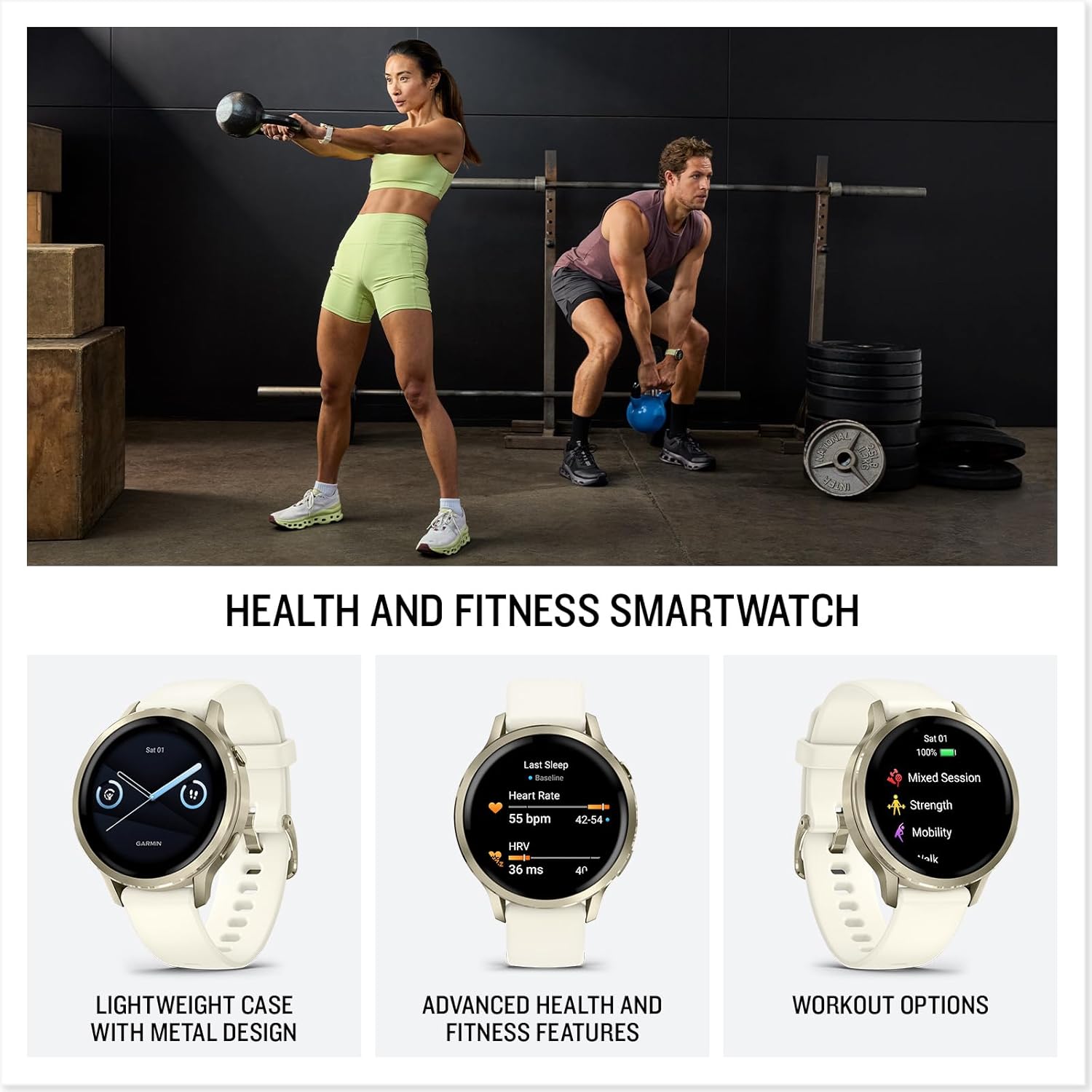
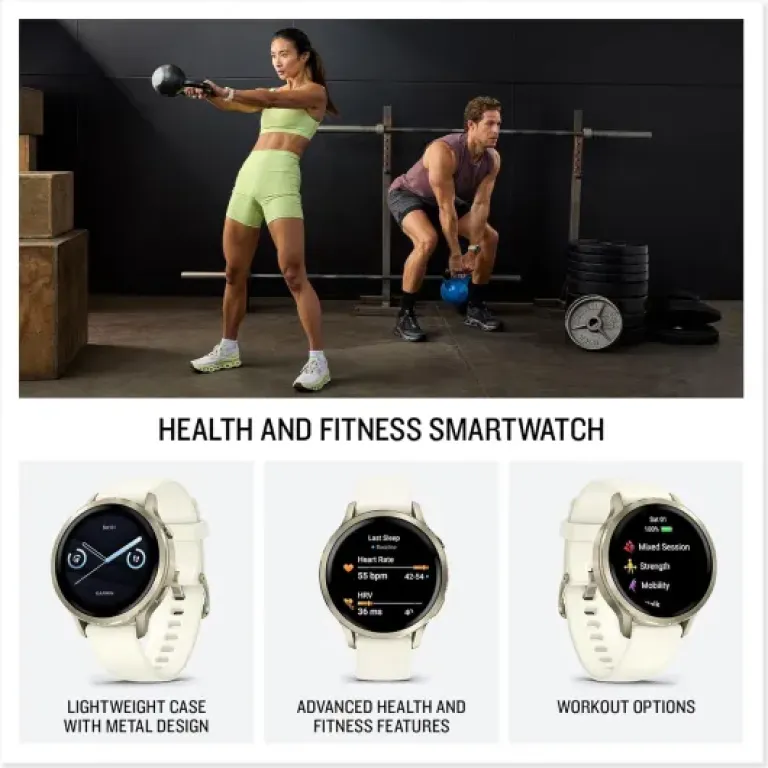
Function-wise, it’s packed: GPS, AMOLED screen, ECG app, more than 80 sports modes, sleep tracking, training plans, phone calls, Garmin Pay, music, even a mini flashlight. On paper, it does a bit of everything. The question is: how does it hold up in real life, when you’re actually using it every day and not just browsing the spec sheet?
Overall, after living with it, I’d say it’s a very capable health and fitness watch with a few quirks. It’s good, but not perfect. Some features are really useful (battery life, training readiness, sleep coaching), others feel more like nice extras you’ll barely touch. And depending on whether you’re more into smartwatch stuff (apps, messages, calls) or pure sports tracking, you might judge it differently.
Value for money: solid package, but not the cheapest
In terms of value, the Venu 4 sits in the mid-to-high price range for smartwatches. It’s not a budget device, but you do get a lot for the money: good screen, solid battery, reliable GPS, decent health tracking, and proper smartwatch features like calls, messages, and contactless payments. If you actually use most of that, the price feels justified. If you just want steps and basic notifications, it’s probably overkill.
Compared to an Apple Watch, you’re trading some app ecosystem and deep integration with iOS for much better battery life and stronger fitness/health analysis. Compared to cheaper fitness trackers, you’re paying more for the AMOLED screen, GPS accuracy, extra health features (ECG, HRV, training readiness), and a more complete app (Garmin Connect). If you’re someone who only glances at steps once a day, you won’t really get your money’s worth here.
One positive point: there’s no subscription to unlock the main features. All the training plans, metrics, and health reports are included. That’s a big difference compared to some brands that lock advanced analysis behind monthly fees. The watch also has a 2-year manufacturer warranty, which is reassuring given the price.
For me, the value is pretty solid if you’re serious about wearing it all day and night, and you’re going to use it for regular workouts. If you’re just curious about your sleep once in a while and want notifications, you could save money with a simpler model. But if you want a compact watch that can handle sports, health tracking, and basic smartwatch tasks without dying every evening, the Venu 4 is a good compromise between features and price.
Design: compact, light, and not too sporty-looking
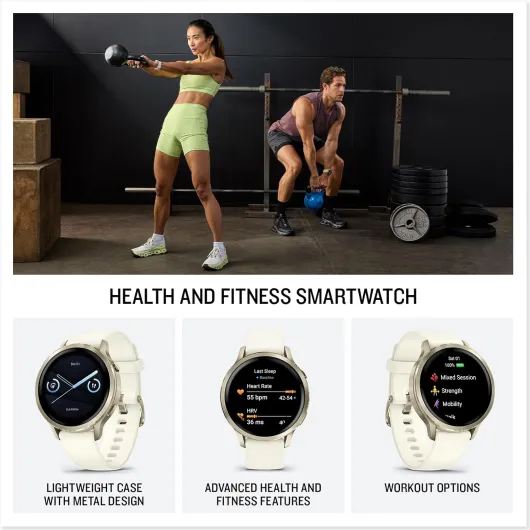
Design-wise, the 41mm Venu 4 is pretty compact, especially compared to a lot of sports watches. On my medium wrist it looks normal, not like a diving computer. I picked the Bone colour, which is a kind of light beige/cream. It’s neutral enough to go with work clothes, gym clothes, and casual outfits. It doesn’t scream “I run marathons” like some bulkier Garmins do.
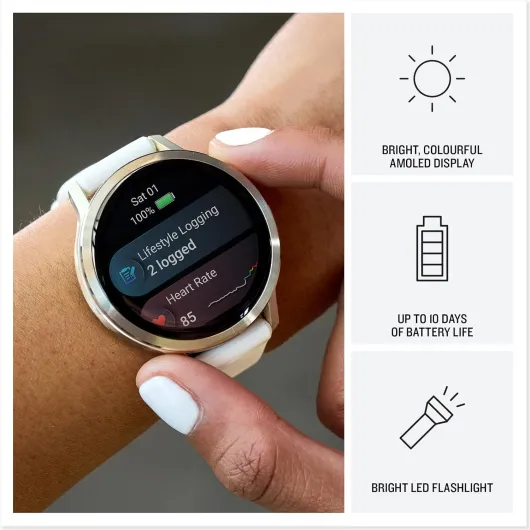
The AMOLED screen is bright and sharp. Text messages are easy to read, even outside in daylight. The watch uses a mix of touchscreen and two side buttons. After a couple of days, the navigation becomes natural: touchscreen for scrolling and gestures, buttons for going back or opening the activity menu. I had no real issues with accidental touches, even in the shower or under rain. The screen does get smudgy with fingerprints, but that’s normal for a touchscreen watch.
In terms of thickness, it’s not ultra-thin, but it doesn’t feel like a brick either. I wore it to sleep every night and it didn’t dig into my wrist or feel too bulky when I rolled over. The bezel is stainless steel, which gives it a slightly more “watch-like” look than full plastic models. It still looks like a sports-oriented smartwatch, but you can wear it in an office without it looking out of place.
If I have a small complaint, it’s that the bezels around the screen are still a bit visible. It’s not terrible, but if you’re used to modern phones with almost edge-to-edge displays, you notice it. Also, the Bone colour will probably show dirt over time more than a black band, especially if you wear it for workouts and don’t clean it often. But overall, for a fitness-focused watch, the design is pretty solid and discreet, which I liked.
Battery life: finally a watch you don’t have to charge every night
Battery life is where this watch is clearly better than most classic smartwatches like the Apple Watch. Garmin claims up to 10 days, and in my real use I got around 6–8 days per charge, depending on how much GPS and always-on screen I used. With always-on display off, a couple of GPS workouts a week, lots of notifications, and sleep tracking every night, I was consistently above 6 days. That’s already a big step up from the “charge every evening” routine.
On a more intensive week where I did three GPS runs (about 45–60 minutes each), used the flashlight often, and had the screen brightness higher, I landed closer to 5–6 days. Still very decent. The battery percentage drops slowly in daily use, then more noticeably during GPS activities, which is normal. I never had battery anxiety; I just plugged it in once a week while showering and doing some chores, and it was back up enough to last several more days.
Charging itself is pretty quick. In about 30–40 minutes, you can go from low battery to enough for a couple of days. The cable is Garmin’s usual proprietary connector, which is a bit annoying if you lose it, but at least it clips in firmly and doesn’t fall out easily. I’d have preferred USB-C directly on the watch, but that’s not how these watches are built yet.
Overall, compared to most touchscreen smartwatches, the Venu 4’s battery is one of the main reasons to buy it. If you’re coming from a device that barely lasts one day, having a watch that easily pushes past half a week, even with proper GPS usage and sleep tracking, is very comfortable. It’s not infinite, but it’s in that nice zone where charging becomes a weekly chore, not a daily one.
Comfort: easy to forget you’re wearing it (in a good way)
Comfort is honestly one of the strong points of this watch. It’s light, the silicone band is soft, and the 41mm size sits well on the wrist without overhanging. I wore it almost 24/7: at work, at the gym, in the shower, and at night. I only took it off to charge it or rinse the band after a sweaty session. No irritation, no red marks, even when wearing it a bit tighter for HR accuracy during runs.
The band uses a classic buckle closure, which I prefer over those fiddly pin systems. It holds well during workouts and swimming, and you can adjust it precisely. For sleep, I just loosened it one notch and that was fine. The watch is light enough that you don’t really notice it when sleeping, which is important if you want decent sleep tracking data over time. If a watch is annoying at night, you’ll just stop wearing it, and all those fancy sleep features become useless.
During workouts, the watch stays in place. I tested it on runs, indoor cycling, and some strength sessions with a lot of wrist movement (push-ups, burpees, etc.). It didn’t slide around much, and the heart rate readings stayed fairly stable, which usually means the fit is good. If you have very small wrists, you might need to tighten it more, but the 18mm band and light weight help a lot.
Only small downside: in hot weather or very sweaty sessions, the silicone band can feel a bit sticky, like any silicone strap. That’s not specific to this watch; it’s just the material. You can swap the band out easily if it bothers you, since it uses standard quick-release pins. Overall, for everyday and night wear, comfort is one of the main reasons I’d recommend the 41mm version over bigger models.
Performance and tracking: good for most people, not perfect for data nerds
On the performance side, the Venu 4 covers pretty much everything a normal active person needs. GPS locks in quickly, usually within a few seconds once you’re outside. On my runs, the distance and pace were close to what I got from my phone GPS and from a friend’s higher-end Garmin. There were small differences of a few meters at the end of a 5K, but nothing dramatic. For casual and even regular runners, it’s more than accurate enough.
The heart rate sensor is decent. During steady runs and indoor cycling, it matched fairly well with a chest strap I used for comparison. During HIIT or very fast intervals, it sometimes lagged a bit on peaks, which is common with wrist sensors. If you’re super picky about HR data, you’ll still want a chest strap, but for most people, the built-in sensor is fine for monitoring zones, recovery, and general effort level.
One thing I liked is the training readiness and workout benefit features. After each workout, the watch tells you what the session was mainly good for (like aerobic, anaerobic, recovery, etc.). It’s not life-changing, but it’s helpful to check if your training is balanced. The daily suggested workouts for running are also not bad: for example, on a day when I had slept well and my readiness was high, it suggested a tempo session; after a short night, it suggested something easier. It’s not perfect, but it’s better than random guessing.
On the downside, if you’re a hardcore triathlete or obsessed with very advanced metrics, the Venu line is still a bit more “lifestyle fitness” than “pure performance”. You don’t get all the deep sport-specific data that you’d find on a Forerunner or Fenix. For me, that was fine; I mainly wanted reliable tracking plus good health and sleep features. But if you want super detailed running dynamics, multi-band GPS, or complex structured intervals, there are better options in Garmin’s own range.
What this watch actually offers in real life
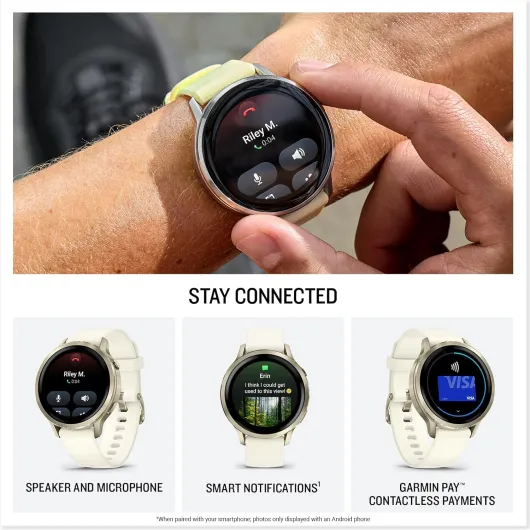
On paper, the Garmin Venu 4 41mm is sold as a sort of all-in-one: GPS smartwatch + health tracker + sports watch. In practice, here’s what I actually used regularly: notifications from my phone, step tracking, heart rate, GPS for runs and walks, sleep tracking, the flashlight more often than I expected, and the occasional phone call from the wrist. A lot of the rest is there, but you won’t use everything every day.
The big blocks of features are: 24/7 health monitoring (heart rate, HRV, stress, Body Battery, sleep), sports tracking (80+ sports profiles, suggested workouts, Garmin Coach), smart features (calls, messages, music storage, Garmin Pay), and some health extras like the ECG app and health status. The ECG works, but it’s the kind of thing you test 3–4 times at the start and then only use again if something feels off. It’s more of a reassurance tool than a daily thing.
What I found most useful day to day were the training readiness, sleep score, and Body Battery. Those three together give a decent idea of whether you should push a hard workout or just take it easy. For example, a couple of nights where I went to bed late and drank a bit, the watch clearly showed higher stress, lower HRV, and a bad readiness score the next morning. It matched pretty well with how I felt: heavy and not really in the mood to run.
In short, the Venu 4 is more than just a step counter with pretty graphics. It tries to give context to your data and suggest what to do with it. Sometimes it feels spot on, sometimes a bit random (like suggesting an interval run after a short night), but overall, it’s one of the more complete health-focused watches I’ve tried, especially if you actually open the Garmin Connect app and look at the reports and trends.
Health, sleep and coaching: actually useful, not just pretty graphs
For me, the real interest of this watch is in the health and coaching features, not just counting steps. The combination of sleep tracking, HRV, stress, and Body Battery gives a decent picture of how beat up or rested you are. On nights where I slept badly or drank alcohol, the sleep score dropped, the Body Battery in the morning was low, and the watch clearly showed more overnight stress. It’s not perfect science, but it lines up well enough with how I felt to be useful.
The sleep coaching is practical: you get a sleep score, a breakdown of phases, and suggestions like “try going to bed earlier” or “your sleep is shorter than usual for your activity level”. It also tries to align with your circadian rhythm. After about a week, it started giving me more precise ranges for when I should aim to sleep. It’s not magic, but it did make me pay more attention to bedtime and screen time before sleeping.
The Garmin Coach training plans and daily suggested workouts are decent if you need structure. I tested a running plan for a few sessions: the watch tells you what to do (easy run, intervals, rest) and adapts a bit based on how you’re doing. It’s simpler than having a human coach, obviously, but if you’re used to doing random runs with no plan, it’s a clear upgrade. The workout benefit summary at the end of a session is also helpful to see if you’re stacking too many intense days.
One thing to keep in mind: all these metrics are estimates, not medical data. The ECG app is more serious, but even that is there to spot potential issues, not to replace a doctor. As long as you see it as guidance and not absolute truth, the watch is very effective at helping you spot patterns: too much stress, too little sleep, too many intense sessions in a row. For everyday users who want to live a bit healthier without going crazy on spreadsheets, it gets the job done very well.
Pros
- Comfortable and light 41mm size, easy to wear day and night
- Battery life of around 6–8 days in real use with GPS and sleep tracking
- Strong health and fitness features (sleep score, Body Battery, training readiness, Garmin Coach) without subscription
Cons
- Price is on the higher side if you only need basic tracking and notifications
- Wrist heart rate less accurate during very intense or interval sessions compared to a chest strap
Conclusion
Editor's rating
After a few weeks with the Garmin Venu 4 41mm, my feeling is pretty clear: it’s a very capable all-rounder for people who want serious health and fitness tracking without wearing a huge watch. The 41mm size is comfortable, the screen is bright, and the battery life is long enough that you don’t have to think about charging every day. GPS and heart rate are accurate enough for most runners and gym-goers, and the health features (sleep score, Body Battery, training readiness) actually help you adjust your routine instead of just throwing numbers at you.
It’s not perfect. Data accuracy during very intense intervals isn’t on the same level as a chest strap, and hardcore endurance athletes will still be better served by a Forerunner or Fenix if they want super advanced metrics. The price is not cheap either, especially if you mainly want notifications and basic tracking. But if you’re looking for a compact, comfortable watch that you can wear 24/7, with solid sports tracking, proper health insights, and battery life that easily covers almost a week, the Venu 4 is a strong option. If you’re on a tight budget or only casually active, go for something simpler. If you want a balanced mix of smartwatch and fitness watch that just quietly does its job, this one fits the bill.