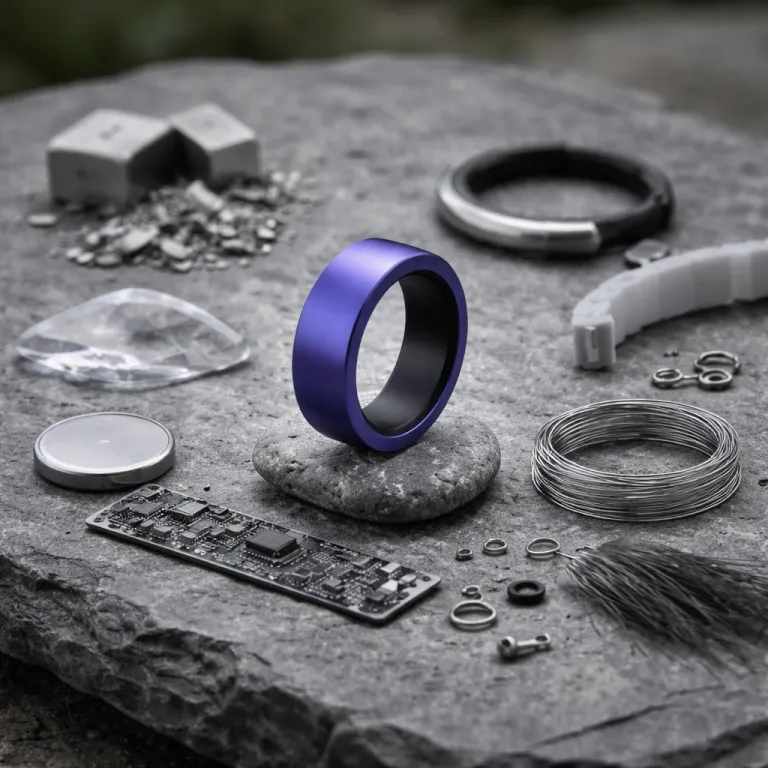

Smart ring vs smartwatch for everyday health: who should wear what
For many health-conscious adults, the real question is not whether to go wearable but how to choose between a smart ring and a smartwatch. When you compare a discreet ring with a screen-filled watch, the smart ring vs smartwatch debate quickly becomes about comfort, battery life, and how much visible technology you want on your body. The right balance between subtle rings and bold smartwatches will shape how consistently you actually use health tracking in daily life.
A smart ring such as an Oura Ring or an Ultrahuman Ring Air sits on the finger, where blood vessels are closer to the skin and motion is lower during sleep. That position gives smart rings a natural advantage for resting heart rate, heart rate variability (HRV), and overnight health tracking, especially when you care about long-term stress and recovery trends. In contrast, a smartwatch or larger wearables like Apple Watch or Galaxy Watch place sensors on the wrist, where movement and strap tension can disturb fitness tracking and sleep data when you toss and turn at night.
Comfort is not a side issue here, because comfort decides whether you keep a device on for twenty-four hours. Many people who hate wearing a watch in bed find that a circular ring feels almost invisible, which leads to better sleep tracking and more complete health data over months. If you already rely on a traditional watch for style, a slim circular ring or a Galaxy Ring can add health and fitness features without changing the look of your wrist at all.
Where smart rings quietly win: sleep, stress and battery life
When you strip away marketing, smart rings are recovery tools first and fitness trackers second. The best models focus on sleep, heart rate variability, skin temperature, and long-term health tracking rather than on screen-based features or bright notifications. That design choice explains why a smart ring often delivers more reliable night-time data than a feature-packed smartwatch that tries to do everything at once.
Oura Ring has set the benchmark here, with the latest Oura generation showing high agreement for resting heart rate and HRV compared with electrocardiogram measurements in independent testing under controlled conditions. That level of accuracy matters if you are using a smart ring to monitor stress, early signs of illness, or the impact of training on recovery, because small shifts in heart rate and skin temperature can signal meaningful changes in your health. Other smart ring options such as Ultrahuman Ring Air, Samsung Galaxy Ring, and RingConn follow a similar philosophy, prioritising battery life, circular ring comfort, and detailed sleep data over flashy screens.
Battery life is where the smart ring vs smartwatch gap feels largest in everyday life. A well-optimised Ring Air or Oura Ring typically runs four to seven days between charges in mixed use, while many smartwatches struggle to last more than one or two days with continuous heart rate and sleep tracking enabled. If you already feel annoyed by nightly charging of a phone, a ring that sips battery and quietly logs your health and fitness metrics can be a relief rather than another device demanding attention, especially compared with even an ultra-thin 6.5 mm thick smartwatch that still needs frequent charging for its bright display.
Where smartwatches still dominate: screens, workouts and standalone power
For all their strengths, smart rings cannot replace a full smartwatch when you need a screen, buttons, and on-wrist controls. A smart watch remains the better tool for starting workouts, following interval sessions, checking pace on a run, or handling notifications without reaching for your phone. In the smart ring vs smartwatch comparison, this is where watches earn their place as standalone devices rather than quiet background sensors.
Modern smartwatches such as Apple Watch, Samsung Galaxy Watch, and Garmin Forerunner models combine GPS, optical heart rate, and sometimes ECG into one device that can track outdoor fitness without a phone. If you rely on contactless payments, quick replies to messages, or on-wrist maps, no smart rings can match those features because a ring has no display and almost no interface. Even the best circular ring or Galaxy Ring focuses on health tracking and sleep, while the watch becomes your daily digital assistant, especially once you have learned how to successfully pair your Apple Watch with your phone and apps.
Battery life is the trade-off for this power, because a bright screen and constant connectivity drain energy much faster than a ring. Many smart watches last about one day with always-on display and continuous heart rate, while more efficient fitness trackers and some specialised smartwatches can stretch to several days. If you are willing to charge nightly and you value rich workout metrics, notifications, and standalone features, the smartwatch side of the smart ring vs smartwatch equation still offers the most capable all-in-one device.
Hybrid strategies: pairing a smart ring with a simpler watch
An emerging pattern among serious but time-pressed athletes is the ring plus watch setup. In this approach, a smart ring handles sleep, recovery, and all-day health tracking, while a cheaper or simpler smartwatch or sports watch manages workouts, alerts, and quick glances. Instead of asking one device to be perfect at everything, you let each wearable play to its strengths in your daily life.
For example, you might wear an Oura Ring or Ultrahuman Ring Air twenty-four hours a day to capture resting heart rate, HRV, skin temperature, and detailed sleep stages. During training sessions, you then strap on a mid-range GPS watch or even an older model that still offers reliable pace and heart rate, such as a well-maintained Fenix series device that remains a reliable training partner for many runners. This combination gives you high-quality recovery data from the ring and practical workout controls from the watch, without paying for the most expensive smartwatches that try to do both roles at once.
The pros and cons balance of this hybrid strategy depends on how much you care about simplicity versus precision. Two devices mean two batteries to manage, even if the ring only needs a charge once a week and the watch every few days, and you must check that your health tracking apps can merge data cleanly. However, for many health-conscious professionals who want minimal on-screen distraction in meetings but still value accurate fitness tracking, a subtle ring on the finger and a modest watch on the wrist during exercise can be the best compromise.
How to choose: smart ring vs smartwatch for your health priorities
Choosing between smart rings and smartwatches starts with a blunt question about your priorities. If you mainly care about sleep, stress, and long-term health tracking, a smart ring is usually the better fit, because it is more comfortable at night and less intrusive during the day. When your focus shifts toward structured workouts, notifications, and standalone features, a smartwatch or smart watch with strong fitness tracking becomes the more logical choice.
Think about how you actually live, not how you wish you lived, when weighing the pros and cons of each category. If you often forget to charge devices, a ring with long battery life will serve you better than even the best watch, because a dead screen tracks nothing and a ring that runs quietly for days will keep logging heart rate and sleep. On the other hand, if you rely on quick glances at your wrist for calendar alerts, calls, and messages, a ring alone will feel limiting, because even the most advanced smart ring designs like Galaxy Ring or Ultrahuman Ring Air cannot show you that information.
Comfort and aesthetics also matter more than spec sheets admit, especially for adults who must wear these devices in professional settings. A slim circular ring can blend with jewellery, while a large smartwatch may clash with formal clothing or feel heavy during long meetings, even if its health and fitness features look impressive on paper. In the end, the best device is the one you forget you are wearing until you open the app and see months of consistent, high-quality data about your heart rate, sleep, stress, and daily activity quietly shaping better choices.
FAQ
Is a smart ring accurate enough to replace a smartwatch for health tracking ?
For sleep, resting heart rate, and HRV, a high-quality smart ring is often more accurate than a smartwatch because the finger provides a more stable signal than the wrist. Independent validation studies on devices such as Oura Ring have shown very high agreement with electrocardiogram measurements for HRV and resting heart rate under controlled test protocols. However, for workout heart rate during intense movement, most smartwatches still perform better than rings.
Can a smart ring track workouts as well as a smart watch ?
Smart rings are designed primarily for background health tracking rather than detailed workout control. They can log activity, estimate energy expenditure, and sometimes auto-detect basic exercise, but they lack GPS, interval timers, and on-screen metrics. If you care about pace, distance, and structured sessions, a smartwatch or dedicated sports watch remains the stronger choice.
How often do I need to charge a smart ring compared with a smartwatch ?
Most modern smart rings last between four and seven days on a single charge, even with continuous heart rate and sleep tracking enabled in typical everyday use. Many full-featured smartwatches with bright displays and frequent notifications need daily or every second day charging, especially when GPS and always-on screens are used. If you dislike frequent charging, the longer battery life of a ring can be a decisive advantage.
Who is better suited to a smart ring rather than a smartwatch ?
People who prioritise sleep quality, stress management, and subtle health monitoring usually benefit most from a smart ring. This includes professionals who prefer not to wear a screen in formal settings, individuals recovering from health scares who want continuous but unobtrusive tracking, and light sleepers who find wrist devices uncomfortable at night. For these users, the comfort and discretion of a ring often lead to more consistent long-term data.
Can I wear a smart ring and a smartwatch at the same time ?
Yes, many users combine a smart ring for recovery metrics with a smartwatch for workouts and notifications. The key is to configure your apps so that only one device writes certain data types, such as steps or sleep, to avoid double counting. This hybrid approach can deliver the strengths of both categories without forcing you to compromise on either health tracking or everyday convenience.