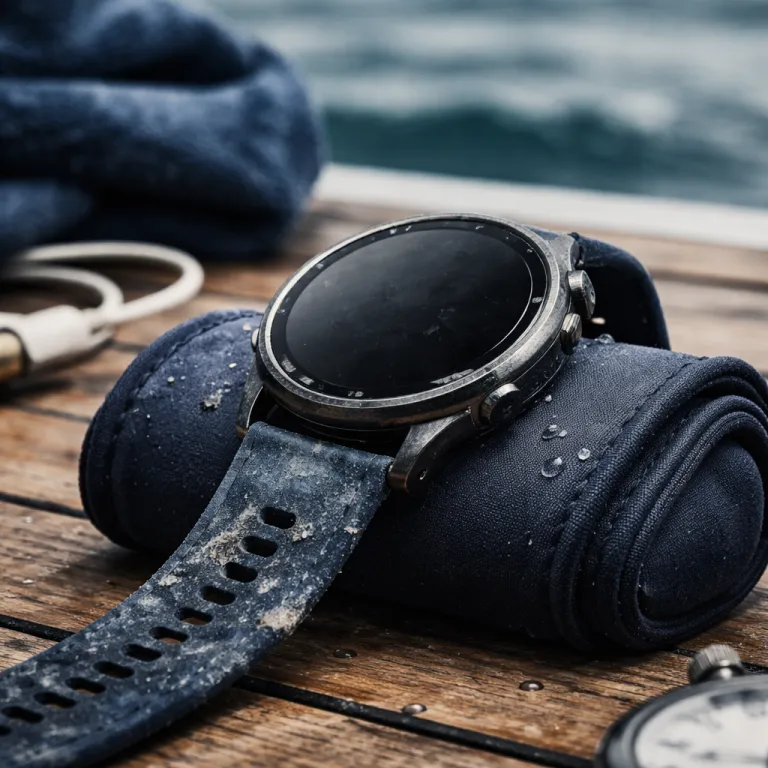

Why our smartwatch testing methodology takes six weeks, not six days
Calling a smartwatch “great” after a weekend of testing misleads any serious runner. Our smartwatch testing methodology stretches across six weeks of daily wearable use, because fitness, health and battery behaviour only reveal their true patterns over time. That longer cycle lets us see how each watch, smart watch or fitness tracker copes with real physical activity, not just lab demos.
From day one we treat every smartwatch as a training tool, not a shiny gadget. We log structured exercise sessions, track walking running commutes, and push wearable devices through mixed physical activity so that smartwatches estimate step counts, calories burned and energy expenditure under messy real life conditions. Only then can we judge accuracy, battery life and overall wearable fitness performance with any authority.
We also compare each device against a clear gold standard for every metric we can reasonably test. That means chest strap heart rate for heart rate accuracy, calibrated treadmills for pace, and manual lap counts in the pool to validate swim tracking data. Without that level of validation and performance testing, any smartwatch testing methodology is just marketing copy dressed up as science.
How we choose devices and define use cases
We do not test every smartwatch on the market, because that would dilute the depth of our device testing. Instead we select representative smartwatches and fitness trackers across price bands, platforms and form factors, from an entry level fitness tracker to a flagship apple watch or premium multisport wearable. Each device is assigned a primary use case such as road running, gym training or mixed wearable health tracking, and we judge it against that scenario.
For example, a compact smart watch aimed at casual fitness will not be punished for lacking advanced rate variability metrics. However, a rugged wearable technology device marketed for endurance athletes must show strong battery life, precise GPS data and reliable heart rate tracking during long exercise sessions. Our smartwatch testing methodology always links claims on the box to measurable test outcomes for the user who might buy that product.
We also revisit older devices when readers still ask about them as potential free or discounted options. When assessing whether a legacy GPS watch remains a reliable training partner, we use the same structured test plan we apply to new wearable devices. That is why our evaluation of any supposedly classic running watch follows the same six week smartwatch testing methodology as the latest smartwatches.
Day 1 to week 1: setup friction, notifications and baseline battery curve
The first 24 hours of testing focus on setup friction and basic usability. We time how long it takes to pair each smartwatch or smart watch with both Android and iOS, then note every permission request and default notification setting that hits the user. A good smartwatch testing methodology must capture whether the watch respects your attention or floods you with data noise from the start.
During this phase we keep exercise to a minimum so we can isolate idle battery life and notification impact. The watch stays on the wrist for at least 16 hours per day, mirroring a typical wearable health routine with step counts, light physical activity and sleep tracking enabled but no structured workouts. This lets us map a clean battery curve and see how different devices balance screen brightness, heart rate sampling and background data sync.
We also evaluate the companion app because wearable technology lives or dies on software polish. Our testers rate how easy it is to find key health metrics such as resting heart rate, rate variability and daily calories burned without digging through confusing menus. If a smartwatch buries essential fitness data behind paywalls or clutter, we flag that clearly for any user comparing products.
Baseline battery life and notification sanity checks
Across the first week we run a strict “notifications only” protocol to measure realistic battery life. Each device receives calls, messages and app alerts at controlled intervals, while we log exact battery percentage at fixed times to build a detailed discharge profile. This approach reveals whether a smartwatch with a claimed max endurance actually survives a normal workday with wearable fitness tracking left on.
We repeat this baseline test for multiple smartwatches so we can compare devices directly. A watch that lasts three days in this scenario earns more credit than a product that needs a nightly charge before any hard exercise. Our smartwatch testing methodology also checks how quickly a device recharges from 10 percent to 80 percent, because that window matters most to a busy user squeezing in a run.
During these days we also test basic health features that run continuously. We verify that all day heart rate tracking does not drain the battery excessively, and we check whether smartwatches estimate step counts reasonably while walking running around the office or climbing stairs. If a device inflates physical activity or calories burned during routine movement, we note that as a warning sign before moving into heavier performance testing.
Weeks 2 and 3: GPS field work and heart rate lab comparisons
Once baseline behaviour is mapped, we shift the smartwatch testing methodology into performance testing for GPS and heart rate. Every smartwatch, smart watch and fitness tracker goes through repeated outdoor sessions in three environments, including open parks, tree covered trails and dense urban streets with tall buildings. This mix exposes how wearable devices handle signal reflection, dropouts and route smoothing when smartwatches estimate pace and distance.
We run the same walking running routes with multiple devices strapped to each wrist and a dedicated GPS handheld as our gold standard reference. After each session we overlay tracks, compare total distance and inspect corner cutting or random zigzags that inflate step counts or calories burned. A watch that looks fine on a single straight path can fall apart when the device testing moves into tight city blocks or forested switchbacks.
Heart rate accuracy gets an even tougher workout in week three. We pair each smartwatch with a chest strap monitor, then run four workout types including steady state runs, interval sprints, indoor cycling and strength exercise with lots of wrist flexion. This combination reveals how well wearable technology tracks heart rate and rate variability when sweat, motion and grip changes challenge the optical sensors.
How we judge GPS, pace and training metrics
For each session we export raw data from the smartwatch and our reference devices. We then calculate average pace error, maximum deviation and how quickly the watch locks onto a new pace after a surge or slowdown. A device that lags by 20 seconds per kilometre during intervals can ruin structured fitness training, even if its daily health graphs look pretty.
We also examine how smartwatches translate raw data into training guidance. Some wearable fitness products use heart rate and pace to suggest recovery times, while others estimate energy expenditure and training load from combined metrics. Our smartwatch testing methodology checks whether these smartwatches estimate trends that match the user’s perceived effort and the chest strap gold standard, rather than blindly trusting proprietary algorithms.
Platform specific quirks are documented as well, especially for popular models like the latest apple watch or high end multisport devices. If a firmware update changes GPS behaviour or heart rate smoothing mid test, we rerun key workouts to keep comparisons fair. That way, when we say one smartwatch outperforms another for structured physical activity, the verdict rests on repeatable device testing rather than a single lucky run.
Weeks 4 and 5: sleep, swim, sweat and long term durability
By week four the novelty has worn off, which is exactly when many smartwatches start to show cracks. Our smartwatch testing methodology now focuses on sleep tracking, daily wearable health trends and how the watch copes with constant sweat, showers and pool sessions. This phase matters for any user who wants a single wearable device to handle both daytime exercise and overnight recovery monitoring.
Because full polysomnography is not practical for every product test, we use a combination of overnight heart rate, rate variability and detailed sleep logs as our reference. Testers record perceived sleep quality, wake times and naps, then we compare those notes to what the smartwatch reports. We look for consistent patterns rather than one perfect night, since wearable devices often misclassify short awakenings or light sleep stages.
Durability testing ramps up in week five with repeated swim sessions, hot weather runs and daily showers while wearing the watch. We track whether buttons, crowns and microphones remain responsive, and we inspect sensors for fogging or corrosion that could affect heart rate accuracy. IP ratings may promise water resistance, but only long term exposure during real physical activity reveals whether a product truly withstands wearable fitness use.
Battery stress tests and comfort over long wear
Endurance athletes care about max battery life under continuous GPS, so we run dedicated stress tests. Each smartwatch is set to record a long outdoor activity with heart rate and, where available, dual band GPS enabled until the device shuts down. This shows whether marketing claims about battery life hold up when the watch is used as a serious fitness tracker rather than a passive notification device.
We also monitor how quickly battery capacity appears to degrade over the six week window. If a smart watch loses a noticeable chunk of runtime after repeated full discharges, we flag that for any user planning heavy training blocks. Comfort is scored too, because a wearable health device that causes skin irritation or strap fatigue will end up in a drawer regardless of its data quality.
Throughout these weeks we keep an eye on how smartwatches estimate daily energy expenditure and calories burned. We compare those figures against food logs and weight trends to see whether the numbers are at least directionally useful. A smartwatch does not need perfect accuracy to be valuable, but it must avoid misleading the user into thinking a short walk equals a free pass for a large meal.
Week 6 and beyond: software aging, screen wear and how we actually rate watches
The final stretch of our smartwatch testing methodology looks at aging rather than first impressions. We track software updates, app crashes and sync glitches that appear only after weeks of continuous wearable use. A smartwatch that felt snappy on day one but lags or freezes by week six fails our standard for a reliable fitness companion.
Screen and hardware wear are inspected closely at this stage. We check for early OLED burn in, scratched glass, sticky crowns and loose clasps that might compromise device testing results in the long run. If a watch’s max brightness drops noticeably or the touch layer becomes unreliable during exercise, we treat that as a serious flaw for any fitness tracker or smart watch.
Most importantly, we refuse to summarise complex wearable technology into generic star ratings or “best overall” labels. Instead we write named recommendations such as “if you run three times a week and value battery life over smart features, choose this device” or “if you already own an iPhone and want deep apple watch integration, pick that one”. Our verdicts always tie back to the six week data, from heart rate accuracy and rate variability to step counts and physical activity trends.
How this methodology shapes buying guides for best smartwatches
When we assemble buying guides for the best smartwatches, every pick has survived this full smartwatch testing methodology. We group devices by real user profiles such as new runners, triathletes or people focused on wearable health insights rather than raw performance. That way, a compact fitness tracker with modest battery life but excellent sleep data can sit alongside a rugged wearable fitness watch built for mountain ultras.
We also highlight strong alternatives for readers who want a different balance of features. For example, someone considering a subscription based recovery band might prefer a more traditional smartwatch that still tracks heart rate, rate variability and energy expenditure without locking core metrics behind a paywall. Clear comparisons between smartwatches help you decide whether to prioritise battery life, app ecosystems or advanced training metrics.
In the end, a good smartwatch is not the one with the longest spec sheet but the one that still feels trustworthy on the tenth morning of tracked sleep. Our six week testing, validation and performance testing cycle is designed to reveal that trustworthiness across fitness, health and everyday use. When we say a watch earns a place on your wrist, it is because the data, the device and the user experience have all been tested, not just admired.
Frequently asked questions about smartwatch testing methodology
How long should a proper smartwatch test last ?
A meaningful smartwatch testing methodology should run for at least six weeks of continuous wear. That duration exposes battery life patterns, software quirks and sensor drift that short reviews miss. It also lets testers validate fitness and health data across different training phases, from fresh legs to accumulated fatigue.
Why compare smartwatch heart rate to a chest strap ?
Chest straps remain the practical gold standard for heart rate during exercise because they measure electrical signals directly. Optical sensors in wearable devices infer heart rate from blood flow under the skin, which can be distorted by motion, tattoos or sweat. Comparing smartwatch readings to a chest strap during varied workouts reveals whether the device is accurate enough for structured training.
Do I really need GPS accuracy if I mostly train indoors ?
If most of your exercise happens on treadmills or indoor bikes, GPS accuracy matters less than stable heart rate and good workout modes. However, many users still walk or run outside occasionally, and poor GPS can distort pace, distance and calories burned on those days. A balanced smartwatch testing methodology checks both indoor and outdoor scenarios so you can judge how much GPS precision you personally need.
How important is battery life for everyday fitness tracking ?
Battery life directly affects whether you keep wearing the watch long enough to build useful health trends. A device that needs charging every night may miss sleep data, while one that lasts several days encourages continuous use. Our tests focus on real world battery performance with notifications, heart rate and typical physical activity enabled, not just idealised lab numbers.
Can one “best smartwatch” fit every type of user ?
No single smartwatch can be best for every user because needs differ sharply. Endurance runners may prioritise GPS and max battery life, while office workers might value slim design and smart notifications. That is why our buying guides group smartwatches by use case rather than chasing a single universal winner.