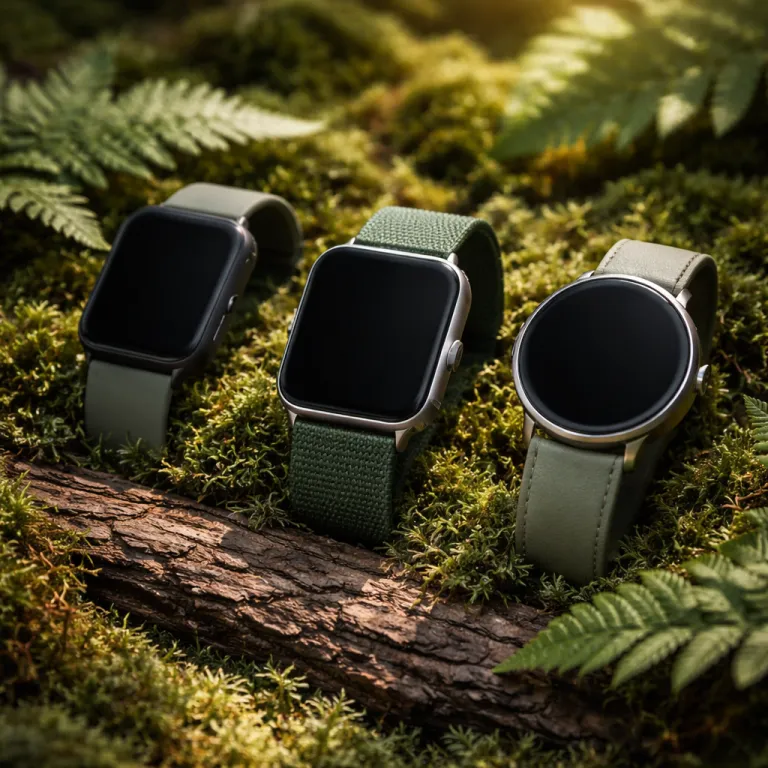

The three questions that actually decide the best smartwatch 2026
Most buyers ask about screen brightness and apps before anything else. For choosing the best smartwatch 2026 for real life, three blunt questions cut your options faster than any spec sheet. Answer them honestly and your shortlist of smartwatches shrinks to two or three models that actually fit.
Question one is simple yet brutal ; what phone is in your pocket every day. If you use an iPhone, the Apple Watch ecosystem, from the mainstream Apple Watch watch series models to the rugged watch ultra line, is where the best integration, fastest notifications and most reliable gps heart features live. If you carry an Android phone, especially a Samsung Galaxy or Google Pixel device, then a Galaxy Watch, a Pixel Watch or a Garmin Venu becomes more compelling than any Apple Watch, no matter how tempting the marketing looks.
Question two is about how you really move, not how you wish you did. A daily runner needs accurate heart rate tracking, stable GPS and long battery life more than a huge app store or fancy stroke width options in the watch faces. A casual walker or office worker mainly wants health nudges, reliable notifications and a comfortable watch design that does not feel like a brick on the wrist.
Question three sounds mundane but decides long term happiness. How often are you willing to charge your smartwatch, and where will you actually plug it in during a normal day. If you are fine dropping your watch on a charger every night, an Apple Watch, a Samsung Galaxy Watch or a Google Pixel Watch with a one day battery is perfectly acceptable ; if you hate cables, a Garmin Venu or other Garmin models with multi day battery life will feel like freedom.
Phone first: matching iPhone, Android and cross platform watches
Start with compatibility because it silently rules out most of the market. Apple Watch models only work with iPhones, while Android smartwatches like Samsung Galaxy Watch, Google Pixel Watch and OnePlus Watch work best with Android but often lose features when paired with iOS. Cross platform options such as Garmin Venu or other Garmin fitness watches support both Android iOS ecosystems, though they lean harder into health and fitness than messaging.
If you own an iPhone and want the best smartwatch 2026 experience, the Apple Watch watch series line remains the default choice. The deep integration with iMessage, Apple Pay and iCloud means notifications feel instant, health data syncs cleanly and every app respects Apple’s privacy settings. For serious outdoor runners or divers, the Apple Watch Ultra models add tougher design, better battery life and more precise gps heart tracking, though the price climbs sharply.
Android users face a different map of options and trade offs. Samsung Galaxy Watch models pair tightly with Samsung Galaxy phones, unlocking extra health features, better ECG support and richer watch face customization, while still working decently with other Android phones. Google Pixel owners often prefer the Pixel Watch because its compact design, bright AMOLED display and tight Google Assistant integration make it feel like an extension of the phone rather than a separate gadget.
Parents choosing a first smartwatch for kids should think about durability before apps. A basic Garmin or even a kid focused tracker can be smarter than a fragile full smartwatch when you know bands and cases will be abused. For example, guides on handling a broken Garmin Vivofit Jr band and choosing a better tracker for kids show how much real world wear matters more than flashy features in this age group.
How you actually exercise: runners, gym goers and walkers
Exercise style shapes what the best smartwatch 2026 looks like on your wrist. A marathon runner, a strength focused gym goer and a casual walker all need different mixes of heart rate accuracy, GPS reliability and comfort. Ignore this and you end up paying for features you never use while still missing the one metric that matters to you.
Runners should prioritise precise gps heart tracking, a stable optical rate monitor and a battery that survives long sessions. Apple Watch watch series models and the Apple Watch Ultra line now offer strong GPS and heart rate performance for road running, but they still lean on daily charging. Garmin Venu and other Garmin watches trade some smartwatch polish for longer battery life, more detailed fitness metrics and buttons that work perfectly with sweaty hands or gloves.
Gym goers usually care less about GPS and more about health and recovery. For them, a bright display, reliable heart rate tracking and good app support for logging sets and reps matter more than multi day battery life. Samsung Galaxy Watch and Google Pixel Watch models strike a nice balance here, offering strong smartwatch features, decent fitness tracking and a comfortable watch design that does not snag on equipment.
Walkers and office workers often just want gentle nudges toward better health. Any modern smartwatch can count steps, but the best smartwatch options in this group combine subtle reminders, clear sleep tracking and a price that feels fair. If you already own a Garmin and want to upgrade without overspending, a structured Garmin watch trade in program can stretch your budget and move you into a newer Garmin Venu or similar model with better sensors and longer day battery performance.
Charging habits, battery life and what spec sheets hide
Charging tolerance quietly decides whether a smartwatch becomes a trusted tool or a drawer ornament. Watches with bright AMOLED display panels, constant LTE and heavy apps usually last about a day battery cycle, while simpler fitness focused models can stretch to nearly a week. The best smartwatch 2026 for you is the one whose battery life matches your charging rituals, not the one with the biggest marketing number.
If you already charge your phone and earbuds nightly, adding a smartwatch to that routine is not a big leap. Apple Watch, Samsung Galaxy Watch and Google Pixel Watch models are designed around this pattern, offering rich features, detailed health tracking and fast charging that fills the battery while you shower. In exchange, you accept that sleep tracking and all day GPS workouts will push you closer to the edge of the battery by evening.
Buyers who hate cables or travel often should look at Garmin Venu, OnePlus Watch and similar long life smartwatches. These watches usually skip some third party apps and advanced animations, but their efficient design and restrained features mean you can track fitness, heart rate and blood oxygen for several days without hunting for a charger. For many people, that reliability feels like the real watch best feature, even if the interface looks simpler.
Water resistance and durability also affect long term satisfaction more than many spec sheets admit. A watch rated at 5 ATM or IP68 can still fail early if the crown or buttons let in moisture during repeated pool sessions. Before you trust any smartwatch in the shower or sea, it is worth reading a clear guide on what 5 ATM water resistance really means in everyday life so you do not confuse lab ratings with real world abuse.
Price, value and when last generation watches are the smarter buy
Price is where budget savvy shoppers can turn the best smartwatch 2026 hunt into a real bargain. New flagship smartwatches from Apple, Samsung and Google launch at premium price points, but last generation models often keep most features while dropping sharply in cost. If you are willing to skip the latest watch series number or a tiny stroke width tweak in the interface, you can save serious money.
Apple Watch SE models and refurbished Apple Watch units from reputable retailers like Amazon often deliver the core health tracking, heart rate monitoring and smooth iPhone integration that most people need. You lose some ultra niche features from the newest watch ultra line, yet you keep fall detection, blood oxygen readings and tight Apple ecosystem support. For many iPhone owners, that balance of features, battery life and price makes the SE the watch best value pick.
On the Android side, older Samsung Galaxy Watch and Google Pixel Watch generations remain strong buys once discounts arrive. They still pair well with Android iOS devices where supported, offer bright display panels and cover everyday fitness tracking without feeling sluggish. OnePlus Watch and Garmin Venu models also age gracefully because their design and fitness focus change slowly, so a previous generation can feel current while costing much less.
When comparing options, write your own review pros and cons list instead of trusting marketing blurbs. Note how each smartwatch handles heart rate accuracy during intervals, how quickly the battery drains with GPS on and whether blood oxygen readings feel consistent over several nights. In the end, the best smartwatch is not the one with the loudest launch event but the one that still tracks your life calmly on the tenth morning of sleep data.
How to read specs: health sensors, displays and real world tracking
Spec sheets for the best smartwatch 2026 models are packed with jargon that hides what really matters. Health sensors like optical heart rate, SpO2 for blood oxygen and skin temperature can sound impressive, yet their value depends on how consistently they track your daily life. A clean interface, readable display and honest battery estimates often matter more than one extra sensor that you never check.
When you see claims about advanced gps heart features, ask how the watch behaves during tough conditions. Does the smartwatch maintain a stable lock near tall buildings, or does the route map zigzag wildly and ruin your pace data. Apple Watch, Samsung Galaxy Watch and Garmin Venu models have steadily improved here, but they still differ in how quickly they regain signal after tunnels or dense tree cover.
Display quality affects comfort more than raw numbers like stroke width or pixel density. A bright AMOLED panel on an Apple Watch, Galaxy Watch or Pixel Watch makes outdoor runs easier to read, yet it also draws more battery unless the software manages refresh rates carefully. Simpler displays on some Garmin and OnePlus Watch models look less flashy indoors but stay legible in sunlight while sipping power.
Finally, treat every review pros and cons list as a starting point, not a verdict. Look for patterns across multiple reviewers about heart rate spikes, battery drain and strap comfort, then compare those notes with your own priorities. The best smartwatch for you is the one whose compromises line up with your habits, not someone else’s checklist of features and apps.
FAQ
How do I choose between Apple Watch and Samsung Galaxy Watch
Choose based on your phone first, then your habits. If you use an iPhone, Apple Watch models integrate more deeply with messages, payments and health data than any Samsung Galaxy Watch. If you carry a Samsung Galaxy or other Android phone, a Galaxy Watch usually offers better battery life, tighter Android integration and more control over watch design and fitness tracking.
Is a Garmin Venu better than a Google Pixel Watch for fitness
Garmin Venu watches focus on fitness and long battery life, while Google Pixel Watch models emphasise smart features and Google services. For structured workouts, detailed metrics and multi day battery performance, Garmin Venu generally feels stronger. If you care more about Google Assistant, apps and a compact design, the Pixel Watch is the better fit.
Do I really need blood oxygen and advanced health sensors
Blood oxygen and other advanced sensors can add context to your health picture, but they are not medical devices. For most people, reliable heart rate tracking, step counts and sleep trends matter more than occasional SpO2 readings. Treat these metrics as helpful indicators rather than diagnostic tools, and prioritise comfort and battery life over one extra sensor.
How much battery life should I expect from the best smartwatch 2026
Most full featured smartwatches with bright displays and constant connectivity last about one day on a charge. Fitness focused models like many Garmin or OnePlus Watch devices can stretch to several days or even a full week with moderate use. Decide whether nightly charging fits your routine ; if not, choose a watch advertised with multi day battery life and confirm that in real world reviews.
Are last generation smartwatches still worth buying
Last generation smartwatches often deliver excellent value, especially once discounts appear. You usually keep the core health tracking, GPS and notification features while losing only minor design tweaks or niche functions. For budget conscious buyers, a previous Apple Watch, Samsung Galaxy Watch or Garmin Venu can be the smartest route to a high quality watch at a lower price.