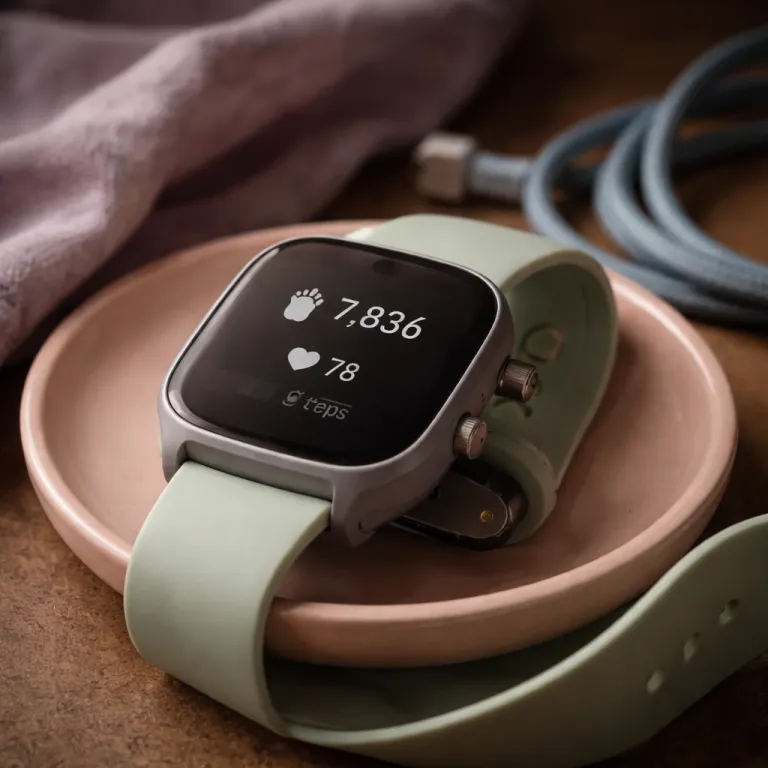

Why the best budget smartwatch is more about trade offs than specs
The best budget smartwatch is not the one with the longest spec sheet. It is the watch that makes the right compromises on tracking, battery life and smart features at a realistic price point for your needs. If you focus only on the cheapest price or the flashiest amoled display, you often end up with a cheap smartwatch that feels slow and unreliable after a few weeks.
Under roughly 200 euros, three things usually take a hit in smartwatches. Sensor accuracy for heart rate during motion, battery performance when GPS and always on amoled screens are active, and the depth of third party apps or services all tend to be weaker than on premium models. What stays surprisingly strong on many budget smartwatch options is basic step tracking, notifications, simple sleep stages and music controls, which cover what most first time buyers actually use daily.
Think of the best budget smartwatch as a daily tool rather than a tiny phone on your wrist. If you mainly want to check messages, control music and glance at your day battery estimate, a light and cheap watch with solid core smart features will serve you better than a heavy flagship. The real question is not which smartwatch is objectively best, but which compromises you personally can live with at your chosen price point.
What you really lose and keep when you go budget
When you buy a budget smartwatch, you usually lose cutting edge sensors but keep the essentials. Most cheap smartwatches use older optical heart rate arrays, which means tracking is fine for steady runs or walks but struggles with rapid intervals or strength training. For a Couch to 5K runner, that level of heart rate accuracy is usually good enough, but serious zone training athletes should not rely on it alone.
Battery life is the second major compromise, because budget chipsets are less efficient under heavy load. A model that promises a seven day battery on the box may drop to three or four days once you enable continuous heart rate tracking, frequent notifications and bright amoled display settings. If you want a true multi day battery life with GPS workouts several times a week, you need to be realistic about both price and how many smart features you keep switched on.
Third party apps are the third weak point, especially on low cost android ios compatible watches that run proprietary systems. You may get basic weather, alarms and simple workout modes, but not the rich app stores seen on an Apple Watch or a Galaxy Watch. For kids or teens, a simpler tracker can be enough, and guides about choosing a better tracker for kids than a fragile band can help you avoid poor value devices.
Key players in the budget landscape and how they differ
In the current budget smartwatch landscape, three families dominate value conversations. Refurbished Apple Watch models, especially the Apple Watch SE and older flagships, compete directly with new Amazfit and Huawei Watch devices that offer long battery life and bright amoled screens. On the android side, the Galaxy Watch line and some CMF Watch or Watch Pro style models from newer brands try to balance smart features with aggressive price positioning.
A refurbished Apple Watch Series 8 often costs roughly the same as a new Amazfit Active or Amazfit Bip, yet the trade offs are very different. The Apple Watch gives you tighter iPhone integration, better app support and strong heart rate tracking, but usually only a one day battery that demands nightly charging. An Amazfit budget smartwatch offers a lighter watch body, multi day battery life and a vivid amoled display, but weaker app ecosystems and sometimes slower syncing on android phones.
If you are an android user, a Galaxy Watch or Huawei Watch can feel like the best budget option when discounted. These smartwatches bring polished design, good notification handling and reliable GPS, though battery life on Wear OS models still lags behind simpler fitness focused watches. For buyers who care more about training metrics than app stores, even an older GPS watch can remain a reliable training partner for years when maintained properly.
Feature by feature traffic light for budget buyers
To choose the best budget smartwatch for your wrist, treat each feature like a traffic light. For heart rate tracking during steady cardio, most budget smartwatches get a green light, because their sensors handle walking, easy runs and cycling reasonably well. During high cadence intervals or strength work, that same heart rate performance often turns amber or red, so serious athletes should pair a chest strap when training by zones.
Battery life deserves the same honest grading, because marketing claims rarely match real life. If a watch promises a ten day battery, expect closer to five or six days once you enable continuous tracking, frequent notifications and a bright amoled display with always on mode. For many buyers, a solid three day battery life with mixed use is enough, but if you hate chargers, look for best cheap models that sacrifice some smart features for endurance.
Smart features such as contactless payments, offline music and rich app stores are where budget models most often show amber lights. A cheap smartwatch may let you control music and see notifications, yet not install advanced apps or respond fully to messages on every android ios combination. When you compare reviews, focus less on star ratings and more on how each review describes daily friction, such as lag, sync failures or unreliable alarms.
Who should spend more and how resale changes the maths
Not everyone should chase the best budget smartwatch, because for some people the stakes are higher than saving money. If you have a cardiac condition, rely on fall detection or need ECG level data, a higher tier Apple Watch or Galaxy Watch is worth the extra price. The same applies to runners who live by heart rate zones or multi band GPS accuracy, since budget sensors and chipsets simply cannot match premium performance yet.
Resale value quietly reshapes the real cost of your watch over its life. Apple Watch models, even the SE and older generations, tend to hold value far better than most android rivals, which means you can sell and recoup a meaningful share of the original price. That higher resale softens the blow of a more expensive initial buy, especially if you upgrade every few years instead of keeping one watch until the battery fades badly.
For strict budget shoppers, refurbished units bought with a credit card that extends warranty can be a smart middle ground. You get a better class of design, sensors and smart features at a price point close to a new best cheap model, while still limiting risk. In the end, the best budget choice is the watch that still feels reliable on the tenth morning of tracked sleep, not just the one that looked good in early reviews or on a glossy image credit in an advert.
Key statistics about budget smartwatches
- Data about long term sensor accuracy, resale value and failure rates for budget smartwatches remains limited, so buyers should rely on multiple independent reviews rather than a single source.
- Most budget models that claim more than one week of battery life achieve that figure only with reduced tracking and dimmer displays, while real world mixed use typically cuts those claims by around half.
- Refurbished mid range and flagship smartwatches often cost 20 to 40 percent less than their original launch price, which can make them competitive with new budget devices on total value.
Frequently asked questions about choosing the best budget smartwatch
Is a budget smartwatch accurate enough for serious fitness training ?
For steady state cardio like easy runs, brisk walks or indoor cycling, most budget smartwatch models provide heart rate and distance tracking that is accurate enough for general fitness. When you move into interval training, sprint work or heavy strength sessions, their optical sensors often lag or spike, which makes zone based training less reliable. If you train seriously, pair your watch with a chest strap for hard sessions and use the wrist sensor mainly for daily activity and sleep.
Should I choose a refurbished premium watch or a new budget model ?
A refurbished Apple Watch or Galaxy Watch usually offers better sensors, smoother performance and richer smart features than a new cheap smartwatch at the same price. The trade off is shorter remaining battery life and potentially less warranty coverage, depending on where you buy. If you value ECG, fall detection or advanced apps, refurbished premium is often wiser, while new budget models suit buyers who prioritise long battery life and simplicity.
How much battery life do I really need from a budget smartwatch ?
For most people, a reliable two to three day battery life with normal use is enough, because it allows flexible charging without constant anxiety. If you travel often, camp or dislike daily charging, aim for watches that realistically deliver five or more days with continuous tracking and moderate notifications. Be sceptical of extreme claims, and read reviews that test battery life with GPS, bright screens and always on modes enabled.
Are budget smartwatches safe for people with heart conditions ?
Budget smartwatches can help you notice general heart rate trends, but they are not medical devices and should never replace professional monitoring. If you have a known cardiac condition, prioritise models with validated ECG features and fall detection, which usually means spending more on an Apple Watch or selected Galaxy Watch models. Always treat smartwatch data as supplementary information and follow your clinician’s advice first.
What is the best budget smartwatch for android users ?
For android users, the best budget smartwatch often comes from brands like Amazfit or Huawei, which offer long battery life and bright amoled displays at modest prices. Discounted Galaxy Watch models also provide strong integration, though they may need more frequent charging than simpler fitness watches. Your ideal choice depends on whether you value smart features and apps more than endurance and straightforward fitness tracking.