How sleep tracking works on watches, rings and pods
Every modern sleep tracker, whether a smartwatch, ring or sleep pod under the mattress, relies on sensors that translate body signals into structured sleep data. Optical sensors on a watch or ring shine light into the skin to estimate heart rate and blood oxygen, while accelerometers detect subtle movements that indicate when you turn in bed or leave the bed at night. Algorithms then classify these signals into estimated sleep stages, giving you a timeline of light, deep and rapid eye movement periods across the night.
On a device like Apple Watch, the app combines motion, heart rate and sometimes blood oxygen readings to infer when you fall asleep and how long each sleep stage lasts. Dedicated sleep trackers such as Oura Ring or a mattress based sleep pod can add temperature and more granular heart rate variability, which helps refine the distinction between calm wakefulness and true sleep. The result is a detailed tracker sleep graph that shows when your heart rate dipped, when you reached your longest deep sleep stage and how often you woke up without remembering it.
If you want a deeper technical explanation of how these devices interpret patterns, a guide on how smartwatches track your sleep patterns can clarify the science behind consumer sleep trackers. Remember that all these devices provide estimates based on wrist or ring signals, not full clinical polysomnography in a lab bed. Still, when you use the same watch, ring or sleep pod consistently, the relative changes in sleep quality, sleep stages and heart rate over weeks become a powerful health indicator.
Top smartwatches with sleep tracking for everyday wear
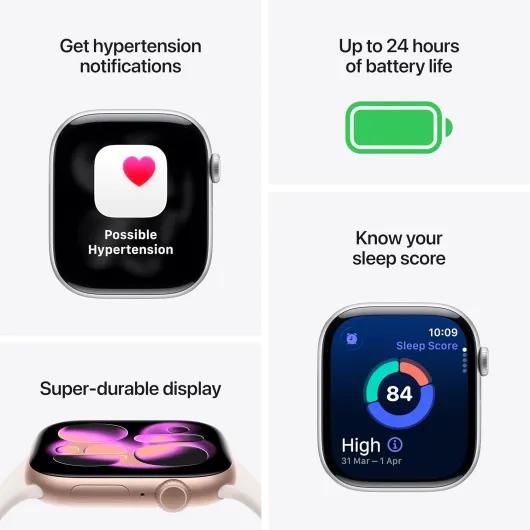
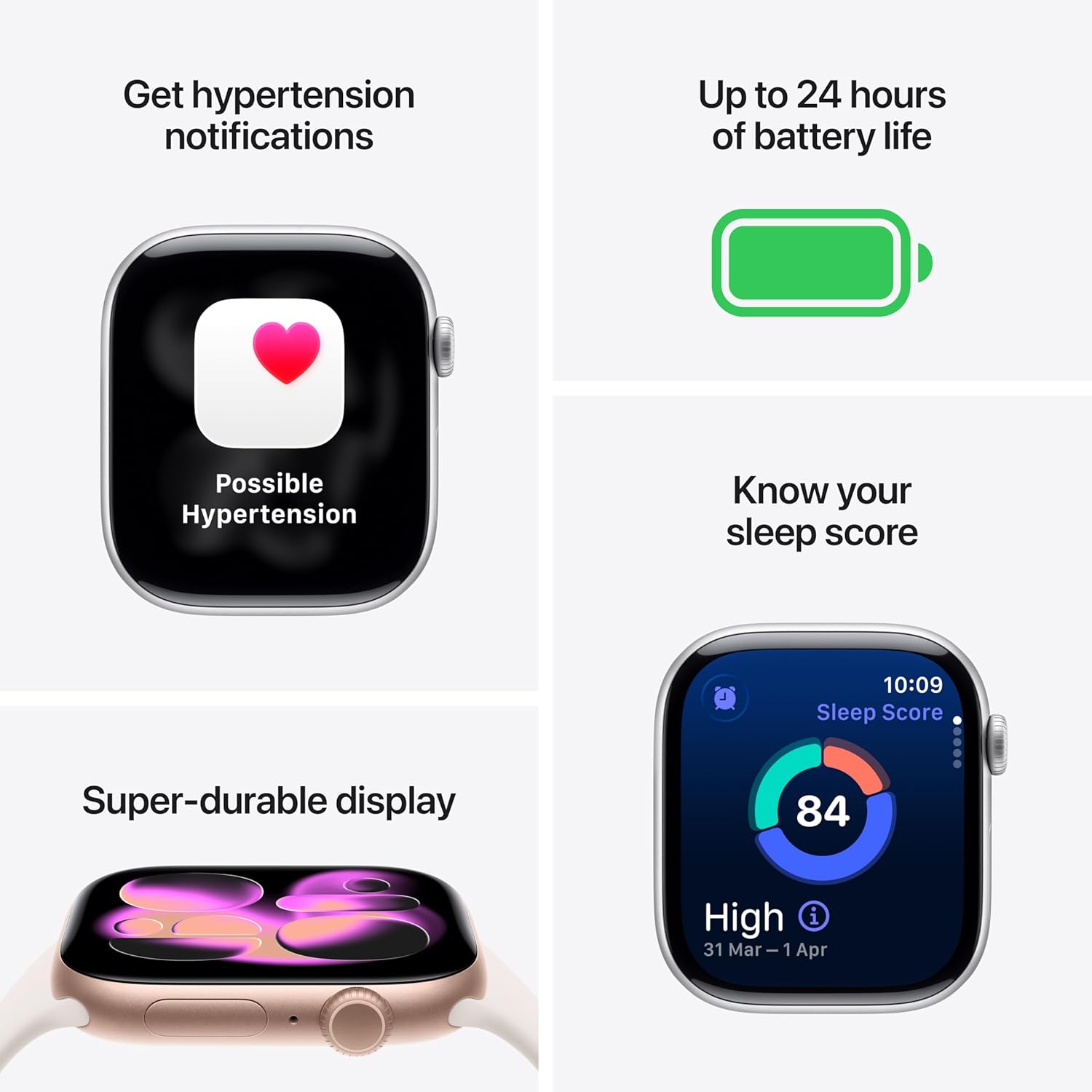
Among wrist based devices, Apple Watch stands out for people who want strong health features with a polished app ecosystem. Recent Apple Watch models track sleep duration, estimated sleep stages and overnight heart rate, while optional blood oxygen readings add another layer of insight for some users. When you combine these metrics with heart rate variability trends, you get a nuanced picture of how stress, late meals or alcohol affect your sleep quality from night to night.
Other leading watches compete strongly on battery life, which matters if you want continuous sleep tracking without charging every day. Multi day devices let you wear the watch through the night and still have enough power for daytime workouts, heart rate monitoring and notifications, which is crucial for people who dislike constant charging. Many of these watches also integrate with third party sleep trackers in their app stores, letting you experiment with different visualisations of your sleep data and sleep stages.
For a curated overview of the best smartwatches with sleep tracking currently available, you can consult this detailed comparison of top smartwatches with sleep tracking. When evaluating each watch, look beyond marketing claims and focus on how comfortable it feels in bed, how intuitive the sleep app is and whether the device fits your broader health goals. A watch that encourages earlier bed times, steadier wake up hours and better awareness of your nightly patterns will serve you better than a feature packed device that stays on the nightstand.
Rings, pods and other sleep trackers beyond the wrist
Not everyone enjoys wearing a watch in bed, which is where rings and pods enter the conversation about the best sleep devices. The Oura Ring is the most prominent example of a ring based sleep tracker, offering detailed sleep stages, heart rate, blood oxygen estimates and heart rate variability in a discreet form factor. Because the ring sits on the finger rather than the wrist, some users find the pressure distribution more comfortable for all night wear and more compatible with different sleeping positions.
Under mattress or on mattress systems, often called a sleep pod or mattress pod, track sleep without anything on your body at all. These devices use pressure or ballistocardiography sensors to infer heart rate, breathing rate and movement through the mattress, then translate that into nightly sleep data and sleep stage estimates. When paired with a high quality bed and the best mattress for your body type, a sleep pod can create a comprehensive sleep environment that supports both comfort and objective sleep tracking.
Some people even combine a watch, a ring and a sleep pod to cross check sleep trackers and refine their understanding of sleep quality. While this level of redundancy is not necessary for most, comparing how a watch and Oura Ring classify the same night can highlight the strengths and limits of each tracker. Whatever combination you choose, prioritise devices that present full bio style summaries, clear trends and practical suggestions rather than overwhelming you with raw data.
From raw sleep data to better nights and better days
Owning one of the best smartwatches with sleep tracking only matters if you translate sleep data into better habits. Start by reviewing your average bed time, total sleep duration and consistency across the week, then compare those numbers with how rested you feel during the day. If your watch or ring shows frequent awakenings, short deep sleep stages or elevated overnight heart rate, treat those patterns as prompts to adjust lifestyle factors rather than as abstract scores.
Many apps now provide coaching based on heart rate variability, sleep stages and previous nights, suggesting earlier wind down routines or reduced late caffeine to improve sleep quality. When your tracker sleep trends show that a calmer evening leads to lower heart rate and longer deep sleep, the feedback loop becomes tangible and motivating. Over time, you can test changes such as a different pillow, a darker room or even a new best mattress and then use your sleep tracker to see whether those changes genuinely improve quality sleep.
For active people, integrating sleep tracking with training metrics is especially powerful, because recovery depends heavily on sleep stage balance and heart rate patterns. A guide on what your running watch should actually be tracking during half marathon training at this dedicated resource shows how sleep and performance data intersect. When your devices reveal that hard intervals on days after poor sleep raise your resting heart rate and reduce heart rate variability, you gain objective reasons to prioritise rest and protect long term health.
How to choose the right sleep tracker for your lifestyle
Selecting the best sleep tracker for you means balancing comfort, features and ecosystem. If you already use Apple devices heavily, an Apple Watch with sleep features may integrate most smoothly with your existing apps and health records. People who dislike screens in bed or want longer battery life often gravitate toward Oura Ring or similar trackers that focus on sleep and recovery rather than constant notifications.
Think carefully about how you feel wearing a watch, ring or pod while you sleep, because discomfort in bed will undermine both sleep quality and tracking accuracy. Try on different devices during the day, paying attention to strap materials, ring sizing and how the sensors sit against your skin. Remember that a slightly bulkier watch with excellent battery life and robust health sensors may still be the best choice if you value all day heart rate, blood oxygen and activity tracking alongside nightly sleep data.
Finally, evaluate the app experience and how clearly it explains sleep stages, sleep quality and long term trends. Look for interfaces that translate complex metrics like heart rate variability into simple guidance, such as suggesting an earlier bed time after several nights of reduced deep sleep. The best smartwatches with sleep tracking, rings and pods all share one trait, which is the ability to turn raw tracker sleep numbers into understandable, actionable advice that supports your overall health journey.
Key statistics on sleep tracking and wearable devices
- Global shipments of wearable devices, including watches, rings and sleep trackers, surpassed 500 million units according to IDC, reflecting rapid adoption of health based technology.
- Studies comparing consumer sleep trackers with clinical polysomnography show that total sleep duration is often estimated within about 30 minutes on average, while individual sleep stages remain less precise but still useful for trend monitoring.
- Research published by the American Heart Association links short sleep duration and poor sleep quality with higher resting heart rate and increased cardiovascular risk, underscoring the value of continuous heart rate and sleep tracking.
- Surveys from major sleep foundations report that people who regularly review their sleep data are more likely to adjust bed times and reduce evening screen use, leading to measurable improvements in perceived sleep quality.
- Battery life remains a key barrier for some users, with many smartwatch owners reporting that multi day devices are significantly more likely to be worn in bed compared with models that require daily charging.
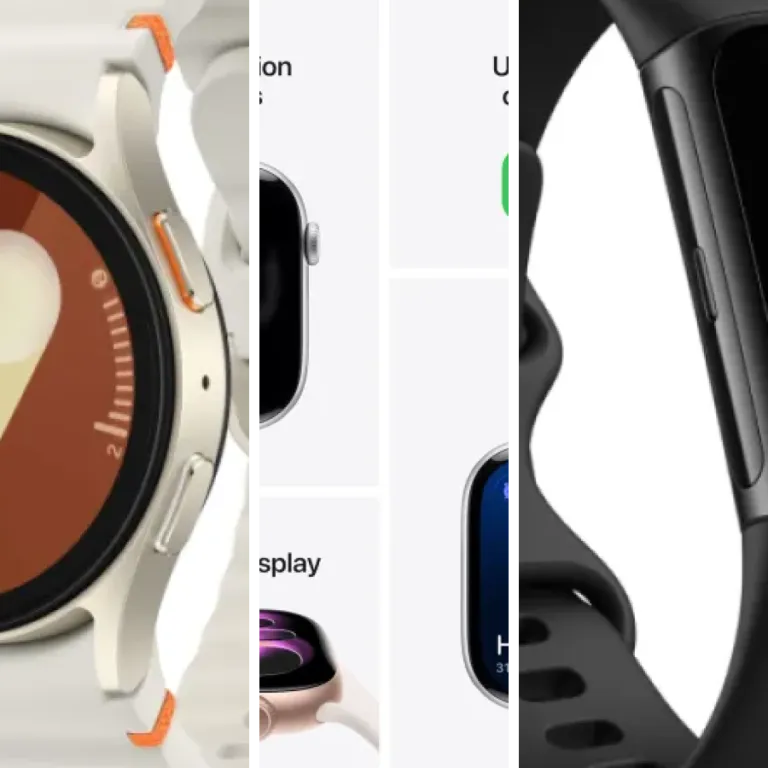

![Galaxy Watch 7 40mm Bluetooth AI Smartwatch w/Energy Score, Wellness Tips, Heart Rate Tracking, Sleep Monitor, Fitness Tracker, 2024, Cream [US Version, 1Yr Manufacturer Warranty] Cream 40mm Watch7 Only Bluetooth](https://www.smartwatch-guru.com/storage/574149/conversions/71SZNup1qrL._AC_SL1500_-medium.webp)
![Galaxy Watch 7 40mm Bluetooth AI Smartwatch w/Energy Score, Wellness Tips, Heart Rate Tracking, Sleep Monitor, Fitness Tracker, 2024, Cream [US Version, 1Yr Manufacturer Warranty] Cream 40mm Watch7 Only Bluetooth](https://www.smartwatch-guru.com/storage/574149/71SZNup1qrL._AC_SL1500_.jpg)