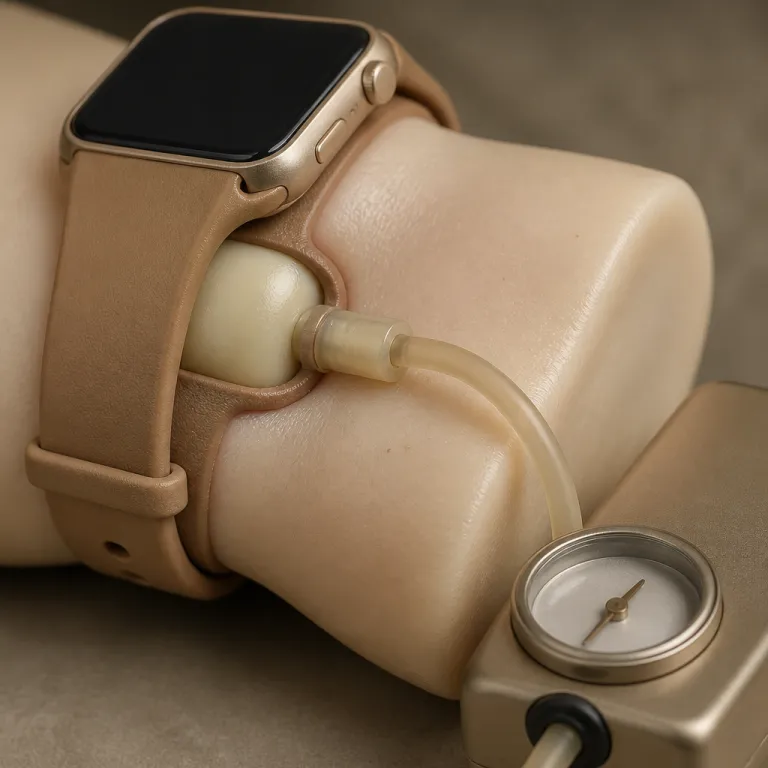
Smartwatch blood pressure monitoring in context
Smartwatch blood pressure monitoring 2026 sounds precise, but the reality is subtler. On your wrist, a smartwatch uses light to infer changes in blood volume, then software models to estimate how that relates to pressure inside your arteries. That means every watch, from an entry level pressure watch to a premium med watch, is really offering trends and alerts rather than replacing a calibrated pressure monitor.
When you read marketing about the best blood pressure features, remember that no mainstream smartwatch can directly monitor blood in the same way as a cuff that squeezes your arm. The watch sensors excel at continuous monitoring of heart rate, blood oxygen saturation and sleep stages, then combine those data streams with motion tracking to build a picture of overall health. This makes a smartwatch a powerful health companion, but not a stand alone device to monitor blood for diagnosis or medication changes.
For a health conscious buyer, the key is understanding what the readings actually mean before trusting any app notification. A smartwatch can flag patterns in heart rate and heart rate variability that suggest stress, poor sleep or possible hypertension risk, yet it still needs confirmation from a clinical pressure monitor. Think of smartwatch blood pressure monitoring 2026 as an early warning system that nudges you toward the doctor or a nurse, not as a silent doctor on your wrist making treatment decisions.
Apple Watch: hypertension notifications without numbers
Apple has taken a conservative but credible path with the latest Apple Watch models. Instead of pretending to measure exact blood pressure values, the watch uses long term heart rate and motion data to generate hypertension notifications when patterns suggest your pressure is often elevated. You never see systolic or diastolic numbers on the Apple Watch display, yet the system is cleared to alert you when the risk pattern is strong enough. In the United States, for example, the Apple Watch irregular rhythm notification feature has FDA De Novo clearance as a class II medical device (see FDA De Novo database entry DEN180042), and Apple reports in its heart study publications that its algorithms were trained and evaluated on data from hundreds of thousands of users across different ages and skin tones.
This approach matters for anyone who wants smartwatch blood pressure monitoring 2026 that respects medical limits. Apple has described in its clinical white papers and the Apple Heart Study (Stanford Medicine, New England Journal of Medicine, 2019) that it trains algorithms on large, diverse datasets so that hypertension related alerts work across different skin tones, ages and genders, then ties those alerts tightly to the Health app where you can share data with your doctor. In practice, the Apple Watch becomes a health monitor that quietly watches your heart rate, sleep and activity, then nudges you when the pattern of readings looks worrying rather than chasing single spot measurements.
For many people, that is the best balance between convenience and safety in a consumer watch. You still need a proper pressure monitor at home or at a clinic to confirm high blood pressure and to monitor blood pressure response to medication over time. If you want a hybrid style device with long battery life and strong heart tracking, you can also look at a dedicated ECG and oximeter focused model such as this hybrid smartwatch with ECG and blood oxygen tracking, which complements an Apple Watch or pressure watch rather than replacing medical pressure monitors.
Samsung Galaxy Watch: blood pressure trends and calibration
Samsung took a different route with the Samsung Galaxy Watch line, especially the latest Galaxy Watch and Watch Pro models. In supported regions, these watches offer blood pressure trending that estimates how your pressure changes over days, but only after you calibrate with a real cuff based pressure monitor. The watch uses optical sensors to track blood flow at the wrist, then anchors those readings to the cuff values you enter during calibration.
Calibration is not a one time task, because the relationship between wrist signals and true blood pressure drifts over time. Samsung recommends recalibrating every four weeks in its official documentation, and when people skip that step the pressure monitoring trends become less reliable and may under or over estimate actual pressure. If you rely on a Samsung Galaxy Watch for smartwatch blood pressure monitoring 2026 without regular calibration, you are really just watching heart rate and motion data dressed up as precise pressure readings.
In testing, wrist based readings can come close to auscultatory cuff measurements at rest, but accuracy drops during movement, stress or poor fit. Peer reviewed studies on Galaxy Watch style optical blood pressure estimation, such as Kim et al. in Scientific Reports (2020) and Chandrasekhar et al. in npj Digital Medicine (2018), often report mean errors in the range of about 5–10 mmHg under controlled conditions, which is acceptable for screening but not for medication titration. Anyone serious about heart health should pair a Galaxy Watch with a validated home pressure monitor (for example, an upper arm cuff listed on the STRIDE BP or British and Irish Hypertension Society validation lists) and use the watch for context, not for treatment decisions. For deeper insight into how wrist heart rate behaves under exercise and daily life, this guide on smartwatch heart rate accuracy and chest strap comparisons explains when to trust the watch and when to reach for a chest band instead.
What wrist readings really tell you about health
Every modern smartwatch, from an Apple Watch Ultra to a Samsung Galaxy Watch Pro, is essentially a multi sensor health monitor. Green and infrared LEDs track heart rate and heart rate variability, red light estimates blood oxygen, accelerometers follow movement and sleep, and algorithms fuse these data into stress and recovery scores. When brands add smartwatch blood pressure monitoring 2026 features, they are layering statistical models on top of the same raw signals rather than adding a tiny cuff inside the watch.
This is why you should treat any pressure watch or med watch as a context tool, not a stand alone diagnostic device. The readings can highlight nights of poor sleep, days of elevated heart rate and weeks where your average blood pressure trend creeps upward, but they cannot replace auscultatory measurements for diagnosing hypertension. A good practice is to log home cuff readings in the same health app where your watch stores heart, sleep and activity tracking data, so you and your doctor can see how lifestyle changes affect both sets of numbers.
Battery life and comfort also shape how useful these devices become for long term monitoring. A watch with weak battery that dies before morning will miss key sleep and heart rate events, while a comfortable band encourages you to wear it during naps and quiet evenings when subtle blood pressure changes appear. If you want to understand how recovery metrics like body battery or training readiness interpret heart and sleep data, this explainer on recovery metrics and body battery style scores shows how continuous tracking can guide everyday health decisions.
Choosing the right watch for heart and pressure awareness
For most people, the best smartwatch is the one that fits their life and makes consistent tracking effortless. If you live in the Apple ecosystem, an Apple Watch Series or Watch Ultra offers tight integration with the Health app, strong heart rate and blood oxygen sensors, and hypertension notifications that respect medical boundaries. Android users often gravitate toward Samsung Galaxy models, where the Galaxy Watch and Watch Pro combine solid heart tracking with optional blood pressure trends in supported regions.
Price and battery life should guide your final choice more than speculative sensor promises. A mid range pressure watch with three days of battery and reliable heart rate readings will support your health better than a premium med watch that needs daily charging and spends nights on the bedside table. Look for clear explanations of how the watch handles pressure monitoring, whether it requires regular calibration with a pressure monitor, and how easily you can export data for your doctor or a specialist.
Whatever you choose, remember that smartwatch blood pressure monitoring 2026 is about partnership, not replacement. The watch helps you monitor blood trends, spot patterns in heart rate and sleep, and stay engaged with your health between clinic visits. The cuff, the clinician and your own habits still carry the final word on managing blood pressure and long term cardiovascular risk.
Why non invasive glucose and future sensors still lag behind
Many headlines promise non invasive glucose tracking on a watch, yet no consumer smartwatch today offers clinically validated glucose monitoring without a sensor under the skin. Measuring blood pressure at the wrist is already hard, but estimating glucose through skin and tissue is an order of magnitude more complex. Light based sensors struggle to separate glucose signals from other components in blood and tissue, and small errors can have serious health consequences for people with diabetes.
For now, the most advanced watches focus on refining heart, blood oxygen and sleep tracking rather than chasing unproven glucose features. Apple and Samsung both invest heavily in research, but they still frame smartwatch blood pressure monitoring 2026 as a support tool that complements, not replaces, medical devices. That same philosophy will likely guide any future glucose features, where the watch might flag trends or risk patterns while a dedicated monitor blood device or continuous glucose monitor provides exact readings.
If you live with hypertension or diabetes, the safest strategy is to treat your smartwatch as a smart companion to your existing pressure monitors and glucose tools. Use the watch to track heart rate, sleep and activity, then bring those data to your doctor or a specialist who understands how lifestyle and medication interact. Technology will keep improving, but the most powerful change still comes from how you respond to what your watch quietly shows you every day.
FAQ
Can a smartwatch replace my home blood pressure cuff ?
No, a smartwatch cannot replace a validated home blood pressure cuff for diagnosis or medication decisions. Wrist based pressure monitoring relies on optical signals and models that are less accurate than auscultatory cuff measurements, especially during movement or stress. Use the watch for trends and alerts, and keep a cuff for precise readings.
How often should I calibrate a Galaxy Watch for blood pressure trends ?
Samsung recommends calibrating a compatible Galaxy Watch with a real pressure monitor roughly every four weeks. Skipping calibration makes the blood pressure trends less reliable, because the relationship between wrist signals and true pressure changes over time. Treat recalibration as part of your regular health routine if you rely on those trends.
Are smartwatch hypertension notifications safe to trust ?
Hypertension notifications on devices like the Apple Watch are designed as early warning tools, not diagnostic verdicts. They are based on long term patterns in heart rate and activity, and they have been evaluated for safety before release. When you receive a notification, schedule a proper blood pressure check with a cuff and discuss the results with a clinician.
What should hypertensive patients focus on when buying a smartwatch ?
People with hypertension should prioritise comfort, battery life and clear health data export over flashy sensor claims. A watch that you wear day and night will capture more meaningful heart rate, sleep and activity data to share with your doctor. Look for simple blood pressure monitoring explanations, easy pairing with a home cuff and strong support for your phone platform.
Can smartwatch data really help my doctor manage my treatment ?
Yes, smartwatch data can help clinicians understand how your heart rate, sleep and activity behave between visits, especially when combined with home cuff readings. Exporting or sharing those data through a secure health app gives your doctor a richer picture of your daily life. That context can support more tailored advice on medication timing, exercise and stress management.