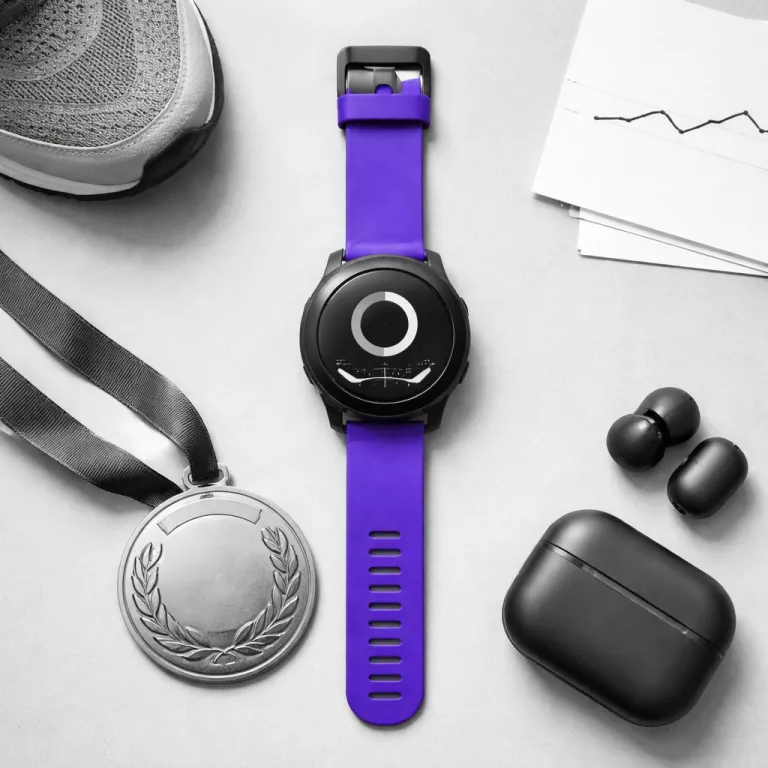
Why most runners need a simpler smartwatch for running
Most runners buy a smartwatch for running and end up drowning in metrics. Your watch throws VO2 Max, training readiness scores, pace predictors and recovery suggestions at you, while you just want to finish a half marathon feeling strong. The best running setup is brutally simple, and it starts by deciding which three numbers you will actually read every week.
For a 10 to 14 week half marathon plan, the three metrics that matter are weekly mileage trend, heart rate drift on long runs and resting heart rate on recovery days. Every other data point on even the most advanced running watches is either a rough estimate or a distraction from the real training work you do on the road. When you treat your running watch as a focused tool instead of a tiny sports lab, you finally see patterns that translate into better pacing and fewer injuries.
Whether you wear a Garmin Forerunner, an Apple Watch or a Coros Pace model, the principle is the same. You want a watch with reliable GPS, solid battery life and a clear display that shows only what matters during the run. The specific brand matters less than how you configure the watch and how consistently you read the same three signals over many days.
The three metrics that actually shape a half marathon cycle
Weekly mileage trend is the backbone of any serious training plan. Your smartwatch for running should make it effortless to read how many kilometres you logged this week compared with the last two weeks, because this rolling view protects you from sudden jumps that overload your legs. On Garmin, Coros and Amazfit watches, this usually lives in the training or history widgets, but you may need to pin it so it appears near the top of your menu.
Heart rate drift on long runs is the single best readiness signal most runners never use. Drift means that at the same easy pace, your heart rate climbs steadily after 60 to 90 minutes, which tells you about fatigue, heat stress and whether your aerobic base is holding up. A good running watch with accurate optical heart rate or a paired chest strap lets you compare early and late segments of the same run, so you can see if your body is coping with the training load.
Resting heart rate on recovery days is your quiet early warning system. When you wake up and your smartwatch for running shows a resting value 5 to 8 beats above your normal baseline for several days, you are either getting sick or stacking too much intensity. Before you obsess over VO2 Max or pace predictors, use that simple resting number to decide whether today should be an easy jog, a rest day or a shorter active recovery session.
For a deeper primer on how smartwatches fit into everyday health tracking beyond running, you can read an accessible guide to the world of smartwatches on this overview of smartwatch features and use cases. That broader context helps you separate genuinely useful training metrics from lifestyle extras that do not influence your half marathon result. Once you see that difference clearly, configuring your running watches becomes much less confusing.
During the run: the only three fields your watch screen needs
On the run itself, your smartwatch for running should show just pace, distance and current heart rate. Most watches default to four or more fields, adding lap pace, average pace, cadence, time of day and even training effect, which forces your eyes to hunt for the one number you actually need. A cleaner screen keeps your attention on the road and your breathing, not on decoding tiny fonts.
Set your primary running profile so the first data screen has three large fields stacked vertically. Put current pace at the top, distance in the middle and heart rate at the bottom, then move every other field to a second screen you rarely use. On a Garmin Forerunner, a Coros Pace or an Amazfit Active model, this takes two minutes in the settings but pays off for weeks of training runs.
Most runners also forget to adjust auto lap and auto pause, which can quietly ruin pacing data. For key long runs and race day, turn auto lap off so you control splits manually at kilometre markers, and disable auto pause so brief slowdowns in crowded sections do not distort your average pace. If you want a detailed look at how a colourful inch AMOLED display and modern training metrics behave in real life, you can read this in depth Forerunner test focused on running performance and see how a streamlined screen layout works on a mid range running watch.
Choosing the right smartwatch for running style and training load
Picking the best smartwatch for running is less about chasing the most features and more about matching your training style. If you run four days per week with one long run and a few easy sessions, you probably do not need a heavy multisport watch with offline maps and mountaineering modes. You need a light watch with reliable GPS, comfortable band GPS tracking and enough battery life to survive several hours of continuous running without anxiety.
Garmin Forerunner models remain a strong default choice for many runners, because they balance weight, training tools and price sensibly. The Garmin Forerunner line offers clear running focused screens, solid GPS accuracy and training load views that make it easy to track weekly mileage trends. Higher end Garmin Fenix watches add tougher cases, more offline maps and longer days battery performance, but they are heavier on the wrist and often overkill for road running.
Coros Pace watches, including the Coros Pace and Coros Pace Pro variants, lean hard into long battery life and simple interfaces. They suit runners who want to charge every several days, not every night, and who value hours of GPS tracking for long training blocks. Amazfit Active and Amazfit Active Max models push price down while still offering inch AMOLED screens, decent heart rate tracking and respectable days battery endurance, which can be attractive if you are testing whether a running watch fits your routine.
Apple Watch and Apple Watch Ultra devices sit at the other end of the spectrum. They offer rich apps, bright inch AMOLED displays and tight integration with your phone, but their battery life under continuous GPS running is shorter than many dedicated running watches. If you run most days and rely heavily on GPS and heart rate data, you will need to charge an Apple Watch more often than a Garmin Forerunner, a Coros Pace or an Amazfit Active Max.
Battery life, sensors and when to add a chest strap
Battery performance is not just a convenience metric for a smartwatch for running, it shapes how you train. A watch that barely lasts a few hours of GPS use pushes you to ration long runs or disable features like always on inch AMOLED displays, while a device with several days battery life lets you track sleep, resting heart rate and daily activity without constant charging. When you compare price and features, always ask how many hours of full GPS and heart rate tracking you get, not just how many days the watch lasts as a passive timepiece.
Garmin Fenix and Garmin Forerunner models, Coros Pace and Coros Cheetah Pro watches and Amazfit Active Max or Amazfit Active devices all advertise long battery life, but real results depend on your settings. High brightness, dual band GPS, offline maps and continuous SpO2 tracking can cut stated days battery figures in half, especially on lighter watches with smaller batteries. Apple Watch and Apple Watch Ultra models drain faster under heavy GPS and heart rate use, although the Ultra narrows the gap with more efficient band GPS modes and a larger battery.
Optical heart rate sensors on the wrist have improved, yet they still lag during intervals and hill repeats. For the three or four long runs that define your half marathon cycle, pairing a simple chest strap to your running watch gives you cleaner heart rate drift data and more reliable training zones. If you want to read full analyses of how different watches handle HRV, sleep and recovery, you can follow broader wearable research such as work on whether smart rings can signal early body changes, for example in this detailed exploration of early physiological signals tracked by wearables, which shows how nuanced sensor data interpretation can be.
What to ignore on your watch and how to handle taper and race day
Most modern running watches bombard you with VO2 Max estimates, training readiness scores, race time predictions and colourful training effect charts. These composite numbers are built from noisy inputs like wrist heart rate, imperfect GPS pace and generic models of runners, so they often swing wildly from one hard session to the next. Treat them as background colour, not as commands about whether you are allowed to run today.
During taper week, your smartwatch for running will often complain that your training load is dropping and your fitness is declining. That is exactly what should happen as you cut mileage and let fatigue fall, so resist the urge to chase the watch back to a green or productive status. Instead, keep your eye on resting heart rate staying stable, long run heart rate drift improving and legs feeling fresher on short easy runs.
On race day, simplify everything. Turn off auto pause so brief slowdowns at aid stations or crowded corners do not distort your average pace, and consider disabling unnecessary alerts so your watch does not buzz every kilometre. Set one main screen with current pace, distance and heart rate, then trust the training you have done over many days rather than chasing a predicted finish time that your watch generated from noisy data.
FAQ
Which smartwatch for running is best for a first half marathon?
For a first half marathon, a mid range Garmin Forerunner, a Coros Pace or an Amazfit Active offers the best balance of price, battery life and running focused features. These watches provide reliable GPS, clear pace and distance fields and simple weekly mileage views without overwhelming you with complex training readiness scores. Apple Watch models can work too, but you will need to manage battery carefully on long training days.
How many hours of GPS battery life do I really need?
Most runners training for a half marathon should look for at least 8 to 10 hours of continuous GPS and heart rate tracking. That covers your longest long runs with a safety margin and still leaves battery for daily activity and sleep tracking between charges. Ultra distance runners or hikers will benefit from watches like Garmin Fenix, Coros Cheetah Pro or Apple Watch Ultra, which offer longer GPS endurance in power saving modes.
Is a chest strap necessary if my watch has good heart rate sensors?
A modern running watch with a good optical heart rate sensor is usually accurate enough for easy runs and general training. A chest strap becomes valuable for interval sessions, hill repeats and the three or four key long runs where you want precise heart rate drift data and clean training zones. Pairing a simple strap to a Garmin Forerunner, Coros Pace, Amazfit Active or Apple Watch gives you the best of both worlds without changing your daily routine.
Should I trust VO2 Max and race predictions on my running watch?
VO2 Max estimates and race predictions on running watches are rough models, not precise forecasts. They can show long term trends in fitness, but they react strongly to short term changes in training, sleep and even watch firmware updates. For pacing a half marathon, rely on recent long run pace, heart rate drift and how you feel, rather than chasing a predicted finish time on your wrist.
How often should I charge a smartwatch for running during a training block?
Charging frequency depends on battery size, GPS usage and display settings. Many Garmin Forerunner, Coros Pace and Amazfit Active models can handle several days of mixed use with a few hours of GPS running before needing a charge, while Apple Watch devices often require daily or near daily charging under similar conditions. Aim for a routine where you charge at predictable times, such as after a long run or during a shower, so the watch is always ready for key workouts.