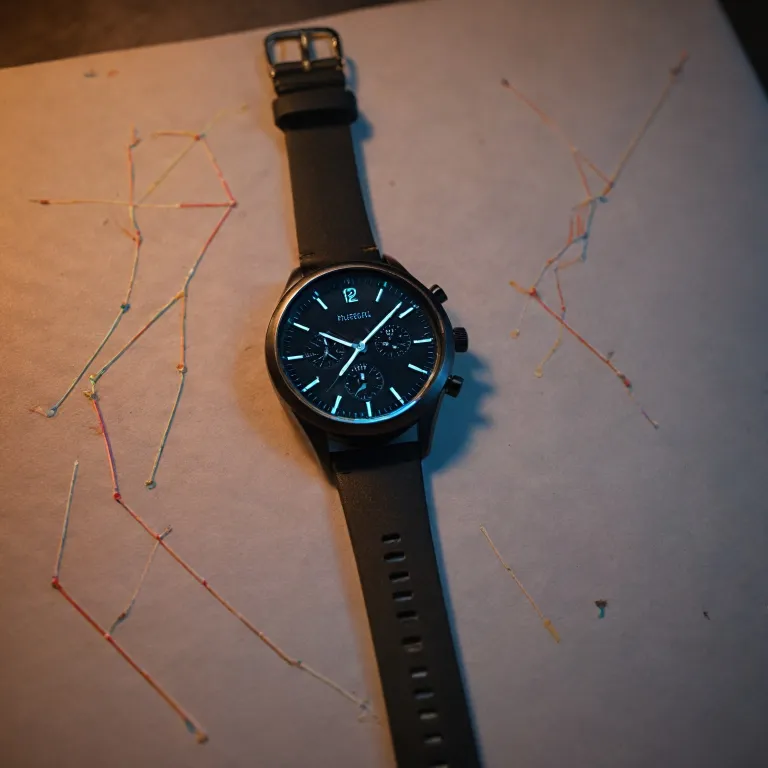
How smartwatches monitor your sleep
How your wearable collects sleep information
When you wear a smartwatch or sleep tracker on your wrist at night, it uses a combination of sensors to monitor your sleep patterns. Most smartwatches rely on a mix of accelerometers, heart rate sensors, and sometimes even blood oxygen monitors to gather data while you are asleep. These sensors track your movement, heart rate, and sometimes your blood oxygen levels to estimate when you fall asleep, how long you stay asleep, and the quality of your sleep cycle.
- Movement sensors: Detect when you are still or restless, helping to determine when you are likely asleep or awake.
- Heart rate monitoring: Measures changes in your heart rate, which can indicate different sleep stages like light sleep, deep sleep, and REM sleep.
- Blood oxygen sensors: Some advanced smartwatches use these to help identify issues like sleep apnea or to provide more detailed sleep stage tracking.
The data collected by your wearable is processed by algorithms designed to estimate your sleep stages and overall sleep quality. While smartwatches can't measure brain activity directly like medical-grade sleep studies, they provide a practical and accessible way to track sleep patterns and identify trends over time. For more details on how a popular device approaches sleep tracking, you can read about the Apple Watch sleep tracker.
Understanding how your watch collects and interprets sleep data is the first step to making the most of your sleep tracker. In the next sections, we'll explore how movement and heart rate data are used to estimate your sleep stages and what these stages can reveal about your health and sleep quality.
The role of movement and heart rate in sleep tracking
How Your Movements and Heart Rate Reveal Sleep Patterns
When you wear a smartwatch or sleep tracker on your wrist, it constantly collects data about your body’s activity. Two of the most important signals it monitors for sleep tracking are your movement and heart rate. These measurements help the device estimate when you fall asleep, how long you stay asleep, and the different stages of your sleep cycle.
- Movement: Most smartwatches use built-in accelerometers to detect even small movements. When you’re lying still for a period of time, the watch assumes you’re asleep. If you toss and turn, the tracker may interpret this as lighter sleep or brief awakenings. Some wearables also use gyroscopes to improve accuracy, especially in distinguishing between being awake and asleep.
- Heart Rate: Your heart rate changes throughout the night. During deep sleep, your heart rate typically drops, while REM sleep can cause more variability. By tracking these changes, smartwatches can estimate which sleep stage you’re in. Some advanced devices also measure heart rate variability (HRV), which provides more insight into your sleep quality and stress levels.
Combining movement and heart rate data allows smartwatches to create a more complete picture of your sleep patterns. For example, a sudden increase in movement and heart rate might indicate you’ve woken up or entered a lighter sleep stage. On the other hand, long periods of stillness and a steady, lower heart rate often signal deep sleep.
Some watches also track additional signals, like blood oxygen levels, to help identify potential issues such as sleep apnea. However, it’s important to remember that while these wearables provide valuable insights, they don’t measure brain activity directly. This means they estimate your sleep stages based on physical signals, not the actual brain waves that define each stage.
Understanding how your smartwatch interprets movement and heart rate can help you make sense of your sleep data. This knowledge is key to using your sleep tracker effectively and improving your sleep quality over time.
Understanding sleep stages through smartwatch data
How your watch interprets sleep cycles
When you wear a smartwatch or sleep tracker on your wrist at night, it collects a range of data to estimate your sleep stages. The main focus is on tracking movement and heart rate, but some advanced watches also monitor blood oxygen levels. By analyzing these signals, the device tries to map out your sleep cycle, including light sleep, deep sleep, and REM sleep.
- Light sleep: During this stage, your body starts to relax but you can still be easily awakened. Smartwatches detect this by noticing subtle changes in movement and a slight drop in heart rate.
- Deep sleep: This is the restorative stage when your body repairs itself. Your heart rate drops further, and movement is minimal. Trackers look for these patterns to identify deep sleep periods.
- REM sleep: This stage is linked to dreaming and brain activity. Your heart rate may become irregular, and your body is mostly still. Watches use these clues, along with movement data, to estimate REM sleep.
Most sleep trackers use algorithms to interpret the collected data and assign each period of the night to a specific sleep stage. However, it’s important to note that smartwatches do not directly measure brain activity, which is the gold standard for identifying sleep stages in a clinical setting. Instead, they rely on indirect signals from your body, such as heart rate and movement, to make their best estimate.
Some wearables also try to detect potential sleep disorders, like sleep apnea, by monitoring blood oxygen levels and irregular breathing patterns. While these features can provide useful insights, they are not a substitute for professional medical evaluation.
If you want to dive deeper into how wearable technology is transforming health monitoring, check out this article on how smart bracelets are changing the way we monitor our health.
Accuracy and limitations of sleep tracking technology
What Influences the Precision of Sleep Tracking?
Smartwatches and wearable sleep trackers have come a long way in monitoring sleep patterns, but it’s important to understand their accuracy and where they may fall short. These devices rely on sensors that track movement, heart rate, and sometimes blood oxygen levels to estimate when you’re asleep, what sleep stage you’re in, and how long you spend in each stage. However, the technology is not perfect.
- Sensor Limitations: Most smartwatches use accelerometers to detect movement and optical sensors to monitor heart rate. While these can indicate when you’re likely asleep or awake, they can’t directly measure brain activity, which is the gold standard for identifying sleep stages like REM sleep or deep sleep.
- Estimating Sleep Stages: Watches estimate sleep stages such as light sleep, deep sleep, and REM sleep based on patterns in your heart rate and movement. However, without EEG data (which measures brain waves), these estimates can sometimes be off, especially if you’re lying still but awake, or moving during sleep.
- External Factors: Wearing your smartwatch too loosely or having tattoos on your wrist can affect the accuracy of heart rate and blood oxygen readings. Environmental factors like room temperature or even the type of mattress you use can also influence how well your tracker detects movement.
- Individual Differences: Everyone’s sleep patterns and physiology are unique. Some people naturally move more during sleep, while others have irregular heart rates. This can lead to discrepancies in how accurately your device tracks your sleep cycle and stages.
Comparing Sleep Trackers to Medical Devices
While sleep trackers are helpful for spotting trends in your sleep quality and duration, they are not a replacement for clinical sleep studies. Medical-grade devices use multiple sensors to monitor brain activity, eye movement, and muscle tone, providing a much more detailed picture of your sleep stages and potential issues like sleep apnea. Smartwatches and wearables, on the other hand, offer a convenient way to track sleep over time, but their data should be interpreted as estimates rather than precise measurements.
How to Interpret Your Sleep Data
It’s best to use your smartwatch’s sleep data to observe general patterns rather than focusing on exact numbers. For example, if your tracker consistently shows you’re not getting enough deep sleep or your sleep quality is declining, it may be worth discussing with a healthcare professional. Remember, these devices are most useful for tracking changes and trends in your sleep cycle, rather than diagnosing specific sleep disorders.
How to get the most reliable sleep data from your smartwatch
Tips for Improving the Reliability of Your Sleep Data
Getting the most accurate sleep data from your smartwatch or wearable tracker requires more than just wearing it to bed. While these devices use heart rate, movement, and sometimes blood oxygen levels to track your sleep stages, a few simple habits can help you get better results.
- Wear your watch correctly: Make sure your smartwatch or tracker fits snugly on your wrist, especially during sleep. A loose fit can cause inaccurate readings of heart rate and movement, which are key for tracking sleep stages like deep sleep, REM sleep, and light sleep.
- Keep your device charged: Low battery can interrupt sleep tracking or cause your device to miss parts of your sleep cycle. Charge your wearable before bedtime to ensure it records the entire night.
- Enable sleep mode: Many smartwatches and sleep trackers have a dedicated sleep mode. Activating this feature can help the device focus on tracking sleep patterns and reduce distractions from notifications.
- Update your device regularly: Manufacturers often release software updates that improve sleep tracking algorithms. Keeping your smartwatch or tracker up to date ensures you benefit from the latest improvements in sleep stage detection and data accuracy.
- Set a consistent bedtime: Going to bed and waking up at the same time each day helps your device learn your sleep patterns and track your sleep cycle more reliably. Consistency also improves your overall sleep quality.
- Consider environmental factors: Factors like room temperature, light, and noise can affect both your sleep and the data collected by your sleep tracker. Try to create a comfortable, dark, and quiet sleeping environment for the most accurate results.
Understanding Device Limitations
Even with the best practices, it’s important to remember that smartwatches and sleep trackers estimate sleep stages based on wrist movement, heart rate, and sometimes blood oxygen—not direct brain activity. This means they can sometimes misclassify sleep stages or miss brief awakenings. For those with sleep disorders like sleep apnea, wearable trackers can provide useful trends but may not replace medical-grade sleep studies.
By following these tips, you can help your smartwatch or wearable tracker provide more reliable sleep data, giving you better insights into your sleep quality and overall health.
What your sleep data can tell you about your health
What Your Sleep Data Reveals About Your Wellbeing
When you use a smartwatch or wearable tracker to monitor your sleep, the data collected can offer valuable insights into your overall health. By analyzing patterns such as how long you spend in each sleep stage—light sleep, deep sleep, and REM sleep—your watch helps you understand your sleep quality and how it changes over time. This information goes beyond just knowing how many hours you were asleep; it can highlight trends and potential issues that may affect your wellbeing.
- Sleep duration and consistency: Regularly tracking your time asleep can show if you’re getting enough rest each night. Consistent sleep patterns are linked to better mood, cognitive function, and heart health.
- Sleep stages: Watches use heart rate and movement data to estimate how much time you spend in each stage. Spending enough time in deep sleep and REM sleep is important for memory, recovery, and brain activity.
- Sleep interruptions: Frequent awakenings or restless periods detected by your tracker may signal stress, lifestyle factors, or even sleep disorders like sleep apnea.
- Heart rate and blood oxygen: Many smartwatches now track heart rate and blood oxygen levels during sleep. Unusual patterns, such as drops in blood oxygen or irregular heart rate, could be early signs of health issues that may need medical attention.
By reviewing your sleep data over weeks or months, you can spot patterns that might otherwise go unnoticed. For example, if your tracker shows you rarely reach deep sleep, it could be a sign to adjust your bedtime routine or discuss your sleep quality with a healthcare professional. Similarly, tracking changes in your sleep cycle can help you understand how stress, exercise, or diet impact your rest.
It’s important to remember that while smartwatches and sleep trackers provide useful information, they are not a replacement for professional medical advice. If your data suggests possible sleep disorders or if you notice persistent issues, consulting a healthcare provider is the best step. Still, using a sleep tracker on your wrist can empower you to make informed decisions and sleep better over time.