Apple Watch and Samsung Galaxy Watch series for advanced health tracking
The Apple Watch with ECG set the tone for mainstream heart monitoring on the wrist. Current watch series models combine an electrical heart rate monitor, a bright black OLED display, and a blood oxygen sensor to give you layered health data in one compact smartwatch. When you hold the digital crown, the ECG feature records a single lead tracing that you can export as a PDF from the Health app and share with your doctor.
On the Android side, the Samsung Galaxy Watch line offers a strong alternative for people who prefer Google services and Samsung phones. A recent Samsung Galaxy watch with ECG and GPS can log outdoor runs, track heart rate in real time, and estimate blood oxygen saturation during sleep for health fitness insights. The Galaxy Watch app organizes these metrics into clear charts so you can learn how training load, recovery, and stress affect your heart health over weeks and months.
Both Apple Watch and Galaxy Watch smartwatches use Bluetooth to sync quickly, but they differ in design, price, and ecosystem lock in. Apple Watch models integrate tightly with iPhone, while Samsung Galaxy watches work best with Android phones and Samsung Health. For deeper analysis of heart rate variability trends beyond a standard fitness tracker, endurance runners often pair these watches with dedicated chest straps and follow peer reviewed research on heart rhythm accuracy from specialized platforms such as the detailed HRV comparison for runners published by Smartwatch Guru.
Withings, Fitbit Sense and other ECG focused fitness smartwatches
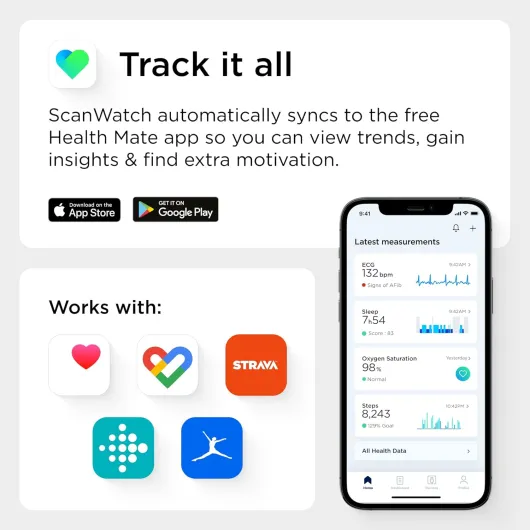
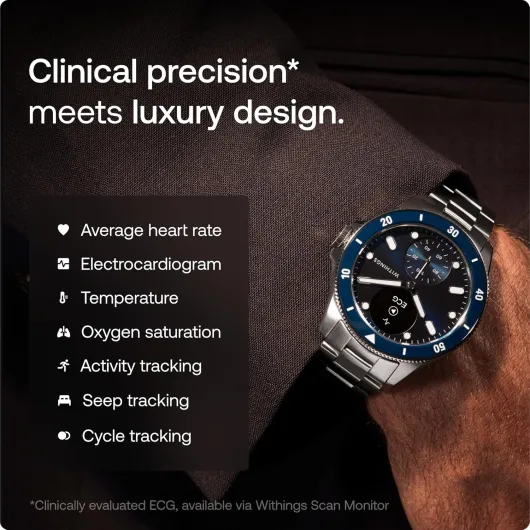
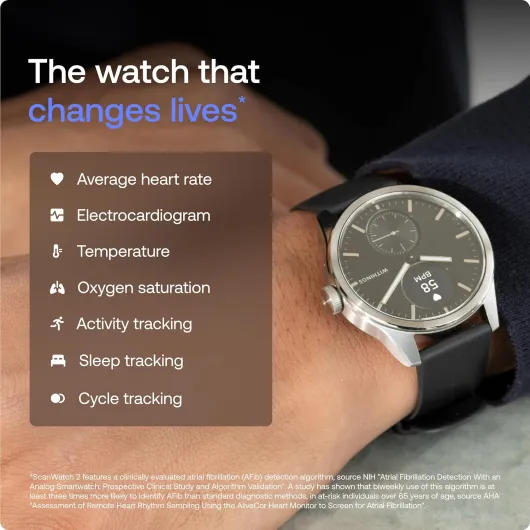
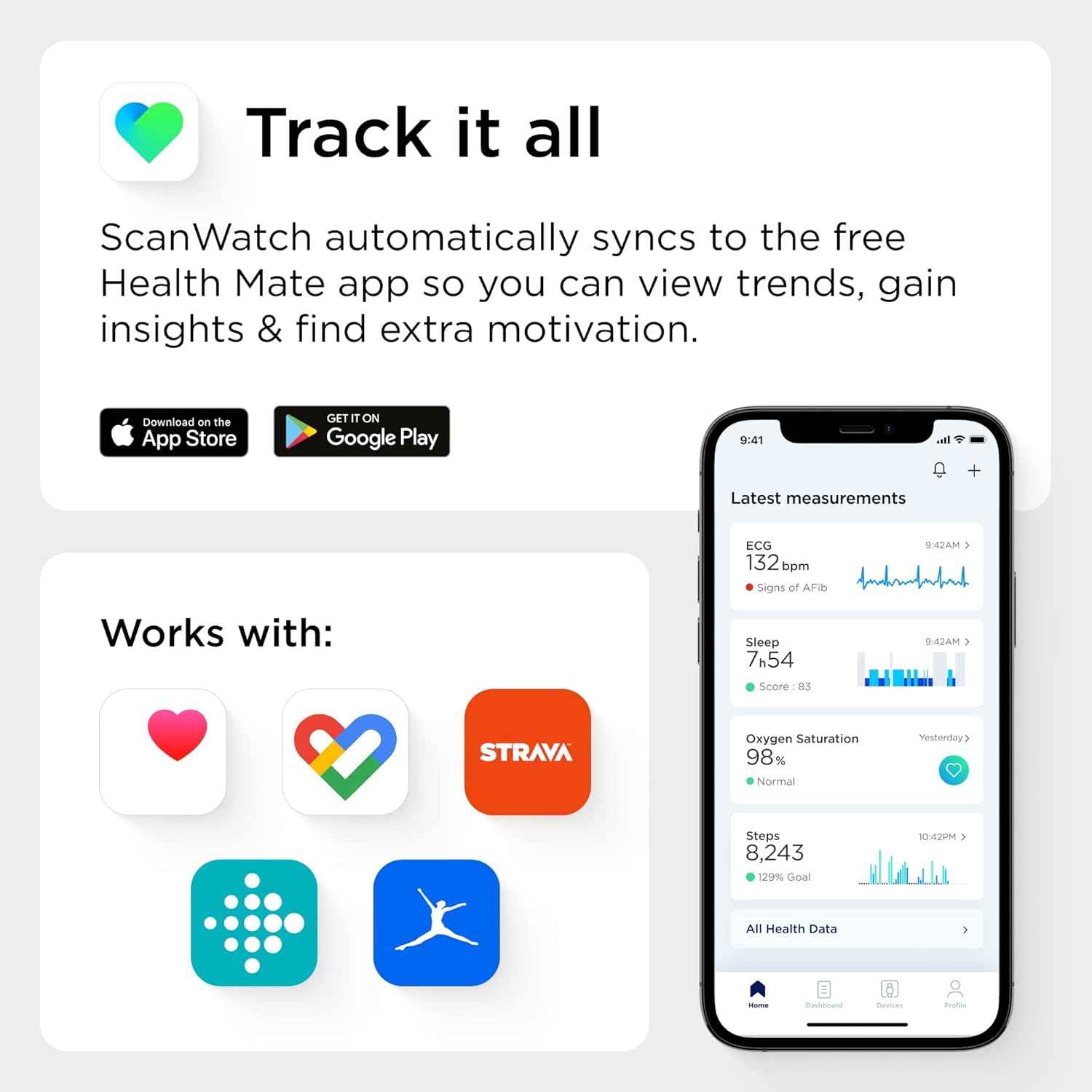
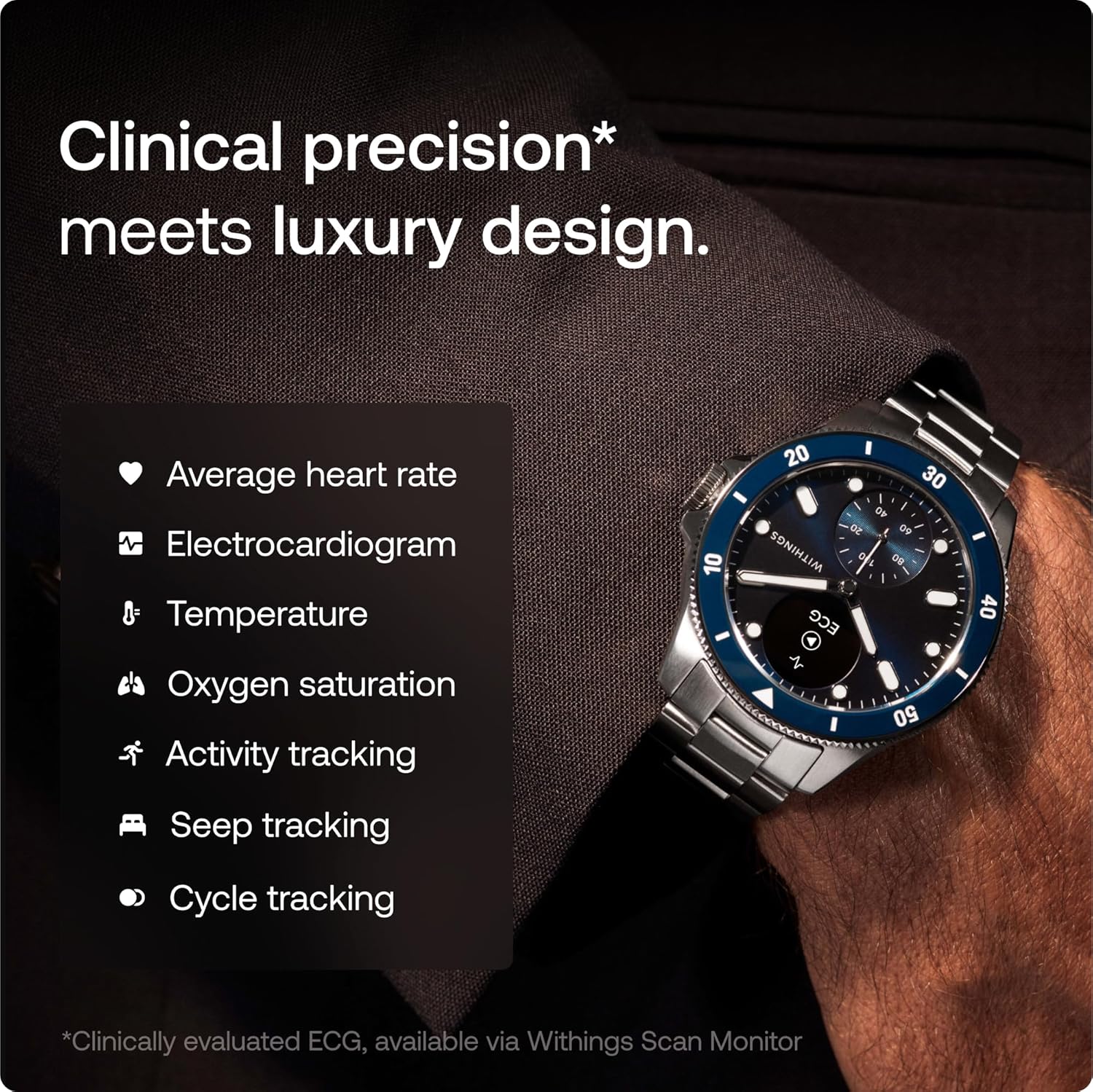
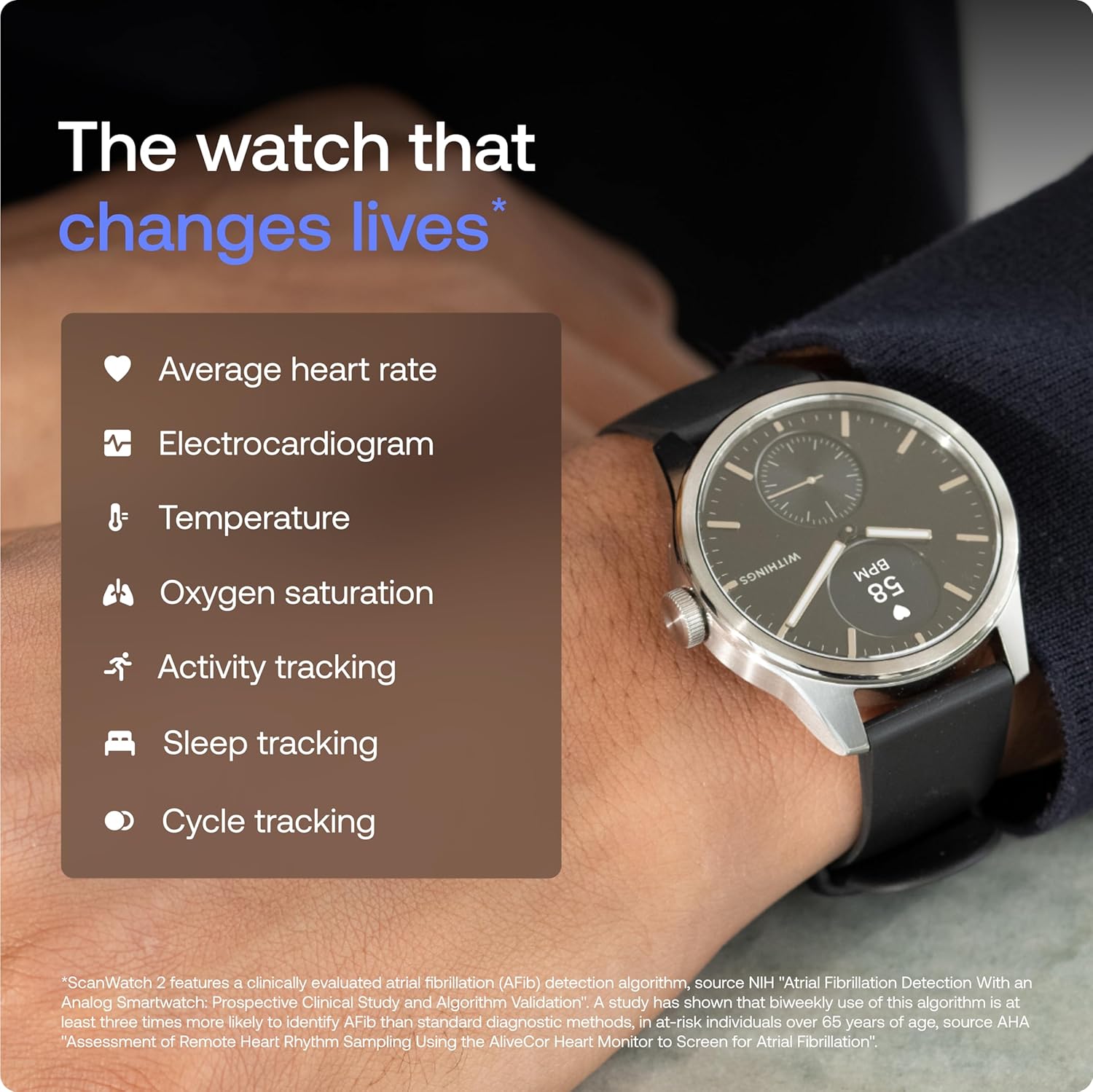
For people who prefer a more classic watch look, Withings offers hybrid smartwatches with ECG that resemble analog timepieces. A Withings smartwatch with a stainless steel case, subtle black dial, and hidden digital display can record an ECG, track heart rate, and estimate blood oxygen while still looking like a traditional watch. The Withings Health Mate app then turns these readings into long term health fitness trends, including resting heart rate and sleep quality.
Fitbit Sense and its successors target users who want stress tracking alongside heart health metrics. A Fitbit Sense smartwatch with ECG, GPS, and a skin temperature sensor can show how stress, exercise, and recovery interact, while its rate monitor keeps an eye on heart rate zones during workouts. Because the Fitbit app emphasizes coaching style guidance, it helps you learn how to adjust training intensity, bedtime routines, and breathing exercises to support advanced health goals.
Some athletes still prefer a separate chest strap rate monitor for interval training, then use an ECG smartwatch as a daily health companion. In that case, you can pair a Bluetooth heart rate strap to your preferred smart watch and let the watch handle GPS, smart notifications, and app integration. For a technical breakdown of how external sensors compare, Smartwatch Guru’s test of the HRM 600 M XL chest strap explains why pairing a strap with a fitness smartwatch can improve real time accuracy during sprints and high intensity intervals.
Design, comfort and materials for everyday ECG wear
Comfort matters because an ECG capable smartwatch only protects your heart health when you actually wear it. A well designed smart watch with a curved case, smooth stainless steel or aluminum edges, and a soft strap will sit flat on your wrist and keep the optical heart rate sensor stable. That stability improves real time readings for heart rate, blood oxygen, and stress metrics during daily activity.
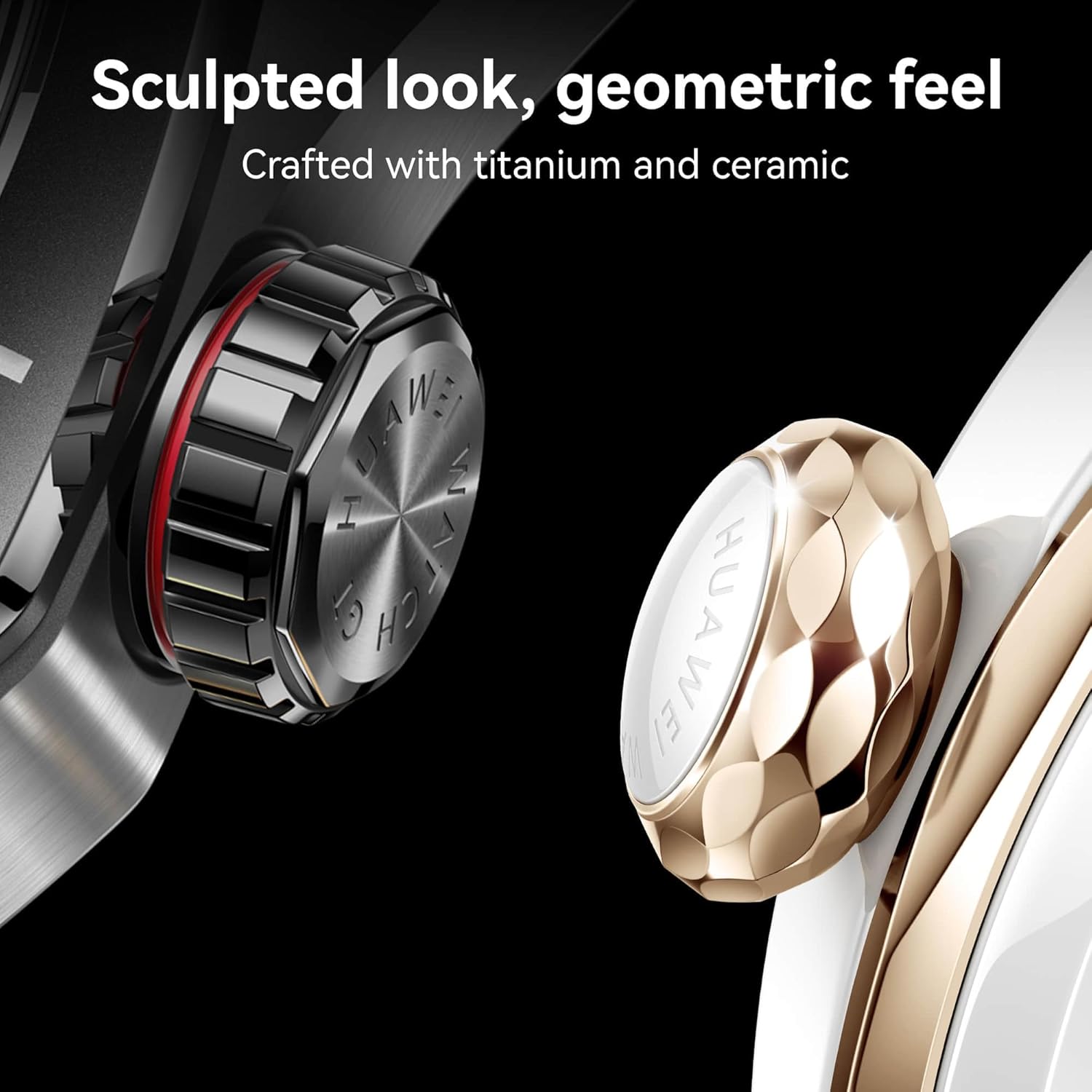
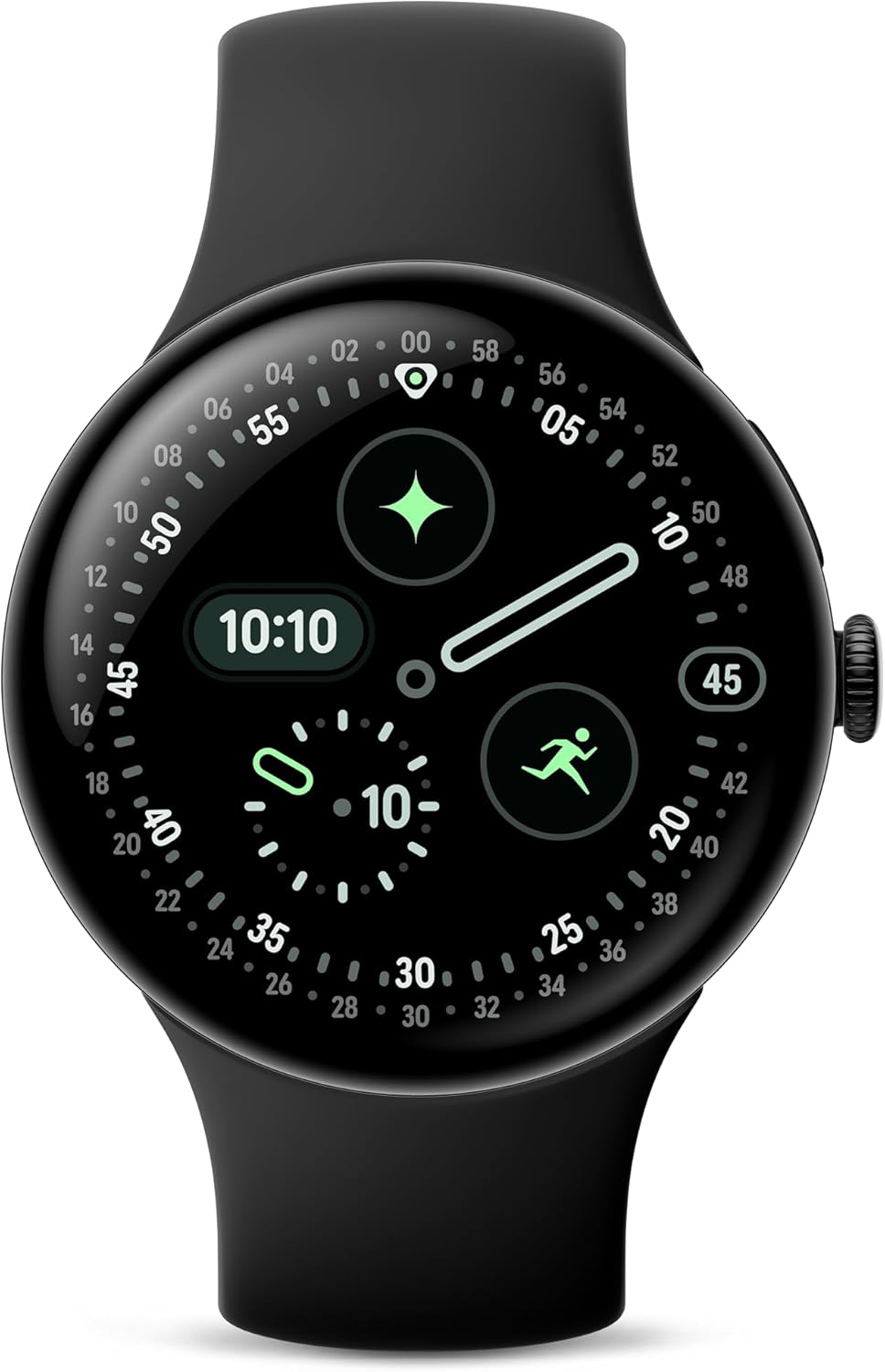
Color and finish also influence how often you reach for a device each morning. Many of the best smartwatches with ECG come in a versatile black finish, and choosing a smartwatch with black glass and a dark strap can make the product blend with both office wear and sports gear. If you prefer a dressier look, a polished stainless steel case with a leather band can turn a fitness tracker into a discreet health accessory that still supports advanced health features such as ECG and continuous rate monitor tracking.
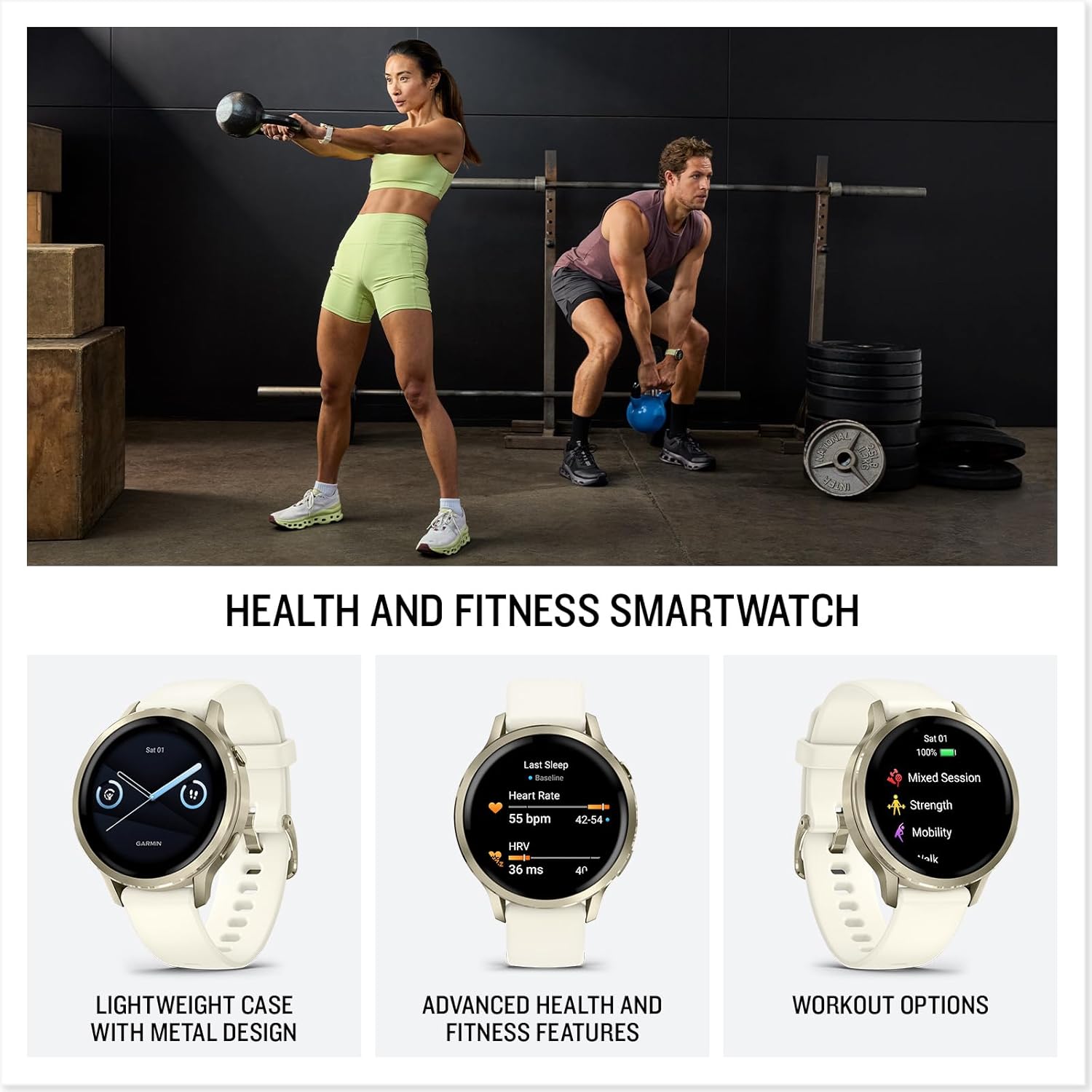
Weight and size affect sleep tracking, which is essential for long term heart health and recovery. A lighter fitness smartwatch is easier to wear overnight, so you capture heart rate, blood oxygen, and movement data without discomfort. When you compare smartwatches, check the case diameter in millimetres, the thickness, and the strap material, then balance those factors against battery life, GPS performance, and the clarity of the companion app.
Battery life, GPS accuracy and connectivity for health fitness data
Battery life determines how often your smartwatch with ECG can monitor your heart without interruption. If you choose a smart watch with multi day endurance, you are more likely to capture continuous heart rate, blood oxygen, and sleep data that reveal subtle health patterns. Some models trade a slimmer stainless steel case and bright black display for shorter battery life, so you must weigh style against uninterrupted monitoring.
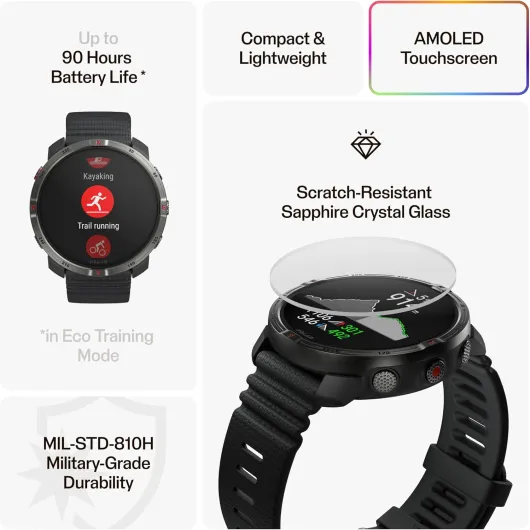
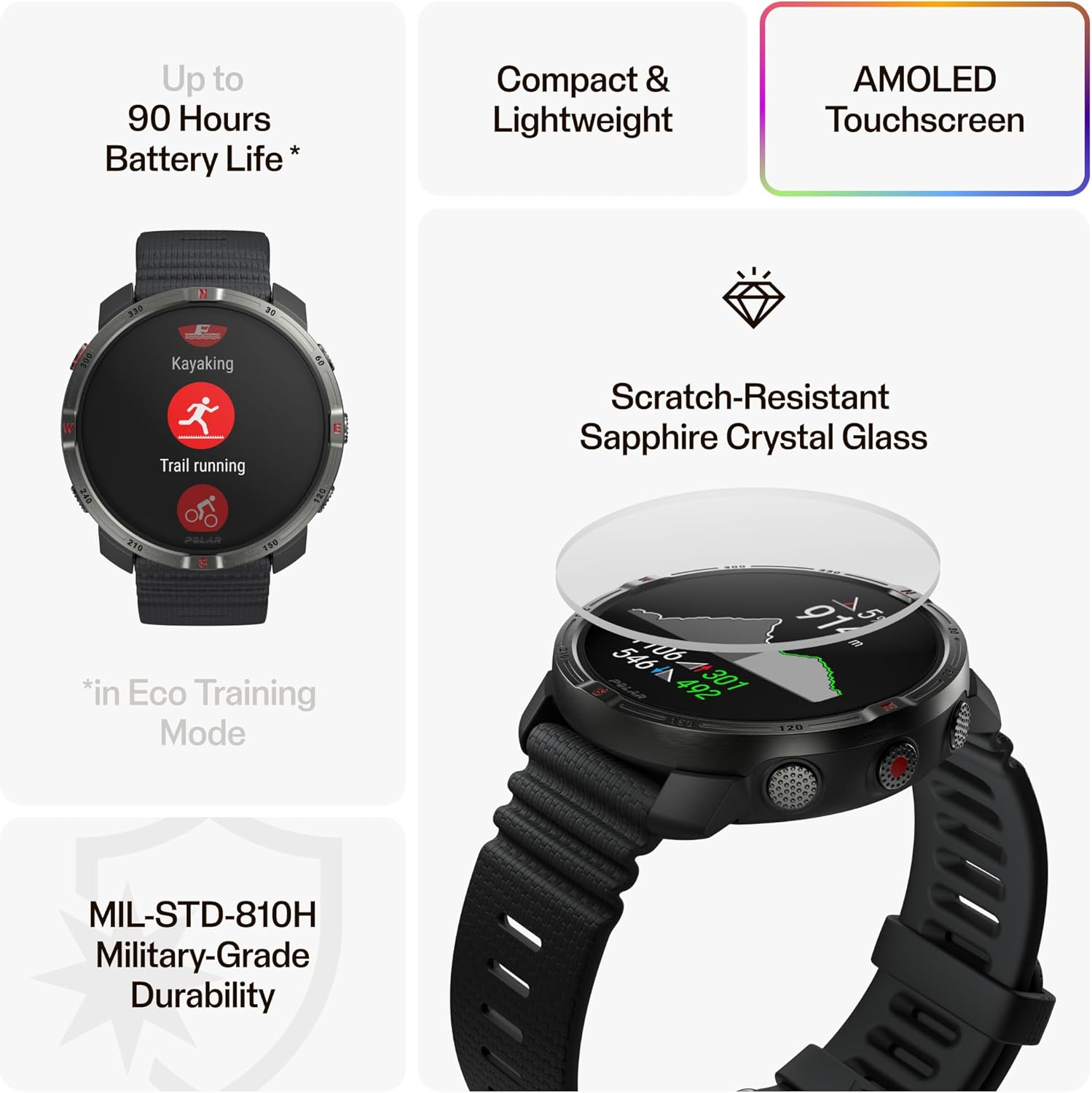
GPS performance matters whenever you use a fitness smartwatch for outdoor training. Accurate GPS tracks pace, distance, and elevation, which helps you learn how your heart responds to hills, intervals, and long runs at different rate zones. For athletes who want deep navigation tools alongside ECG and advanced health metrics, Smartwatch Guru’s in depth guide to the Garmin Fenix 7 Solar editions explains how premium multisport watches combine GPS, mapping, and health fitness tracking in one rugged product.
Connectivity features such as Bluetooth, Wi Fi, and optional cellular links make it easier to sync and share your health data. A stable Bluetooth connection ensures that your ECG recordings, heart rate trends, and blood oxygen readings move quickly from the watch to the app for secure storage. When you buy a new smartwatch, confirm that it supports your phone’s operating system, your preferred health app, and any third party fitness tracker platforms you already use.
How to compare price, value and safety before you buy
Price differences between ECG capable smartwatches can be significant, so you should focus on value rather than the lowest sticker. A premium apple watch or samsung galaxy watch series model may cost more upfront, but it often delivers better app support, longer software updates, and more reliable heart rate and blood oxygen tracking. Mid range options from Withings or Fitbit Sense can still offer a strong ECG feature set at a lower price, especially if you do not need advanced sports metrics.
When you compare smartwatches, look beyond marketing stars and examine independent test results, regulatory clearances, and privacy policies. An ECG smartwatch with clearance from health regulators for atrial fibrillation detection has passed specific accuracy checks, which adds trust to each real time reading. You should also learn how each product handles your heart health data, including whether the app encrypts ECG traces, heart rate logs, and GPS routes before storing them in the cloud.
Safety also means understanding what an ECG can and cannot tell you about your heart. If your smartwatch with ECG repeatedly flags irregular rhythms, the correct next step is to buy a consultation with a healthcare professional, not to panic or self medicate. Used wisely, the best smartwatches with ECG become early warning tools that complement regular checkups, structured exercise, and a balanced approach to overall health fitness.
Key statistics on ECG smartwatches and heart monitoring
- Apple reported that its irregular rhythm notification feature prompted around one third of alerted users to contact a physician, showing how ECG capable smartwatches can trigger earlier heart health evaluations compared with relying on symptoms alone.
- A large scale study of smartwatch ECG data published in a major medical journal found that algorithm based atrial fibrillation detection achieved a positive predictive value above 80 percent, which is high for a consumer device but still below hospital grade equipment.
- Surveys of wearable owners indicate that more than half of people who buy a fitness smartwatch or fitness tracker primarily want heart rate and health monitoring, while fewer than one third focus first on smart notifications or music control.
- Market research on wearables shows that ECG capable smartwatches now represent a growing share of premium watch sales, with double digit year over year growth as more brands add an ECG feature alongside blood oxygen and stress tracking.
- Battery life tests reveal that always on GPS and continuous heart rate monitoring can reduce runtime by more than 50 percent compared with basic watch mode, which is why many users adjust settings to balance real time data against charging frequency.