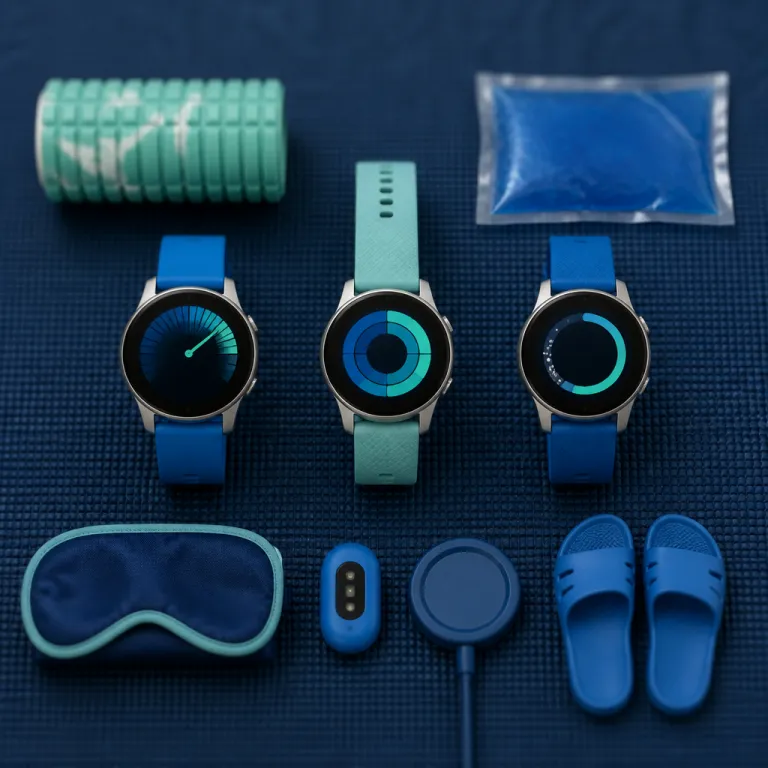
Why smartwatch recovery scores rarely agree with each other
Smartwatch recovery score accuracy sounds simple until you compare brands side by side. One watch says your recovery score is high after a short night of sleep, while another flags low recovery and warns that your body is still under stress. The same heart rate and sleep data can generate wildly different numbers because each company defines recovery, fitness readiness and stress levels in its own way.
Garmin’s Body Battery uses heart rate variability, all day stress tracking, previous training load and rate of recovery during sleep to estimate how much energy your body has left. Polar’s Nightly Recharge splits recovery sleep into an autonomic nervous system charge and a separate sleep charge, then merges both scores into a single daily recovery view for training decisions. Whoop’s recovery score focuses heavily on overnight hrv sleep readings, resting heart rate and respiratory rate, so a poor sleep night or elevated life stress can drop your daily recovery percentage even if your training volume was light.
Apple Watch handles recovery differently again, especially with the newer Vitals app that compares daily app data against your personal baseline for heart rate, rate variability and respiratory rate. Instead of one big recovery score, the Apple system nudges you when resting heart rate or hrv resting values drift, hinting that your body is not fully recovered or that stress levels are rising. This makes smartwatch recovery score accuracy feel fragmented across platforms, so you must learn how each watch interprets body adapting signals, low recovery warnings and fitness gains over time.
Body Battery versus Training Readiness on Garmin watches
On Garmin, Body Battery and Training Readiness sound similar but they answer different questions about recovery. Body Battery is a rolling estimate of how much energy your body has at any moment, while Training Readiness is a targeted recovery score that asks whether you should push hard in a workout today. Both rely on sleep data, hrv, heart rate and stress, yet they weigh each input differently across the day and night.
Body Battery rises when you rest, nap or enjoy a calm rate sleep period, and it falls with intense training, high life stress or even long days at a desk. Training Readiness waits for your first hrv sleep window to finish, then combines sleep quality, hrv resting status, recent training volume and acute fatigue into a single score for that day’s fitness session. If you wake with a high Body Battery but low Training Readiness, the watch is effectively saying your mind feels fresh but your muscles and nervous system are not fully recovered from previous efforts.
Smartwatch recovery score accuracy here depends on how well the watch captured resting heart rate, variability hrv and stress levels overnight. A noisy sensor fit, alcohol before bed or fragmented recovery sleep can trick the algorithms into thinking your body is more recovered or less recovered than it really is. When that happens, use your own sense of body adapting signals, such as heavy legs or elevated heart rate on easy runs, to override a misleading recovery score and adjust your training plan.
For readers comparing advanced health metrics like ECG with these recovery tools, a dedicated guide to top smartwatches with ECG features helps clarify which watches balance heart health tracking with reliable training readiness metrics. This matters because accurate heart rate and rate variability readings are the foundation of any trustworthy daily recovery system. Without solid sensor performance, even the smartest app cannot turn raw data into meaningful fitness gains or safe training decisions.
Why the HRV sleep window matters more than daytime readings
Heart rate variability is the quiet engine behind almost every modern recovery score. HRV measures the tiny changes in time between heartbeats, and higher variability hrv usually signals a relaxed, well recovered nervous system. For smartwatch recovery score accuracy, when and how your watch samples hrv matters as much as the number itself.
Most serious training watches now focus on hrv sleep windows, usually during deep sleep when your body is least disturbed by movement, caffeine or mental stress. Garmin, Polar, Whoop and Apple Watch all lean on this overnight hrv sleep data, because daytime readings are polluted by meetings, commuting, workouts and random life stress spikes. If your watch only sampled hrv during the day, a tense work call or a rushed commute could make your recovery score look worse than your true physiological state.
Night time sampling also pairs hrv with resting heart rate and rate sleep patterns, giving a fuller picture of how your body is adapting to training volume. When your resting heart climbs and hrv resting drops after several hard sessions, the watch flags low recovery or reduced daily recovery capacity. If you then add poor sleep on top, the algorithms see your body struggling to stay fully recovered, and they lower your readiness score to protect long term health and fitness gains.
Skin temperature trends add another layer to this overnight picture, especially for illness or hormonal shifts that heart rate alone can miss. A detailed explainer on skin temperature tracking on smartwatches shows how combining temperature, hrv and sleep data can refine recovery sleep assessments. When these signals move together, your watch is more likely to judge stress levels and recovery time accurately, rather than reacting to a single noisy metric.
Sleep tracking accuracy and its impact on recovery metrics
Every recovery score lives or dies on the quality of its sleep tracking. If your watch mislabels long wake periods as light sleep, it will overestimate recovery sleep and assume your body is more recovered than it feels. Smartwatch recovery score accuracy therefore depends heavily on how well the sensors and algorithms detect night time movement, breathing rate and heart rate changes.
Garmin, Apple Watch, Polar and Whoop all claim improved sleep staging, but they still disagree on total sleep time and deep sleep duration on the same night. When one app reports short sleep and another shows a full eight hours, your daily recovery guidance will diverge sharply the next day. This is why many athletes cross check app data against how they feel on waking, rather than blindly trusting a single recovery score or sleep stage chart.
If you routinely see poor sleep flagged after nights that felt fine, or the reverse, your watch may be misreading movement or heart rate signals. Loose straps, tattoos, very low resting heart rates or side sleeping can all confuse optical sensors and distort hrv sleep estimates. Before blaming your body for low recovery, check whether the watch is actually capturing clean data, and consider a resource on smartwatch sleep tracking accuracy to understand common failure modes.
Once you trust the sleep data, you can use it to shape training and rest days more confidently. Short nights with high life stress and elevated resting heart rate should trigger easier sessions or complete rest, even if your schedule says otherwise. Long, calm nights with stable rate variability and low stress levels are the green lights for harder workouts, bigger training volume and chasing new fitness gains.
When to follow your recovery score and when to override it
Recovery metrics are tools, not commandments, and knowing when to ignore them is part of training maturity. During a taper week before a race, your daily recovery score may stay high because training volume is low, yet your legs can feel flat and your mind restless. In this case, the watch sees good sleep, low stress and strong hrv resting values, but it cannot sense race nerves or pacing doubts.
Illness recovery is another blind spot, because many watches only react once resting heart rate and rate variability drift far from baseline. You might feel only half recovered after a virus, yet your app data shows normal hrv sleep and a decent recovery score because you slept long hours. Here, trust symptoms like lingering fatigue, heavy breathing on stairs or unusual body adapting soreness more than a green readiness badge.
Altitude acclimatization, heat waves and major life stress events also distort smartwatch recovery score accuracy. A move to a hotter climate or a stressful work project can raise stress levels and resting heart rate for weeks, making every day look like low recovery even as your body gradually adapts. In these phases, use the trend lines rather than single day scores, and adjust training based on how quickly you feel fully recovered between sessions.
For everyday training, let recovery metrics guide the broad rhythm of hard days, easy days and rest days, not every micro decision. If three mornings in a row show low recovery with poor sleep and high stress, back off and protect your health, even if your plan says intervals. When several weeks show stable daily recovery, strong sleep and steady heart rate patterns, you have earned the right to nudge training volume upward and chase new performance goals.
Practical ways to use recovery metrics in your weekly training
Turning smartwatch recovery score accuracy into better workouts means building simple rules you can follow. Start by pairing your highest intensity sessions with mornings when your recovery score, resting heart rate and hrv resting all look strong. On days when the watch shows low recovery or flags poor sleep, shift to easy runs, technique drills or complete rest instead of forcing another hard effort.
Use daily recovery trends to plan your week, not just your day. If two or three nights of short sleep and high stress levels stack up, treat the next 24 hours as a mini deload, even if your training volume target is not yet met. When your watch shows several mornings of fully recovered status, with stable rate variability and calm Body Battery readings, that is the window to schedule long runs, tempo rides or heavy strength sessions.
Remember that each brand’s recovery score, whether from Garmin, Apple Watch, Polar or Whoop, is calibrated differently. A 70 out of 100 on one watch might represent the same physiological state as a 40 on another, so avoid cross platform comparisons and focus on your own trends. Over time, you will learn what a “green” day feels like in your body, and the watch becomes a second opinion rather than the sole judge of your health and fitness readiness.
FAQ
How accurate are smartwatch recovery scores compared with lab testing ?
Recovery scores from watches correlate reasonably with lab measures like heart rate variability and resting heart rate, but they are less precise than controlled testing. Optical sensors, movement and inconsistent sleep can all introduce noise into the data. For most active people, the trend over weeks is more reliable than any single day score.
Can I compare recovery scores between different smartwatch brands ?
Recovery metrics from different brands are not directly comparable because each company uses its own scale and weighting. Garmin, Apple Watch, Polar and Whoop all combine sleep, hrv and stress differently. Focus on patterns within one ecosystem rather than trying to match numbers across devices.
Should I skip a workout if my watch shows low recovery ?
A low recovery score is a useful warning, not an automatic stop sign. If you also feel unusually tired, sore or stressed, shifting to an easy session or rest day is wise. When you feel fine despite a low score, consider doing a lighter workout and reassessing the next morning.
Why does my recovery score drop after a stressful workday without training ?
Most watches track stress levels through heart rate variability, so mental strain can look similar to physical load. A tense workday can reduce hrv and raise heart rate, lowering your recovery score even without exercise. This reflects real physiological stress, so plan training accordingly.
How long does it take for recovery metrics to adapt to my body ?
Many systems need several nights of consistent wear to establish your personal baseline. During this period, scores may swing more as the algorithms learn your typical sleep, hrv and heart rate patterns. After a few weeks, the metrics usually stabilize and become more useful for guiding training decisions.