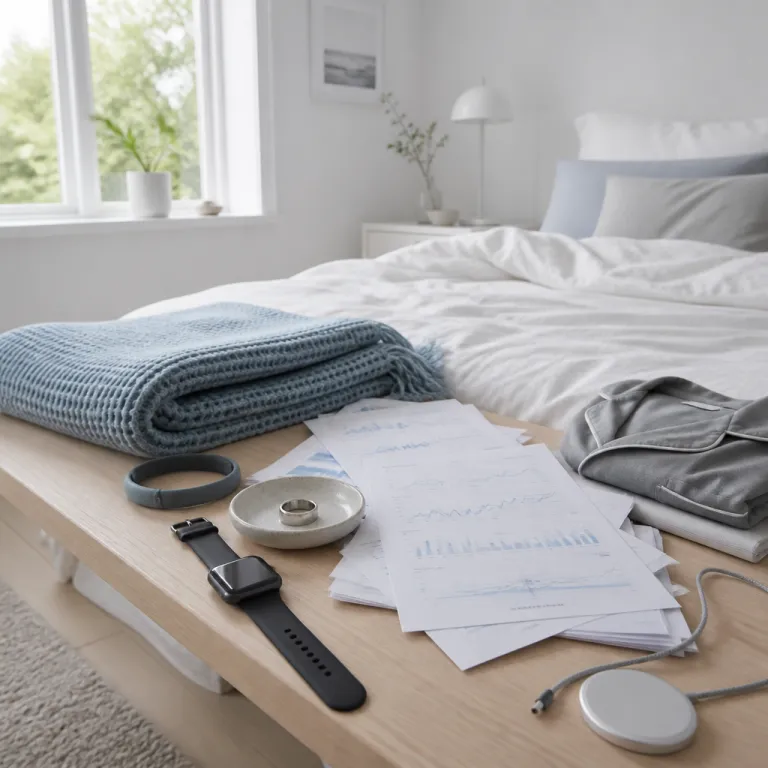
When smartwatch health anxiety monitoring turns vigilance into obsession
Smartwatch-based heart and stress tracking often begins as a promise of better health. For many patients using a modern wearable device, that promise quietly mutates into late night checking, spiraling worry and a constant search for reassurance about every tiny change in heart rate. The same wearable technology that should help you feel safer can end up training your brain to scan for danger all the time.
The anxiety loop is simple and brutal: you glance at your wrist, see a slightly elevated heart rate or a red stress bar, feel a jolt of fear, and your heart responds by beating even faster. Over weeks, this pattern of smartwatch-driven health monitoring can turn normal bodily sensations into perceived symptoms, especially in people already prone to health anxiety or with a history of panic. Instead of supporting mental health, the stream of data from wearable devices becomes a 24/7 alarm system that rarely switches off.
Health professionals in cardiology university clinics describe patients who arrive clutching printouts from fitness trackers and other wearables, convinced that every blip means atrial fibrillation. These patients often have perfectly healthy hearts, but the combination of constant tracking and limited understanding of the data fuels anxiety rather than care. In one typical case described in a teaching hospital, a healthy 38-year-old came to the emergency department three times in a month after “irregular rhythm” alerts, despite repeated normal ECGs. When a wearable health alert interrupts your sleep three nights in a row, the device is no longer just a tool; it is shaping your relationship with your own body.
Smartwatch-related health anxiety hits hardest when people feel responsible for interpreting every data point alone. Without guidance from health care teams or clear thresholds from the device interface, users start guessing what each variation in heart rate or HRV means for their long term health. That guessing game is exhausting, and it pushes some patients to seek unnecessary clinical tests simply to quiet their fears for a while.
There is a cruel irony here: the people who buy the most advanced wearable devices, read every study and track every metric are often the least likely to have serious heart disease. For a healthy 40 year old with no cardiac history, the base rate of atrial fibrillation is low, so most smartwatch alerts about irregular rhythm will be false positives by simple math. Large observational studies of consumer ECG features suggest that in low risk groups, only a minority of irregular rhythm notifications correspond to clinically confirmed AFib on follow up ECGs. Yet those same alerts can trigger powerful anxiety, leading to emergency department medicine visits that start with a vibration on the wrist rather than real symptoms in the chest.
Intensive heart monitoring on a smartwatch also blurs the line between self care and self surveillance. A quick morning glance at your wearable device can be useful, but checking your heart rate every ten minutes at work or while watching television turns normal life into a continuous experiment. Over time, this level of tracking teaches your brain that your body is a problem to be solved, not a system that usually regulates itself without constant oversight.
For people already living with health anxiety, the impact of wearables can be even sharper. Every new graph or notification becomes another potential threat, and the absence of alerts can feel oddly unsafe, as if the device has missed something important. In that context, smartwatch-based heart monitoring is less about prevention and more about feeding a cycle of reassurance seeking that never quite satisfies.
The key question is not whether wearable technology is good or bad, but whether the way you use it supports your mental health as well as your physical health. If your smartwatch tracking leaves you more tense, more tired and more preoccupied with your heart than before, the balance has tipped in the wrong direction. At that point, the most therapeutic setting on your device may be the one that turns most of the health alerts off.
False AFib alerts, real stress: what the data actually means
When a smartwatch flashes an atrial fibrillation warning, it feels urgent and frightening. In clinical cardiology university settings, though, cardiologists see a different picture, where many AFib notifications from consumer wearable devices do not match true arrhythmias on medical grade ECGs. The gap between consumer grade tracking and hospital diagnostics is where a lot of smartwatch-related health anxiety takes root.
For younger patients without structural heart disease, the statistical base rate of atrial fibrillation is low, which means even a reasonably accurate wearable device will generate more false positives than true cases. This is not a failure of medicine or of wearable technology; it is simply how probability works when rare conditions are screened in large healthy populations. Yet each false alert still sends real people to emergency rooms, urgent care clinics and their general practitioners, convinced that their heart is failing.
Studies of smartwatch-triggered anxiety and AFib alerts have shown that false notifications can trigger a cascade of tests, from repeat ECGs to Holter monitors and sometimes even invasive procedures. For patients with confirmed AFib this process is genuinely life changing, but for patients without AFib the process can still leave a psychological scar, making every future flutter feel dangerous. Health care systems then carry the extra load, as department medicine teams must separate signal from noise in a growing tide of wearable health data.
One of the most cited experts on this topic is Lindsey Rosman, a clinical health psychologist at the University of North Carolina at Chapel Hill, whose work focuses on patients with cardiac conditions. In her research on wearable health and mental health, Rosman has highlighted how smartwatch alerts can amplify anxiety in patients with AFib, especially when the data is presented without context or clear next steps. Her work at the UNC School of Medicine and the cardiology university service in North Carolina underscores that data alone is not care; interpretation and communication matter just as much.
Rosman, PhD, and her colleagues have reported that some patients begin checking their devices dozens of times per day after a single irregular rhythm notification. This pattern of compulsive smartwatch checking can persist even after multiple clinical tests show no dangerous arrhythmia, because the memory of that first alert lingers. In effect, the wearable device becomes a constant reminder of vulnerability, even when the heart itself is structurally sound.
For buyers comparing fitness trackers and smartwatches with ECG features, the nuance is crucial. A wearable device that offers on demand ECG can be genuinely helpful for people with known AFib, especially when used under guidance from a cardiologist. If you are considering models with ECG, look at independent testing of the best smartwatches with ECG features rather than relying on marketing claims about accuracy.
Intensive heart rhythm tracking also raises questions about how much raw data ordinary users can realistically interpret. Heart rate variability, resting heart rate trends and irregular rhythm flags all have clinical meaning, but only in context, over time and alongside real symptoms. Without that context, a single out of range number can feel like a diagnosis, even when medicine would treat it as a minor blip.
The practical takeaway is not to ignore AFib alerts, but to respond proportionately and calmly. If your wearable devices flag possible atrial fibrillation, note the time, your symptoms and any triggers like caffeine or stress, then share that information with your health care provider. As a simple decision checklist, seek urgent care if you have severe chest pain, fainting, sudden shortness of breath or a very rapid, sustained heartbeat; otherwise, record the alert and arrange timely follow up with your usual clinician. Let clinical teams translate the data into a plan, instead of letting your smartwatch notifications dictate your next move.
From helpful to harmful: spotting when tracking goes too far
There is a point where smartwatch-based health tracking stops being a tool and starts being a trap. You can usually feel it when checking your wearable device becomes the first and last thing you do every day, and when a low sleep score ruins your morning before coffee. At that stage, the watch is no longer supporting health; it is quietly running your mood.
Warning signs of unhealthy tracking patterns are surprisingly consistent across patients who use wearables heavily. You might notice that you ignore how your body actually feels and instead wait for the device to tell you whether you are tired, stressed or unwell, even when your own perception is clear. Some people report skipping social events or exercise because their smartwatch metrics suggest their recovery score is not perfect, turning flexible guidelines into rigid rules.
Mental health professionals describe this as a shift from self awareness to hypervigilance, where every small change in heart rate or stress metric feels like a threat. In this state, wearable technology amplifies anxiety by constantly highlighting normal physiological fluctuations that medicine would consider harmless. Over time, the brain learns to associate everyday sensations like a racing heart on the stairs with danger, simply because the device keeps flagging them.
Intense smartwatch monitoring can also erode trust in clinicians when device data and medical advice do not match. A cardiologist might reassure you that your heart is structurally normal, but your wearable devices keep sending occasional high heart rate alerts during meetings or arguments. That mismatch can leave patients feeling caught between the authority of the white coat and the authority of the wrist, unsure which to believe.
For many users, the stress metrics themselves become a new source of stress, especially when combined with work pressure and family responsibilities. If you are already close to burnout, seeing a bright red stress bar on your wearable device several times a day can feel like a judgment rather than a prompt to rest. In that context, constant smartwatch feedback risks turning a tool for self care into a scoreboard for perceived failure.
One practical way to regain balance is to redefine what you want from your wearable health data. Instead of chasing perfect numbers, focus on broad trends over weeks, and use your watch as a gentle nudge rather than a strict supervisor, especially for sleep and stress. A detailed guide on smartwatch stress tracking can help you understand which metrics genuinely reflect overload and which are just noise.
It also helps to set clear rules about when you will and will not check your device. For example, you might decide that you will not open health apps after 20:00, or that you will only review heart rate data once per day, not every hour, to reduce compulsive checking. These boundaries turn smartwatch use back into a scheduled activity instead of a constant background hum.
If you notice that your mood now depends more on your wearable device than on your lived experience, that is a strong signal to pause. Talk with your general practitioner, a cardiologist or a mental health professional about how to interpret your data in a calmer, more structured way. Sometimes the healthiest move is not a new app or setting, but a deliberate decision to look at your wrist less often.
Rewriting the rules: configuring your watch to protect your mind
Smartwatch health monitoring does not have to be all or nothing; the settings you choose can dramatically change how the device feels. Most modern wearables allow you to customize alerts, sampling frequency and which metrics appear on your main watch face. Thoughtful configuration can turn a noisy stream of data into a quieter, more focused flow that supports both health and peace of mind.
Start by deciding which health signals genuinely matter for you, based on your age, medical history and conversations with your care team. For someone with diagnosed atrial fibrillation, irregular rhythm notifications from a wearable device may be essential, while constant stress alerts might be optional or even counterproductive. For a healthy person using smartwatch tracking mainly for lifestyle reasons, step counts, gentle activity reminders and occasional heart rate checks are usually enough.
Next, trim your notifications aggressively so that only high value alerts reach your wrist in real time. Turn off low priority buzzes like minor sleep score changes, and consider moving detailed metrics into the app, where you can review them once a day instead of every hour, to reduce compulsive checking. As a concrete example, many users do well with heart rate alerts only for unusually high or low values, irregular rhythm notifications if recommended by a clinician, and no real time prompts for routine sleep or stress scores. This approach respects the power of wearable technology while acknowledging that your nervous system has limits.
Sampling frequency also matters more than most users realize, especially for people prone to health anxiety. Continuous heart rate tracking can be helpful for specific training goals, but for everyday health care it is often enough to log resting heart rate and broad activity patterns, not every beat. Reducing the intensity of smartwatch-based monitoring in this way can lower both battery drain and mental load.
For runners or walkers training for events, it can be tempting to enable every metric your wearable devices offer. A more sustainable strategy is to focus on a small set of core indicators like pace, distance and average heart rate, while ignoring exotic metrics that add complexity without clear benefit. A practical guide to what your running watch should actually be tracking can help you choose which data truly supports your goals.
People with existing cardiac diagnoses should coordinate their smartwatch settings with their cardiology university or hospital team. In some North Carolina clinics, for example, department medicine and cardiology services work together to define which alerts are useful for patients with AFib and which only create unnecessary visits. This kind of shared plan turns smartwatch monitoring into a structured extension of clinical care rather than a parallel, confusing data stream.
It is also worth revisiting your settings after any major life change, such as a new job, a period of illness or a shift in exercise habits. What felt motivating during marathon training might feel oppressive during a stressful work quarter, and your wearable health configuration should adapt accordingly. Treat your device as a flexible tool that serves your current needs, not a fixed rulebook carved in glass.
Ultimately, the healthiest relationship with smartwatch-based heart tracking is one where you, not the device, decide when to listen and when to look away. A watch that respects your attention, your time and your mental bandwidth will support better long term health than one that shouts every time your heart skips a beat. The goal is simple: enough data to guide you, not so much that it governs you.
Key figures on smartwatch health anxiety and heart monitoring
- Studies of regular users of fitness trackers and other wearable devices have found that roughly 15 to 20 percent report increased anxiety about their health data, especially around heart rate and sleep metrics, compared with non users in similar age groups. These estimates come from survey-based research in digital health and behavioral medicine journals, where participants consistently link frequent checking with higher worry.
- Analyses of smartwatch generated atrial fibrillation alerts in younger adults without known heart disease show that a substantial proportion of notifications are false positives, leading to emergency visits where clinical ECGs and follow up tests reveal no sustained arrhythmia. Large observational studies of consumer ECG features have repeatedly highlighted this pattern, often reporting that only a fraction of alerts correspond to confirmed AFib.
- Health services in several countries have reported rising cardiology referrals linked to wearable health alerts, with some hospital systems noting that a noticeable share of new patients arrive primarily because of smartwatch notifications rather than clear cardiac symptoms. Internal audits and service evaluations in university hospitals have documented this shift in referral patterns and its impact on waiting lists.
- Research on the quantified self movement has documented a pattern of burnout among heavy trackers, where months of intense monitoring of sleep, stress and activity lead to reduced motivation, lower satisfaction and a higher likelihood of abandoning devices altogether. Qualitative interviews and longitudinal follow up studies both point to this cycle, especially when users chase perfect scores.
- Opinion papers in peer reviewed journals on smartwatches in health care have warned that data overload and poorly filtered alerts can undermine both patient trust and clinician efficiency, especially when consumer devices are used as de facto screening tools without clear protocols. Experts consistently call for better triage, clearer thresholds and shared decision making around wearable data, echoing the need to balance vigilance with mental well being.