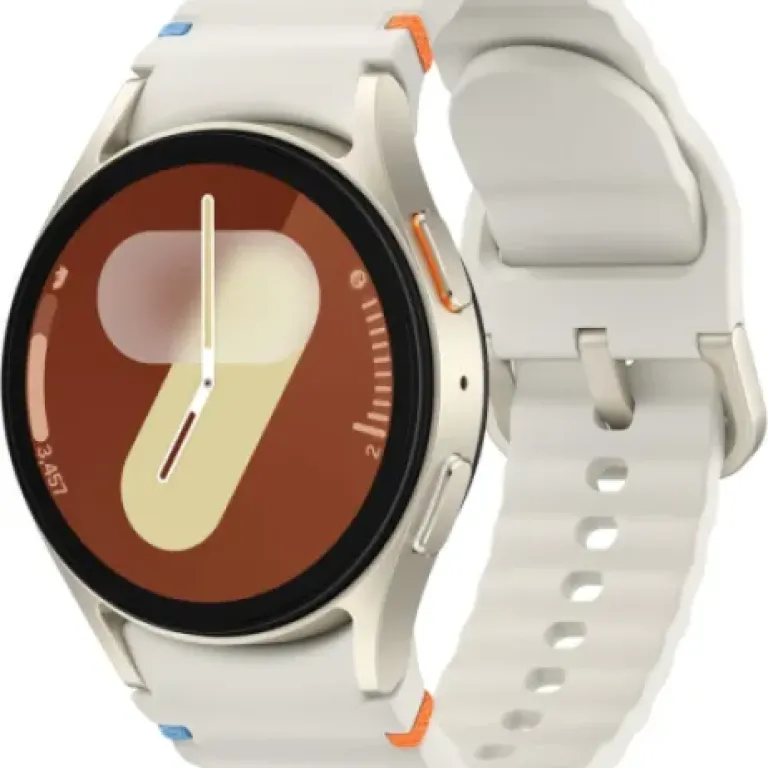

Summary
Editor's rating
Value for money: strong if you’re in the Samsung ecosystem
Design: looks better on the wrist than in photos
Battery life: decent if you tweak settings, bad if you don’t
Comfort: great to wear, mediocre stock band
Performance and features: fast enough, AI is hit or miss
What the Galaxy Watch 7 40mm actually offers
Health and sleep tracking: good overall, not medical-grade
Pros
- Comfortable, compact 40mm design that’s easy to wear all day and night
- Good health and sleep tracking with useful (if basic) AI insights like Energy Score
- Smooth performance and tight integration with Samsung phones and Samsung Health
Cons
- Battery life is only average and needs tweaking to reach 2 days
- No built-in GPS on this Bluetooth model, so you need your phone for accurate outdoor tracking
- Stock band feels cheap and may need replacing for better comfort and style

Specifications
View full product page →| Brand | Samsung |
Galaxy Watch 7: worth upgrading or just more of the same?
I’ve been using the Galaxy Watch 7 40mm Bluetooth (cream color) daily for a bit now, paired with a Samsung phone. I came from an older Galaxy Watch (in my case, similar to the Watch 4/5 experience), so I wasn’t new to Samsung’s ecosystem. I mainly wanted better health tracking, the new Energy Score stuff, and hopefully a watch that didn’t die before the end of the second day. So this is coming from someone who actually wears it all day, tracks sleep, and gets a ton of notifications.
In practice, this watch feels like a pretty solid evolution, not a revolution. The health features are more detailed, the AI “tips” are sometimes useful and sometimes just noise, and the watch looks better on the wrist than in photos. But it also keeps the usual Samsung weaknesses: battery life is just okay, and you still need to tweak a bunch of settings if you don’t want to charge it every night.
What surprised me the most is how polished the setup and daily use feel now. The pairing with my phone was simple, the watch faces are clean, and the UI is fast. On the flip side, there are still some annoying bits: the default band is meh, some AI stuff is overhyped, and the lack of built-in GPS on this specific Bluetooth model is a weird decision if you like to run without your phone.
If you’re already in the Samsung world and you want a small, light watch that does health and notifications well, this one gets the job done. Just don’t expect multi-day battery with everything maxed, and be ready to swap the band and tweak the settings a bit to really enjoy it.
Value for money: strong if you’re in the Samsung ecosystem
In terms of value, the Galaxy Watch 7 40mm Bluetooth sits in a kind of middle ground. It’s not the cheapest smartwatch out there, but considering it’s a 2024 model with a bright AMOLED screen, decent performance, and a bunch of health features, the price feels roughly fair. You’re also getting 32 GB of storage, which is more than enough for apps and some offline music if you want that, plus a 1-year manufacturer warranty.
Where it makes the most sense is if you already have a Samsung phone and you’re okay living inside the Samsung Health / Galaxy ecosystem. The integration is smooth: setup is painless, notifications sync well, and the AI features plug directly into your existing Samsung account. In that scenario, the watch’s value is pretty solid because everything just works together and you don’t have to juggle multiple apps or weird compatibility issues.
On the downside, the lack of built-in GPS on this Bluetooth model limits the value for more serious runners or cyclists who want to leave their phone at home. Also, the battery life is just average, so if you buy it expecting long endurance, you might feel like you overpaid. And the stock band really doesn’t help the premium feeling; most people will probably end up buying a replacement band, which is an extra cost to keep in mind.
Overall, I’d say the value is good but not mind-blowing. If you want a compact Samsung smartwatch for health tracking, notifications, and daily use, and you’re fine charging it every 1–2 days, the price is justified. If you mainly care about long battery life or hardcore sports features, there are better options for the same money from brands like Garmin or some fitness-focused watches.
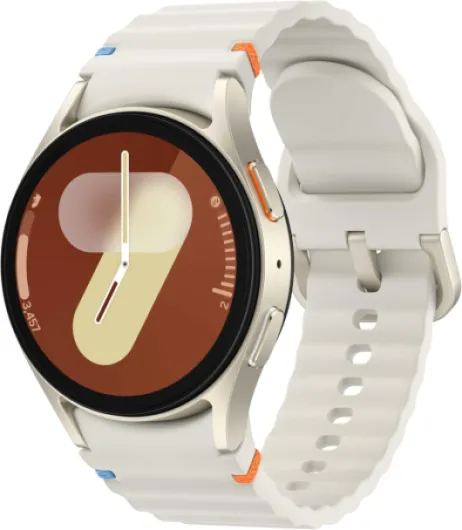
Design: looks better on the wrist than in photos
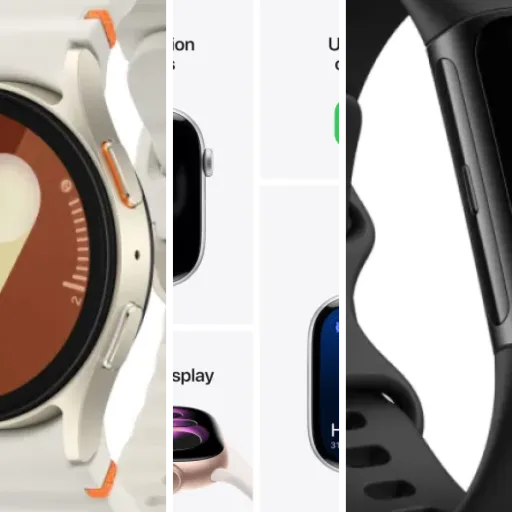
The first thing I noticed when I took it out of the box is that the Galaxy Watch 7 looks cleaner in real life than in the product shots. The cream color on the 40mm model has a neutral, slightly warm tone that works with both casual and slightly dressier outfits. It’s not flashy, but it doesn’t look cheap either. The watch body has that typical Samsung rounded look, and the digital bezel (no physical rotating ring here) is actually pretty easy to get used to after a day or two.
The 40mm size is fairly compact. On a medium wrist it looks balanced, and on a smaller wrist it doesn’t feel huge or bulky. If you’re a big guy with thick wrists, this 40mm will probably look a bit small, more like a unisex or slightly smaller watch. For my wrist, it sat nicely under a hoodie sleeve and didn’t catch on things. The watch isn’t heavy, which helps a lot for sleep tracking and workouts – you don’t feel like you’re wearing a brick.
The display itself is bright and sharp. Even though the specs just say 432 x 432, in practice the text is crisp and the watch faces look good. Outdoors, I didn’t struggle to read the screen, even in bright light. The bezels are visible but not ridiculous, and once you pick a watch face that matches the black border, your eyes kind of forget about them. The two side buttons are easy to reach, with a clear click, and I didn’t have accidental presses when moving my wrist.
Overall, the design is pretty solid: compact, light, and discreet. It doesn’t scream “sports gadget” like some fitness watches, but it’s also not trying to be a luxury item. If you just want something that looks clean and modern and doesn’t get in the way, this design does the job. You might just want to change the band to make it look a bit more personal.
Battery life: decent if you tweak settings, bad if you don’t
Battery life is where opinions diverge a lot, and I get why. Out of the box, if you leave everything on – always-on display, frequent heart rate checks, all notifications, bright screen – you can easily burn through the battery in around a day or so. In my first 24 hours with default-ish settings, I ended up with low battery the next morning, which matches some of the more negative reviews. So if you expect a Garmin-style week-long battery, this is not it.
Once I started tweaking things, it got better. With Always-On Display turned off, notifications limited to what I actually care about, and brightness on auto, I could get about 1.5 to 2 days with regular use: messages, a workout, some quick checks, and sleep tracking. On a lighter-use day, I could stretch closer to 2.5 days, similar to what some users reported. For me, that’s acceptable but not great. It means you’ll probably charge it every 1–2 days depending on how hard you push it.
The good news is that charging is fast. Dropping it on the included charger for 30–45 minutes gave me a big chunk of battery back, enough to comfortably get through the rest of the day and night. I ended up charging it either in the morning while getting ready or at my desk while working. It’s not as convenient as a watch you charge once a week, but it’s manageable if you build it into your routine.
Bottom line: battery life is just okay. If you’re willing to sacrifice Always-On Display and trim some features, you can get a couple of days. If you want everything maxed and never think about it, you’ll probably be annoyed. For a small 40mm smartwatch with a bright screen, it’s not shocking, but there are watches out there that last longer if that’s your top priority.
Comfort: great to wear, mediocre stock band
In terms of comfort, the Galaxy Watch 7 40mm is honestly one of the easier watches to live with day to day. The size and weight are well balanced, so after a few hours you almost forget it’s there. I wore it basically 24/7 for several days – workouts, desk work, sleep – and I didn’t get that “get this thing off my wrist” feeling I sometimes get with heavier metal watches. The underside sits flat and doesn’t dig into the skin, even when you tighten it a bit for accurate heart rate readings.
The weak point is the stock band. It’s functional, but that’s about it. The material is a soft silicone, which is fine for sweat and workouts, but it looks a bit generic and the feel isn’t premium. The system where the band tucks inside instead of having a loose tail is actually nice – it doesn’t catch on clothes and looks cleaner. But in terms of comfort, after a whole day, the band area underneath can feel a bit sticky if you sweat easily, and I found myself moving the watch up and down the wrist a couple of times to let the skin breathe.
At night, for sleep tracking, the 40mm size is a good choice. Bigger watches can be annoying when you sleep on your side, but this one didn’t bother me much. I tightened it enough so it wouldn’t slide, and after the first night I stopped noticing it. If you’re very sensitive to having something on your wrist while sleeping, this is about as light as you can get while still having a full-featured smartwatch.
My honest take: the watch body itself is very comfortable, but I’d budget a few extra bucks for a better strap, either a softer silicone or a nylon/sport loop style. Once you swap the band, comfort goes from “fine” to “really good”, especially if you wear it all day and night. If you stick with the default band, it’s okay, but nothing more.
Performance and features: fast enough, AI is hit or miss
Day-to-day performance is solid. The watch feels responsive: swiping between tiles, opening apps, checking notifications – nothing really lagged in a way that annoyed me. With 2 GB of RAM and Samsung’s own OS, it seems well optimized. I didn’t get random freezes or reboots. The touchscreen is accurate, even with slightly sweaty fingers after a workout. Haptics are decent: you feel notifications clearly without the watch buzzing like crazy.
As for the AI features, they’re a mixed bag. The Energy Score is the one I ended up checking most. It combines sleep, activity, and maybe heart rate trends and gives you a number for how “ready” you are. Some days it lined up with how I felt – after a short night and a tough workout, it showed a low score and suggested taking things easier. Other days, I felt fine but the score was a bit low or high for no obvious reason. It’s useful as a quick hint, but I wouldn’t plan my whole day around it.
Wellness Tips are basically small recommendations based on your patterns. Things like moving more if you’ve been inactive, or paying attention to your sleep schedule. Some of it is pretty basic, the kind of advice you’ve seen a thousand times. Every now and then though, it actually pointed out something relevant, like several days of shorter sleep or a clear drop in activity compared to my usual. So it’s not useless, but it can feel a bit repetitive.
For workouts, the watch tracks usual stuff like heart rate, pace (using phone GPS), and calories. The “compare your run or ride to last time” feature is nice if you repeat the same route. It gives you an idea if you’re improving or slacking off. But since this Bluetooth model relies on your phone for GPS, you’re kind of stuck taking your phone along for proper tracking. If you’re okay with that, performance is good. If you wanted to leave your phone at home, this specific version isn’t ideal.
What the Galaxy Watch 7 40mm actually offers
On paper, the Galaxy Watch 7 40mm Bluetooth is a compact smartwatch focused mainly on health and day-to-day convenience. You get a 40mm round AMOLED screen (432 x 432), Bluetooth-only connectivity (no LTE on this exact version), 2 GB of RAM and 32 GB of storage, plus all the usual sensors for heart rate, sleep tracking, and fitness. Samsung pushes the "Galaxy AI" angle hard: Energy Score, Wellness Tips, and smarter heart rate tracking that tries to filter out your arm movements so the numbers don’t jump all over the place.
In everyday use, the core features are pretty straightforward: it tracks your steps, workouts, heart rate, sleep, and sends notifications from your phone. The AI layer basically sits on top of Samsung Health and tries to turn raw numbers into something more readable. For example, instead of just saying you slept 6h30, it’ll give you a kind of readiness score and maybe suggest you take it easier that day. Same thing for Wellness Tips: it looks at your patterns and throws you some basic suggestions about movement, sleep, or stress.
One important detail: this model is Bluetooth only and has no built-in GPS listed in the specs. So if you’re into outdoor running or cycling and you want accurate routes on the watch, you really need to keep your phone with you, or you’ll be limited. Samsung does talk about AI-based run/bike comparisons, but that’s only for outdoor running and cycling and assumes you follow the same path as a previous workout within the last 14 days.
Overall, the watch is pretty complete for someone who wants a health-focused smartwatch tied to a Samsung phone. It’s not trying to be a hardcore sports watch like a Garmin, and it relies heavily on your phone and the Samsung Health app. If you’re okay with that, the feature set is decent and covers most normal use cases: sleep, heart rate, basic fitness, notifications, and a bit of coaching on top.
Health and sleep tracking: good overall, not medical-grade
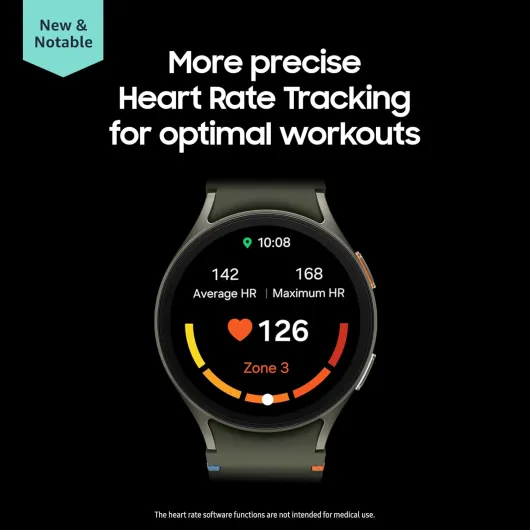
The health tracking on the Galaxy Watch 7 is pretty solid for everyday use. Heart rate tracking during steady activities like walking, light jogging, or indoor workouts was consistent with what I’ve seen on other Samsung watches and roughly in line with a chest strap for average heart rate. During more intense or bouncy movements, the numbers can jump a bit, but that’s normal for wrist sensors. Samsung claims the AI helps filter out movement noise, and while I can’t measure the algorithm directly, I did notice fewer crazy spikes compared to some older models.
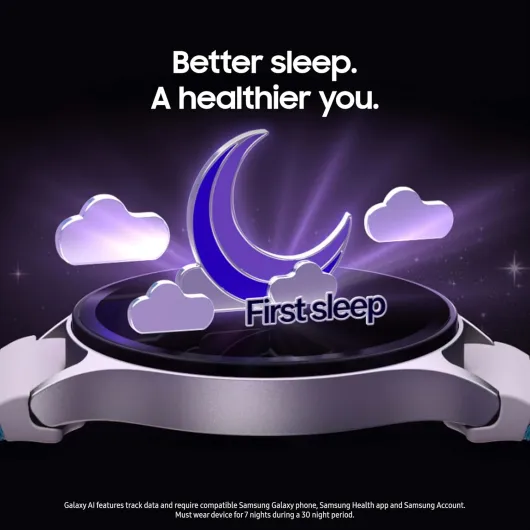
For sleep tracking, it does a decent job of telling you when you fell asleep, when you woke up, and giving you a breakdown of light, deep, and REM sleep. The AI-based insights and Energy Score are layered on top of that. After wearing it several nights, the watch started giving me more tailored comments on my sleep patterns. Some of it is basic – "try to go to bed earlier" – but it’s still helpful to see trends. One key thing: you need to wear it at least 7 nights within 30 days to unlock the full sleep insights, so don’t expect everything on day one.
The apnea detection feature is interesting but you need to be clear on what it is. It’s meant to detect signs of moderate to severe obstructive sleep apnea, not to diagnose you or replace a sleep study. It’s more like a flag that says “hey, something looks off, maybe talk to a doctor.” If you’ve already been diagnosed, they explicitly say it’s not for ongoing treatment. I see it more as a warning tool, not a full medical solution.
Overall, for a normal user who wants to track steps, heart rate, basic workouts, and sleep quality, the watch is effective enough. It gives you clear numbers, graphs, and some context. Just remember what Samsung also says: it’s not a medical device. If you have serious health issues, this is extra info, not a replacement for proper medical checks.
Pros
- Comfortable, compact 40mm design that’s easy to wear all day and night
- Good health and sleep tracking with useful (if basic) AI insights like Energy Score
- Smooth performance and tight integration with Samsung phones and Samsung Health
Cons
- Battery life is only average and needs tweaking to reach 2 days
- No built-in GPS on this Bluetooth model, so you need your phone for accurate outdoor tracking
- Stock band feels cheap and may need replacing for better comfort and style
Conclusion
Editor's rating
The Galaxy Watch 7 40mm Bluetooth is a solid everyday smartwatch if you’re already using a Samsung phone and want something compact that handles health tracking, notifications, and basic workouts without fuss. The design is clean, the watch is comfortable to wear all day and night, and the performance is smooth. The AI features like Energy Score and Wellness Tips are a nice bonus – not life-changing, but they do help make the raw data a bit more understandable.
Where it falls short is mainly in battery life and GPS. Expect roughly 1.5–2 days with sensible settings, less if you leave everything on, which means you’ll be charging it pretty regularly. And since this specific model doesn’t list built-in GPS, runners and cyclists who like to leave their phone at home won’t get the most out of it. The stock band is also pretty basic, so factor in the cost of a better strap if you care about comfort and looks.
If you’re a casual to moderate user who wants a small, good-looking smartwatch for sleep tracking, heart rate, step counting, and staying on top of notifications, this watch does the job well and feels like good value. If you’re a heavy endurance athlete, or you hate charging devices often, or you want full GPS on the watch itself, you’re probably better off with a Garmin, a different Galaxy variant with GPS/LTE, or another brand focused more on sports and battery life.
![Galaxy Watch 7 40mm Bluetooth AI Smartwatch w/Energy Score, Wellness Tips, Heart Rate Tracking, Sleep Monitor, Fitness Tracker, 2024, Cream [US Version, 1Yr Manufacturer Warranty] Cream 40mm Watch7 Only Bluetooth](https://www.smartwatch-guru.com/storage/574149/71SZNup1qrL._AC_SL1500_.jpg)