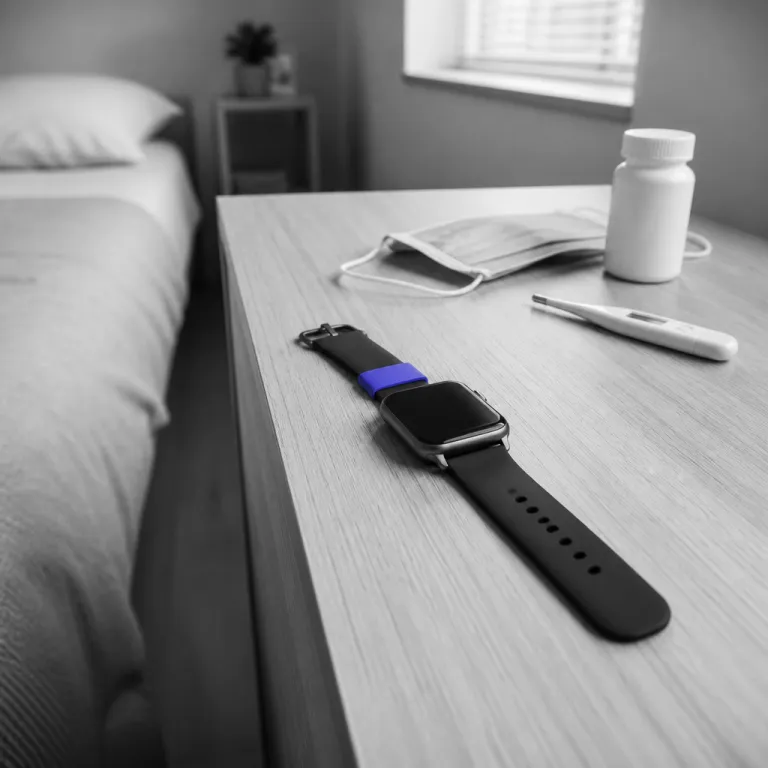
How smartwatch skin temperature sensors really work on your wrist
Skin temperature tracking on smartwatches looks simple but hides nuance. Your watch uses tiny temperature sensors on the underside of the case to estimate how heat moves from your body through the skin at the wrist, then turns that into temperature data trends rather than a single fever style number. This is why smartwatch skin temperature tracking accuracy depends less on one reading and more on how your body temperature changes across many nights of sleep.
Most series models from major brands use thermistors rather than infrared cameras, so the temperature measured is contact based and very sensitive to strap fit and room temperature. The sensor cluster on an Apple Watch or a Galaxy Watch sits flush with the skin and samples wrist temperature repeatedly, then the health app software filters out obvious noise from movement or a loose band. Because the watch cannot truly measure skin in isolation from the environment, it focuses on deviations from your personal baseline instead of claiming clinical grade body temperature values.
Apple Watch models with a temperature sensor and Samsung Galaxy Watch devices with temperature sensors both frame their feature as wellness, not as a medical thermometer. You will see phrases like skin temperature changes or wrist temperature trends, and you will not see a promise to diagnose illness or confirm pregnancy. That gap between marketing and medicine is where you need to judge smartwatch skin temperature tracking accuracy with a cool head rather than trusting any single temperature reading.
Why the first two weeks are calibration, not diagnosis
When you first strap on a smartwatch that can measure skin temperature, the early numbers feel exciting. In practice, the watch needs at least a week and usually closer to two weeks of consistent overnight wear before its temperature data becomes meaningful for your health. During this period, the device learns your typical body temperature pattern across different stages of sleep and different points in your menstrual cycle if you log those details.
Apple explains that compatible Apple Watch Series models track changes in wrist temperature relative to a rolling baseline built from several nights of temperature sleep data. The same principle applies to the Galaxy Watch line, which also uses multiple nights of temperature readings to stabilize its estimates of your basal body pattern. Until that baseline is established, smartwatch skin temperature tracking accuracy is limited, so any spike or dip in temperature measured during the first week should be treated as noise rather than a sign of illness or ovulation.
For people using cycle tracking, this calibration window matters even more because the watch is trying to map subtle shifts in basal body temperature to phases like the luteal phase. If you start a new watch series device in the middle of your menstrual cycle, the health app may misinterpret normal hormonal changes as anomalies. For a deeper look at how these devices learn your nightly rhythms, see this guide on how smartwatches track your sleep patterns, then apply the same patience to temperature sensors before trusting any prediction.
Illness signals: what temperature deviations can and cannot tell you
Once your baseline is set, the watch starts to flag meaningful deviations in skin temperature. Research on wrist temperature shows that skin temperature often rises by about half a degree to one degree Celsius in the day before cold or flu symptoms, but that range overlaps with normal variation from stress, alcohol or a late workout. This is why smartwatch skin temperature tracking accuracy for illness is about early warning rather than a yes or no diagnosis.
On an Apple Watch, you will see nightly wrist temperature changes in the health app as a graph of deviations from your usual body temperature, not as a classic fever reading. Galaxy Watch devices present similar temperature readings, sometimes paired with temperature sleep insights that highlight nights when your skin temperature stayed unusually high. If your watch series suddenly shows several nights of elevated temperature data alongside higher resting heart rate and poorer sleep, that cluster of signals is more trustworthy than any single temperature measured in isolation.
Wearables that focus heavily on recovery, such as Oura Ring rather than a traditional smartwatch, lean on this multi signal approach to flag potential illness. A good rule is simple, if your skin temperature and heart rate both climb while sleep quality falls, you should ease back on training and consider a medical thermometer to check core body temperature. For buyers comparing the best health focused devices, this is where a watch that combines ECG, heart rate variability and temperature sensors can justify its price, especially when paired with expert guidance such as this explainer on what a smartwatch ECG can and cannot tell you.
Cycle tracking, ovulation and pregnancy: how close to basal body thermometers
For many buyers, the most important question is how smartwatch skin temperature tracking accuracy compares with a basal body thermometer for cycle tracking. Traditional basal body temperature, often shortened to BBT, relies on taking a precise body temperature reading at the same time every morning before getting out of bed. Smartwatches flip this routine by collecting hundreds of wrist temperature samples during sleep, then estimating the same basal body pattern from that continuous stream of data.
Apple Watch and Galaxy Watch models that support cycle tracking use temperature data to refine estimates of ovulation and the luteal phase, but they do so retrospectively. The health app looks back at several weeks of temperature readings and menstrual cycle logs, then suggests when ovulation probably occurred rather than predicting it in advance. In studies comparing wearables with basal body thermometers and luteinizing hormone strips, wrist based devices reached roughly similar accuracy for identifying the fertile window, but they still lag behind dedicated fertility tools when pregnancy is the primary goal.
For everyday menstrual cycles tracking and general reproductive health awareness, a smartwatch can be the best compromise between effort and insight. You wear the watch on your wrist, let the temperature sensors measure skin temperature passively and then review cycle tracking summaries when you have time. If you are actively trying to conceive or managing a medical condition, though, you should treat smartwatch readings as a helpful second opinion rather than a replacement for clinical grade BBT thermometers or professional care, and you should always confirm any suspected pregnancy with a proper test.
Recovery, training load and choosing the right watch for temperature tracking
Skin temperature is not only about illness and menstrual cycles, it is also a quiet marker of how well you recover from training. After hard exercise, your body temperature and skin temperature can stay elevated for hours as your metabolism and nervous system wind down, and smartwatches capture this pattern as part of their nightly temperature sleep analysis. When that elevation becomes chronic across many nights of sleep, it often signals that your training load or life stress is outrunning your recovery capacity.
In practical terms, smartwatch skin temperature tracking accuracy for recovery is less about the exact number and more about the shape of your temperature data curve. If your usual wrist temperature deviation is near zero but suddenly jumps positive for several nights after a new workout plan, that is a sign to back off slightly even if you feel fine. Pair those temperature readings with resting heart rate, heart rate variability and subjective fatigue, and you will get a more complete picture of body stress than heart rate alone can offer.
When you search for the best smartwatch for this kind of health insight, focus on how clearly the watch explains temperature measured trends rather than on raw sensor marketing. Apple Watch Series models integrate skin temperature into a broader health app ecosystem, while Galaxy Watch devices lean on Samsung Health for similar features, and both sit alongside more recovery centric wearables that emphasize readiness scores. To compare how different watches handle sleep and recovery as a whole, it is worth checking a curated list of top smartwatches with sleep tracking before you decide which watch will live on your wrist every night.
Practical tips to get the most accurate temperature data from your smartwatch
Even the best temperature sensor will struggle if the basics are wrong. To give smartwatch skin temperature tracking accuracy a fair chance, wear the watch snugly on the wrist bone, keep the same wrist each night and avoid switching hands during the week. Consistency helps the watch separate real changes in body temperature from random shifts in how the skin contacts the sensor array.
Try to keep your sleep environment reasonably stable, because extreme room temperature swings can confuse temperature sensors that sit on the skin rather than inside the body. If you regularly sleep with one arm outside the duvet, your wrist temperature may look cooler than your true basal body pattern, so aim for similar bedding and clothing when you care about precise temperature readings. Logging alcohol intake, late meals and illness symptoms in the health app will also give context when you later search for patterns in your temperature sleep graphs.
For people tracking menstrual cycles, ovulation or early pregnancy signs, combine temperature data with other signals like cervical mucus, mood and cycle length rather than relying on a single metric. Remember that smartwatch temperature measured values are designed for trends, not for diagnosing fever or confirming pregnancy, so a medical thermometer and professional advice still matter when health questions feel urgent. Used with that mindset, skin temperature becomes a quiet but powerful feature that fills in the gaps left by heart rate, turning your everyday watch into a more complete window on how your body responds to stress, rest and time.
FAQ
How accurate are smartwatch skin temperature sensors compared with oral thermometers
Smartwatch skin temperature sensors are generally less accurate than oral or ear thermometers for measuring absolute body temperature. They sit on the wrist, where skin temperature is strongly influenced by air flow, bedding and clothing, so they focus on deviations from your personal baseline instead of exact degrees. For checking fever or confirming illness, a dedicated medical thermometer remains the more reliable tool.
Can a smartwatch reliably predict ovulation and fertile days
Smartwatches that track wrist temperature can often identify the shift in basal body temperature that follows ovulation, but they usually do this retrospectively. Over several cycles, the device may estimate your typical fertile window with reasonable accuracy, especially when combined with menstrual cycle logs. If precise timing is critical for conception or contraception, you should pair wearable data with ovulation tests or medical guidance.
Will skin temperature tracking tell me if I am getting sick before symptoms
Many people see a small rise in nightly skin temperature in the day or two before cold or flu symptoms, and some studies support this pattern. Smartwatches can highlight these deviations from your normal baseline, especially when they coincide with higher resting heart rate and poorer sleep. They cannot, however, specify what illness you might have or replace a clinical diagnosis.
Is wrist temperature useful for monitoring training load and recovery
Wrist temperature trends can add useful context to recovery metrics like resting heart rate and heart rate variability. Persistent elevation in nightly skin temperature after hard training often signals that your body is still under stress, even if you feel subjectively fine. Using these trends to adjust workout intensity can help reduce the risk of overtraining.
Do I need to wear my smartwatch every night for good temperature data
For meaningful trends, you should wear your smartwatch most nights, especially during the first weeks when it is building a baseline. Missing an occasional night will not ruin the data, but frequent gaps make it harder to interpret small changes in skin temperature. Consistent overnight wear on the same wrist gives the most reliable long term picture.