Garmin Forerunner, Fenix and Enduro versus Apple Watch for sport
Garmin dominates the conversation whenever athletes compare the best sport smartwatches. The Garmin Forerunner family targets runners who want a light gps watch with strong training tools, while the Garmin Fenix line focuses on outdoor athletes who need rugged design and detailed offline maps. Garmin Enduro models push battery life even further, giving ultra distance runners and bike packers extreme gps hours without constant charging.
Within the Forerunner range, a Garmin Forerunner watch usually offers advanced training load analysis, structured workouts, and precise gps tracking in a relatively slim case. Many Forerunner gps watches also include wrist based heart rate, running dynamics, and suggested workouts that adapt to your recent training hours. If you want a more lifestyle friendly design, a Garmin Vivoactive smartwatch keeps strong sport features while looking closer to everyday watches you can wear at work.
The Garmin Fenix series and the more specialised Garmin Enduro are built for harsh conditions. A Garmin Fenix watch typically includes multi band gps, robust case materials, and long battery life that supports multi day hikes with continuous gps smartwatch tracking. Garmin Enduro extends this concept with an even larger battery capacity and solar charging options, which can be decisive for stage races or fast packing trips where you cannot recharge for many hours.
Apple approaches sport from a different angle with the Apple Watch and the Apple Watch Ultra. A standard Apple Watch series model excels at smart features, app support, and seamless iPhone integration, while still offering accurate heart rate and solid gps for everyday running. The Apple Watch Ultra and the latest watch series versions add longer battery life, improved multi band GPS performance, and better durability, making them serious contenders among the best sport smartwatches for mixed city and trail use.
For readers who want a broader view of fitness focused wearables beyond classic gps watches, a detailed comparison of the best fitness smartwatches is available on this top fitness smartwatches guide. It helps you see how Garmin, Apple, Suunto, and Coros smartwatches stack up against more specialised trackers. Use that perspective to decide whether a full gps smartwatch or a lighter band style device better fits your training and recovery goals.
Suunto and Coros for mountain athletes and ultra distance runners
Suunto and Coros focus heavily on endurance sports, which makes their devices central to any discussion of the best sport smartwatches. A Suunto watch often prioritises robust build quality, clear mapping, and long gps tracking hours for mountain use. Coros watches, especially the Coros Pace and higher end models, are known for exceptional battery life and efficient training metrics at a competitive price.
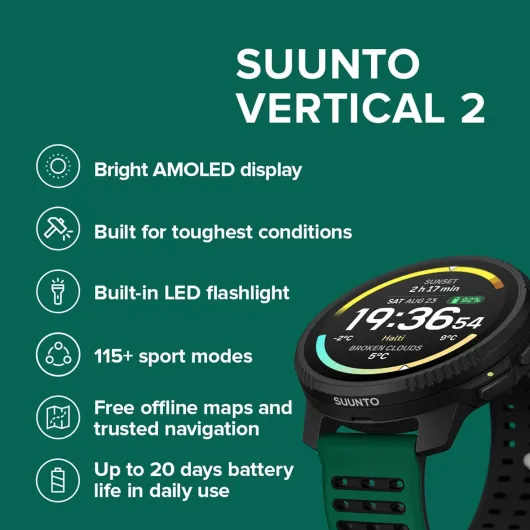
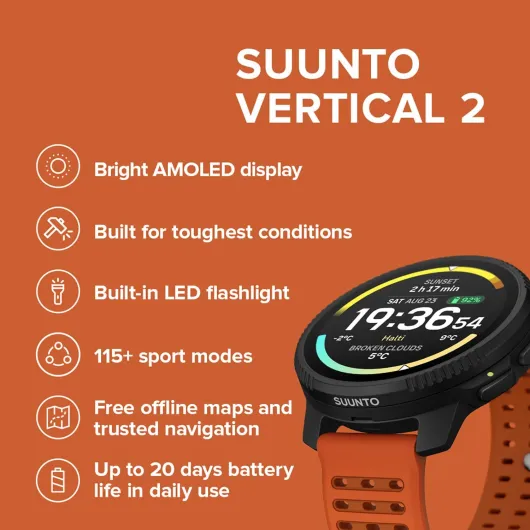
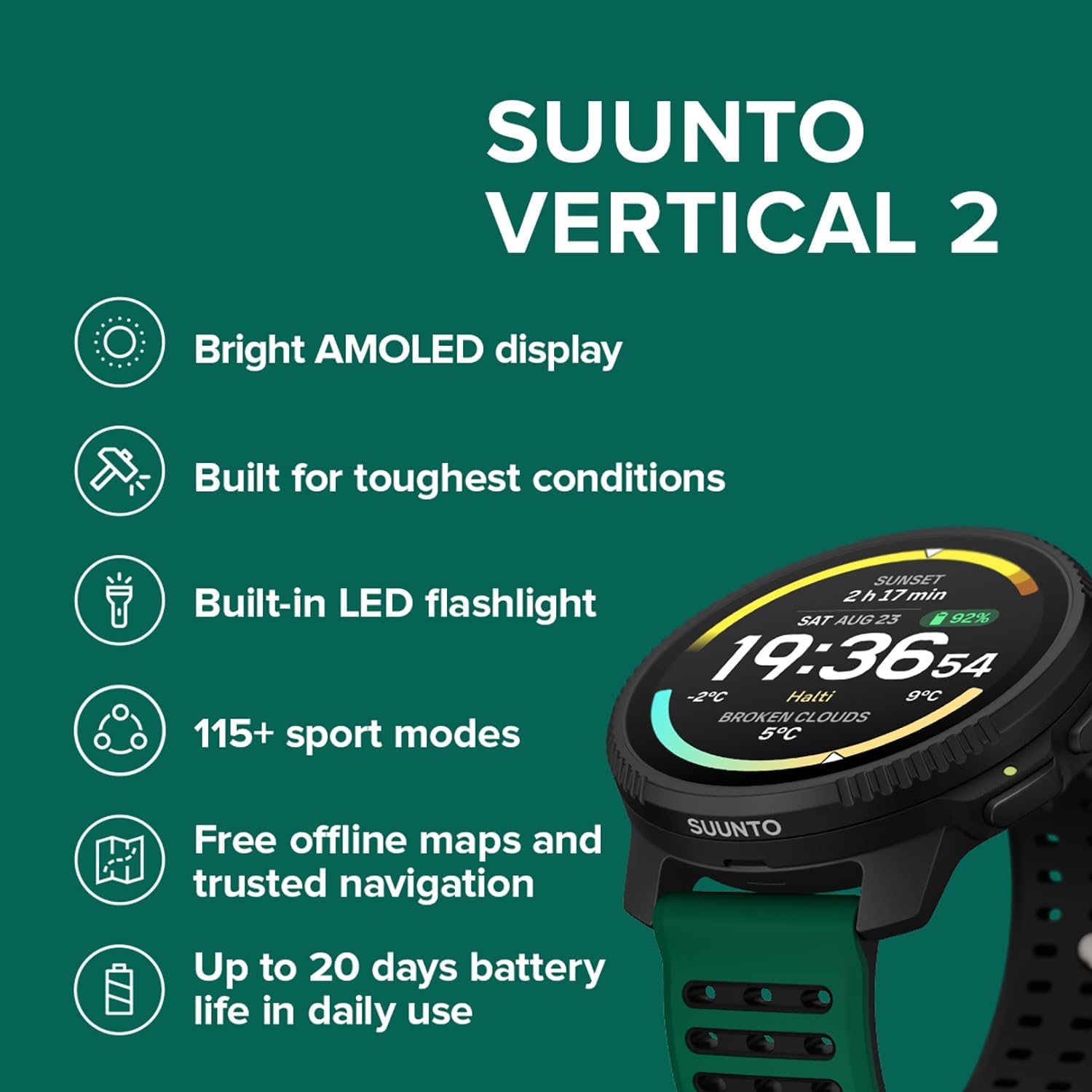
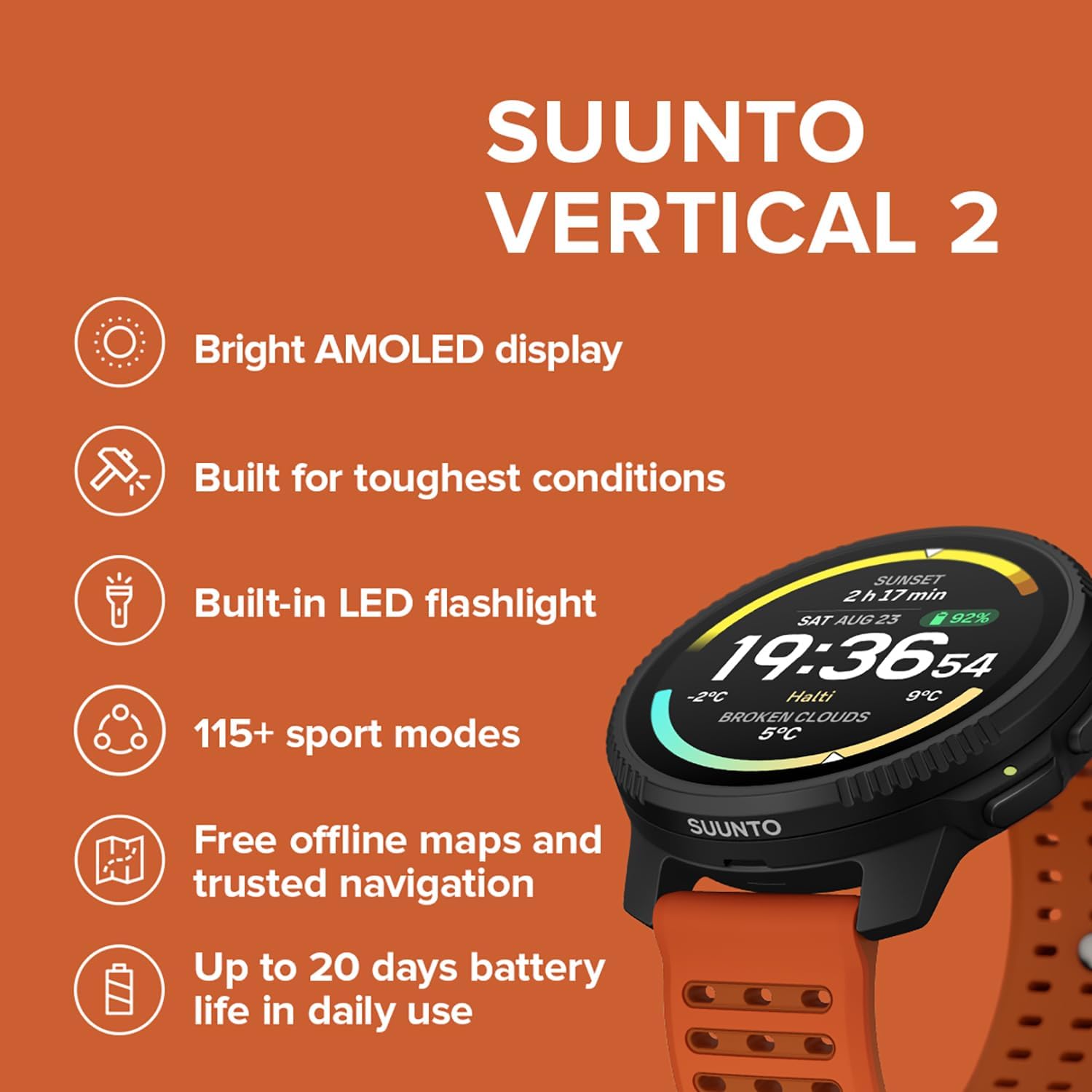
The Suunto Vertical stands out as a gps smartwatch designed for serious alpinists and ultra runners. With detailed offline maps, multi band gps, and a large battery capacity, the Suunto Vertical supports long expeditions where a reliable watch can be a safety tool as much as a training device. Many athletes choose this Suunto smartwatch when they need both precise gps watches performance and strong navigation features in remote areas.
Coros Pace models target runners who want a light running watch with long battery life and clear training feedback. A Coros Pace watch typically offers accurate gps tracking, structured workouts, and recovery insights without the higher price of some Garmin Fenix or Apple Watch Ultra competitors. For athletes who value simplicity, these Coros smartwatches often feel less cluttered while still covering the essential sport metrics.
Mountain athletes should compare how Suunto, Coros, and Garmin handle navigation and offline maps. Garmin Fenix, Garmin Enduro, and Suunto Vertical watches provide rich topographic maps, while Coros focuses more on breadcrumb style navigation with efficient battery use. If you are unsure whether you need a full gps watch or a lighter training band, you can explore different wrist worn training tools through this analysis of alternatives to dedicated training bands, then decide how a sport smartwatch fits into your overall setup.
Battery life, size and comfort during long training hours
Battery life can make or break your relationship with even the best sport smartwatches. A watch that dies halfway through a long run or ride quickly loses your trust, no matter how advanced its metrics appear on paper. When comparing watches, always check both the advertised gps hours and the expected everyday smartwatch battery life with notifications enabled.
Garmin Enduro, Garmin Fenix, Suunto Vertical, and Apple Watch Ultra are often chosen because their battery capacity supports long gps tracking sessions. These watches can run for many hours in full gps mode, which is essential for ultra running, long hikes, or bike packing adventures. Coros Pace and some Garmin Forerunner models also deliver impressive battery life in lighter cases, making them ideal for runners who want endurance without the bulk of a heavy watch.
Comfort matters as much as raw battery numbers when you wear a gps watch all day. A large watch with a huge battery capacity may feel secure on big wrists but awkward on smaller ones, especially during interval running or strength training. Try different multi band GPS watch styles and case sizes, because a comfortable fit improves heart rate accuracy and makes it easier to wear the smartwatch for sleep tracking and recovery analysis.
Think about how often you realistically want to charge your smartwatches. If you train several hours per day, a gps smartwatch with multi day battery life in gps mode will reduce charging stress and protect long term battery health. Casual runners who train a few hours per week may accept shorter battery life in exchange for a slimmer watch series design or a lower price, especially when considering an Apple Watch or a Garmin Vivoactive model.
GPS accuracy, heart rate tracking and training metrics
Accuracy is the foundation of any serious sport watch, because every training decision depends on trustworthy data. Modern gps watches use multi band GPS and improved antennas to reduce signal errors in cities, forests, and mountains. When you evaluate the best sport smartwatches, look at independent tests that compare gps tracks against reference routes and professional grade devices, such as the multi device comparisons regularly published by DC Rainmaker and other specialist reviewers.
Heart rate tracking on the wrist has improved, but it still varies between watches and between sports. A Garmin Forerunner, Garmin Fenix, Apple Watch, or Coros Pace can all provide solid heart rate data for steady running, yet intervals or strength training may still benefit from a chest strap paired to the gps smartwatch. If you rely on heart rate zones for structured training, prioritise watches that allow easy pairing with external sensors and that show clear zone feedback during workouts.
Training metrics separate basic smartwatches from true sport tools. Garmin watches, especially the Forerunner, Fenix, Enduro, and Vivoactive lines, offer training load, recovery time, and suggested workouts that adapt to your recent hours of activity. Coros and Suunto smartwatches provide similar insights, while Apple Watch and Apple Watch Ultra rely more on third party apps to reach the same depth of analysis.
Navigation and offline maps are now central features for outdoor athletes. Garmin Fenix, Garmin Enduro, Suunto Vertical, and Apple Watch Ultra models can display detailed offline maps directly on the watch, which helps you follow complex routes without pulling out your phone. If you often run or ride in new areas, a gps watch with strong offline maps and reliable multi band GPS performance becomes more than a luxury, it becomes a safety net.
Price, payment options and where to buy safely
Once you understand your needs, the next step is matching them to a realistic price range. The best sport smartwatches span from accessible running watch models under a modest budget to premium gps smartwatch devices that cost as much as a mid range smartphone. Decide first which features are non negotiable, then compare watches within that segment instead of chasing every new watch series release.
Retailers often run a focused sale on Garmin models, especially older Garmin Forerunner, Garmin Fenix, and Garmin Vivoactive watches when new versions launch. These sale Garmin opportunities can deliver excellent value, because the core gps tracking, heart rate monitoring, and training tools remain strong for many years. Suunto, Coros, and Apple Watch models also see periodic discounts, so patient buyers can secure a high quality gps watch at a more comfortable price.
When you are ready to buy, prioritise authorised dealers and reputable online stores. Many shops offer payment by credit card with secure processing, and some allow instalment plans that spread the price of a premium watch over several months. If you prefer to compare multiple brands at once, multi brand specialist sites that review the best sport smartwatches and list both Apple Watch Ultra and Garmin Enduro options can help you avoid impulse purchases.
Compatibility should also influence where you buy your smartwatch. If you use both Android and iOS devices, look for retailers that clearly state which watches support each platform and that link to detailed comparisons such as this overview of top smartwatches compatible with iOS and Android. Clear compatibility information protects your investment and ensures that your new gps watches integrate smoothly with your existing apps, sensors, and training platforms.
Choosing the right sport smartwatch for your discipline
Different sports place different demands on a watch, so the best sport smartwatches for one athlete may not suit another. Road runners usually prioritise a light running watch with accurate gps tracking, clear pace data, and reliable heart rate zones. Trail runners, hikers, and ultra distance athletes instead focus on battery life, offline maps, and a rugged case that survives harsh conditions.
For dedicated runners, a Garmin Forerunner, Coros Pace, or mid range Apple Watch series model often delivers the best balance of features and comfort. These watches provide structured training plans, interval support, and enough gps hours for most races up to marathon distance. If you regularly tackle mountain ultras or multi day treks, a Garmin Fenix, Garmin Enduro, Suunto Vertical, or Apple Watch Ultra with a larger battery capacity and advanced navigation will serve you better.
Multi sport athletes and triathletes should look for smartwatches with quick sport profile switching and strong water resistance. Garmin, Suunto, Coros, and Apple all offer gps smartwatch models that handle swimming, cycling, and running in a single session with accurate gps watches performance. Pay attention to how easily you can change sport modes on the watch, because fumbling through menus during transitions wastes precious seconds.
Everyday comfort and style also matter when you wear a smartwatch for many hours beyond training. Slimmer watches like Garmin Vivoactive or lighter Coros Pace models may feel better for office wear, while rugged designs such as Garmin Fenix or Suunto Vertical look more at home on the trail. Whatever you choose, remember that the best sport smartwatches are the ones you enjoy wearing consistently, because only consistent use turns data into meaningful training progress.
Key figures about sport smartwatches
- Market analysts report that global smartwatch shipments surpassed 150 million units in a recent year, with sport focused watches representing a rapidly growing share of that total according to Counterpoint Research’s Global Smartwatch Model Tracker.
- Independent battery tests show that some ultra endurance models such as Garmin Enduro and Suunto Vertical can exceed 70 hours of continuous gps tracking in specific modes, compared with roughly 8 to 12 hours for many general purpose smartwatches as reported by long‑duration field tests from DC Rainmaker, RTINGS, and OutdoorGearLab.
- Studies on wrist based heart rate sensors indicate average accuracy within about 3 to 5 beats per minute during steady state running, while high intensity intervals can show larger deviations compared with chest straps according to research published in sports science journals such as the Journal of Strength and Conditioning Research and Medicine & Science in Sports & Exercise.
- Consumer surveys from major retailers suggest that gps accuracy, battery life, and price are the three most cited reasons for choosing one sport watch over another, outranking design and smart notifications by a significant margin in recent buyer feedback reports.