Health, heart rate accuracy, and advanced fitness tracking
Health features now define many of the best smartwatches for men who care about long term fitness. A reliable heart rate monitor is essential, because every calorie estimate, training load metric, and sleep score depends on accurate heart rate data. When you compare models, check whether the smartwatch supports continuous heart rate tracking, high and low heart alerts, and a precise rate monitor during interval training.
Apple Watch models in the main Watch Series line offer advanced heart rate analysis, irregular rhythm notifications, and optional ECG functions that rival some medical devices. If you want more detail on ECG capable wearables, a dedicated guide to top smartwatches with ECG helps you understand which watch is best for heart health monitoring. Garmin Venu smartwatches and other Garmin fitness trackers focus heavily on VO2 max, training readiness, and GPS heart rate accuracy for runners and cyclists.
Sleep tracking has also improved, turning your watch into a night time health monitor. Many smartwatches now combine sleep stage analysis, overnight heart rate variability, and blood oxygen estimates to highlight stress and recovery trends. For men who train hard, pairing strong fitness tracking with consistent sleep tracking offers a clearer picture of when to push harder and when to rest.
Battery life, charge habits, and real world endurance
Battery life separates a merely good smartwatch from the best smartwatches for men who travel, commute, and train frequently. A watch that needs a charge every few hours will stay on your desk instead of your wrist. Look closely at both the quoted day battery figures and how long the device lasts with GPS, always on display, and continuous heart rate tracking enabled.
Apple Watch models typically deliver about one full day battery under mixed use, while some Watch Ultra versions stretch closer to a multi day battery in low power modes. In contrast, Garmin Venu devices, many Samsung Galaxy Watch models, and some Pixel Watch generations can reach several days battery when you manage screen brightness and disable constant LTE. Independent long term tests, such as the six week wear methodology described in this guide to smartwatch testing methodology, often reveal how battery claims hold up in real life.
Charging convenience matters almost as much as raw battery capacity, especially if you rely on sleep tracking every night. A smartwatch that gains many hours of battery life from a quick fifteen minute charge during your morning shower is easier to live with. When you compare smartwatches, check whether the watch uses a proprietary puck, a USB C cable, or supports wireless charge pads you already own.
Apple Watch, Galaxy Watch, Pixel Watch, and Garmin Venu compared
Among the best smartwatches for men, four families dominate the conversation : Apple Watch, Galaxy Watch, Pixel Watch, and Garmin Venu. Each watch series targets a slightly different type of user, so your ideal device depends on whether you prioritize fitness, apps, or battery life. Thinking clearly about these trade offs prevents buyer’s remorse later.
Apple Watch models remain the most polished option for iPhone owners, with tight integration between the watch, the Apple Health app, and the wider Apple ecosystem. The latest Watch Ultra versions add a brighter AMOLED style display, longer battery life, and more robust GPS heart rate tracking for outdoor athletes. For men who live inside Apple services, the combination of smart notifications, strong fitness tracking, and reliable heart rate monitor performance is hard to beat.
Samsung Galaxy Watch models serve Android users who want a stylish smart device with deep fitness features and Google services. A Galaxy Watch pairs well with a Samsung Galaxy phone, but it also works with other Android phones and supports Google apps such as Maps and Wallet. Google’s own Pixel Watch line, including the latest Google Pixel Watch, leans on Fitbit Versa style fitness trackers heritage, blending premium design with Fitbit style fitness tracking and sleep tracking insights.
Fitness trackers, niche devices, and when a ring beats a watch
Not every man needs a full featured smartwatch, and some will be happier with simpler fitness trackers. A slim fitness tracker or a Fitbit Versa watch focuses on steps, calories, and sleep tracking without the distraction of constant app alerts. These devices often deliver longer days battery performance and lower prices than flagship smartwatches.
Specialized models such as the Garmin Venu series target runners, cyclists, and triathletes who care more about GPS accuracy and training metrics than about third party apps. For these users, a bright AMOLED display, precise GPS heart tracking, and multi day battery life matter more than animated watch faces. Parents may also consider kid focused wearables such as the Ace LTE watch, which offers basic fitness tracking and limited phone style connectivity in a smaller device.
Some men now compare smart rings with watches, especially if they mainly want sleep and recovery data. A detailed analysis of smart rings versus smartwatches shows that a ring can sometimes track sleep and heart rate more discreetly than a watch. If you already wear a traditional watch, pairing it with a smart ring or a minimal fitness tracker can be a smart compromise.
Display quality, comfort, and everyday smart features
Screen technology shapes how you experience even the best smartwatches for men during daily use. An AMOLED display offers deep blacks, vivid colors, and excellent contrast, which makes watch faces and maps easier to read. However, a bright touch screen can reduce battery life if you keep it always on at maximum brightness.
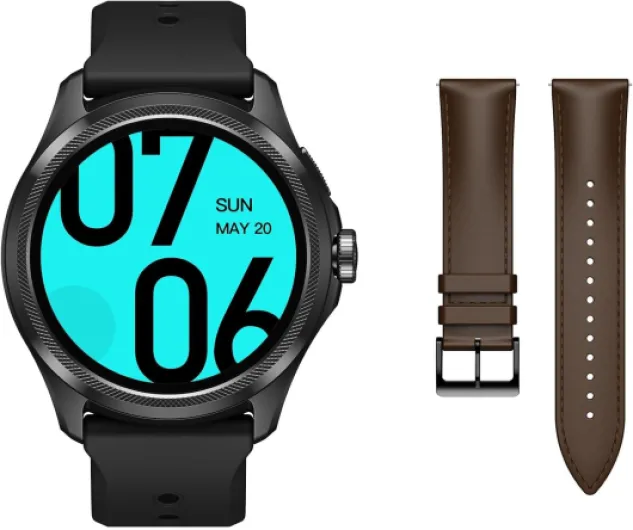
Comfort depends on case size, strap material, and overall weight, especially when you wear the watch for sleep tracking. Men with larger wrists may prefer a 45 millimetre or 47 millimetre watch case, while others choose a smaller device that sits lower under a shirt cuff. Swappable bands let you move from a silicone fitness strap to a leather or metal bracelet, keeping the same smartwatch suitable for both the gym and the office.
Smart features round out the experience, turning a watch into a true smart companion. Look for reliable Bluetooth and Wi Fi connections to your phone, smooth notification handling, and offline music support if you run without carrying a phone. Contactless payments, voice assistants, and safety features such as fall detection or emergency SOS can turn a good smartwatch into the best everyday watch for men who value both convenience and security.
Matching the right smartwatch to your lifestyle and priorities
Choosing among the best smartwatches for men ultimately means matching features to real habits. If you run, cycle, or hike several times a week, prioritize GPS accuracy, GPS heart rate tracking, and long day battery performance over niche apps. For office heavy routines, a sleek watch with a sharp AMOLED display, strong notification handling, and all day comfort may matter more than extreme fitness metrics.
Men who travel frequently should focus on battery life, global GPS support, and robust build quality. A Garmin Venu or similar multi sport watch often delivers several days battery life, while some Watch Ultra and Galaxy Watch models add improved durability and water resistance. If you rely heavily on your phone for work, ensure that your chosen smartwatch integrates cleanly with either Android or Apple devices, including calendar sync, email triage, and quick replies.
Budget also plays a role, but value is more important than the lowest price. A mid range fitness tracker or Fitbit Versa can be the best device for men who mainly want step counts, sleep tracking, and a dependable heart rate monitor. Higher end Apple Watch, Galaxy Watch, Pixel Watch, and Garmin Venu models justify their cost when you actually use their advanced fitness tracking, navigation, and smart safety tools every day.
Key figures about men and smartwatch adoption
- Industry analysts report that global smartwatch shipments have reached well over 150 million units per year, with men representing a substantial share of buyers, reflecting growing trust in wrist based health tracking.
- Surveys from major fitness platforms indicate that a clear majority of male runners now use a GPS enabled watch or fitness tracker during training, underlining the importance of accurate GPS heart rate data.
- Market research suggests that average smartwatch battery life has improved noticeably over recent product generations, mainly due to more efficient AMOLED displays and low power chipsets.
- Health research cited by organizations such as the American Heart Association notes that continuous heart rate monitoring can help men detect abnormal rhythms earlier, especially when combined with irregular rhythm alerts on modern smartwatches.
- Consumer studies from firms like IDC suggest that sleep tracking is now a top three purchase driver for men buying a smartwatch, alongside fitness tracking and notification management.