Apple watch series and Samsung Galaxy watch: polished ecosystems
For iPhone owners, the Apple Watch remains the best smartwatch for seamless integration. The latest Apple Watch Series models offer precise heart rate tracking, advanced sleep tracking, and tight links with Apple Health for long term health fitness insights. Their battery life usually lasts around 18 life hours in mixed use, which suits office days but not always multi day hikes.
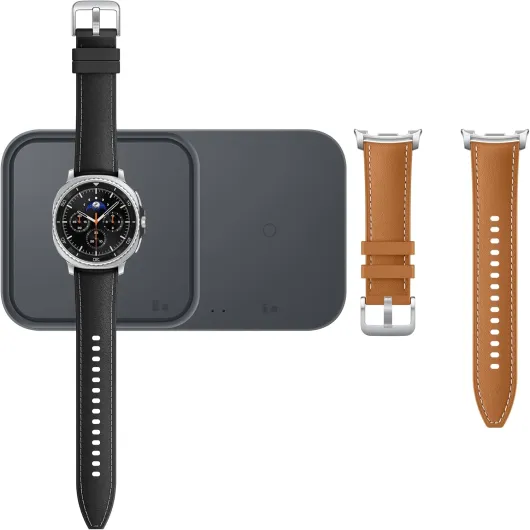
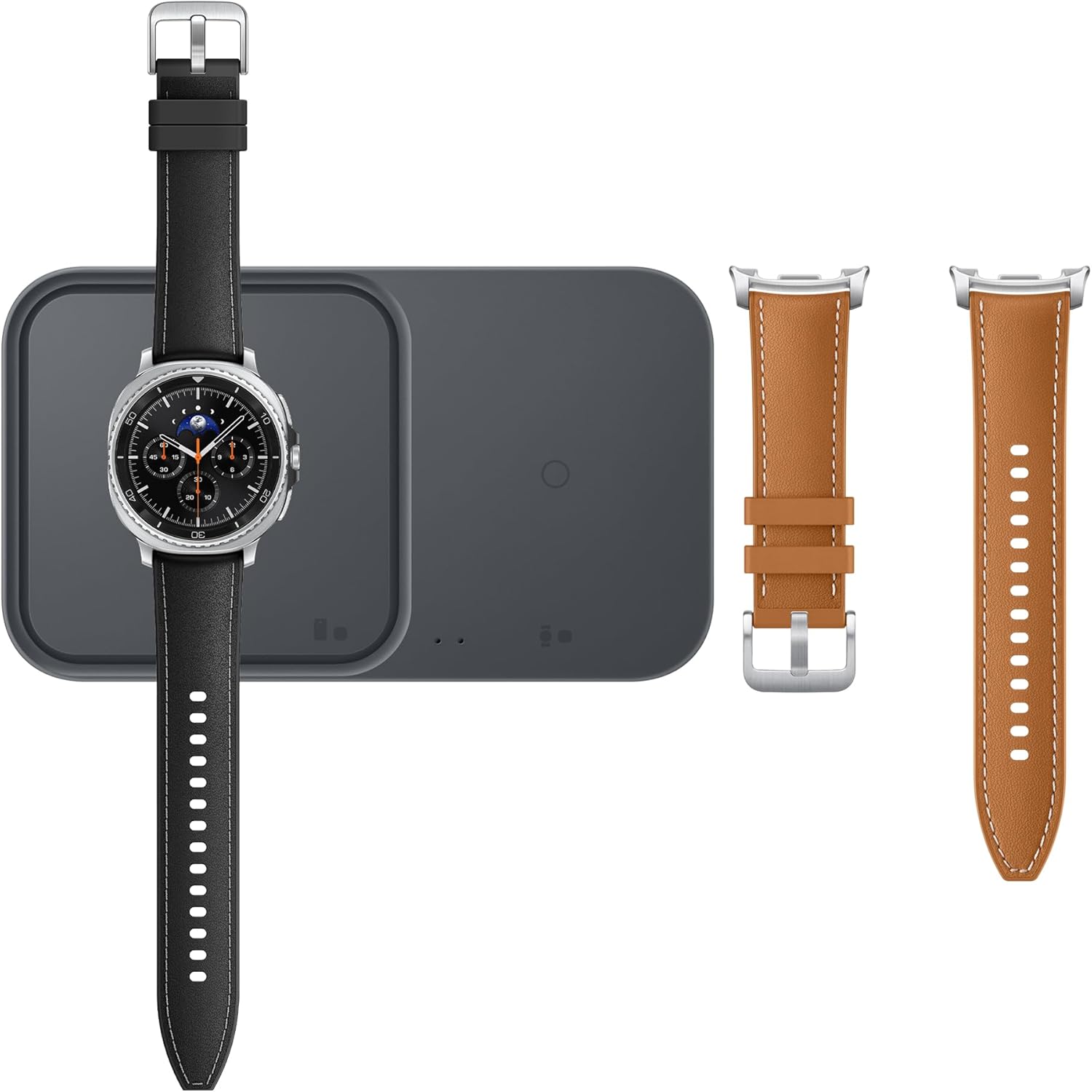
On the Android side, the Samsung Galaxy Watch line sets a high bar for the best touchscreen smartwatches. A recent Galaxy Watch Classic or Galaxy Watch Ultra style model combines a bright circular display, strong water resistance, and detailed fitness tracking with the Google Play app ecosystem. If you switch phones often, these Samsung Galaxy smartwatches work well with most modern Android devices and offer broad app support.
Cross platform buyers should compare Apple Watch and Galaxy Watch carefully. If you plan to move between iOS and Android, consider neutral options listed in guides to top smartwatches compatible with iOS and Android. Those models may not match every Apple Watch Series feature, but they protect you from being locked into one phone ecosystem.
Pixel watch, OnePlus watch and other Android friendly options
Google’s Pixel Watch and Pixel Watch 2 target Android users who want deep Google Pixel integration. These smartwatches run Wear OS, support Google Assistant on the wrist, and sync tightly with Google Fit for health fitness data. Their compact design suits smaller wrists, though battery life usually covers only about 24 hours before a recharge.
The OnePlus Watch and newer OnePlus Watch series models focus on long battery life and simple fitness tracking. They often last many life hours longer than a Pixel Watch, sometimes stretching to more than a week with moderate use. That endurance makes a OnePlus Watch best suited for travelers who cannot charge every night but still want reliable heart rate and sleep tracking.
Wear OS smartwatches from brands like Samsung, Google Pixel, and OnePlus now lean heavily on on device intelligence. If you are curious about how AI features change notifications, fitness tracking, and battery optimization, read this analysis of the AI smartwatch and on device intelligence on your wrist. These advances help the best touchscreen smartwatches predict your needs, surface relevant tiles, and manage power more intelligently.
Health, fitness tracking and sleep insights on your wrist
Health metrics now define the best touchscreen smartwatches more than simple notifications. Accurate heart rate sensors, reliable GPS, and robust fitness tracking modes turn a smartwatch into a daily health fitness companion. When you compare models, check how each watch handles continuous tracking, workout detection, and recovery insights.
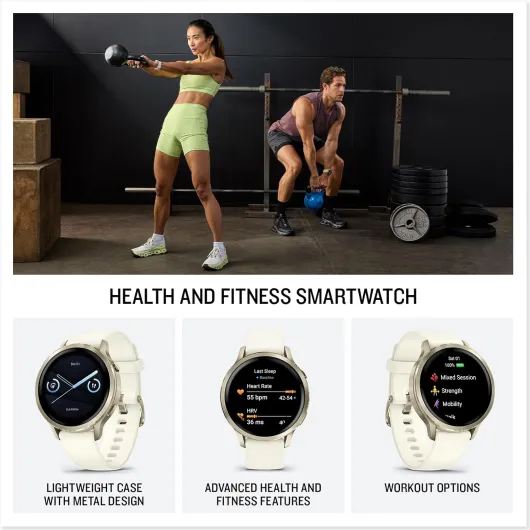
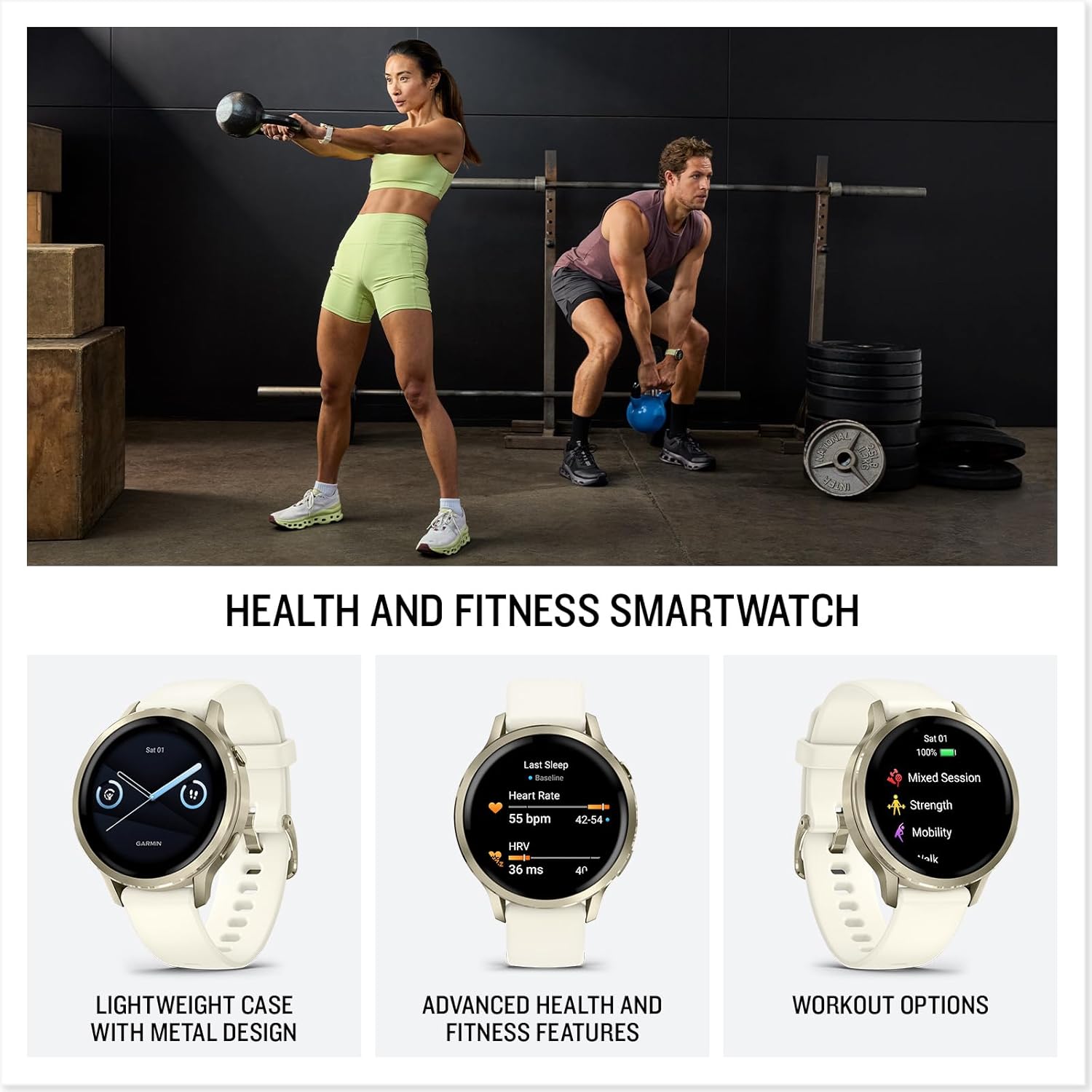
Devices like Garmin Venu and Withings ScanWatch lean strongly toward health and fitness. Garmin Venu smartwatches emphasize detailed fitness tracking, training load, and advanced GPS features for runners and cyclists. Withings ScanWatch focuses on medical grade style metrics, including atrial fibrillation alerts and sleep apnea screening, while still offering a bright display and multi day battery life.
Sleep tracking has improved across Apple Watch, Galaxy Watch, Pixel Watch, and other watch series devices. The best smartwatch models now break down sleep stages, estimate recovery, and correlate sleep quality with daytime activity. If you want meaningful insights, choose a watch with at least three days of battery life, so you can track sleep for many hours without constant charging.
Design, comfort, water resistance and durability
A touchscreen watch lives on your wrist all day, so design matters. The best touchscreen smartwatches balance slim cases, light materials, and straps that do not irritate skin during workouts. Rounded edges, well placed buttons, and a responsive crown or bezel make the watch easier to use when your fingers are wet or gloved.
Water resistance is essential if you swim, surf, or simply get caught in heavy rain. Many smartwatches, including Apple Watch, Galaxy Watch, Garmin Venu, and Withings ScanWatch, offer at least 5 ATM water resistance, which suits pool swimming and shower use. For divers or open water swimmers, check for specific swim tracking modes and higher depth ratings that protect the watch for more hours underwater.
Durability extends beyond water resistance to glass quality and case materials. A watch ultra style model with sapphire glass and titanium or stainless steel resists scratches better than cheaper plastic designs. If you are hard on gear, prioritize these tougher materials, even if they add a few grams to the watch and slightly reduce comfort during sleep tracking.
Battery life, charging habits and real world endurance
Battery life often decides which smartwatch feels truly smart. A watch that dies after a few hours of GPS use or constant display brightness quickly becomes a burden. When brands quote life hours, remember that real world use with notifications, fitness tracking, and music streaming usually shortens those claims.
Apple Watch Series models typically last one full day, while Samsung Galaxy Watch and Pixel Watch devices often stretch slightly longer with careful settings. Garmin Venu, Withings ScanWatch, and some OnePlus Watch series models can run for several days or even weeks, especially when you limit always on display features. These endurance focused smartwatches suit people who value long battery life over the most advanced apps.
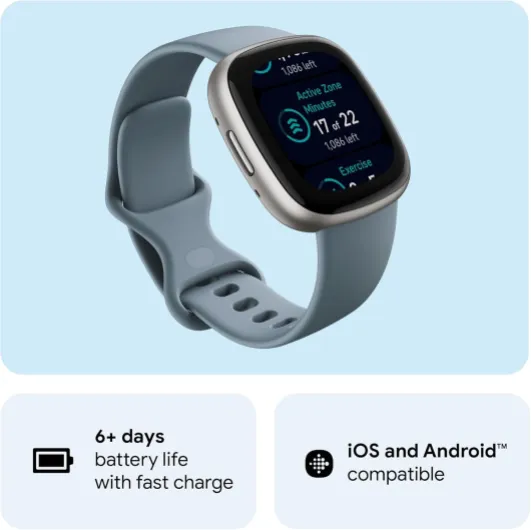
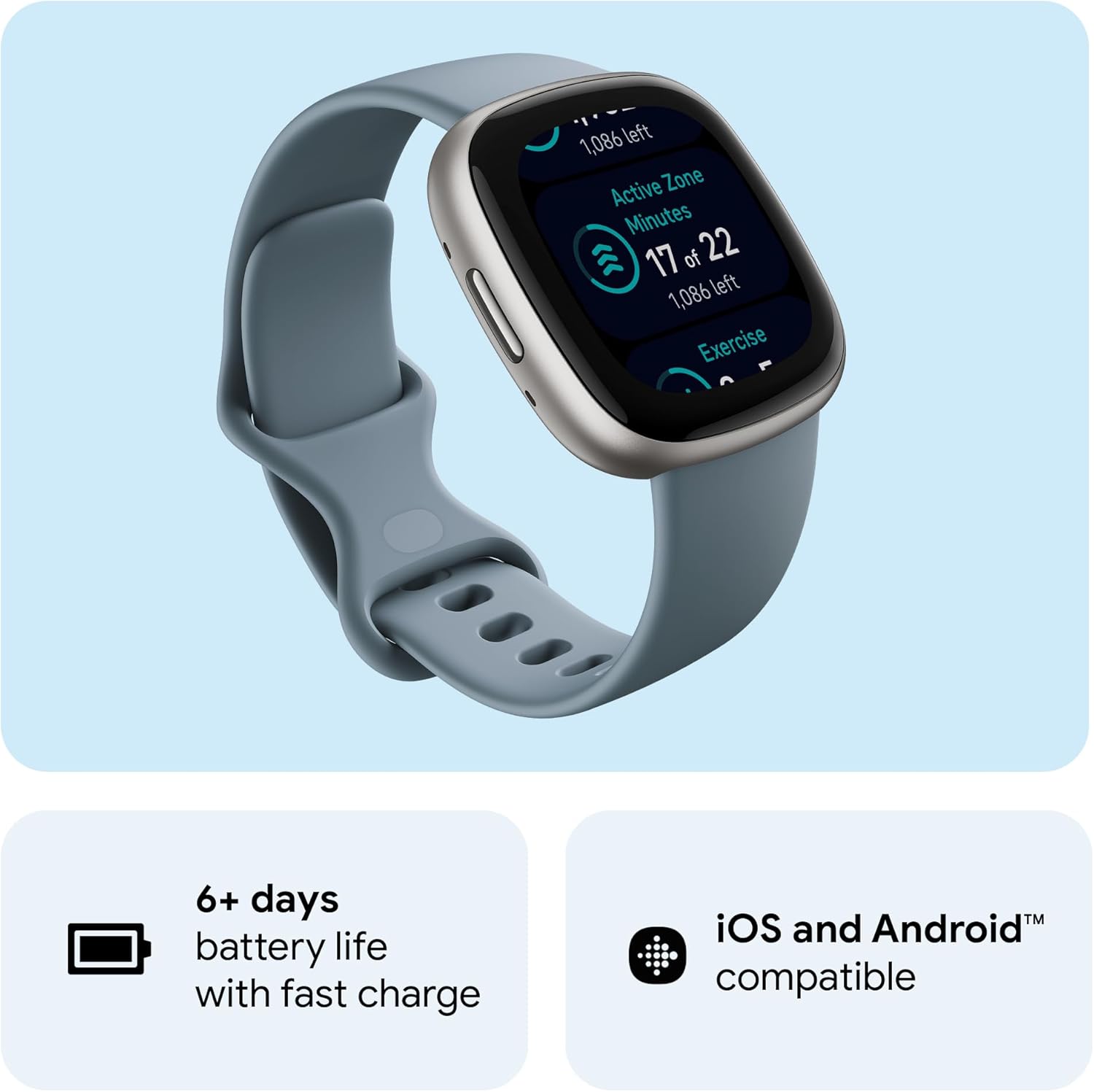
Charging style also shapes your routine with the watch. Fast charging on Apple Watch, Galaxy Watch, and Pixel Watch lets you top up during a shower or breakfast, keeping enough battery for another day of health fitness tracking. If you prefer to charge less often, a OnePlus Watch or Withings ScanWatch may be the watch best aligned with your habits, even if their app ecosystems feel simpler.
Connectivity, compatibility and setup tips for new buyers
Before choosing among the best touchscreen smartwatches, confirm phone compatibility. Apple Watch works only with iPhone, while most Samsung Galaxy Watch, Pixel Watch, OnePlus Watch, Garmin Venu, and Withings ScanWatch models support Android, and some also support iOS with reduced features. If you use multiple phones, a cross platform smartwatch avoids frustration when you switch devices.
Connectivity features such as LTE, Wi Fi, Bluetooth, and NFC payments change how independent your watch feels. A watch ultra or high end Galaxy Watch with LTE can handle calls, messages, and streaming without your phone nearby, though this reduces battery life. Budget smartwatches skip LTE but still offer strong fitness tracking, heart rate monitoring, and sleep tracking when paired with a phone.
Account setup can be confusing, especially when services push you toward one ecosystem. If you want to keep options open, guides such as how to create a Fitbit account without Google on your smartwatch and phone, available at this detailed Fitbit setup tutorial, show how to manage accounts more flexibly. Taking time to configure notifications, privacy settings, and health data sharing ensures your new watch supports your life instead of distracting from it.
Key figures about touchscreen smartwatch adoption
- Global smartwatch shipments reached roughly 150 million units according to Counterpoint Research, showing strong demand for the best touchscreen smartwatches across price segments.
- Apple Watch holds around 25 to 30 percent of the smartwatch market by volume, which reinforces its role as the best smartwatch choice for many iPhone users.
- Wear OS devices from Samsung Galaxy, Google Pixel, and other brands now account for more than one third of Android compatible smartwatches, reflecting rapid growth after recent software updates.
- Studies from major health institutions report that modern wrist based heart rate sensors can achieve accuracy within about 5 percent during steady state exercise, making smartwatches credible tools for everyday health fitness tracking.
- Surveys of smartwatch owners show that more than 60 percent use sleep tracking at least three nights per week, highlighting how battery life and comfort during the night strongly influence satisfaction.