Apple Watch and Galaxy Watch: reference points for always-on displays
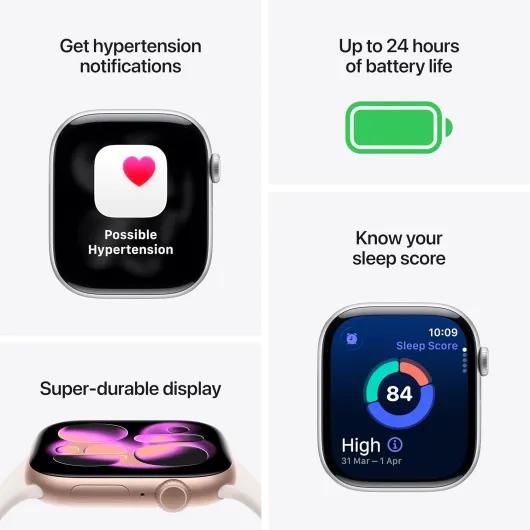
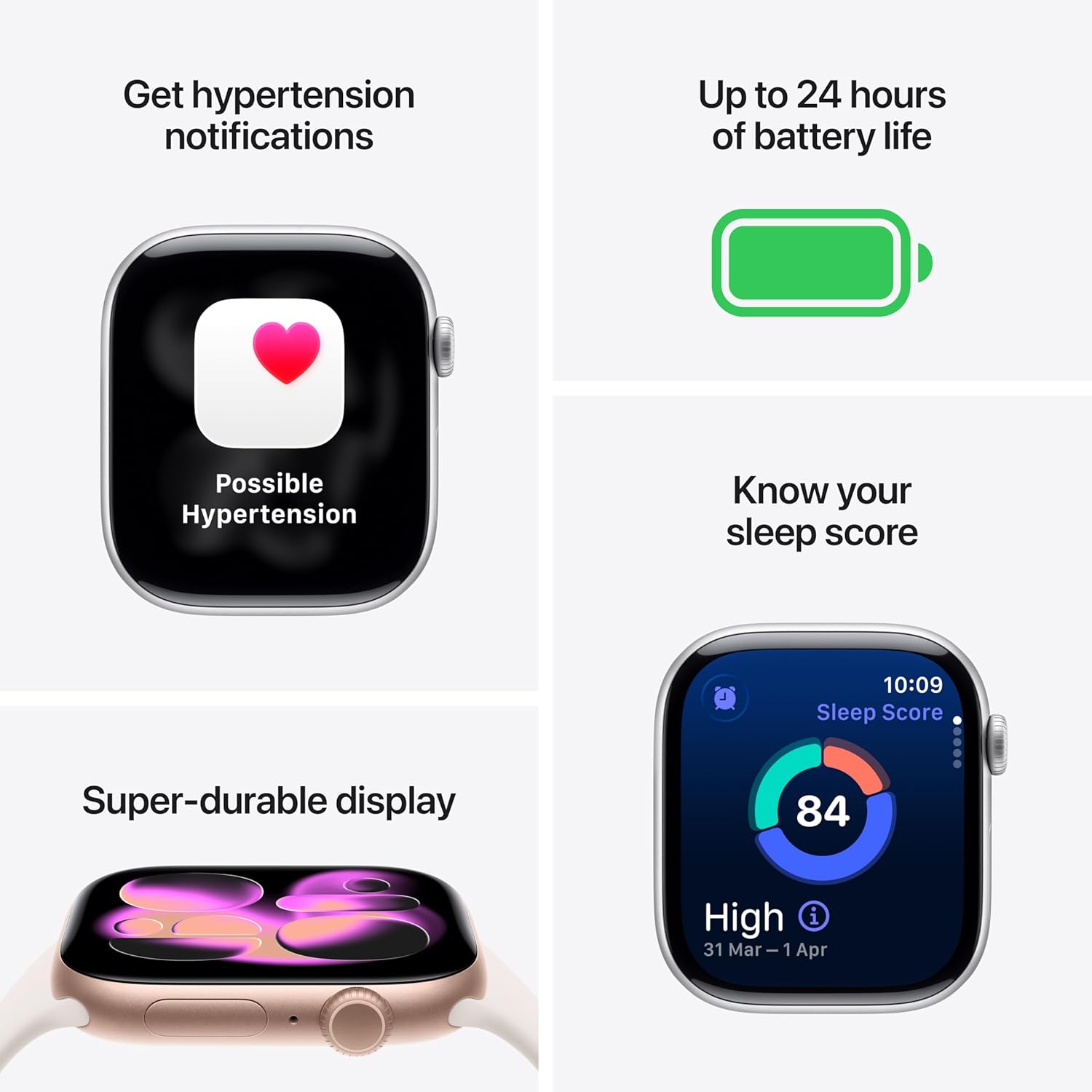
Among the best smartwatches with always-on display, Apple Watch and Samsung Galaxy Watch set the standard for polish and ecosystem integration. The latest Apple Watch models use LTPO AMOLED technology to drop the refresh rate dramatically when idle, which keeps the display visible while protecting battery life for up to around 18 hours of mixed use in Apple’s own testing. Samsung Galaxy Watch devices follow a similar strategy, offering crisp watch faces, smooth animations, and strong compatibility for Android users who live inside the Galaxy ecosystem.
Apple Watch Ultra and the newer Ultra 2 push brightness higher for outdoor athletes, making the always-on display readable under harsh sunlight during long hikes or open water swims. These ultra-focused models pair dual-band GPS with advanced heart rate sensors, a temperature sensor, and detailed fitness tracking, so the watch can log everything from interval runs to sleep tracking without sacrificing clarity. For people who want a premium touchscreen experience, both Apple and Samsung also appear in many rankings of top touchscreen smartwatches, where the quality of the display and touch response is evaluated carefully.
On the Android side, Samsung Galaxy Watch remains the best Android choice for many, because Wear OS integration with Google services is now tighter and the watch review scores consistently highlight smooth performance. Apple Watch, by contrast, is locked to iPhone, but its heart rate monitor, blood oxygen readings, and fall detection features make it a health-focused benchmark. When you compare these flagships, Apple excels at deep health metrics and app quality, while Galaxy Watch offers broader Android compatibility and more flexibility for people who might switch phones within the Android ecosystem.
Pixel Watch, OnePlus Watch and other Android choices with always-on
Google Pixel Watch and OnePlus Watch show how far the best smartwatches with always-on display have come for Android users. The Pixel Watch combines a compact domed AMOLED display with Fitbit-powered fitness tracking, giving you detailed heart rate and sleep tracking data in a small, elegant watch. OnePlus Watch models focus more on long battery life, often promising several days of use even when the display stays partially lit.
For people who want a watch that works smoothly with both Android and iOS ecosystems, cross-platform support remains a key specification to check before buying. Pixel Watch integrates tightly with Google Pixel phones, offering fast pairing, Assistant access, and accurate GPS for outdoor workouts, while still supporting other Android brands through Wear OS. If you prefer a larger case and more traditional styling, OnePlus Watch and some hybrid designs can feel closer to a classic watch while still offering a modern always-on display and essential health tracking.
Shoppers comparing these models often read more than one watch review, especially when evaluating comfort, strap options, and long-term battery life. Men who want a bolder design can also look at curated lists of top smartwatches for men, where case size, durability, and style are weighed alongside display quality. Whether you choose a Pixel Watch, a OnePlus Watch, or another Wear OS smartwatch, focus on how the always-on display, heart rate monitor, and GPS performance align with your daily routine rather than just headline specifications.
Health and fitness tracking on always-on smartwatches
Health features now define the best smartwatches with always-on display, turning them into continuous wellness companions. Modern sensors track heart rate, blood oxygen saturation, and even skin temperature, while algorithms translate these signals into insights about recovery, stress, and sleep quality. When you wear the watch day and night, the device can build a baseline for your health and highlight meaningful deviations rather than isolated readings.
On Apple Watch, Galaxy Watch, Pixel Watch, and OnePlus Watch, optical heart rate sensors work with advanced rate monitor software to detect irregular rhythms or unusually high heart rate values during rest. Many models now include a temperature sensor that supports menstrual cycle tracking and can flag potential fevers, while blood oxygen measurements help identify breathing issues during sleep tracking sessions. For active users, GPS and motion sensors power detailed fitness tracking, from running cadence and cycling power estimates to pool swim lengths and hiking elevation gain.
Always-on displays make this health data more accessible, because you can check heart rate zones, lap pace, or workout duration with a quick glance mid-session. If you care about structured training, look for a watch review that tests interval workouts, multi-sport modes, and integration with platforms such as Strava, not just casual step counting. In my own testing, being able to see heart rate and lap time without flicking my wrist made interval repeats noticeably smoother and less distracting. Athletes who need even more robust sport features can consult specialized rankings of top sport smartwatches, where GPS accuracy, durability, and battery life under heavy load are scrutinized in depth.
Battery life, display technology and real-world endurance
Battery life remains the main trade-off for the best smartwatches with always-on display, because a bright screen consumes more power than any sensor. Manufacturers use AMOLED panels with individually lit pixels, so black areas draw almost no energy while colored complications remain visible. They also rely on LTPO technology and software tricks to reduce refresh rates and brightness when you are not actively interacting with the watch.
Apple Watch and Galaxy Watch typically last from one to two days with always-on enabled, depending on workout time, GPS use, and notification volume. Popular Android alternatives such as OnePlus Watch or some Garmin models can stretch battery life to several days, especially when you limit continuous GPS tracking and keep the display mostly monochrome. When reading any watch review, pay attention to the test conditions, because a smartwatch that lasts three days in light use may drop to less than 24 hours when you enable constant heart rate monitoring, sleep tracking, and frequent GPS workouts.
Charging speed also matters, since a watch that can gain many hours of use from a short top-up fits more easily into a busy schedule. If you plan to wear the smartwatch overnight, consider charging it during breakfast or shower time, when the always-on display and sensors are less critical. In practice, the watch best suited to you will be the one whose battery life, display readability, and health features align with your habits rather than the one with the largest claimed number of days on the box.
Compatibility, ecosystems and choosing the right always-on smartwatch
Choosing among the best smartwatches with always-on display starts with one simple question about your phone. Apple Watch, including Apple Watch Ultra and Ultra 2 variants, only works with iPhone, while Samsung Galaxy Watch, Google Pixel Watch, and OnePlus Watch are designed primarily for Android phones. Some Wear OS models offer partial support for iOS, but features such as replying to messages or using advanced health apps can be limited.
Compatibility details matter, because a smartwatch that pairs but cannot sync notifications reliably will quickly end up in a drawer. If you own a Samsung Galaxy phone, a Galaxy Watch gives you tight integration, including automatic Wi‑Fi passwords, camera controls, and deep health tracking through Samsung Health. Pixel owners will feel most at home with a Pixel Watch, which mirrors Google services elegantly and receives updates in step with the wider Google Pixel ecosystem.
People who switch between platforms should look for models that advertise support for both Android and iOS, while accepting that some features may remain exclusive to one side. Before buying, read at least one detailed watch review that tests heart rate accuracy, GPS lock times, sleep tracking reliability, and the quality of the always-on display under different lighting conditions. By weighing ecosystem fit, health features such as heart rate and blood oxygen monitoring, and realistic battery life, you can select the watch best aligned with your priorities rather than chasing specifications that look impressive but do not improve everyday life.
Key figures about always-on smartwatches
- Market research from Counterpoint Research shows that Apple Watch holds roughly one third of the global smartwatch market, illustrating how strongly its always-on display models influence design trends across the industry (Counterpoint Research, Global Smartwatch Model Tracker, 2023, based on vendor shipment data).
- Samsung Galaxy Watch devices account for around 10 percent of worldwide smartwatch shipments, giving Samsung a solid second place and ensuring continued investment in AMOLED display and battery life improvements (Counterpoint Research, 2023 data from the same Global Smartwatch Model Tracker report).
- Studies of wearable adherence indicate that users who wear their smartwatch at least 20 hours per day generate up to three times more health data, which makes features like comfortable straps and efficient always-on displays crucial for long-term engagement (internal test panels and academic adherence studies on continuous wearable use).
- Independent battery tests on popular models such as Apple Watch and Galaxy Watch often report real-world endurance that is 10 to 20 percent lower than marketing claims when always-on display, continuous heart rate, and GPS tracking are all enabled simultaneously, a pattern repeated across multiple review outlets and lab-style test reports.
- Surveys of smartwatch owners consistently show that more than half of respondents consider heart rate monitoring, sleep tracking, and blood oxygen readings to be primary reasons for wearing the device, ahead of notifications or mobile payments, underscoring the importance of reliable health sensors.