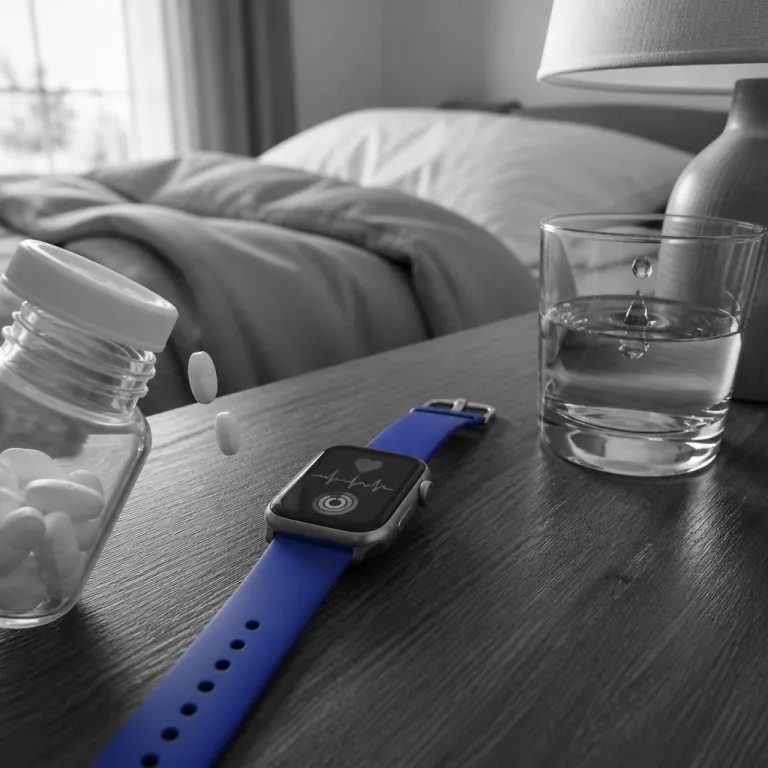
Why the best smartwatch for health monitoring looks different after 50
The best smartwatch for health monitoring at 55 is not the same device that excites a marathon runner at 30. You care less about shaving seconds off a 10 km pace and more about whether your watch can reliably flag an irregular heart rhythm before it becomes a problem. That shift changes which watch, which sensors, and which apps genuinely matter on your wrist.
For a health focused buyer, a smartwatch becomes a quiet medical companion rather than a flashy gadget for sport bragging rights. The right smart watch should make it easy to see heart rate trends, sleep patterns, and stress signals without forcing you to decode complex graphs every morning. When reviewers talk about the best smartwatch for health monitoring, they should judge how calmly and clearly it turns raw data into decisions you can actually act on.
That is why I look first at heart monitor reliability, fall detection, and long term sleep tracking before I even check the number of sport modes. A watch that nails AFib alerts and nightly oxygen saturation but only offers basic sport tracking is usually a better fit for someone over 50 than a racing focused fitness tracker with patchy heart data. In this age group, smartwatches fitness features are valuable only when they support health fitness goals like blood pressure control, weight management, and better recovery.
Heart rhythm, rate tracking and sleep: the new core metrics
Once you pass 50, heart rhythm and rate tracking accuracy move from nice to have to non negotiable. A smartwatch with an optical heart monitor that struggles during slow walks or light housework is not the best smartwatch for health monitoring, because those are exactly the activities that dominate your day. You want a watch that can track heart rate continuously, flag unusual spikes at rest, and log episodes your doctor can later review.
Devices like the Apple Watch Series 8 and Series 9, Samsung Galaxy Watch 5 and Watch 6, and Google Pixel Watch 2 stand out because their ECG apps are cleared in many regions to help detect possible AFib. In the United States, for example, Apple Watch Series 4 and later and Galaxy Watch models with ECG have received FDA clearance for irregular rhythm notifications, while in much of Europe they carry CE marking for similar use. That does not turn any Apple Watch, Galaxy Watch, or Pixel Watch into a medical device, but it does mean the heart data and rhythm alerts have passed basic regulatory checks. For someone with a history of palpitations, that extra layer of validation matters more than another sport band color or a slightly brighter black AMOLED screen.
Sleep tracking also changes role after 50, shifting from curiosity to a key health signal. A smartwatch that tracks sleep stages, breathing rate, and overnight heart rate can highlight patterns linked to sleep apnea or chronic stress, especially when you review several weeks of data. Peer reviewed studies on consumer wearables show that devices such as recent Apple Watch and Fitbit models can estimate sleep duration and detect broad sleep stages reasonably well, even if they are less precise than full lab polysomnography. To understand how to act on those trends rather than just stare at charts, resources that explain the lag between health data and real change, such as a detailed guide on interpreting heart rate variability drops, become as important as the watch itself.
Comfort, design and materials: why aluminum cases and bands matter more than specs
For an older wrist, the best smartwatch for health monitoring is the one you forget you are wearing until it vibrates with something important. That makes comfort, weight, and strap design just as critical as any heart sensor specification. A light aluminum case with a soft sport band usually beats a heavy stainless model, because you are more likely to keep that watch on through the night for sleep tracking.
Many mainstream smartwatches, from the latest Apple Watch Series GPS models to the slimmer Garmin Venu 3 line, now offer aluminum case options that keep total weight under roughly 40 grams and still deliver 18 to 72 hours of battery life depending on settings. Paired with a breathable band, even a case black finish can feel discreet enough for work, social events, and bed, which is exactly what you want from a health focused smart watch. If the watch digs into your wrist bone or the strap irritates your skin, you will take it off, and the missing data gaps quickly erode the value of any advanced monitor features.
Buyers comparing fitness trackers and smartwatches often obsess over battery life claims or the number of sport profiles. For a health first user, it is more useful to compare how each watch handles 24 hour wear, including showering, naps, and light sport sessions. When you look at alternatives to chest straps or subscription based bands, comparing a Whoop band with a Garmin Venu or Apple Watch on comfort, ongoing membership cost, and recovery metrics can help frame why design and day long wearability often trump raw sensor marketing.
Ecosystem, phone compatibility and the quiet battle between platforms
Once you start using a smartwatch as a daily health companion, it stops being an isolated gadget and becomes part of a wider ecosystem. The best smartwatch for health monitoring is usually the one that talks cleanly to your phone, your doctor, and sometimes your insurer. That is why the choice between an Apple Watch and a Galaxy Watch often runs deeper than a simple Apple versus Android iOS preference.
If you use an iPhone, the Apple Watch integrates tightly with the Health app, making it easy to share heart rate, sleep, and activity data with clinicians when needed. On the Android iOS side, the Galaxy Watch and Google Pixel Watch feed into Google Fit or Samsung Health, which handle long term trends differently and sometimes less transparently. A detailed comparison of how these platforms treat your health data, not just their watch faces, shows that the real divide between ecosystems goes far beyond operating system logos.
Cross platform users face extra friction, because most smartwatches fitness features work best when the watch and phone come from the same brand family. A Pixel Watch paired with a Pixel phone or a Galaxy Watch with a Samsung handset will usually sync faster, handle GPS cellular calls more smoothly, and back up data more reliably. For someone over 50 who may already juggle medical portals and pharmacy apps, that reliability can matter more than an extra sport mode or a slightly higher display refresh rate.
How to read ratings, stars and specs without getting misled
Online reviews for the best smartwatch for health monitoring can feel like a blizzard of stars, acronyms, and half explained features. A five star rate from a young runner who loves GPS accuracy during interval sport sessions tells you almost nothing about how that same watch handles quiet evenings on the sofa. You need to filter every rating through the lens of your own health priorities and daily routine.
When you scan product pages, focus on how people describe heart rate stability at rest, comfort during sleep, and ease of reading data with aging eyes. Comments about GPS performance still matter, but mainly to ensure the watch can track gentle walks or bike rides without draining the battery before bedtime. Pay attention to whether users mention reliable cellular calls from the wrist, because a GPS cellular model can double as a safety net if you fall or leave your phone at home.
Technical specs like case black color options, aluminum versus steel, or the exact watch series number are secondary to long term reliability. Look for patterns in complaints about failed heart monitor sensors, cracked aluminum case edges, or sync problems between smartwatches and phones. In this age group, the smartest buying move is to treat every fitness tracker, Garmin Venu, Galaxy Watch, or Apple Watch as a tool that must quietly serve your health, not as a toy that dazzles for a week and then lives in a drawer.
Quick buying checklist after 50:
- Heart concerns or AFib history: prioritize ECG, irregular rhythm alerts, and easy export of heart data for your doctor.
- Sleep, stress, or fatigue issues: look for reliable sleep tracking, overnight SpO2, and clear recovery or readiness scores.
- Fall risk or living alone: choose models with fall detection, emergency SOS, and optional GPS cellular connectivity.
- Joint pain or weight management: favor comfortable aluminum designs, simple activity goals, and gentle coaching over extreme sport metrics.
- Multiple doctors or apps: check how easily the watch shares data with health records, portals, and your existing phone platform.
FAQ
Is a smartwatch accurate enough to replace medical heart monitoring after 50 ?
A modern smartwatch with ECG and continuous heart rate tracking can provide useful early warnings, but it does not replace medical grade equipment. Devices like the Apple Watch, Galaxy Watch, Pixel Watch, and Garmin Venu can flag possible AFib or unusual heart rate patterns, which you should always confirm with a clinician. Several peer reviewed validation studies have shown that recent Apple Watch and Galaxy Watch ECG functions can detect atrial fibrillation with high sensitivity in controlled settings, but performance still varies in everyday life. Think of the watch as a first alert system that prompts timely medical checks, not as a standalone diagnostic tool.
Do I really need sleep tracking on my watch at my age ?
For many people over 50, sleep quality has a direct impact on blood pressure, mood, and daytime energy. A smartwatch or fitness tracker that tracks sleep duration, stages, and overnight heart rate can highlight patterns linked to insomnia, apnea, or late caffeine habits. The value comes from reviewing several weeks of data and discussing clear trends with a healthcare professional, not from obsessing over a single bad night.
Should I choose a cellular smartwatch or stay with Bluetooth only ?
A GPS cellular watch can call or text without your phone, which adds a layer of safety during walks or errands. For older users, that independence can be reassuring, especially if there is a history of falls or dizziness. If you rarely leave home without your phone and want to save on monthly fees, a Bluetooth only model is usually sufficient.
Is an aluminum case durable enough for everyday wear ?
An aluminum case is generally light, comfortable, and durable enough for daily use, especially when paired with a protective glass and a soft band. It may scratch more easily than steel, but the lower weight often improves comfort for 24 hour wear and sleep tracking. For most health focused buyers, aluminum offers the best balance between comfort, durability, and price.
Can I use a smartwatch with both Android and iOS phones over time ?
Some smartwatches work with both Android iOS platforms, but features often differ depending on the phone. An Apple Watch only pairs with iPhone, while a Galaxy Watch or Google Pixel Watch supports Android best and may lose functions with iOS. If you expect to switch phone platforms, choose a model with broad compatibility and accept that a few advanced features might not follow you across ecosystems.