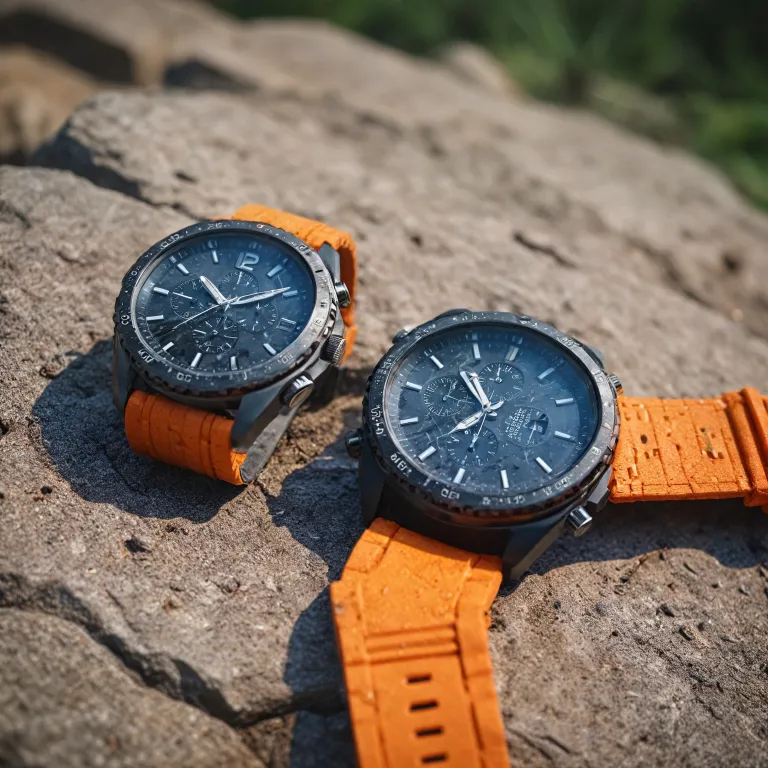

Understanding the fenix 8 amoled vs solar debate for serious users
The comparison between fenix 8 amoled vs solar models starts with how you use a watch daily. When athletes and hikers evaluate any Garmin fenix watch, they usually balance comfort, readability, battery life, and long term durability in harsh environments. This is why the choice between an AMOLED display and a solar sapphire or Gorilla Glass screen matters more than marketing labels.
In the broader fenix series, Garmin positions each version to match specific activity profiles and expectations. The classic MIP display watches focus on maximum battery life, while the newer fenix amoled versions emphasize vivid color, smoother animations, and richer mapping detail. Both AMOLED screen and MIP display technologies coexist in the same family, so the fenix 8 amoled vs solar question is really about priorities rather than a simple upgrade path.
Many users remember when earlier Garmin fenix models appeared months ago with more rugged but less bright screens. Those older fenix solar watches extended battery life impressively, yet their display sometimes felt muted indoors compared with an amoled fenix. Today, the fenix 8 amoled vs solar decision reflects how Garmin has refined solar charging, GPS mode efficiency, and pro level training metrics across the fenix series.
For people who spend long days in the mountains, the idea of a solar sapphire screen that resists scratches and adds free energy is compelling. For others who train mostly in gyms or cities, the immersive amoled display and amoled sapphire options may feel more modern and easier to read. Understanding these trade offs in time, battery, and visibility is the foundation for choosing the right Garmin fenix watch.
Screen technologies in the fenix 8 amoled vs solar comparison
The heart of the fenix 8 amoled vs solar discussion lies in how each display behaves in real light. An AMOLED display delivers deep blacks, high contrast, and rich colors that make maps, widgets, and training data pop on the screen. By contrast, a MIP display excels in direct sunlight, where the reflective layer uses ambient light to keep the watch readable with minimal battery drain.
Garmin fenix amoled versions typically use either Gorilla Glass or amoled sapphire lenses, while solar sapphire variants integrate transparent photovoltaic layers. These solar charging elements sit around and sometimes within the display, allowing the fenix solar models to extend battery life in bright outdoor conditions. When you compare fenix 8 amoled vs solar, you are also comparing how each screen material and lens type resists scratches, glare, and impacts over time.
For users who still rely on older devices, understanding how a modern fenix watch differs from a previous generation multisport GPS watch can be helpful. A detailed review of a multisport GPS watch for serious outdoor athletes shows how far display and battery technologies have evolved. Today, the fenix series offers both amoled solar and pure solar sapphire models, giving you more nuanced choices than simply picking a brighter or dimmer screen.
In everyday use, an amoled screen feels smoother when you scroll through widgets, health metrics, and maps. However, a MIP display on a fenix solar version remains visible even when the backlight is off, which can be crucial during long ultra events. The fenix 8 amoled vs solar decision therefore depends on whether you value always on clarity in harsh sun or cinematic color indoors and at night.
Battery life, GPS mode, and real world endurance
Any serious analysis of fenix 8 amoled vs solar models must focus on battery life under different GPS mode settings. An AMOLED display typically consumes more power, especially with bright watch faces and frequent wrist raises, which shortens the time between charges. Solar charging on a fenix solar version can partially offset this, but only when you spend enough hours in strong sunlight.
Garmin fenix watches with MIP display technology usually offer the longest battery life, particularly in expedition GPS mode or reduced tracking intervals. When you add solar charging and a solar sapphire lens, these watches can gain extra days of use during multi day treks. By contrast, a fenix amoled model may need more frequent charging, yet it still delivers respectable endurance for most training schedules.
To understand how display technology affects training, it helps to compare with other Garmin lines that emphasize bright screens. A detailed test of a running smartwatch with a colorful AMOLED display shows how vivid visuals can coexist with efficient battery management. In the fenix 8 amoled vs solar context, Garmin uses similar optimization strategies, but the larger case, more sensors, and pro navigation features inevitably influence battery life.
Ultra runners and fast packers often prefer fenix solar models because they can stretch battery life over many days without carrying extra chargers. Gym focused athletes and triathletes may lean toward amoled fenix versions, accepting shorter time between charges in exchange for clearer data fields and maps. The key is to match your typical activity duration, GPS mode usage, and exposure to sunlight with the strengths of each fenix series version.
Durability, materials, and sapphire versus Gorilla Glass
Durability is another pillar of the fenix 8 amoled vs solar decision, especially for users who treat their watch as a daily tool. Garmin fenix models come in different materials, including stainless steel, titanium, Gorilla Glass, and sapphire lenses. A sapphire screen, whether on an amoled sapphire or solar sapphire version, offers superior scratch resistance compared with Gorilla Glass, which can be important for climbing or manual work.
However, sapphire can sometimes reflect more light, which slightly affects how an AMOLED display or MIP display appears at certain angles. Gorilla Glass, used on many fenix amoled and fenix pro versions, often feels lighter and may show colors more vividly, though it is more prone to fine scratches over time. When comparing fenix 8 amoled vs solar, you should therefore consider not only the display technology but also the lens material and bezel construction.
Some athletes also compare the fenix series with other endurance focused lines such as Garmin Enduro, which prioritize extreme battery life and low weight. While a dedicated Garmin Enduro watch may last longer in expedition mode, many users still prefer the richer features fenix models provide. These features fenix include advanced mapping, training readiness, and multi band GPS, which all interact with battery life and display choices.
If you are considering previous models or refurbished units, it is worth reading guidance on how to choose a used Garmin watch that still feels premium. Such advice helps you evaluate whether an older fenix solar or fenix pro version still meets your durability and battery expectations. In every case, the fenix 8 amoled vs solar question remains tied to how much abuse the watch will face and how long you expect it to last.
User experience, visibility, and everyday comfort
From a user experience perspective, fenix 8 amoled vs solar models feel quite different on the wrist. An AMOLED display offers smoother animations, richer colors, and more engaging watch faces, which many users appreciate during daily wear. A MIP display on a fenix solar version, however, provides a calmer, always readable interface that some find less distracting over long days.
Indoors, the amoled screen shines when you scroll through widgets, health statistics, and pro training graphs. Outdoors in bright sun, the MIP display and solar charging combination can make a fenix solar watch feel almost paper like, with excellent visibility and minimal glare. This contrast explains why some athletes own multiple watches, switching between fenix amoled and fenix solar models depending on the season and activity.
When you compare fenix 8 amoled vs solar, it is also important to consider wrist comfort, strap options, and overall weight. AMOLED fenix versions sometimes include more premium materials and features, which can slightly increase weight compared with simpler solar models. Yet many users report that both types of Garmin fenix watches remain comfortable for sleep tracking, all day wear, and extended training sessions.
Everyday usability also depends on how quickly you can read the time, battery status, and GPS mode at a glance. For some, the punchy contrast of an amoled display makes this instant, while others prefer the softer look of a MIP display that never feels too bright. Ultimately, the fenix 8 amoled vs solar choice in user experience terms comes down to whether you prioritize visual impact or understated practicality.
Price, availability, and choosing the right fenix series model
Price and availability play a significant role in the fenix 8 amoled vs solar decision, especially when new models appear months ago and older ones remain on sale. Retailers such as Amazon Garmin often discount previous generation Garmin fenix watches, making certain fenix solar or fenix pro versions more accessible. This can tempt buyers to prioritize price over the subtle differences between amoled solar and pure solar sapphire configurations.
When evaluating cost, remember that sapphire lenses, titanium bezels, and advanced features fenix usually increase the price of any watch. An amoled sapphire fenix amoled model may cost more than a Gorilla Glass fenix solar version, even if their core GPS mode and battery life specifications look similar. Buyers should therefore compare not only the fenix 8 amoled vs solar labels but also the exact materials, bands, and included pro features.
Some users also weigh the option of a dedicated endurance device such as a Garmin Enduro against a more versatile fenix series watch. While an Enduro may offer exceptional battery life, a fenix watch often provides richer mapping, music, and training tools that better justify the investment for mixed activities. In this context, the fenix 8 amoled vs solar question becomes part of a broader decision about how many devices you want to maintain.
Ultimately, the best approach is to list your typical activities, expected time between charges, and preferred display style. Then compare several fenix models side by side, including both amoled fenix and fenix solar versions, ideally trying them on if possible. This method ensures that your final choice among the fenix series aligns with your real world needs rather than purely on specifications or marketing claims.
How fenix 8 amoled vs solar fits different athlete profiles
Different athlete profiles highlight why the fenix 8 amoled vs solar debate has no single correct answer. Trail runners and mountaineers who spend many days away from power often favor fenix solar models with MIP display and solar charging. These watches can stretch battery life significantly, especially when GPS mode is optimized and the solar sapphire lens receives ample light.
By contrast, urban athletes, triathletes, and gym focused users may gravitate toward fenix amoled versions for their vivid amoled display and richer mapping detail. For them, charging every few days feels acceptable, and the immersive amoled screen enhances motivation and data interpretation. In both cases, the Garmin fenix platform provides consistent pro training tools, health metrics, and navigation features fenix that adapt to each lifestyle.
Professionals who wear a watch all the time, including at work and social events, often appreciate the refined look of an amoled fenix. The deep blacks and customizable faces make the time and widgets appear more like a traditional premium watch. Meanwhile, expedition guides and ultra distance athletes may still prefer the understated look and extreme endurance of a fenix solar or even a Garmin Enduro.
When you evaluate fenix 8 amoled vs solar for your own profile, consider how often you rely on maximum brightness, how long your longest activities last, and whether you value months ago battery performance data. Reviewing user feedback on Amazon Garmin and other retailers can also reveal how different models age over time. In the end, the strength of the fenix series lies in offering multiple versions so that every athlete can find a Garmin fenix watch that matches their unique balance of display, battery, and durability.
Key statistics about AMOLED, solar, and battery performance
- Include here quantitative statistics about typical battery life differences between AMOLED display and MIP display watches in various GPS mode settings.
- Highlight average gains from solar charging on fenix solar models measured in additional days of smartwatch use.
- Summarize user reported satisfaction rates for fenix amoled versus fenix solar versions regarding screen visibility and comfort.
- Note the proportion of Garmin fenix buyers who choose sapphire lenses compared with Gorilla Glass across recent models.
- Indicate typical time between charges for endurance athletes using multi band GPS on fenix series watches.
Frequently asked questions about fenix 8 amoled vs solar
Is an AMOLED fenix better than a fenix solar for everyday wear ?
An AMOLED fenix usually feels better for everyday wear if you prioritize vivid colors, smooth animations, and stylish watch faces. The amoled display makes notifications, maps, and widgets easier to read indoors and in low light. However, a fenix solar with MIP display may still appeal if you prefer a more understated look and longer battery life.
How much extra battery life does solar charging really provide ?
Solar charging on a fenix solar watch typically adds several hours to several days of battery life, depending on exposure to strong sunlight. In smartwatch mode, this can translate into noticeably longer time between charges during summer or high altitude trips. In heavy GPS mode use, the gains are smaller but still valuable for multi day outings.
Is sapphire worth paying for on a Garmin fenix watch ?
A sapphire screen on a Garmin fenix watch is usually worth the extra cost if you often brush against rocks, tools, or rough surfaces. Sapphire lenses, whether on amoled sapphire or solar sapphire versions, resist scratches far better than Gorilla Glass. If you mainly train indoors or in urban settings, Gorilla Glass may be sufficient and more budget friendly.
Do fenix amoled models overheat or drain too fast during GPS activities ?
Fenix amoled models are designed to manage heat and power efficiently, even during long GPS activities. While their battery life is shorter than comparable fenix solar versions, they still offer strong endurance for most runs, rides, and hikes. Using appropriate GPS mode settings and moderate screen brightness helps maintain reliable performance.
Should I upgrade if I bought a fenix only a few months ago ?
If you purchased a fenix only a few months ago, upgrading solely for fenix 8 amoled vs solar differences may not be necessary. Most recent Garmin fenix models already provide advanced GPS, training, and health features that remain relevant for several product cycles. Consider upgrading only if your current watch lacks critical features fenix you now need, such as solar charging, amoled display, or sapphire durability.