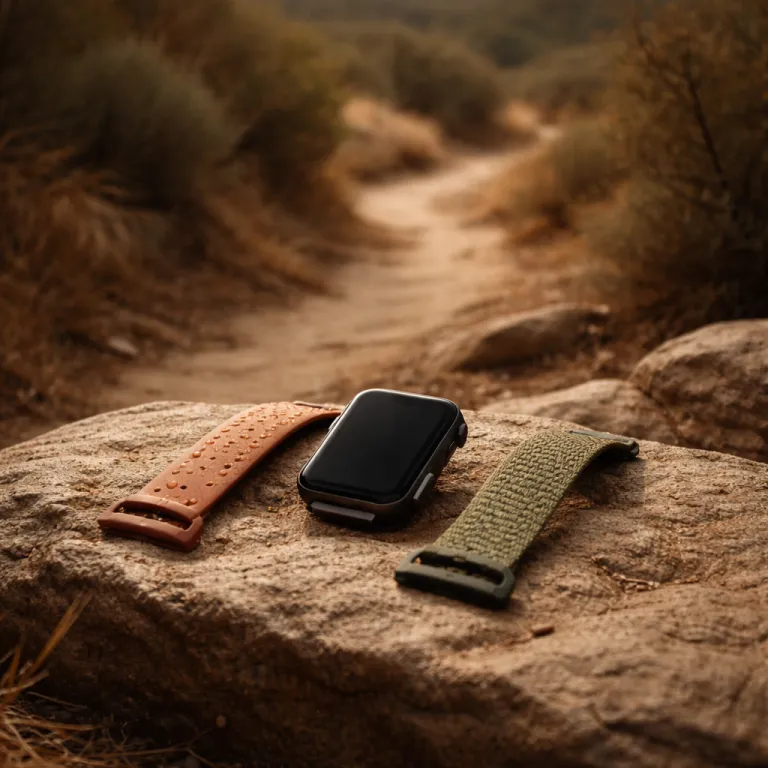
Why the best smartwatch band for running is a data problem, not a fashion choice
A running watch is only as accurate as the band that holds it steady. When a smartwatch strap slips during training, your heart rate graph turns into noise and every fitness tracker on your wrist becomes less useful. If you care about high quality fitness data, you must treat the band as seriously as the watch itself.
Optical heart rate sensors on watches from Apple, Garmin, Fitbit and Coros need consistent skin contact to stay accurate. A loose band means the tracker lifts with every stride, letting light leak in and confusing the sensor, which ruins heart rate tracking and any GPS based pace guidance that depends on those numbers. Manufacturer guidance from Apple and Garmin recommends a snug, but comfortable fit for workouts, because the best smartwatch band for running is the one that keeps the watch stable enough for reliable tracking without cutting off blood flow or wasting battery life through constant screen wake ups and re-locking.
Think of the band as a load bearing part of your training system, not a decorative strap. If you use a Garmin Forerunner or a Garmin Fenix with multi band or dual band GPS, the watch can plot your route precisely while the band quietly decides whether your heart rate zones and recovery metrics make sense. The same logic applies to an Apple Watch, a Watch Ultra, a Fitbit Charge or even an Oura Ring paired as a secondary tracker, because the strap or ring fit controls how accurate every sensor reading will be and how trustworthy your training data becomes over time.
Silicone and fluoroelastomer bands: default choice for most running watches
Silicone and fluoroelastomer bands are the default on most running watches for a reason. They tolerate sweat, salt water and repeated bending without cracking, which makes them a strong candidate for the best smartwatch band for running if you train several days per week. For many people they are the best balance between comfort, durability and stable heart rate tracking.
On an Apple Watch or Watch Series model, the standard sport band and sport loop alternatives use soft fluoroelastomer that hugs the wrist and keeps the watch body flat against the skin. That close contact helps the optical heart rate sensor and blood oxygen sensor stay accurate during interval training, although the material can trap sweat and heat on very long runs. Apple’s own support notes that a snug fit improves readings, and if you pair a silicone band with a fitness tracker such as a Fitbit Charge or a Garmin Forerunner, you get similar stability, but you must rinse the band after every workout to avoid skin irritation.
Silicone bands also work well with GPS heavy training plans because they do not stretch much under load. In controlled comparisons where the same runner repeated identical routes with a Garmin Fenix and Coros Pace using multi band or dual band GPS modes, a snug silicone strap produced smoother heart rate traces and fewer short dropouts than a looser fabric loop on the same course. If you are comparing different Galaxy or Apple style straps, a detailed guide on how to choose the best Galaxy Watch bands for your style and needs can help you match silicone options to your specific watch and training goals.
Woven nylon and sport loop bands: breathable comfort with hidden trade offs
Woven nylon and sport loop bands feel like a revelation after dense silicone on a hot day. The fabric lets sweat evaporate, so the skin under your watch stays cooler and less clammy during long fitness sessions or back to back days of training. For many runners, a well made sport loop is the best smartwatch band for running in warm climates.
On Apple Watch models, the official sport loop and similar third party woven bands use tiny loops of nylon that grip against a hook and loop closure. This design spreads pressure evenly, which improves comfort and can keep heart rate readings stable even when your pace changes quickly. Independent user testing often shows good agreement between fabric and silicone bands for steady efforts, but the downside appears after a couple of months of machine washing, when the loops start to lose tension and the band slowly loosens mid run, which hurts tracking accuracy and can make fitness trackers misread your heart rate spikes.
Fabric bands pair nicely with lighter running watches such as the Coros Pace or smaller Garmin Forerunner models, where the reduced weight means less bouncing on the wrist. If you want an office friendly look, a black woven strap can dress up an Apple Watch or Watch Ultra while still working for training, and a focused guide to choosing the perfect black Apple Watch band for your style and needs can narrow the options. Just remember that woven bands soak up sweat, so you must rinse and air dry them after every workout to protect both the band and the watch battery seals from trapped moisture and salt.
Leather, metal and office friendly bands: why style bands fail real training
Leather and metal bands look refined in a meeting, but they are rarely the best smartwatch band for running. Leather absorbs sweat, stretches and then dries stiff, which quickly ruins both comfort and heart rate accuracy on any watch, whether it is an Apple Watch, a Garmin Fenix Pro or a basic fitness tracker. Metal bracelets add weight and slack, so the watch rocks on the wrist and the sensors lose contact whenever your stride gets bouncy.
Influencer photos of a Watch Ultra or Garmin Fenix with a chunky steel bracelet during a tempo run ignore how these bands behave after an hour of real training. The extra mass increases movement, which makes optical heart rate tracking less accurate and can slightly affect GPS performance when the watch shifts enough to change how consistently the sensors sit on your skin. In simple A/B comparisons with a metal bracelet versus a snug silicone strap on the same route and pace, runners often see more frequent heart rate spikes and brief signal drops with the heavier band, along with a few extra percentage points of battery drain from repeated screen wake ups.
There is a narrow case for leather or metal on short, easy runs where you care more about steps than precise fitness data. A slim metal band on a smaller Watch Series model or a discreet leather strap on a Whoop style tracker can pass in formal settings, but they should not be your primary training setup. If you want a band that moves from office to gym, a soft silicone solo loop or a low profile sport band usually offers a better compromise between style, comfort and accurate heart rate tracking.
Fit, hygiene and smart band strategies for serious training data
Getting the best smartwatch band for running is only half the job, because fit and hygiene decide whether your data stays reliable. The watch should sit one finger width above the wrist bone, with the band tight enough that the case does not slide when you swing your arm. During high intensity intervals, you may need to snug the band one extra notch to keep heart rate readings stable, then loosen it slightly for all day wear to protect comfort and circulation.
Skin irritation usually comes from trapped sweat, soap and sunscreen rather than the watch itself, especially with silicone bands that seal against the skin. Rinse both the band and the underside of the watch with lukewarm water after every workout, then pat dry with a soft cloth and let everything air dry before you strap the watch back on. This simple protocol extends band life, protects the watch seals and keeps optical sensors clear, which helps every fitness tracker from Fitbit Charge to Garmin Forerunner and Coros Pace maintain accurate tracking over many days of use.
For heavy training schedules, rotate at least two bands so each one can dry fully between sessions, especially if you use woven nylon or fabric sport loops. Triathletes often keep a quick release silicone band for swimming and running, then swap to a softer office band for daily wear, which protects both comfort and the watch battery life by reducing constant moisture exposure. If you are also thinking about cases or different straps for an Apple Watch, a detailed guide to choosing the right case for your 44 mm Apple Watch can help you build a complete setup where the case, band and watch work together instead of fighting your fitness goals.
First party versus third party bands: where to save and where to spend
Brand name bands from Apple, Garmin and Fitbit cost more, but they are not always the best smartwatch band for running for every buyer. Third party silicone and nylon bands can match the comfort and stability of official straps at a fraction of the price, which makes it easier to build a small rotation for different training and office needs. The key is to focus on clasp reliability, material quality and how securely the band attaches to the watch body.
First party bands usually win on tolerances and long term durability, especially for heavy GPS training with watches like the Garmin Fenix, Garmin Fenix Pro or Watch Ultra. Their lugs lock into the watch with less play, which reduces micro movement that can disturb heart rate tracking during intervals or hill repeats. Official bands also tend to hold color better after repeated exposure to sweat, salt water and sun, which matters if you wear the same fitness tracker or running watch for many days in a row.
Third party bands shine when you want variety or specific features, such as extra long straps for wearing a watch over winter layers or multi band and dual band compatible designs that route GPS antennas differently. Some aftermarket bands for Garmin Forerunner, Coros Pace or even Oura Ring accessories use softer silicone or more breathable weaves than the originals, which can improve comfort without hurting tracking accuracy. Popular examples include budget silicone straps in the $10–$20 range from well reviewed brands, mid range woven loops around $25–$35 and premium quick release systems closer to $50. For most runners, the smart move is to buy one high quality first party band for serious training, then add a couple of well reviewed third party bands for casual wear so you protect both your watch and your budget while keeping your fitness trackers ready for real work.
FAQ
How tight should a smartwatch band be for accurate heart rate tracking ?
The band should be snug enough that the watch does not slide when you swing your arm, but not so tight that it leaves deep marks or feels numb. Aim for one finger width above the wrist bone and tighten one extra notch for intervals or sprints. If the watch leaves sharp imprints or feels painful, loosen it slightly and test heart rate stability on an easy run.
Is silicone or fabric better for long distance running ?
Silicone offers better stability and is easier to clean, which helps maintain accurate heart rate and GPS tracking on long runs. Fabric sport loops feel cooler and more breathable, but they absorb sweat and can loosen over time, especially after machine washing. For marathons or frequent long runs, many runners prefer silicone for reliability and keep fabric bands for shorter or cooler sessions.
Can I run with a leather or metal smartwatch band ?
You can run with leather or metal bands, but they are not ideal for serious training. Leather absorbs sweat, stretches and then stiffens, which hurts comfort and sensor contact, while metal bracelets add weight and slack that make the watch bounce. If you care about accurate fitness data, reserve leather and metal for office wear and use silicone or sport loop bands for workouts.
How often should I clean my smartwatch band ?
Clean the band after every workout that involves sweat, swimming or sunscreen. Rinse it with lukewarm water, use a mild soap if there is visible residue, then dry it thoroughly before putting it back on. Regular cleaning prevents skin irritation, protects the watch seals and keeps optical sensors clear for accurate tracking.
Do third party bands affect GPS or battery life ?
Most third party bands do not directly affect GPS accuracy or battery life, as those depend mainly on the watch hardware and settings. Problems arise when a poorly fitting band lets the watch move excessively, which can disturb heart rate readings and cause the screen to wake more often, indirectly draining the battery. Choosing bands with secure lugs and reliable clasps keeps the watch stable and lets GPS and sensors work as designed.