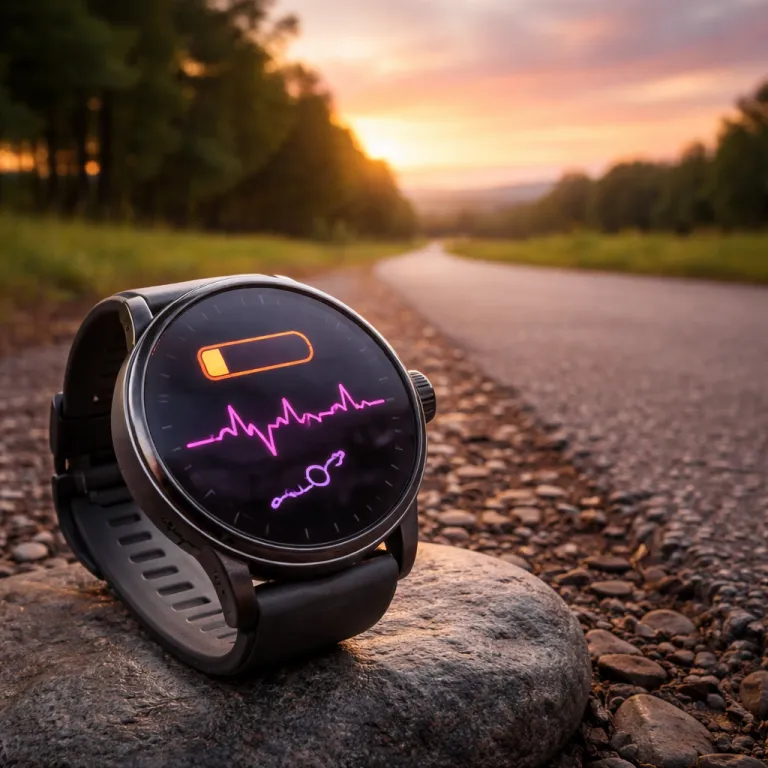

Garmin Venu 4 after three months on the wrist
This Garmin Venu 4 long term review only really takes shape once the honeymoon ends. After more than ninety days of daily wear, the watch settles into a clear role as a lifestyle first smartwatch that still respects serious fitness needs. It is the Garmin option you pick when you want reliable health tracking without the tactical bulk of a Fenix or the race focus of a Forerunner.
Garmin positions the Venu family as its most approachable line, and the Venu 4 continues that strategy with a light case, bright AMOLED display and a band that feels comfortable enough to forget overnight. During this extended Venu review period, the watch handled runs, strength sessions and office days with equal ease, which matters if you want health fitness data that reflects your real life rather than just your workouts. The result is a smartwatch that feels less like a gadget and more like a quiet lifestyle logging companion that happens to be very good at fitness tracking.
Physically, the Venu Garmin design is understated, with a rounded bezel and optional stainless steel accents that look at home next to a shirt cuff. The supplied silicone band is soft but secure, although the clasp can occasionally catch on tighter sleeves during the day, which becomes noticeable only after weeks of use. If you care about style as much as training, this is probably the best Garmin watch in the current lineup for blending into everyday life while still offering full health monitoring and accurate GPS tracking.
Battery life, gps and multi band performance in real training
Garmin claims the Venu 4 can reach double digit days of battery life in smartwatch mode, but long term testing paints a more nuanced picture. Over three months, the watch was paired mainly with a recent Android phone, worn on the left wrist and used in mixed indoor and outdoor conditions. With always on display disabled, continuous heart rate monitoring, all day health tracking and roughly forty five minutes of band GPS use per day, the watch consistently lasted around eight to nine days between charges.
Switch on always on display and add multi band GPS for longer runs, and you are realistically looking at five to six days battery before you reach for the charger. Typical test weeks included three runs of thirty to sixty minutes, one longer weekend session of up to ninety minutes and several short walks with GPS enabled. Charging was always done from around ten percent remaining to full on the supplied cable, which makes the battery numbers repeatable if you follow similar habits.
For structured training, GPS accuracy is where this Garmin Venu 4 long term review shows real progress over the previous Venu generation. In dense city streets with tall buildings, the new multi band system locks onto both L1 and L5 signals, which keeps tracks cleaner and corner cutting to a minimum compared with the older Venu models. Side by side runs with a Forerunner and a Fenix using similar band GPS settings on a familiar river loop showed that the Venu 4 now sits much closer to those dedicated fitness watches, even if it still gives up a little precision during very fast intervals.
If you are wondering whether to buy this Venu Garmin or step up to a tougher outdoor model, battery and GPS are the key dividing lines. A Fenix with solar charging, as tested in detailed Fenix long lasting battery reviews, still wins for multi day expeditions and heavy multi band use. For most runners training three or four days per week, though, the Venu 4 strikes a better balance between battery, weight and price, especially if you value a slimmer watch that looks less like a piece of mountaineering gear.
Heart rate, sleep tracking and health monitoring over time
Any serious Garmin Venu 4 long term review has to focus on health tracking, because that is where this watch spends most of its time working. Continuous heart rate monitoring is generally accurate at rest and during steady efforts, with readings closely matching a chest strap once the watch is snug on the wrist. During short sharp intervals, though, the optical sensor still lags by roughly fifteen to twenty seconds, which is a limitation of wrist based PPG rather than a unique flaw of this particular smartwatch.
To check this, several interval sessions were recorded with the Venu 4 on one wrist and a chest strap paired to a Forerunner on the other, then compared in Garmin Connect. Peak values and average heart rate for each rep were usually within a few beats, but the wrist based trace showed smoother peaks and slower drops, especially during sprints from a standstill. For steady tempo runs and easy mileage, the difference was small enough that most users will not notice it in day to day training.
Sleep tracking has improved compared with earlier Venu review models, especially when you wear the band slightly higher on the arm to keep the sensor stable. The watch now does a better job of identifying wake periods and aligning total sleep time with how rested you actually feel the next day, which makes the Body Battery and sleep score metrics more trustworthy. Over many days and nights, these health monitoring tools become less about single numbers and more about patterns, helping you see how late training sessions, alcohol or stress affect your recovery and overall health fitness.
Garmin Connect remains the hub for all this lifestyle logging, and it is both powerful and occasionally overwhelming for new users. The app surfaces health tracking trends, heart rate variability estimates and stress scores, although the latter still feels somewhat arbitrary compared with the more grounded Body Battery metric. If you are cross shopping with an Apple Watch, expect the Venu 4 to give you deeper training and recovery data but a less polished app store and fewer third party lifestyle integrations, even though the core health data is often more athlete focused.
Display, features and everyday smartwatch experience
The AMOLED display is one of the headline features of the Venu 4, and it finally addresses the auto brightness complaints that dogged the previous Venu models. Indoors, the screen now adjusts smoothly without the distracting flicker or sudden jumps that some users reported before, while outdoors it remains readable even in bright sunlight during midday runs. Over many days of mixed use, including office lighting, shaded park paths and direct sun on long runs, the display simply fades into the background, which is exactly what you want from a fitness focused smartwatch that doubles as an everyday watch.
On the wrist, the watch handles notifications, calendar events and basic voice assistant interactions with quiet competence, though it still trails the Apple Watch for sheer app ecosystem depth. The Connect IQ store offers some useful widgets and watch faces, but it remains the weakest link in the Garmin ecosystem, especially if you are used to richer third party options on other platforms. That said, the core features that matter for training and health monitoring are all built in, so you rarely feel forced to hunt for extra apps just to make the device useful.
Hardware details matter over the long term, and this Garmin Venu 4 long term review highlights both strengths and weaknesses. The stainless steel bezel looks premium but can pick up fine scratches faster than the tougher coatings on a Fenix, so you may want a screen protector if you are hard on your gear. The supplied band is comfortable for sleep tracking and all day wear, yet the clasp can occasionally snag on cuffs, a small annoyance that only becomes obvious after many days of putting the watch on and off.
Who should choose the Venu 4 versus Forerunner or Fenix
Choosing between this Venu Garmin, a Forerunner and a Fenix comes down to how you balance style, training depth and budget. If you run three times a week, lift a couple of days and want a watch your partner will not hate at dinner, the Venu 4 is probably the best fit in the current Garmin lineup. It gives you strong GPS tracking, solid battery life and meaningful health monitoring without the visual bulk or higher price of the more rugged models.
Forerunner models still win for race focused athletes who live inside structured training plans and advanced metrics, especially if you care about every second of interval accuracy. Fenix models, as covered in detailed premium multisport reviews, are better suited to mountaineers, ultra runners and divers who need extreme durability, longer days battery and more robust stainless steel or titanium builds. The Venu 4 instead leans into lifestyle logging, comfortable sleep tracking and a bright display that looks good in the office, the gym and a restaurant.
If you are already in the Garmin ecosystem, the transition is straightforward thanks to Garmin Connect syncing your history, preferences and health tracking baselines. Newcomers coming from an Apple Watch or another platform may want to read guides on account setup, such as tutorials on creating accounts without tying everything to a single ecosystem, like the one about setting up a smartwatch account without Google. Over many days of use, what stands out is not a single headline feature but the way the watch quietly supports your training, sleep and everyday life without demanding constant attention.
Price, value and how the Venu 4 fits your lifestyle
Value in any Garmin Venu 4 long term review is less about the launch price and more about how the watch holds up over months of real use. The Venu 4 sits in the middle of the Garmin range, costing more than basic fitness bands but less than high end Fenix models with premium stainless steel cases and advanced multi band GPS. For that money, you get a smartwatch that covers the essentials of health fitness, training and lifestyle logging without forcing you into a more complex or expensive ecosystem.
Battery life remains a strong selling point, because charging every eight or nine days feels dramatically different from topping up every single day. That extra buffer means you can travel for several days, log runs with GPS tracking and still have enough charge left for sleep tracking and health monitoring without hunting for a cable. Over time, that convenience becomes part of your daily life, making the watch feel like a reliable tool rather than another device demanding constant credit in the form of your attention and time.
From a design perspective, the mix of stainless steel accents, a comfortable band and a bright display makes the Venu 4 feel more like a traditional watch than a pure sports tracker. You still get modern conveniences like a basic voice assistant, contactless payments and clear notification handling, even if the app ecosystem and image credit style watch faces lag behind the slickest competitors. In the end, the Venu 4 earns its place not by chasing every spec sheet trend but by being good enough, long enough, that you stop thinking about the hardware and start paying attention to what your heart rate, sleep and Body Battery are quietly telling you about your future training days.
FAQ
How accurate is the Garmin Venu 4 gps for running and cycling ?
In long term testing, the Garmin Venu 4 GPS proved reliable for everyday running and cycling, especially when using the multi band mode in dense urban areas. Tracks in city streets with tall buildings were noticeably cleaner than older Venu models, with fewer cut corners and straighter lines. For most recreational athletes, this level of GPS tracking accuracy is more than sufficient for pacing, distance and route analysis.
How long does the Garmin Venu 4 battery last with regular training ?
With continuous heart rate monitoring, all day health tracking and around forty five minutes of GPS use per day, the Garmin Venu 4 typically lasts eight to nine days between charges. Enabling always on display or using multi band GPS for longer sessions will reduce that to roughly five to six days. This still compares favorably with many other smartwatches that require daily or every other day charging.
Is the Garmin Venu 4 better than a Forerunner for serious runners ?
The Garmin Venu 4 is not the best choice for highly competitive runners who want every advanced training metric and the most detailed workout analysis. Forerunner models offer deeper training tools, more race focused features and slightly better interval heart rate performance. The Venu 4 is better suited to runners who train several days per week and want a more stylish watch that still handles structured workouts well.
How does the Garmin Venu 4 compare with an Apple Watch for health tracking ?
The Garmin Venu 4 offers more athlete oriented health tracking, with features like Body Battery, detailed sleep stages and training load insights that focus on recovery. Apple Watch models provide a richer app ecosystem and tighter integration with smartphones, but their battery life is usually shorter. If your priority is training and recovery data over third party apps, the Venu 4 is often the more practical choice.
Can the Garmin Venu 4 be worn comfortably for sleep tracking every night ?
The Garmin Venu 4 is light and has a soft band, which makes it comfortable for nightly sleep tracking for most users. Wearing the watch slightly higher on the wrist helps keep the sensor stable and improves data quality. Over time, many users report that they barely notice it at night while still gaining useful insights into sleep duration and recovery.