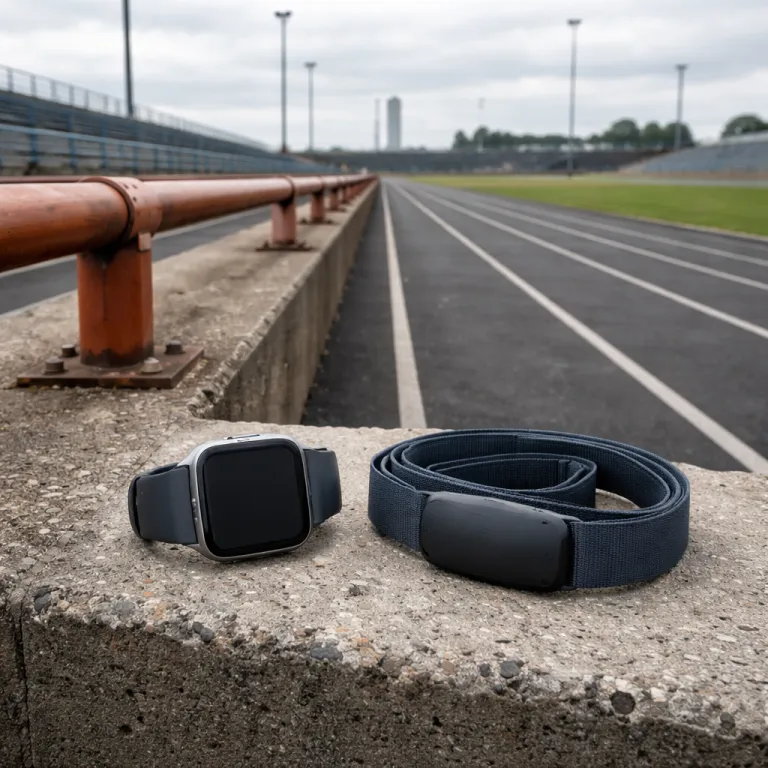

Smartwatch heart rate accuracy: how wrist sensors really work
How wrist sensors really measure heart rate during daily life
Smartwatch heart rate accuracy starts with light shining into the skin. Most modern watches use green light from LEDs and a photodiode to read blood volume changes and turn them into heart rate data. This optical method is called photoplethysmography and it works best when your wrist is still and the sensor has firm contact with the skin. In this guide on smartwatch heart rate accuracy, you will see where wrist sensors perform well, where they fail and when to add a chest strap or other external monitor.
On a calm morning, a wrist worn device such as an Apple Watch or a Google Pixel Watch can track resting heart values with impressive accuracy. The sensor reads each pulse wave at the wrist and the algorithm converts that signal into heart rate data that is usually within a few beats per minute of a medical grade reference. For everyday health monitoring, that level of precision is enough to guide basic lifestyle decisions about sleep, stress and gentle exercise.
Problems begin when motion, sweat or poor fit disrupt the light path between the watch and your skin. Darker skin tones, dense arm hair and tattoos can all scatter the light and reduce accuracy for some wearable devices. That is why two people wearing the same watch series can see different heart monitoring performance in the same workout.
Most consumer devices rely on green wavelengths because hemoglobin absorbs green light strongly and the signal is relatively robust during movement. Some watches and rings add red or infrared LEDs to improve performance on darker skin tones and to support features such as blood oxygen estimates. Algorithms then filter motion noise, average several beats and sometimes combine multiple wavelengths to estimate heart rate, which is why sensor placement, strap tension and your individual physiology all influence the final reading.

Resting heart, sleep tracking and when wrist data is reliable
For resting heart measurements, major brands have largely solved the basics for many users in typical conditions. When you sit quietly or lie in bed, smart watches from Apple, Samsung, Garmin and Fitbit often collect clean rate data with minimal motion noise, although individual results still vary. In this low intensity context, smartwatch heart rate accuracy is usually close to a chest strap, which remains the gold standard for consumer heart monitoring.
During sleep, a well fitted wrist worn device can track heart rhythm trends and rate variability with useful precision. The Apple Watch, the Google Pixel Watch and the Fitbit Charge series all sample heart rate frequently at night, then combine that information with motion to estimate sleep stages. You should treat those sleep stage labels as rough guidance, but the underlying heart rate and resting heart trends are solid enough to show whether your overall health and recovery are improving or sliding.
Where these devices still fall short is in measuring blood pressure or providing medical grade diagnostics while you sleep. Some watches estimate blood pressure or stress from heart rate variability, but those numbers are not a replacement for a tested medical device. If you need clinical level blood pressure monitoring, a dedicated arm cuff such as the type used in FDA cleared home monitors remains the safer choice.
Steady exercise, intervals and why chest straps still matter
Once you start to exercise, smartwatch heart rate accuracy depends heavily on how you move. In steady state running or cycling on smooth roads, a good wrist worn rate monitor is often within three to five beats per minute of a chest strap. Peer reviewed validation work, such as the Apple Watch Series 6 treadmill and cycling study by Bent et al. (2020, doi:10.1097/MJT.0000000000001198, n=24, healthy adults on controlled indoor protocols, mean absolute error around 1–4 bpm with relatively tight limits of agreement) and independent tests from reviewers like DC Rainmaker, repeatedly show mean absolute errors in that range for steady cardio. For most people training by broad heart rate zones, that gap is acceptable and does not change real world exercise intensity decisions.
Interval training is a different story, because optical sensors react slowly to rapid changes in heart rhythm. During hard repeats on the track, a chest strap or an upper arm band will show your heart rate spike within a few seconds, while many watches lag by fifteen to thirty seconds. This kind of delay has been documented in controlled comparisons of wrist optical sensors versus ECG based straps in high intensity interval protocols, including work by Gillinov et al. (Cleveland Clinic, 2017, doi:10.1016/j.mayocp.2017.10.033, n=50, mixed fitness levels on treadmill and cycling tests, mean absolute error up to about 7 bpm at vigorous intensity with wider limits of agreement) and subsequent sports science lab reports. That delay makes it hard to hit precise exercise intensity targets, so serious interval work still favors chest strap sensors that remain the gold standard for fast response rate monitors.
Recent devices have narrowed the gap, with the Galaxy Watch 8 and the latest Apple Watch Series models showing better tracking during intense exercise in independent study results. Ring based wearables such as the Oura ring avoid wrist flexion entirely and have reached a concordance correlation coefficient of 0.98 for resting heart rate in at least one peer reviewed study by Kinnunen et al. (2020, doi:10.1080/24748668.2020.1814132, n=49, overnight recordings in free living conditions, mean absolute error about 1 bpm and tight limits of agreement), which compared the ring against reference ECG equipment. For deeper context on how rings compare with other fitness trackers for heart rate variability, see this analysis of an HRV peer reviewed study for runners.
Weight training, wrist flexion and the limits of optical sensors
Strength training exposes the weakest side of smartwatch heart rate accuracy. When you grip a barbell or perform push ups, the wrist flexes, the strap shifts and the watch body can lift off the skin. That movement breaks the optical signal and the device starts guessing, which leads to erratic rate data and unreliable calorie estimates.
During heavy lifts, blood flow to the forearm changes quickly and muscle tension distorts the tissue under the sensor. Optical heart monitoring struggles in this environment, so smart watches often show flat lines, sudden spikes or impossible drops in heart rate. If you rely on those numbers to judge exercise intensity, you may think a set was easy when your cardiovascular system was actually working hard.
For lifters who still want heart rate insight, a simple workaround is to pair the watch with a chest strap or an upper arm rate monitor. Many wearable devices from Apple, Garmin and Polar can read heart rate from an external sensor while still logging sets and reps on the wrist. That combination keeps the convenience of a wrist worn watch for tracking and notifications, while the strap delivers the gold standard signal quality during demanding exercise.
Choosing between chest straps, arm bands, rings and wrist watches
When you choose a heart rate device, start with your main sport and your tolerance for straps. A chest strap remains the reference for heart rate accuracy during fast intervals, high exercise intensity and sports with heavy arm motion. Upper arm bands such as the Polar OH1 or similar optical sensors offer a middle ground, with better stability than a wrist worn watch and less hassle than a chest strap.
Rings and compact fitness trackers appeal to people who care more about sleep, resting heart and long term health trends than about split second rate data. A ring avoids wrist flexion, so it can track heart rhythm and rate variability at night with impressive consistency. Wrist based smart watches such as the Apple Watch, the Google Pixel Watch and the Fitbit Charge line then add bright screens, GPS and ECG apps, but they trade some heart rate accuracy in tough conditions for that versatility.
A simple decision tree helps. If you train with structured intervals or race by heart rate, rely on a chest strap or upper arm band as your primary rate monitor and let the watch act as a display and data hub. If you mainly jog, walk or cycle steadily, a modern wrist worn device from a major brand will give you heart monitoring that is good enough, especially when you follow best practices for strap tension and sensor placement.
How to test your own watch and clean up your training data
The most useful question is not whether smartwatch heart rate accuracy is perfect, but whether your specific watch is accurate enough for your goals. You can answer that with a simple ten minute test comparing your wrist device against a trusted reference. This personal study matters more than any lab chart, because your skin, your wrist shape and your exercise style are unique.
Start with a calm three minute sit, wearing both your primary watch and a chest strap or a well reviewed upper arm rate monitor. Note the resting heart values from each device, then walk briskly for three minutes and finish with a four minute steady run at moderate exercise intensity. If the difference between the watch and the strap stays within three to five beats per minute for most of the session, your wrist worn device is probably accurate enough for everyday health and fitness tracking.
Once you know the pattern, you can decide when to trust the watch and when to defer to the strap. For easy runs, daily steps and sleep tracking, lean on the convenience of the watch and its automatic heart monitoring. For key workouts, races or any session where rate data drives pacing, use the strap and treat the watch as a display, possibly enhanced with tools such as a running pod described in this guide to improving your smartwatch training experience. As one experienced marathoner put it after switching to this setup, “I stopped fighting my wrist sensor and finally got heart rate data I could trust on race day.”
Key statistics on smartwatch heart rate accuracy
- Peer reviewed comparisons show that modern wrist based sensors are typically within three to five beats per minute of a chest strap during steady state cardio, which is accurate enough for most zone based training decisions. Examples include the Apple Watch Series 6 validation by Bent et al. (2020, doi:10.1097/MJT.0000000000001198, n=24, treadmill and cycling tests in a lab, mean absolute error around 1–4 bpm with relatively tight limits of agreement) and similar treadmill and cycling studies on Garmin and Fitbit devices.
- During high intensity intervals, optical wrist sensors can lag true heart rate changes by fifteen to thirty seconds, which makes them unreliable for pacing short repeats or sprint intervals where timing is critical. This lag has been reported in controlled HIIT protocols that compare wrist wearables with ECG based chest straps, such as the Gillinov et al. trial (2017, doi:10.1016/j.mayocp.2017.10.033, n=50, treadmill and cycling workloads, mean absolute error rising to roughly 7 bpm at vigorous workloads and wider limits of agreement).
- Ring based wearables have reached a concordance correlation coefficient of about 0.98 for resting heart rate against reference devices in at least one published study, highlighting the benefit of avoiding wrist motion for night time measurements. The Kinnunen et al. paper (2020, doi:10.1080/24748668.2020.1814132, n=49, overnight free living recordings, mean absolute error close to 1 bpm with narrow limits of agreement) is a widely cited example.
- Independent tests of popular smart watches such as the Apple Watch, the Google Pixel Watch and the Fitbit Charge series consistently find that resting heart and all day average heart rate are far more accurate than calorie estimates derived from the same data.
- Instead of assuming that “many users” share the same experience, it is more reliable to run your own comparison test against a chest strap or arm band and then decide how much weight to give wrist based rate monitors in your training decisions.
| Study | Year | Sample (n) | Protocol | Mean absolute error | Limits of agreement |
|---|---|---|---|---|---|
| Bent et al., Apple Watch Series 6 | 2020 | 24 | Indoor treadmill and cycling, steady workloads | ≈1–4 bpm versus ECG reference | Relatively tight; errors small at rest and moderate intensity |
| Gillinov et al., mixed wrist wearables | 2017 | 50 | Treadmill and cycling, including vigorous intervals | Up to ≈7 bpm at higher intensities | Wider at vigorous workloads, especially during rapid changes |
| Kinnunen et al., ring based tracker | 2020 | 49 | Overnight free living recordings at rest | ≈1 bpm for resting heart rate | Narrow; concordance correlation coefficient around 0.98 |
Decision guide: Trust wrist based heart rate when you are resting, sleeping, walking or doing steady cardio and the strap fits snugly one to two finger widths above the wrist bone. Switch to a chest strap or upper arm band when you perform high intensity intervals, heavy strength training, sports with sharp wrist motion or any session where precise heart rate targets drive pacing, and use the watch mainly as a display and data logger.
FAQ about smartwatch heart rate accuracy
How accurate are smart watches compared with a chest strap ?
For resting heart and steady state cardio, most modern smart watches are usually within a few beats per minute of a chest strap. The gap widens during intervals, strength training or any activity with heavy wrist motion. If you train seriously by heart rate zones, a chest strap still offers the most reliable rate data.
Can I trust smartwatch heart rate readings for medical decisions ?
Smartwatch heart rate accuracy is designed for fitness and wellness, not for diagnosis. Features such as ECG apps and irregular heart rhythm alerts can flag potential issues, but they do not replace medical grade equipment. Always consult a healthcare professional and use dedicated medical devices for blood pressure or clinical heart monitoring.
Why does my watch show strange heart rate spikes during workouts ?
Sudden spikes or drops often come from poor contact between the sensor and your wrist. A loose strap, sweat, tattoos or strong wrist flexion can all disrupt the optical signal and confuse the algorithm. Tightening the band, moving the watch slightly up the forearm or pairing a chest strap can usually stabilize the readings.
Is a ring, an arm band or a watch best for sleep tracking ?
Rings and upper arm bands tend to move less during sleep, which can improve signal quality for resting heart and heart rate variability. Wrist watches add screens and notifications, but they are more exposed to motion artifacts. If sleep and recovery are your main focus, a ring or a comfortable arm based device may offer cleaner night time data.
How can I improve the accuracy of my current smartwatch ?
Wear the watch one or two finger widths above the wrist bone and tighten the strap so the sensor does not slide. Keep the lens clean, enable any workout specific profiles and avoid checking the screen constantly during intense efforts. For the most demanding sessions, pair the watch with a chest strap and let the strap provide the primary heart rate signal.