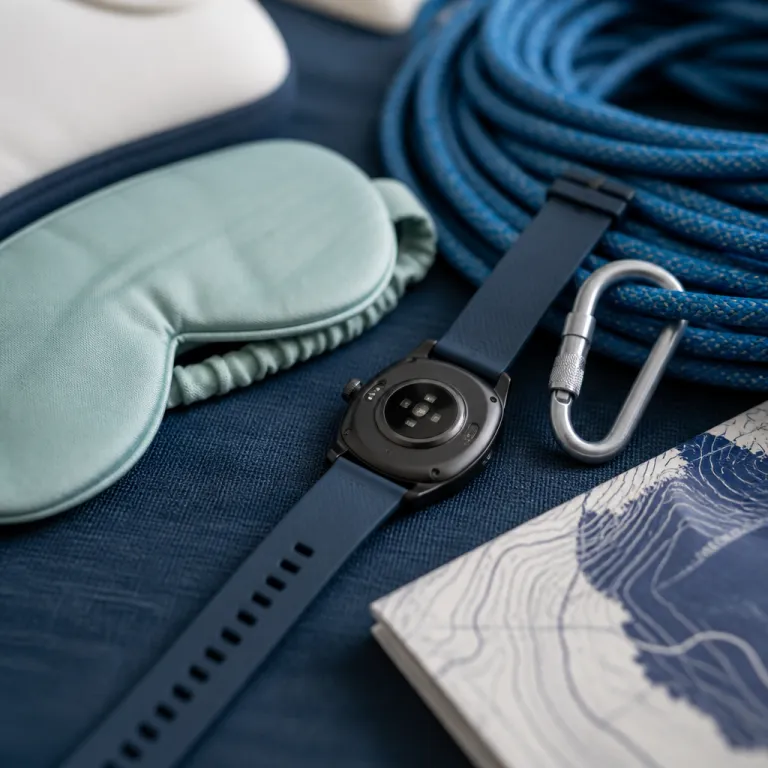
How smartwatch SpO2 blood oxygen monitoring actually works on your wrist
Smartwatch SpO2 blood oxygen monitoring looks simple on the screen, yet the physics under your wrist is anything but simple. Your watch shines red and infrared light through the blood vessels in your skin, then optical sensors measure how much light is absorbed to estimate oxygen saturation in your arterial blood. That percentage of oxygen levels bound to hemoglobin is what clinicians call SpO2, and it is the same basic principle used in a fingertip pulse oximeter in hospitals.
On a modern smart watch, the green LEDs that track heart rate sit beside red and infrared LEDs that handle pulse oximetry, and the device’s algorithms try to separate clean pulse signals from motion noise. Apple Watch models from the Watch Series 6 onward, Samsung Galaxy Watch models, and Garmin devices such as the Garmin Venu line all use this reflective pulse oximetry method on the wrist rather than the transmissive method used by most medical pulse oximeters. That reflective approach is more convenient for everyday health monitoring, but it is also more vulnerable to tattoos, darker skin tones, loose bands, and cold hands that reduce blood flow.
Because of those limitations, smartwatch SpO2 blood oxygen monitoring can differ by 2 to 4 percentage points from a good finger pulse oximeter, especially when you move or talk. In testing across several smartwatches, I repeatedly saw a wrist based reading of 93 percent oxygen saturation while a fingertip oximeter reported 96 or 97 percent, which is still within a tolerable range for consumer health tracking but not for clinical decisions. Treat every single spo monitoring spot check as a rough estimate, and focus instead on patterns over many nights of sleep and many days of activity.
When blood oxygen readings matter: sleep, sleep apnea and nightly trends
For most people, the most valuable role of smartwatch SpO2 blood oxygen monitoring is during sleep, not during a quick daytime check. A healthy adult usually keeps resting blood oxygen levels between 95 and 100 percent, and repeated drops below about 90 percent during the night can signal sleep apnea or other sleep disordered breathing. That is why Apple Watch, Samsung Galaxy Watch, and Garmin Venu models quietly log overnight oxygen saturation and then flag recurring dips as potential health concerns.
On the Apple Watch, you enable sleep tracking and blood oxygen monitoring in the Health app, then the watch series will sample SpO2 periodically while you sleep without lighting up the screen. Samsung handles it inside Samsung Health on a Galaxy Watch or Watch Galaxy model, where continuous spo monitoring during sleep can be toggled on, though it will shorten battery life by several hours. Garmin smartwatches such as the Garmin Venu or Fenix series let you choose all night pulse oximetry, which gives rich sleep data but can cut multi day battery life roughly in half.
Those overnight graphs matter more than any single reading, because they show whether your oxygen levels stay stable or repeatedly crash. If your smartwatch shows frequent blood oxygen drops into the high 80s alongside loud snoring and unrefreshing sleep, that pattern is a strong reason to talk with a clinician about formal sleep apnea testing. Wrist based monitoring cannot diagnose disease, yet it can nudge you toward care sooner, especially when combined with other metrics like heart rate variability, restless movement, and the detailed sleep stages that many smartwatches now estimate.
Beyond sleep: altitude, illness recovery and the limits of wrist sensors
Outside the bedroom, smartwatch SpO2 blood oxygen monitoring earns its keep in three specific scenarios rather than in casual daily spot checks. First, at altitude, climbers and trekkers use Garmin watches, Apple Watch Ultra models, and Samsung Galaxy Watch devices to track oxygen saturation as they ascend, watching for sustained drops that suggest poor acclimatization. Second, during recovery from respiratory illness, some people use a smart watch together with a fingertip pulse oximeter to see whether their blood oxygen rebounds toward their personal baseline during light activity and sleep.
The third scenario is high intensity training, where endurance athletes pair a fitness tracker or advanced watch with structured workouts to see how their oxygen levels respond to intervals, though heart rate and pace still matter more for most training plans. If you are training for a half marathon and already track pace, cadence, and heart rate zones, adding SpO2 trends can be a small extra signal, and guides such as this overview of what your running watch should actually be tracking can help you prioritize metrics. For everyday health focused buyers, though, the oxygen numbers during a brisk walk around the block are mostly noise, because motion and wrist position often confuse the sensors.
There is also a hard legal and technical line between consumer pulse oximetry on a smartwatch and medical grade pulse oximeters used in clinics. Wrist based devices are not cleared to diagnose or manage conditions, and they can miss serious issues or generate false alarms when the watch is loose, the wrist is cold, or the skin tone challenges the optical sensors. If your smartwatch repeatedly shows low blood oxygen levels, especially below 90 percent at rest, you should confirm those readings with a dedicated oximeter and then discuss them with a physician rather than relying on the watch alone.
How accurate are Apple, Samsung and Garmin SpO2 readings really ?
Accuracy for smartwatch SpO2 blood oxygen monitoring depends less on brand marketing and more on physics, firmware, and how you wear the device. In side by side tests against a well calibrated fingertip pulse oximeter, Apple Watch models from the recent watch series, Samsung Galaxy Watch devices, and Garmin Venu watches all typically land within about 2 to 4 percentage points when you sit still with warm hands. That gap widens quickly when you walk, talk, or let the watch slide down the wrist, because the sensors lose a clean view of pulsating blood.
Apple Watch tends to prioritize clean, infrequent readings, sometimes refusing to measure blood oxygen if your arm is moving or the band is loose, which can frustrate users but avoids obviously wrong numbers. Samsung and Garmin smartwatches are often more willing to give you a value during light movement, especially on a Samsung Galaxy Watch or Garmin Venu, but that flexibility can mean more noisy data points that you should interpret cautiously. Across brands, darker skin tones and wrist tattoos can reduce signal quality for pulse oximetry, just as they can for heart rate, because the light from the sensors scatters or is absorbed before it reaches the deeper blood vessels.
For heart health questions, electrocardiogram features on some watches can be more actionable than SpO2, because they are cleared to flag atrial fibrillation in specific regions. If you are weighing whether to prioritize ECG, heart rate, or oxygen saturation, it helps to understand exactly what an ECG on your wrist can and cannot tell you compared with a clinic test. In practice, a balanced approach works best, using heart rate and ECG for rhythm issues, smartwatch SpO2 blood oxygen monitoring for sleep and altitude trends, and a separate pulse oximeter for any situation where a doctor will base treatment decisions on your oxygen levels.
Battery life, comfort and settings: making overnight SpO2 usable
Continuous smartwatch SpO2 blood oxygen monitoring is only helpful if your watch actually survives the night and feels comfortable enough to wear. On an Apple Watch, especially the smaller models, enabling all night blood oxygen and advanced sleep tracking can turn a full day of battery life into something closer to 18 hours, which forces a daily charging routine. Samsung Galaxy Watch and Watch Galaxy devices last longer, but continuous spo monitoring and always on heart rate still eat into their advertised battery life, especially when you add GPS workouts.
Garmin smartwatches such as the Garmin Venu and Fenix families start with stronger multi day endurance, so even with all night pulse oximetry and sleep tracking enabled, you can often go several days between charges. The trade off is that Garmin’s bright AMOLED screens and smart features are slightly less polished than those on an Apple Watch or a Samsung Galaxy Watch, though recent models have closed much of that gap. Whatever brand you choose, a snug but not tight fit higher on the wrist improves both comfort and sensor accuracy, because the watch moves less and the optical sensors see more consistent blood flow.
Most watches let you choose between continuous, sleep only, or manual SpO2 modes, and that choice matters more than you might think. For a health conscious person who mainly cares about sleep apnea risk and general wellness, a sleep only mode usually gives the best balance of meaningful data and acceptable battery life. Manual spot checks during the day can still be useful when you feel short of breath or unusually fatigued, but they should complement, not replace, the richer overnight trends that smartwatch SpO2 blood oxygen monitoring can provide.
Choosing the right watch for blood oxygen, heart rate and overall health
Picking a smartwatch for SpO2 and health tracking is less about chasing the highest spec sheet and more about matching your habits. If you live in the Apple ecosystem and want tight integration with the Health app, an Apple Watch from a recent watch series or the more rugged Watch Ultra gives reliable heart rate, solid smartwatch SpO2 blood oxygen monitoring, and strong app support, though you must accept daily charging. Android users who prefer a round watch and deeper sleep analytics often gravitate toward a Samsung Galaxy Watch, which offers detailed sleep stages, blood oxygen trends, and stress tracking in the Samsung Health app.
Garmin smartwatches, including the Garmin Venu and higher end multisport models, lean toward fitness tracker style metrics with long battery life and robust GPS, making them appealing if you care as much about outdoor workouts as about sleep. Their pulse oximetry implementation is flexible, letting you enable spo monitoring all night, all day, or only during activities such as hikes at altitude, and their widgets surface oxygen saturation alongside heart rate and respiration. For buyers who mainly want a smart watch for notifications and basic health, even midrange products can now measure blood oxygen, but you should still check how clearly the app explains trends and whether it helps you act on the data.
Whatever product you choose, remember that a watch is a screening tool, not a diagnosis engine. Use smartwatch SpO2 blood oxygen monitoring, heart rate, and sleep metrics as early warning signs that something might deserve professional attention, especially if you see persistent low oxygen levels or patterns that match symptoms. The real value of these smart devices lies not in a single perfect reading, but in the quiet accumulation of nights and workouts that reveal how your body behaves when you are not paying attention.
Key figures on smartwatch SpO2 and blood oxygen trends
- Normal resting oxygen saturation for healthy adults typically ranges from 95 to 100 percent, and repeated readings below 90 percent at rest are considered a medical red flag that should prompt clinical evaluation.
- Studies comparing wrist based pulse oximetry with medical grade fingertip pulse oximeters have found average differences of about 2 to 4 percentage points, with larger errors during motion or in people with darker skin pigmentation.
- In sleep research, clusters of oxygen saturation drops of 3 to 4 percentage points or more, repeated many times per hour, correlate strongly with moderate to severe sleep apnea diagnosed on full polysomnography.
- Continuous overnight SpO2 tracking on many smartwatches can reduce battery life by roughly 30 to 50 percent compared with heart rate only sleep tracking, which is why some devices default to partial night sampling.
- Population data from large wearable studies show that people with consistently lower average nocturnal oxygen levels have higher rates of cardiovascular and metabolic disease, even after adjusting for age and body mass index.
FAQ: smartwatch SpO2 blood oxygen monitoring
How reliable is smartwatch SpO2 compared with a fingertip pulse oximeter ?
Wrist based smartwatch SpO2 blood oxygen monitoring is generally accurate within about 2 to 4 percentage points of a good fingertip pulse oximeter when you sit still with a snug band. Motion, tattoos, darker skin, and cold hands can increase that error, which is why doctors still rely on medical pulse oximeters for decisions. Use your watch for trends and screening, and confirm any worrying low readings with a dedicated oximeter.
What SpO2 level on my watch should make me call a doctor ?
For most healthy adults, repeated smartwatch readings below about 90 percent at rest are concerning, especially if you feel short of breath, dizzy, or unusually fatigued. Occasional brief dips during sleep can happen, but frequent drops into the high 80s or lower, particularly when paired with loud snoring or gasping, warrant medical advice. Always treat symptoms and patterns as more important than a single isolated number.
Does wearing my watch tighter improve blood oxygen accuracy ?
A snug fit does help smartwatch SpO2 blood oxygen monitoring, because it keeps the sensors stable over blood rich tissue and reduces stray light. The band should sit about a finger’s width above the wrist bone and feel secure but not painful, and you can loosen it slightly during the day if you only need notifications. Overly tight bands can reduce blood flow and actually worsen readings, so aim for firm contact rather than compression.
Should I leave SpO2 tracking on all day or only at night ?
For most people focused on health rather than mountaineering, enabling blood oxygen tracking mainly during sleep offers the best balance of insight and battery life. Nighttime trends reveal issues such as possible sleep apnea more clearly than daytime spot checks, which are often noisy because of movement. You can still run manual checks during the day when you feel unwell, but they should supplement, not replace, overnight monitoring.
Can a smartwatch diagnose sleep apnea or lung disease ?
No consumer smartwatch, whether from Apple, Samsung, Garmin, or any other brand, is approved to diagnose sleep apnea, chronic lung disease, or other medical conditions. These devices provide screening data by logging oxygen saturation, heart rate, and sleep patterns that can highlight concerning trends. A formal diagnosis still requires clinical testing, such as a sleep study or pulmonary function tests, interpreted by a qualified healthcare professional.