Fitbit Air vs Whoop price: hardware, sensors and raw value
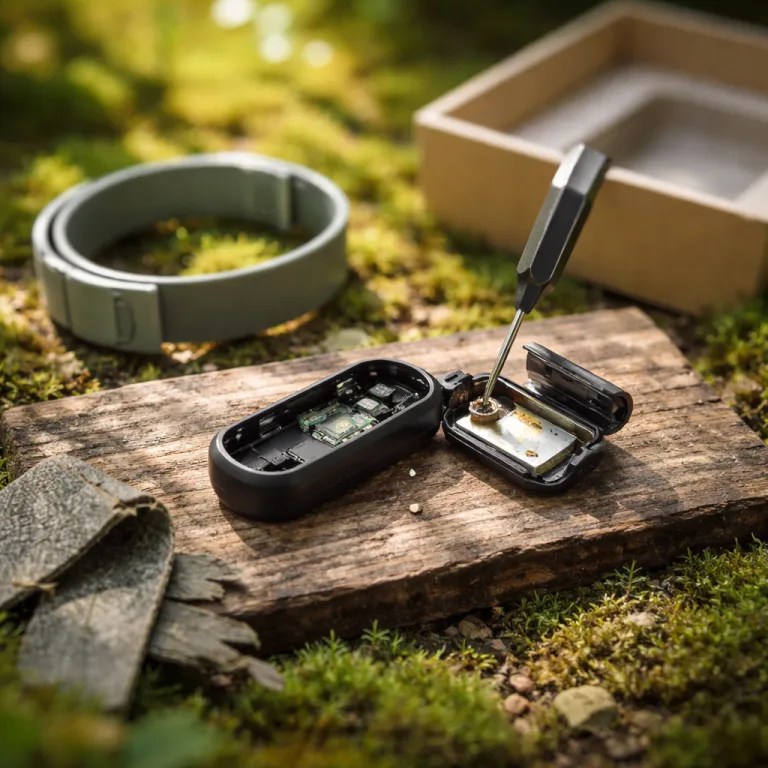
Fitbit Air enters the market as a tiny, air-light pebble that weighs about 5.2 g and hides inside a simple band. This new Fitbit device is widely rumored to cost around $99 as a one-time payment, based on early Google Fitbit briefings and retailer leaks, while the Whoop band is tied to a recurring membership that quickly overtakes the hardware price. For buyers weighing overall cost of ownership between Fitbit Air and Whoop, the headline is simple yet brutal.
Google positions Fitbit Air as a health-first tracker with 24/7 heart rate monitoring, SpO2, HRV, irregular rhythm notifications for AFib and basic skin temperature trends, according to early Fitbit and Google Health materials and press previews. Whoop, by contrast, uses a comparable sensor stack but leans heavily on recovery scores, strain scores and specific stats that interpret your heart data, sleep data and activity load into a single readiness number. In pure hardware terms, the Air-versus-Whoop comparison shows two screenless fitness tracker devices that look similar on the wrist but serve very different wallets.
Fitbit Air promises up to seven days of battery life, water resistance to 50 m and a modular band system with silicone and stainless steel options priced between about $35 and $50, based on Fitbit’s current accessory pricing tiers. Independent tests of recent Fitbit trackers suggest that “up to seven days” usually translates to five to six days of real-world use with all-day heart rate and sleep tracking enabled, while Whoop’s latest band also offers multi-day battery life and swim-ready construction but typically needs topping up every three to four days. The real cost, however, sits in the roughly $30 per month subscription listed on Whoop’s official pricing page that adds up to about $360 per year. Over a long-term two-year window, the total outlay becomes roughly $99 for Fitbit Air versus about $720 for Whoop, and that gap will matter more to budget-focused buyers than any marginal sensor tweak.
Google Fitbit bundles three months of Google Health Premium with Fitbit Air, then keeps core health tracking free once the trial ends, according to current Fitbit subscription documentation. Whoop locks almost all meaningful insights, coaching tools and team features behind its ongoing subscription, so the band alone does very little without that monthly fee. For many everyday users, the winner determined by cost alone is obvious, even before they open a health app or compare a single heart rate graph.
To make the differences clearer, here is a quick side-by-side snapshot based on current public information, typical Whoop pricing and early Fitbit Air guidance:
| Category | Fitbit Air | Whoop band |
|---|---|---|
| Upfront hardware cost | Rumored ≈ $99 one-time | Band often bundled with membership |
| Ongoing fees | Core metrics free after 3‑month trial | ≈ $30/month membership (Whoop pricing page) |
| Battery life | Claimed up to 7 days; tests of similar Fitbits show ~5–6 days typical | Multi-day with clip-on charger; many users report ~3–4 days |
| Weight | ≈ 5.2 g module | Slightly heavier with integrated strap |
| Water resistance | Rated to 50 m for pool and shower | Designed for shower and swim use |
| Key sensors | Optical heart rate, SpO2, HRV, skin temperature trends | Comparable optical heart rate, SpO2, HRV, skin temperature trends |
Apps, coaching and data: Google Health versus Whoop’s subscription brain
The Fitbit app now sits inside the broader Google Health ecosystem, which also touches Google Fit and other health services across Android and the web. With Fitbit Air, Google Health becomes the main dashboard for heart rate trends, sleep tracking reports, activity summaries and long-term health metrics such as resting heart rate and HRV. Whoop’s app, by contrast, is built entirely around its membership model and treats every data point as fuel for coaching-style insights.
In daily use, Fitbit Air feeds continuous data into the Fitbit app, where you see sleep stages, skin temperature variation, heart rate zones and fitness tracking summaries without paying extra after the initial Health Premium trial. Third-party lab comparisons of recent Fitbit optical heart rate sensors against chest straps usually show small but acceptable gaps for everyday training, while Whoop’s app goes deeper on recovery, using your heart rate variability, respiratory rate, sleep debt and previous strain to generate specific stats about how hard you should train today. If you want a health coach in your pocket, Whoop’s algorithmic guidance and team comparison tools still feel more aggressive and more athlete-focused than anything in Google Fitbit software.
For most people seeking information, the key question is not just the sticker price difference between Fitbit Air and Whoop, but how much of that spending actually improves their health. Google Health offers gentle nudges, trend lines and educational cards, while Whoop pushes you with color-coded recovery scores and explicit strain targets that can reshape your training week. If you are curious about how to act on these metrics, a deeper guide on the lag between health data and real change in your routine can clarify why no tracker, no matter how smart, will fix your habits overnight.
In short real-world testing of comparable devices, both systems can track overnight heart rate and basic sleep duration reliably enough for everyday users, but Whoop’s readiness score tends to react more sharply to late nights or heavy training blocks. Serious competitors and endurance athletes may still prefer Whoop because its subscription funds constant feature updates, detailed strain analytics and shared team dashboards that help a coach manage multiple players. Casual runners, office workers and people mainly interested in sleep tracking or basic fitness tracker features will usually get enough insight from Fitbit Air and the Fitbit app without paying a recurring fee. Over a multi-year span, that difference in ongoing cost quietly shapes which device you will actually keep wearing once the novelty fades.
Who should buy which tracker, and what it signals for Google’s strategy
For budget-savvy shoppers, the Fitbit Air versus Whoop debate is really about commitment and identity. Fitbit Air behaves like a classic fitness tracker that you buy once, pair with a phone, then mostly forget while it logs heart rate, sleep and daily steps in the background. Whoop feels more like joining a training program, where the band, the subscription and the health coach-style guidance all blend into a single long-term relationship.
If you already own a Pixel Watch or another Google Fitbit smartwatch, adding Fitbit Air as a lightweight band for sleep tracking or 24/7 wear can make sense, especially when you want to save battery life on your main watch. The tiny Air module and interchangeable band options, including stainless steel bracelets, make it easier to wear during every activity, from office days to pool sessions. In that scenario, comparisons between Whoop and Fitbit tilt even harder toward Fitbit because you are already inside the Google Health and Google Fitbit ecosystem and do not need another health app or another subscription.
For athletes working with a human health coach or personal trainer, Whoop’s deeper recovery analytics, team features and specific stats about strain still justify the membership in some cases. A coach can use Whoop-style dashboards to adjust training loads, compare heart rate responses across sessions and spot early signs of overtraining that a simpler tracker might miss. For everyone else, a one-time $99 device that keeps core metrics free looks like the best balance between cost, insight and everyday comfort, especially once you understand how health monitoring devices in smartwatches and bands are reshaping everyday care across clinics and homes.
Google’s move with Fitbit Air also hints at a broader strategy shift away from chasing only premium smartwatch buyers with the Pixel Watch and toward passive trackers that scale to millions of wrists. By making core health tracking free after a short Health Premium trial, Google pressures every subscription-heavy rival to justify each extra dollar with clearly better outcomes, not just prettier charts. In the end, the real winner determined in this Air-versus-Whoop contest will not be the brand with the brightest marketing, but the device you still wear on the tenth morning of tracked sleep when the excitement has faded and only habits remain.
For readers who want to go deeper into how manufacturers frame endurance claims, a detailed analysis of why battery life numbers often mislead smartwatch buyers can help you interpret both Fitbit and Whoop marketing with a colder eye. Over the next year, expect more brands to copy this free-forever tracking model as consumers push back against stacking subscriptions for every small device in their lives. When that happens, the quiet pressure created by a $99 Fitbit Air may be remembered as the moment the wearable subscription bubble finally met a serious challenge.