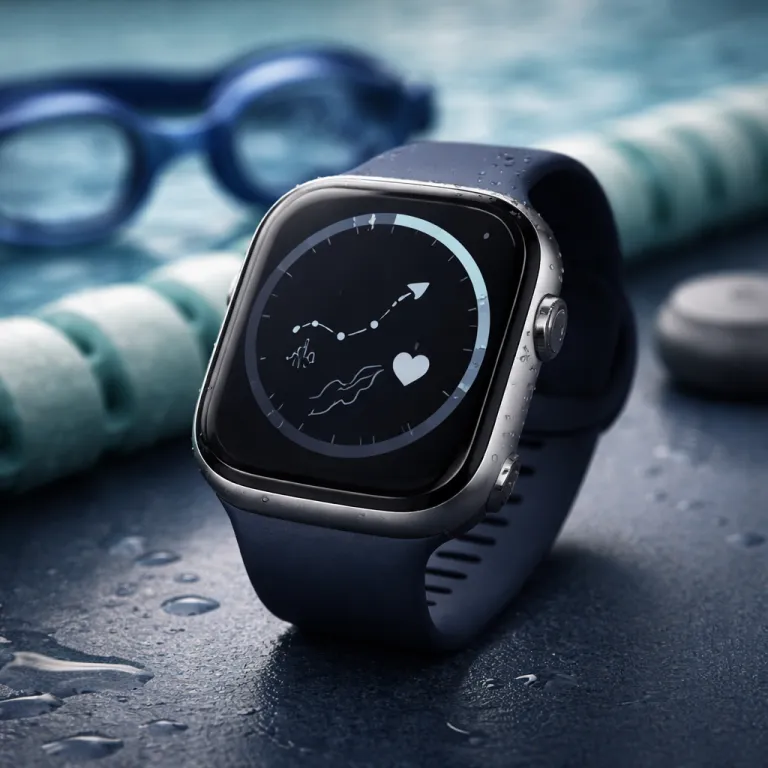
What waterproof really means for a swimming watch
Marketing around a waterproof smartwatch for swimming is often vague and confusing. When you read that a smart fitness watch is rated IP68 or 5 ATM, it sounds like the same level of water protection, yet those labels behave very differently once you start real swim training. For summer laps in the pool or a long water swim along the coast, you need to understand how each rating protects the watch and how it affects long term battery life and sensor reliability.
IP68 on a smart swimming watch usually means dust tight and resistant to brief immersion in water under controlled lab conditions, but it does not guarantee reliable swimming tracking during repeated push offs or dives. For regular pool swimming you should look for at least 5 ATM water resistance, which means the watch is tested to static pressures equivalent to 50 metres and is better suited to constant water exposure and real time movement. If you plan serious open water sessions or surf, a 10 ATM waterproof fitness rating on a stainless steel or titanium case gives more margin when waves, impacts and temperature changes stress the seals over the life of the device.
Brands like Garmin, Apple and Coros usually state both the ATM rating and whether the watch swimming modes are intended for pool or open water use. A dedicated swimming watch such as the Garmin Swim 2 or a fitness watch from the Fenix line combines 5 ATM or 10 ATM water resistance with swim specific tracking, while lighter models like Fitbit Versa series focus more on casual pool sessions and daily fitness trackers duties. Before you trust any smart watch with your heart rate data and training load in the water, read the small print on water resistance, look for references to ISO 22810 or similar standards, and check real user reviews recommendations about long term seal durability.
| Rating | Typical test | Suitable use |
|---|---|---|
| IP68 | Lab immersion at shallow depth for limited time | Accidental splashes, brief submersion, not repeated lap swimming |
| 5 ATM | Static pressure equivalent to 50 m depth | Regular pool training, shallow dives, recreational open water |
| 10 ATM | Static pressure equivalent to 100 m depth | Frequent open water, surf, triathlon and rough conditions |
Pool laps versus open water: how swim tracking really works
Pool modes on a waterproof smartwatch for swimming rely mainly on the accelerometer and gyroscope rather than on built in GPS. The watch counts strokes, detects turns and estimates distance by matching your wrist movement patterns to the pool length you enter, which is why a tight strap and consistent stroke help the tracker maintain accurate time and distance. When you switch to open water, the same smart watch must combine intermittent GPS fixes with motion data, because the antenna loses satellite lock every time your arm goes under the water.
In practice, open water swim tracking is harder for every fitness tracker, even for high end Garmin models with strong built GPS performance. A watch like Garmin Forerunner 955 or Garmin Epix with an AMOLED display can still show jagged tracks when you swim in choppy water, since the GPS signal is repeatedly blocked and the algorithm has to interpolate your path between points. Independent tests and user logs often show distance errors of several percent in rough lakes or coastal swims, which is why many reviews recommendations suggest comparing pool and open water files from the same session to understand how your chosen fitness watch behaves before you rely on its distance for pacing.
Garmin, Apple Watch and Coros also treat SWOLF, the stroke efficiency metric, differently between pool and open water modes. In a controlled pool environment the watch swimming algorithms can pair each length with a precise time, so SWOLF is more comparable between sessions and between swimmers. Once you move to open water, currents, sighting and waves distort both time and stroke count, so use SWOLF as a rough trend rather than an absolute performance score, especially if you alternate between pool open sessions and lake training with the same swimming watch.
For readers considering a rugged multisport GPS device for both trail running and serious water swim training, it is worth studying how a classic Garmin Fenix multisport GPS watch handles swim profiles and battery life under constant GPS use; a detailed analysis of a Fenix generation model as a multisport GPS watch for serious outdoor athletes can help you judge whether that style of tracker suits your mix of sports. Pay attention to how the display remains readable in bright sun at the pool and how the smart features behave when wet, because a dim screen or laggy interface can make interval sets harder to manage in real time.
Heart rate, chest straps and what your watch can really monitor
Optical heart rate sensors on a waterproof smartwatch for swimming are far less reliable in the water than on land. The green LEDs and photodiodes that monitor blood flow struggle when a thin layer of water and motion separates the watch from your skin, which is why many devices either warn about reduced accuracy or disable wrist based heart rate in swim modes. If you care about precise heart rate zones for structured fitness training, you should treat wrist readings in the pool as approximate and focus more on pace, stroke rate and perceived effort.
Some Garmin and Polar models support pairing with a dedicated heart rate monitor chest strap that is designed for swimming, which stores data during the session and syncs it back to the watch later. Well known options include Garmin HRM-Swim, Garmin HRM-Pro and Polar H10 with swim mode, which bypass the water interference problem and give much cleaner heart rate and heart rate variability traces for post swim analysis, though they add another piece of kit to manage and charge. When you read reviews recommendations, look for comments about how quickly the watch reconnects to the strap after a break and how the battery life holds up when both GPS and an external rate monitor are active.
For casual swimmers who mainly want a smart fitness tracker to log calories and time in the pool, the built in optical sensor on a Fitbit Versa or Apple Watch can be good enough, especially if you wear the watch slightly higher on the wrist and tighten the strap before each swim. More serious athletes who mix pool open sessions with long open water races will benefit from a watch swimming setup that includes a compatible chest strap and a device with strong GPS, such as a Garmin Forerunner with long battery life and robust water resistance. If you are comparing older Garmin units, a detailed guide on how to choose a used Garmin watch that still feels premium can help you balance price, smart features and swim tracking reliability without sacrificing durability in the water.
When you evaluate any fitness trackers for swimming, check how the watch presents heart rate data in real time during a set and how it summarises zones afterwards. A clear AMOLED display or high contrast memory in pixel screen makes it easier to glance at your current rate and pace between strokes, while a cluttered interface wastes precious seconds at the wall. Over a full season of training, the right combination of accurate heart rate, stable GPS and sensible swim metrics will matter more than any single spec sheet claim about maximum ATM rating or theoretical battery life.
SWOLF, materials and long term durability in pool and sea
Once you have chosen a waterproof smartwatch for swimming, the next question is how it will age under chlorine, salt water and summer sun. Every water swim exposes gaskets, buttons and optical windows to chemicals and temperature swings, which slowly degrade seals and can let water reach the electronics or heart rate sensor. A stainless steel bezel and quality polymer case do not make a watch invincible, but they usually resist scratches and UV damage better than cheap plated alloys, especially when you train several times a week.
SWOLF, the sum of your time and stroke count over one pool length, is a useful efficiency metric when used carefully. On a Garmin swimming watch or Apple Watch, a lower SWOLF generally means you are covering the same distance with fewer strokes or less time, but you must compare like with like, using the same pool length and similar conditions. Different brands calculate and display SWOLF slightly differently, so do not obsess over matching a friend’s number from another fitness watch; instead, track your own trend over weeks as your technique and fitness improve.
To protect both the watch and the strap, rinse everything in fresh water after every pool or open water session, then dry it fully before charging to avoid corrosion around the contacts. Silicone bands usually handle chlorine better than leather, while nylon can trap salt crystals that irritate the skin and confuse the optical heart rate monitor, so rotate bands if you also wear the watch as a daily smart accessory. Before you accept any app conditions privacy agreement, check how your swim tracking and heart rate data are stored and shared, because long term training logs from fitness trackers can reveal sensitive health patterns over the life of your account.
Battery performance also changes under heavy swim use, since frequent GPS bursts in open water and bright display settings at the pool drain energy faster than simple step tracking. Manufacturer estimates and field tests often show that continuous open water GPS can significantly cut stated battery life, so a watch with an efficient AMOLED display or transflective screen that can show real time pace and distance without forcing maximum brightness helps preserve battery life across a full week of mixed training. When you read long term reviews recommendations from swimmers who use their devices year round, pay attention to comments about charging frequency, button stiffness and any signs of condensation under the display, because those are early warnings that water resistance is starting to fail and that it may be time to service or replace your swimming watch.
FAQ
Is IP68 enough for regular pool swimming with a smartwatch ?
IP68 can survive brief immersion, but it is not designed for the repeated pressure changes and forceful push offs of structured pool swimming. For regular lap training you should choose a watch with at least 5 ATM water resistance and explicit support for pool swim modes. That combination offers better protection for the case, buttons and heart rate sensor over many seasons.
How accurate is GPS during open water swims ?
GPS accuracy in open water is always lower than on land, because your arm repeatedly blocks the signal as it enters the water. Modern watches use algorithms to smooth the track, but distance can still be off by several percent, especially in rough conditions or near cliffs and buildings. For pacing, treat open water GPS as a guide and use pool sessions for precise interval work.
Why does my heart rate look wrong when I swim with a smartwatch ?
Optical heart rate sensors struggle when water and motion break contact between the watch and your skin. This often produces spiky or flat line readings that do not match your perceived effort, particularly during hard sets or kick drills. A swim capable chest strap paired to the watch gives much more reliable heart rate data for serious training.
What is a good SWOLF score for recreational swimmers ?
SWOLF varies with pool length, stroke and body size, so there is no universal good number. Recreational swimmers often see SWOLF values between 40 and 60 in a 25 metre pool, while elite athletes can go lower thanks to better technique and fitness. The key is to track your own SWOLF trend over time rather than chasing someone else’s score from a different watch.
How should I care for my swimming watch after chlorine or salt water ?
Rinse the watch and strap thoroughly in fresh water as soon as possible after leaving the pool or sea. Dry the device fully before charging, and avoid exposing it to direct sun on a hot dashboard, which accelerates seal ageing. Regular cleaning around the optical sensor and charging contacts also helps maintain accurate tracking and long term water resistance.