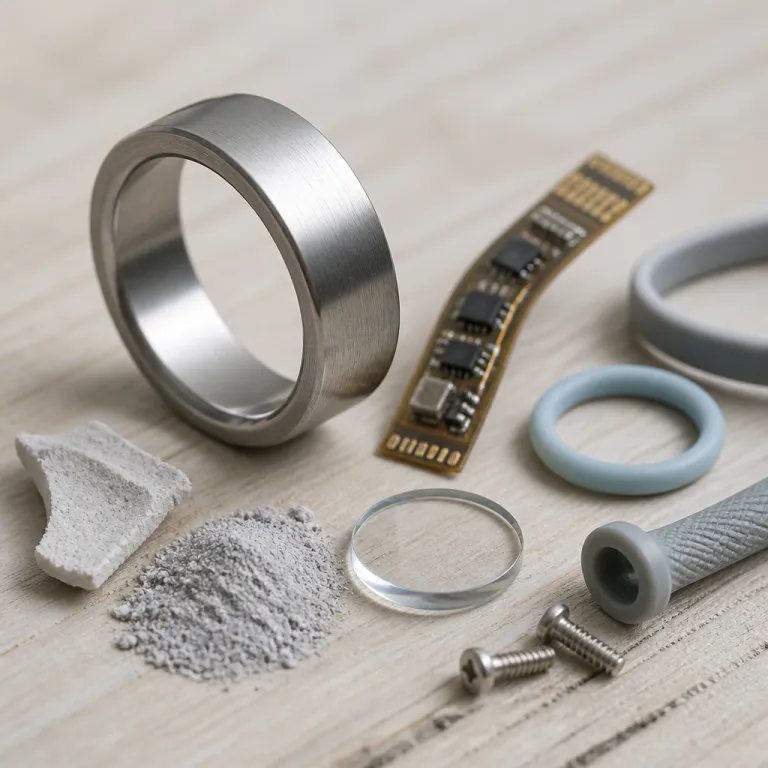
How the Amazfit Helio smart ring reshapes everyday health tracking
The Amazfit Helio Ring is a lightweight health-tracking ring designed for people who want continuous wellness insights without wearing a bulky smartwatch all day. This discreet smart ring sits on your finger yet still behaves like a full-featured fitness tracker, quietly collecting data about your body around the clock. For anyone tired of charging large devices every few days, the long battery life and light titanium alloy build feel like a genuine shift.
Unlike many smart rings, the Amazfit Helio Ring is built to work as a companion to your phone or even an Apple Watch, not as a complete replacement. The ring concentrates on health metrics, sleep monitoring and heart rate tracking, while your existing smartwatch or Samsung Galaxy phone can handle notifications and calls. That division of roles lets the Helio Ring stay small in size, keep weight low and stretch battery life to several days of continuous use.
From a design perspective, the Helio Ring uses a titanium alloy shell to balance durability and comfort. This material keeps the ring resistant to scratches, sweat and everyday knocks, which matters when you wear a smart ring for sports, showers and sleep. The smooth inner surface and multiple size options help the ring stay stable on your finger, which improves sensor contact and therefore the quality of health data.
Fitness and sports performance with a ring instead of a watch
For runners, cyclists and gym users, the Amazfit Helio Ring offers a different way to track effort and training load. Many people find a ring more comfortable than a watch during weight training, where an Apple Watch or other fitness tracker can dig into the wrist or catch on equipment. Because the Helio Ring stays tight against the skin, it can capture heart rate and heart rate variability with fewer motion artefacts during intense sessions.
Sports-focused users often compare smart rings with classic fitness watches from brands like Samsung Galaxy or Garmin. The Amazfit Helio Ring cannot show pace, maps or lap times on your wrist, but it excels at continuous tracking of recovery, sleep and heart rate trends between workouts. If you already own a performance-oriented watch from a top sport smartwatch list such as this guide to sport smartwatches, the Helio Ring becomes a recovery companion rather than a replacement.
During training, the ring records heart rate, estimated calories and other data, then sends everything to the Zepp app for analysis. Over several days, you can see how your blood oxygen (SpO2), breathing quality and resting heart rate respond to different workouts. This long-term tracking helps you adjust training load, because the product highlights when your health metrics show fatigue instead of adaptation.
Sleep monitoring, breathing quality and recovery insights
Where the Amazfit Helio Ring truly stands out is sleep monitoring and recovery analysis. The ring tracks sleep stages, breathing quality and heart rate variability throughout the night, then translates this data into simple recovery scores. Many users who dislike wearing an Apple Watch or Samsung Galaxy Watch in bed find a light titanium alloy ring far easier to tolerate.
Inside the Helio Ring, optical sensors measure heart rate and blood oxygen (SpO2) levels while you sleep. Combined with motion data, the Amazfit Helio system can flag fragmented nights, possible breathing irregularities and low deep sleep percentages. Over many days, these patterns reveal how late meals, alcohol or evening training sessions affect your health, mood and next-day energy.
The Zepp app presents sleep monitoring results with clear graphs and practical suggestions, not just raw numbers. You can compare your nights to previous weeks, check how battery life held up and see whether your Helio Ring recorded enough stable data. For people comparing smart rings such as the Oura Ring or the upcoming Galaxy Ring, this focus on actionable recovery insights is often more valuable than extra smartwatch-style features.
Zepp app, Zepp Aura and the role of data in daily decisions
The Amazfit Helio Ring relies on the Zepp app as its main dashboard. Once the ring syncs, the app organises health data from heart rate, sleep monitoring and activity tracking into daily and weekly views. This structure helps you move from isolated numbers to trends that actually guide behaviour.
Within the Zepp app, the Amazfit Helio Ring integrates with Zepp Aura, a subscription service that offers soundscapes and coaching based on your sleep and stress data. While the basic app remains free, Zepp Aura adds personalised recommendations that some users find helpful for improving breathing quality and relaxation. If you are evaluating price versus value, it is worth testing the free trial before committing to any paid tier.
For people who already use other smart rings or a traditional fitness tracker, the question is how well the Helio Ring plays with existing devices. The product does not try to replace an Apple Watch or Samsung Galaxy wearable for notifications, but it complements them with deeper heart rate variability and blood oxygen insights. Over several days of use, you can export data, compare it with other platforms and decide which ecosystem best supports your long-term health goals.
Design, size, comfort and battery life in real use
Choosing the right size for the Amazfit Helio Ring is critical for accurate tracking. A ring that is too loose will shift during sleep and workouts, breaking sensor contact and corrupting heart rate data. Too tight, and you will remove the Helio Ring frequently, losing the continuous health picture that makes smart rings valuable.
The titanium alloy construction keeps the Amazfit Helio Ring light while still feeling premium on the finger. Because the product is designed for constant wear, the inner surface is polished to reduce friction and hot spots during long days. Many users report that after a few days, they forget the smart ring is even there, which is exactly what you want from a health tracker.
Battery life is another strong point, with the Helio Ring typically lasting around 4–6 days on a single charge depending on settings and usage. Shorter charging sessions mean more complete sleep monitoring and fewer gaps in heart rate and blood oxygen logs. Compared with charging an Apple Watch or some Samsung Galaxy models almost daily, this longer duration makes it easier to maintain a consistent health dataset.
Price, ecosystem comparisons and who the Helio ring is for
When evaluating the price of the Amazfit Helio Ring, you should compare it with both smartwatches and other smart rings. The Helio smart product usually undercuts premium devices like the Oura Ring or a high-end Apple Watch, while still offering advanced sleep monitoring and heart rate variability tracking. For budget-conscious buyers, that balance between cost and capability is often decisive.
In terms of ecosystem, the Amazfit Helio Ring works best if you are comfortable living inside the Zepp app and possibly Zepp Aura. People already invested in Samsung Galaxy wearables or an existing fitness tracker may still appreciate the ring as a specialised recovery tool. You can keep your current watch for on-screen metrics and use the smart ring to deepen your understanding of health, breathing quality and blood oxygen trends.
Buying the Amazfit Helio Ring is usually straightforward through the official store, where you can add the product to your cart and sometimes receive free shipping or extra days of return. Before you commit, read independent reviews that compare the Helio Ring with the Galaxy Ring, Oura Ring and classic sport watches such as those discussed in this analysis of how the Seiko Speedtimer bridges luxury chronograph heritage and smartwatch expectations on smartwatch expectations. That broader context helps you decide whether a discreet ring, a full smartwatch or a hybrid setup best matches your daily life.
Key figures and statistics about smart rings and health tracking
- Market research from Counterpoint Research reported that global shipments of smart rings and similar wearables grew by more than 20 percent year over year, showing rising interest in discreet health tracking devices. Checking the latest Counterpoint wearable report gives the most current shipment figures and brand rankings.
- Clinical studies on wearable heart rate monitoring have found that optical sensors can reach accuracy levels above 95 percent during rest, but accuracy decreases during high-intensity exercise, which is why consistent ring fit and size matter so much. Peer-reviewed validation papers typically compare wearable readings with ECG chest straps or hospital-grade monitors.
- Sleep research from the American Academy of Sleep Medicine indicates that adults generally need between 7 and 9 hours of sleep per night, making continuous sleep monitoring from devices like the Amazfit Helio Ring valuable for identifying chronic sleep debt. The AASM’s clinical practice guidelines remain the main reference for recommended sleep duration by age group.
- Surveys of smartwatch and fitness tracker users show that more than half of owners change their behaviour, such as walking more or going to bed earlier, after regularly reviewing health data from their devices. These behaviour-change findings usually come from longitudinal consumer studies and digital health adoption reports.
- Battery life remains a key satisfaction driver, with consumer reports indicating that wearables lasting more than 5 days between charges receive significantly higher long-term user ratings than devices requiring daily charging. When comparing models, looking at tested battery hours under continuous heart rate and SpO2 tracking gives a more realistic benchmark than marketing claims alone.
FAQ about the Amazfit Helio smart ring
How accurate is the Amazfit Helio smart ring for heart rate tracking ?
The Amazfit Helio Ring uses optical sensors to measure heart rate and heart rate variability, and accuracy is generally strong at rest and during moderate activity. Like all wrist- or finger-based wearables, readings can be less precise during very intense movements, but a correct ring size and snug fit improve results. For clinical-grade measurements, medical devices remain the reference, yet the Helio Ring is reliable enough for everyday health and fitness decisions.
Can the Helio smart ring replace my smartwatch or fitness tracker ?
The Helio smart ring is designed to complement rather than fully replace a smartwatch or fitness tracker. It excels at continuous sleep monitoring, recovery analysis and discreet health tracking, while devices like an Apple Watch or Samsung Galaxy Watch still handle notifications, calls and on-screen workout metrics. Many users choose a hybrid setup, wearing the ring all day and night and using a watch only during workouts or office hours.
How long does the battery life of the Amazfit Helio smart ring last ?
Battery life for the Amazfit Helio Ring typically spans several days on a single charge, depending on settings such as continuous heart rate and blood oxygen monitoring. Reducing always-on features can extend duration, while intensive use of advanced tracking will shorten it slightly. Compared with many smartwatches that require daily charging, this longer interval makes it easier to maintain complete health data.
Is the Amazfit Helio smart ring comfortable to wear while sleeping ?
The titanium alloy body and smooth inner surface are designed for all-night comfort, which is essential for accurate sleep monitoring. Choosing the correct size ensures the ring stays secure without pinching, so most users adapt quickly and forget they are wearing it. People who dislike sleeping with a watch often find a light smart ring far less intrusive.
How does the Amazfit Helio smart ring compare with the Oura Ring and Galaxy Ring ?
The Amazfit Helio Ring competes directly with the Oura Ring and the upcoming Galaxy Ring by focusing on sleep, recovery and health metrics. Oura offers a very mature app and strong brand recognition, while Samsung integrates tightly with the Galaxy ecosystem, and Amazfit positions the Helio Ring as a feature-rich option at a generally lower price. Your choice should depend on which app experience, ecosystem and design language best match your existing devices and long-term health goals.