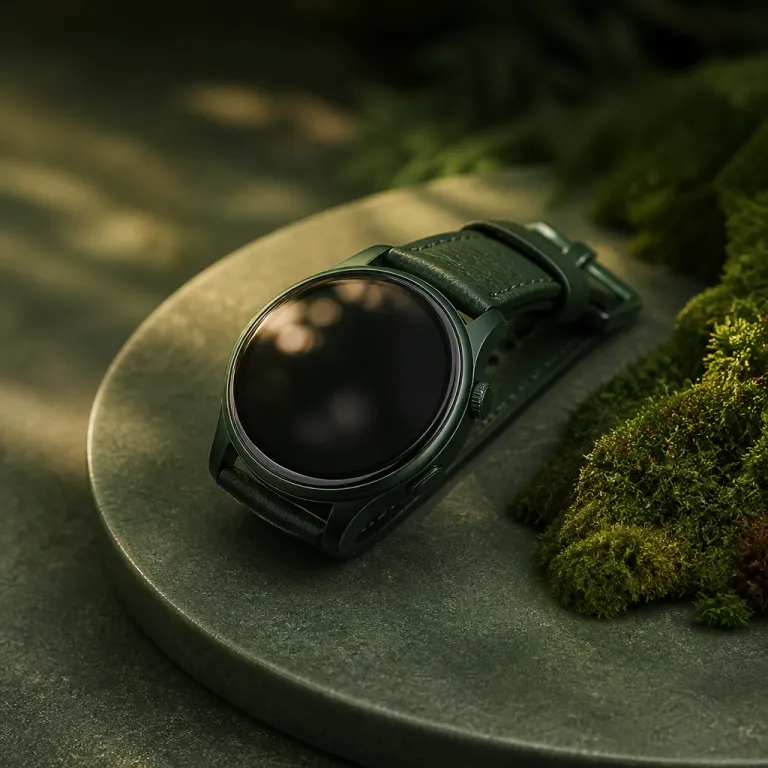
Why a tranquil watch matters in premium smartwatch care
A tranquil watch in the luxury segment focuses on calm, unobtrusive protection. It combines elegant design with discreet GPS tracking to support people living with dementia and their relatives. This type of wrist-worn safety device treats protection as part of everyday life rather than a visible medical gadget.
When you choose such a timepiece, you are really choosing a complete care ecosystem. The hardware, the GPS tracking features, the mobile app, and the customer service team must work together to keep people safe without making them feel controlled. A premium dementia-friendly watch should feel like a refined accessory while quietly acting as a powerful GPS locator in the background.
For families supporting dementia patients, the emotional stakes are high. They want their loved parent or partner to stay independent, yet they fear a wandering incident or a fall when nobody is nearby. A calm-looking safety watch with reliable GPS tracking and fast alerts can reduce that constant anxiety and restore some peace of mind.
Luxury brands now integrate GPS watch functions, fall detection sensors, and an SOS button into slim cases. These devices look like classic watches, but they behave like advanced tracking tools designed for people with dementia who still value style. The best models offer fully waterproof cases, long battery life, and secure locking straps that prevent accidental removal.
Some families compare a wrist-based GPS solution with traditional phone-based trackers. A phone can be forgotten on a table, while a dementia GPS watch stays on the wrist all day and all night. For people who are prone to wandering, that difference in wearing habits can decide whether location tracking actually works when it matters most.
Design, comfort, and the meaning of tranquil luxury
Luxury smartwatches for vulnerable people must feel tranquil on the skin. A dementia care watch should be light, balanced, and fitted with a soft strap that does not irritate fragile wrists. When people with cognitive impairment forget they are wearing the device, long-term tracking becomes far more reliable.
Premium makers now use titanium, ceramic, and hypoallergenic silicone to achieve this tranquil comfort. These materials keep the device fully waterproof while maintaining a refined appearance suitable for dinners, medical visits, or family events. A locking strap can be integrated into this design so the watch stays secure without looking like a restraint.
Many readers compare hybrid models with full touch-screen devices when choosing a discreet safety watch. A hybrid smartwatch with analog hands and subtle digital indicators can feel familiar to older people who distrust bright screens. For a detailed look at this approach, you can review this hybrid smartwatch elegance guide that explains how traditional aesthetics blend with health tracking.
From a usability perspective, the GPS interface must remain simple. Large fonts, high-contrast dials, and a clearly marked SOS button reduce confusion during stressful moments. When dementia patients feel safe using the device, they are more likely to press the call function or respond to alerts correctly.
Luxury does not only mean polished steel and sapphire glass. In this context, luxury means a tranquil life for both people with dementia and their caregivers. A discreet GPS watch that respects dignity, avoids stigma, and still offers strong tracking capabilities is the real premium proposition.
Safety features that define a truly tranquil GPS watch
Behind the elegant dial of a dementia safety watch, protective technology quietly works. High-sensitivity GPS modules inside the case send frequent location updates to a secure app on the caregiver’s phone. This tracking data allows families to see where their loved person is in real time and react quickly if something looks wrong.
Safe zones are one of the most valuable features in a modern GPS system. Caregivers can define familiar areas such as home, a nearby park, or a day care center, and the device sends alerts when dementia patients leave these zones unexpectedly. These alerts arrive through the app as notifications, text messages, or automated call options depending on the service plan.
Many premium GPS tracking devices now include fall detection algorithms. The watch senses sudden acceleration and impact, then triggers an SOS alert if the wearer does not move afterward. In some models, the auto-answer function allows caregivers to call the watch and listen in, checking whether their loved relative is conscious and able to speak.
Some families also value discreet audio features in a dementia GPS watch. Auto answer can feel intrusive if misused, so responsible care policies are essential to maintain trust. A transparent explanation to people with dementia about when and why auto answer might activate helps preserve dignity while still prioritizing safety.
When comparing premium options, you may encounter specialized brands such as AngelSense that focus on GPS tracker solutions for vulnerable people. Their approach shows how a tranquil-style watch can integrate GPS tracking, safe zones, and an SOS button into a single coherent care platform. For a broader perspective on robust timepieces as protective tools, you can read this analysis of why a Swiss Army watch is more than just a timepiece, then consider how similar reliability principles apply to dementia-focused GPS watches.
Battery life, waterproofing, and real world reliability
All the tranquil features in the world mean little if the battery fails. A premium dementia GPS watch must offer strong battery life, ideally several days of continuous tracking between charges. For people who may forget routines, fewer charging cycles translate directly into safer daily life.
Manufacturers balance GPS accuracy, tracking frequency, and battery capacity to reach this goal. High-frequency location updates drain the battery faster, while longer intervals between updates extend battery life but reduce precision. A well-designed GPS watch for dementia lets caregivers choose between different tracking modes depending on the risk profile of their loved person.
Fully waterproof construction is another non-negotiable requirement for a safety watch used by people with dementia. Many incidents happen in bathrooms, gardens, or near kitchen sinks where water exposure is common. A fully waterproof GPS watch with a secure locking strap can stay on during showers, hand washing, and even supervised swimming sessions.
Real-world reliability also depends on network coverage and the quality of the app. A dementia watch that sends GPS data through weak mobile networks may show delayed location updates or missed alerts. Before committing, families should test the device in the exact neighborhoods, care homes, and walking routes where their loved relative spends time.
Some premium models offer a risk-free trial period so families can evaluate battery life, GPS tracking performance, and comfort in daily use. During this free trial, it is wise to simulate emergency scenarios, press the SOS button, and check how quickly alerts reach caregivers. This practical testing builds genuine peace of mind and reveals whether the safety watch truly fits the family’s needs.
From basic trackers to premium tranquil care ecosystems
The market now ranges from simple GPS trackers to full tranquil care ecosystems. A basic GPS tracker might only show location on a map, while a premium dementia watch integrates fall detection, safe zones, auto answer, and health tracking into one device. For people with dementia and their caregivers, this integration reduces complexity and improves response times.
Some families start with a low-cost GPS tracker and later upgrade to a more luxurious safety watch when needs become clearer. They realize that a dedicated GPS watch with a comfortable locking strap is worn more consistently than a small tracker clipped to clothing. Over time, consistent wearing patterns matter more than theoretical technical specifications.
Premium ecosystems often include a subscription-based app with advanced features. Caregivers can share access with siblings, professional carers, or care home staff so several people can monitor the same GPS device. This shared visibility supports coordinated care and reduces the burden on a single family member.
When evaluating options, look beyond marketing claims about the best GPS trackers. Ask how the dementia watch handles battery life, what kind of alerts it sends, and how responsive the customer service team is during stressful moments. A brand that offers patient, knowledgeable customer service often proves more valuable than one that only advertises technical specifications.
For readers comparing broader smartwatch options, a detailed product test such as this fitness and calling smartwatch review can help frame expectations about build quality and app reliability. While that model targets fitness rather than dementia care, the same evaluation criteria apply when judging any tranquil-style watch or GPS tracking device.
Ethical care, privacy, and the emotional side of tranquil tracking
Using a dementia GPS watch for care raises sensitive ethical questions. GPS tracking and auto-answer functions can feel intrusive if families do not communicate clearly with their loved relative. Respecting autonomy while ensuring safety requires honest conversations and thoughtful boundaries.
Many people with dementia initially resist wearing any tracking devices. They may fear stigma or feel that a GPS tracker labels them as ill rather than independent. A tranquil-looking watch that resembles a normal luxury timepiece can ease this resistance and support a more dignified transition.
Caregivers should explain why GPS tracking is being introduced and how it protects both the wearer and the family. Emphasize that the dementia GPS watch is there to support safe walks, visits to friends, and a more active life rather than to restrict movement. When people understand that the device enables freedom, they often accept it more readily.
Privacy policies from manufacturers also matter. Families should read how location data, call logs, and alerts are stored, who can access them, and how long they are retained. A trustworthy provider will present clear terms, strong encryption, and transparent options for deleting data when the service ends.
Emotionally, a tranquil safety watch can transform the daily experience of care. Caregivers may sleep better knowing that fall detection, safe zones, and an SOS button stand guard through the night. People with dementia may feel more confident leaving the house, knowing that if something goes wrong, help is only a call or alert away.
How to choose the right tranquil watch for your situation
Selecting the best dementia GPS watch starts with understanding the wearer’s habits. Consider whether the person already wears a watch, how sensitive their skin is, and whether they remove accessories frequently. A model with a gentle locking strap can prevent accidental removal while still feeling comfortable during long days.
Next, evaluate technical priorities such as GPS tracking accuracy, battery life, and connectivity. Urban environments with tall buildings may require more frequent GPS updates, while rural areas demand strong mobile coverage for reliable alerts. Check whether the GPS device supports both Wi-Fi and cellular positioning to improve location accuracy indoors.
Families should also examine the app experience carefully. A clear interface that shows location, safe zones, and alerts at a glance reduces stress during emergencies. Look for options to customize notifications so that only critical alerts trigger a call while routine movements generate quieter messages.
Cost and contract terms deserve close attention. Some dementia watch providers offer a risk-free trial period, while others require long commitments from the first day. During any trial, test the SOS button, fall detection, auto answer, and customer service responsiveness to see how the system behaves under pressure.
Finally, remember that technology is only one part of a broader care plan. A tranquil GPS watch, even with the best trackers and safety features, cannot replace human presence, community support, and professional medical advice. Used wisely, though, it can become a quiet partner in care, extending safe independence for people with dementia and giving families genuine peace of mind.
Key figures on dementia, wandering, and wearable safety
- The World Health Organization estimates that more than 55 million people live with dementia globally, and this number is projected to rise significantly in coming decades as populations age.
- Studies from Alzheimer’s associations indicate that up to 60 percent of people with dementia will wander at least once, and many experience repeated wandering episodes over the course of the disease.
- Research on fall risks shows that older adults with cognitive impairment have a higher incidence of falls, making fall detection features in a dementia watch particularly relevant for injury prevention.
- Market analyses of wearable medical devices report steady growth in GPS-enabled trackers for vulnerable populations, reflecting rising demand for discreet, wrist-based safety solutions.
- Surveys of caregivers consistently show that location tracking and rapid alerts are among the most valued features in any GPS watch used for dementia care, often ranking above general fitness tracking or entertainment functions.
FAQ about tranquil watches and GPS safety for dementia
How does a tranquil watch differ from a regular smartwatch ?
A tranquil dementia watch focuses on safety and calm design rather than entertainment or fitness. It usually integrates GPS tracking, safe zones, fall detection, and an SOS button in a discreet, comfortable case. Regular smartwatches may offer some tracking features but rarely provide the same level of dedicated dementia-focused care.
Is GPS tracking with a tranquil watch legal and ethical ?
In most countries, GPS tracking is legal when used with informed consent and for legitimate safety reasons. Ethical use requires explaining the purpose to the person with dementia, setting clear boundaries, and respecting privacy as much as possible. Families should also review the provider’s data protection policies to ensure responsible handling of location information.
How long does the battery life of a tranquil GPS watch usually last ?
Battery life varies widely depending on GPS update frequency, screen brightness, and network conditions. Many dementia watches designed for safety aim for several days of operation between charges under typical tracking settings. During any free trial, families should test real-world battery performance in the exact environments where the watch will be used.
Can a tranquil watch replace a mobile phone for people with dementia ?
A tranquil GPS watch can handle essential safety functions such as location tracking, SOS calls, and alerts, but it does not fully replace a phone for all communication needs. Some models support limited call features and auto answer, which may be enough for many care scenarios. For complex conversations or video calls, a phone or tablet still plays an important complementary role.
What should caregivers test during a risk free trial of a tranquil watch ?
Caregivers should test GPS accuracy, safe zone alerts, fall detection, SOS button behavior, and the responsiveness of customer service. They should also check comfort, waterproof performance, and whether the locking strap keeps the device on the wrist during daily activities. Simulating realistic emergency situations during the trial provides the clearest picture of how the tranquil watch will perform when it truly matters.