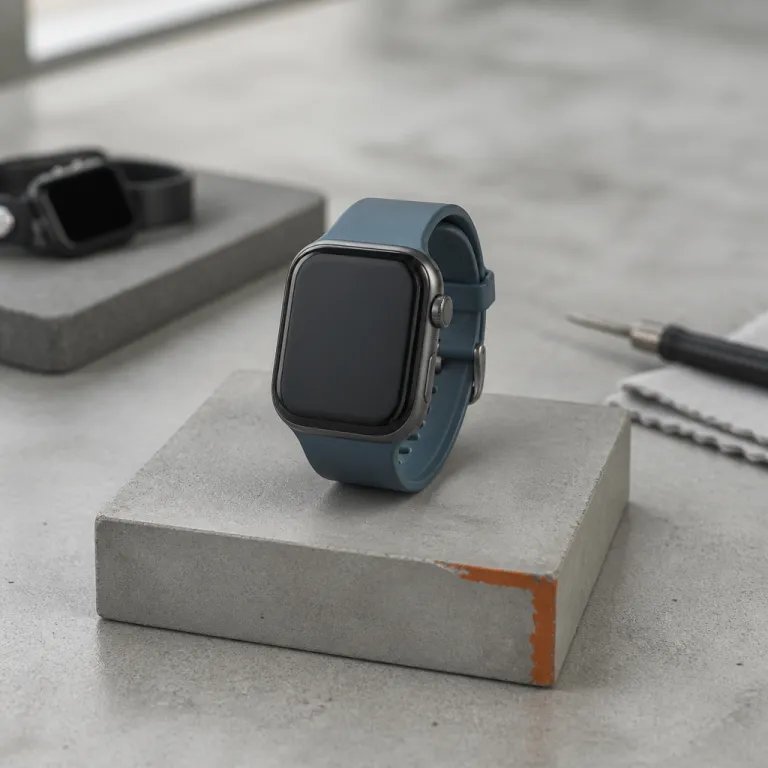
Why a refurbished smartwatch is often the smarter buy
A high-quality refurbished smartwatch usually starts with last year’s flagship hardware. Compared with brand-new budget wearables, these restored devices often deliver a brighter display, more accurate sensors and longer software support for less money. That is why budget-conscious buyers increasingly ask whether a refurbished Apple Watch, a renewed Samsung Galaxy Watch or other pre-owned models might quietly offer the best value in the current market.
Take an Apple Watch from a recent series or a Samsung Galaxy Watch from the latest generation, both bought as certified pre-owned products from a reputable refurbisher. These watches were premium devices at launch, and when they return as refurbished units in good condition, they still carry advanced features like ECG, fall detection and reliable GPS plus optional cellular connectivity that cheaper new watches often skip. In many cases, buying refurbished means you save money while keeping the same core health tracking and notification experience that made these watches best sellers in the first place.
The value equation becomes clear when you compare price per feature instead of headline price alone. A refurbished Apple Watch from a recent generation might cost roughly 20 to 30 percent less than its original retail price, yet it still receives watchOS updates for several more years and works seamlessly with other Apple devices. The same logic applies to a refurbished Samsung Galaxy Watch, where you can buy a previous Galaxy Watch series with a solid warranty and still get a better feature set than many new mid-range smartwatches.
Battery health, condition and warranty: what really matters
Battery health is the single biggest risk when buying a used smartwatch, because every charge cycle slowly reduces capacity. As a rough rule of thumb based on typical lithium-ion wear, a one-year-old Apple Watch or Samsung Galaxy Watch often keeps around 90 to 95 percent of its original battery life, while a three-year-old watch can drop closer to 75 percent and feel tired by late afternoon. Exact figures vary by user habits, so treat these numbers as estimates rather than guarantees, and always check how the seller measures battery condition.
Manufacturer-certified refurbished products, such as Apple Certified Refurbished or Samsung’s own renewed programme, usually guarantee a minimum battery health level and include at least a one-year warranty that mirrors coverage on new devices. Third-party marketplaces like Amazon Renewed or Back Market often provide around 90 days of protection on pre-owned watches, which is shorter but still enough time to test the smartwatch under your real daily routine. For Garmin fans comparing options, a detailed guide on whether Garmin refurbished watches are a smart upgrade can help you judge how these watch deals stack up against refurbished Apple or Samsung models.
Always read the small print on condition grades, because labels like “like new” and “very good” can hide big differences in scratches and battery wear. Ask whether the watch you are considering has had its battery replaced, and whether water resistance has been pressure-tested after any repair. If a seller cannot explain how they test refurbished smartwatches or refuses to detail the warranty, that pre-owned watch is not worth buying, no matter how much money you might save.
Where to buy: certified refurbished, marketplaces and private sellers
Where you buy a refurbished smartwatch matters almost as much as which model you choose. Official manufacturer channels for Apple Watch and Samsung Galaxy Watch models usually provide the safest route, because these certified pre-owned devices go through strict testing and come with full-length warranties. You pay a little more than on auction sites, but you also reduce the risk of hidden damage, fake parts or a watch that quietly drops Bluetooth connections.
Trusted marketplaces that specialise in refurbished devices, such as Back Market or Amazon Renewed, sit in the middle ground between official stores and private sellers. They aggregate many restored smartwatches, grade each watch’s condition and often include at least a 90-day warranty, which is enough time to check GPS accuracy, heart rate tracking and battery drain during long runs. When you are buying through these platforms, look for clear photos of the watches, transparent descriptions of any cosmetic marks and explicit mention of whether the original Apple or Samsung charger and bands are included.
Private sellers on classifieds or social media can offer the lowest prices on a single used smartwatch, but they also carry the highest risk. You rarely get a formal warranty, and you must trust the seller’s word on how the watch has been treated, whether it has seen salt water or hard knocks. If you go this route, insist on meeting in person, checking the smartwatch pairs correctly, testing GPS and cellular reception outdoors and confirming that the Apple Watch or Galaxy Watch is not locked to another account.
Apple Watch vs Galaxy Watch: which refurbished flagship suits you
Choosing between a refurbished Apple Watch and a refurbished Samsung Galaxy Watch starts with your phone, because ecosystem lock-in is real. If you use an iPhone, an Apple Watch from a recent series still offers the tightest integration, from iMessage replies on the wrist to seamless Apple Pay and precise Health app syncing. Android users will usually get a better experience from a Galaxy Watch running Wear OS, especially when paired with a Samsung phone that unlocks extra features.
On the Apple side, a refurbished model from a recent generation often beats a brand-new budget smartwatch on display quality, app ecosystem and long-term software support. You can buy these Apple Watches with GPS plus cellular options, which let you leave your phone at home while running and still receive calls and streaming music. For many buyers, that combination of independence, strong warranty and the ability to save money makes a renewed flagship more appealing than a cheaper new model with fewer features.
Samsung’s refurbished Galaxy Watch models follow a similar pattern, especially the more recent series that use bright AMOLED screens and advanced health sensors. When you compare these restored smartwatches with new budget watches, you often get better sleep tracking, more accurate heart rate readings during intervals and a more polished Wear OS experience. If you want a deeper look at Android-friendly options, a detailed guide to the top smartwatches for Android can help you see where a refurbished Galaxy Watch fits among the best devices for your phone.
How to evaluate features, firmware and real world performance
Once you have narrowed your shortlist, you should judge each refurbished smartwatch on how it performs in daily life, not just on a spec sheet. Look at the features that actually matter to you, such as reliable notifications, accurate GPS for outdoor runs, or all-day heart rate and SpO2 tracking that does not kill the battery before dinner. A restored Apple Watch or Galaxy Watch from a recent generation usually handles these tasks better than many new budget watches, because the original hardware was designed for heavier use.
Firmware support is crucial, because a smartwatch without updates quickly feels dated and may miss security fixes. Apple typically supports each Apple Watch series with around five years of watchOS updates, while Samsung keeps its Galaxy Watch models updated for roughly four years, so a one- or two-year-old refurbished smartwatch still has a long runway. When you are buying second-hand, check the current software version on the watch, confirm it can still receive updates and avoid any devices stuck on old firmware with known bugs or battery drain issues.
Real-world testing should include at least one long GPS or cellular workout, a full day of mixed use and a night of sleep tracking. Pay attention to whether the smartwatch keeps a stable Bluetooth connection, whether the screen remains readable in bright sunlight and whether the battery still has at least 30 percent left by bedtime. If a refurbished smartwatch struggles in these basic scenarios, it is not the best candidate, no matter how attractive the discount or how much money you hoped to save.
When a rugged GPS watch or niche model beats everything else
Not every worthwhile refurbished smartwatch is a mainstream Apple Watch or Samsung Galaxy Watch, because some buyers need rugged sports features more than app ecosystems. Outdoor athletes and hikers often prefer dedicated GPS watches with long battery life, offline maps and robust buttons that work with gloves. In this niche, a refurbished device from brands like Garmin or Polar can be a smarter buy than a shiny new lifestyle watch with weaker navigation.
If you spend weekends on trails, a rugged GPS watch with a bright AMOLED screen, strong satellite reception and long battery endurance may serve you better than a fashion-focused smartwatch. A detailed review of a GPS sport watch with offline maps and long battery life shows how these devices prioritise navigation, durability and training metrics over app stores. Buying refurbished in this category can save money while still giving you a watch that survives rain, mud and long mountain days.
Whatever your niche, the same principles apply when you buy refurbished devices or pre-owned watches. Focus on condition, warranty length, remaining software support and whether the watch’s strengths match your real activities, not just its marketing claims. In the end, the right refurbished smartwatch is the one that still feels invisible on your wrist during the tenth morning of tracked sleep, while quietly helping you save money compared with a flashy but limited new budget model.
Key figures on refurbished smartwatches and buying behaviour
- Apple’s official refurbished programme typically prices Apple Watch models around 15 to 20 percent below the original retail price, while still including a full one-year warranty that matches new products from the same series, according to Apple’s publicly listed pricing.
- Major marketplaces such as Amazon Renewed and Back Market often provide at least a 90-day guarantee on refurbished smartwatches; exact terms vary by seller, so treat this as a common baseline rather than a universal rule.
- Battery health on a one-year-old smartwatch is commonly estimated at around 90 to 95 percent of original capacity, whereas three-year-old watches can drop to roughly 75 percent, based on typical lithium-ion ageing patterns and user reports rather than strict manufacturer promises.
- Apple usually delivers about five years of watchOS updates for each Apple Watch generation, while Samsung supports its Galaxy Watch models with roughly four years of software updates, judging by recent release and end-of-support timelines.
- Consumer surveys from major electronics retailers and refurbishers consistently show that buyers choose refurbished devices primarily to save money, with typical savings of around 20 to 30 percent compared with new watches from the same series and brand, though exact discounts depend on model and region.
FAQ about buying a refurbished smartwatch
Is a refurbished smartwatch really worth buying compared with a new budget model ?
For many buyers, a refurbished smartwatch offers better value than a new budget watch, because you get higher quality hardware, more accurate sensors and longer software support for a similar or slightly higher price. Last year’s flagship Apple Watch or Samsung Galaxy Watch often includes features like ECG, fall detection and bright AMOLED screens that cheaper new watches skip. If the condition is good and the warranty is solid, the feature-per-euro ratio usually favours refurbished devices.
How can I check battery health on a refurbished Apple Watch or Galaxy Watch ?
On an Apple Watch, you can open the Settings app, go to Battery and then Battery Health to see the remaining maximum capacity as a percentage of the original. Samsung Galaxy Watch models do not show a simple percentage on the watch, but you can gauge health by tracking how much battery drains during a typical day and by using diagnostic tools in the Galaxy Wearable app. When buying refurbished, ask the seller for recent screenshots or written confirmation of battery tests, and avoid watches that cannot comfortably last a full day of your normal use.
What is the safest place to buy a refurbished smartwatch ?
The safest option is usually the official refurbished store from the manufacturer, such as Apple Certified Refurbished or Samsung’s own renewed programme, because these watches are tested, cleaned and sold with a full warranty. Reputable marketplaces like Amazon Renewed and Back Market are also solid choices, provided you read the condition grades carefully and check seller ratings. Private sellers can offer lower prices, but they rarely provide a warranty, so you should only use this route if you can test the watch thoroughly in person.
How many years of software support will a refurbished smartwatch receive ?
Apple typically supports each Apple Watch series with around five years of watchOS updates from its initial release, so a one- or two-year-old refurbished model should still receive several more years of features and security patches. Samsung usually provides about four years of updates for its Galaxy Watch models running Wear OS, which still gives a decent lifespan for a recent refurbished smartwatch. Before buying, check the current software version and confirm that the device is still eligible for the latest updates from the manufacturer.
Which models or ecosystems should I avoid when buying refurbished watches ?
You should be cautious with refurbished smartwatches from ecosystems that have been discontinued or receive minimal updates, such as older Wear OS watches from brands that have exited the market or platforms like the Fossil smartwatch line that no longer see active development. Avoid very old watch series that are near the end of software support, because they may stop receiving security patches soon after you buy them. In general, focus on refurbished devices that are no more than two generations behind the current Apple Watch or Samsung Galaxy Watch flagships, and always prioritise models with clear, ongoing update commitments.