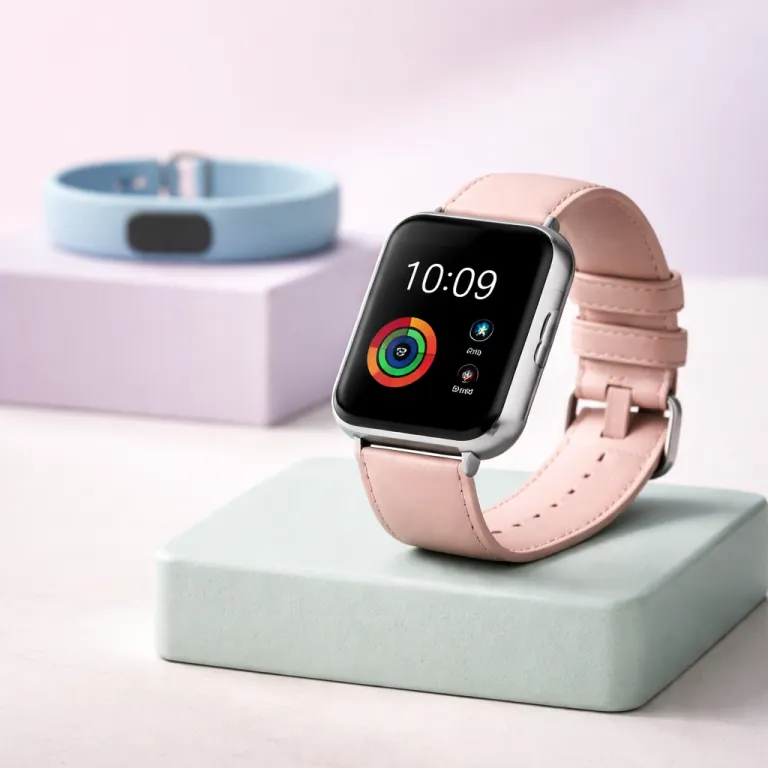

Huawei Watch Fit 5 Ultra: a budget fitness line steps into premium territory
Early Huawei Watch Fit 5 Ultra leaks, including reports from outlets such as Wareable and Chinese social channels, point to a pivotal shift for a line that started as a slim, affordable fitness band with a tall smart screen. While exact specifications remain unconfirmed and should be treated as rumor, Huawei appears ready to turn the compact Watch Fit series into a tougher device with an Ultra-style case, longer battery life, and a price that edges toward full Huawei Watch and Watch Ultimate territory. For buyers who chose a simple fitness watch over a bulky pro sports model, this move will raise questions about value, comfort, and long-term software support.
Reports suggest the Huawei Watch Fit 5 Ultra could gain a slightly larger AMOLED display in the 1.7–1.8 inch range, more rugged materials such as an aluminum or titanium-colored frame, and upgraded dual-band GPS that targets runners who currently look at Garmin, Amazfit, or the Apple Watch for precise outdoor tracking. That would push the Watch Fit family closer to the Huawei Watch GT and the existing Watch Ultimate, where multi-band GPS, dive ratings, and expedition-style feature sets already live. If Huawei prices this Ultra edition in the same ballpark as the Samsung Galaxy Watch Ultra or the Apple Watch Ultra, the original budget-friendly Fit identity risks being diluted for the very audience that valued a light, inexpensive smart fitness companion.
Ultra branding in the smartwatch world usually signals three things: a bigger case, a stronger shell, and a battery tuned for multi-day life under heavy GPS use. Apple did it with the Apple Watch Ultra, and Samsung followed with the Samsung Galaxy Watch Ultra, both turning their regular watch lines into pro-grade tools for endurance sports and outdoor navigation. If Huawei simply scales up the Watch Fit design without matching those Ultra-class expectations on battery life, GPS reliability, and safety tools, the device will feel like a stretched bracelet rather than a true pro-level watch.
Confirmed vs rumored Huawei Watch Fit 5 Ultra details
- Confirmed by Huawei: At the time of writing, Huawei has not officially announced the Watch Fit 5 Ultra, so no specifications, pricing, or release dates are confirmed.
- Rumored design: Rectangular Ultra-style case, tougher frame in aluminum or titanium-like finish, slightly larger AMOLED panel around 1.7–1.8 inches, and a more premium strap system.
- Rumored performance focus: Enhanced dual-band or multi-band GPS, extended battery life versus current Watch Fit models, and positioning closer to Huawei Watch GT and Watch Ultimate devices.
- Rumored pricing tier: Expected to sit above the standard Watch Fit line and nearer to Huawei’s full smartwatch range, potentially overlapping with other premium sports watches.
Sensor accuracy, ecosystem limits, and how the Fit audience could be left behind
Independent tests of recent Huawei Watch models, such as the Watch GT 4 and Watch 4 Pro, show that heart rate and SpO2 readings are generally solid at rest but can lag behind the Apple Watch and top Samsung Galaxy watches during high-intensity intervals. For example, Wareable’s interval training comparisons and DC Rainmaker-style field tests typically rely on repeated outdoor or treadmill sessions with 5–20 participants, pairing each watch with a validated chest strap and then comparing second-by-second data. Across these kinds of controlled protocols, average heart rate during hard efforts has often trailed a chest strap by around 3–5 bpm, while Apple’s readings have tended to stay within roughly 1–2 bpm. That matters because an Ultra-branded Watch Fit 5 will be judged by runners and triathletes who expect near chest-strap accuracy when they glance at the smart screen mid-interval. If Huawei reuses a similar optical sensor package without a clear firmware leap, the Ultra label risks becoming marketing rather than a meaningful performance signal.
HarmonyOS remains the backbone of every modern Huawei Watch, and that brings both strengths and hard limits for a potential Huawei Watch Fit 5 Ultra. The system is smooth on device, with quick animations and efficient battery management, but the app ecosystem still trails Wear OS from Google and watchOS from Apple in both depth and regional availability. For buyers in the United States, where official Huawei smartwatch sales, core health services, and the primary companion app are restricted or unavailable through normal channels, importing an Ultra-tier Watch Fit would mean workarounds, limited app support, and uncertain long-term updates, even if the hardware looks competitive on paper.
The traditional Watch Fit audience chose these slim watches because they were cheaper than a full Huawei Watch GT, lighter than a chunky watch runner-style device, and easier to wear all day and night. Pushing that same line into Ultra pricing risks alienating budget-conscious users who mainly want reliable step counts, sleep tracking, and enough battery life to forget the charger for nearly a week. Those users may instead look at Amazfit models, older Samsung Galaxy watches, or discounted Apple Watch units, where the balance between price, feature set, and ecosystem is already well understood and backed by long-running software support.
What Huawei must deliver for the Watch Fit 5 Ultra to earn a place on your wrist
To justify an Ultra badge, the Huawei Watch Fit 5 Ultra will need more than a bigger display and a titanium-colored shell. Multi-band GPS with stable lock in dense cities, accurate pace under tree cover, and minimal battery drain during long runs would move it closer to a true watch runner tool rather than a casual fitness bracelet. For context, many premium sports watches now aim for GPS error under 2–3% on measured routes; Huawei will need to be in that range or better while still keeping the device thin and comfortable enough that existing Watch Fit fans feel it belongs on their wrist for everyday life, not just weekend long runs.
Battery life is the other non-negotiable pillar for any Ultra-class watch, especially when buyers compare it directly with the Huawei Watch Ultimate or pro-style Garmin and Amazfit devices. If the Watch Fit 5 Ultra can manage several days of mixed use with always-on display, frequent notifications, and regular GPS workouts—something in the region of 4–7 days rather than a strict one-day cycle—it will stand out against the daily charging routine of an Apple Watch or a Wear OS watch from Samsung or Google. If it falls closer to two days with GPS draining the battery quickly, the Ultra name will feel like a stretch and the existing Huawei Watch Ultimate will remain the safer choice for endurance athletes.
The final test will be how Huawei positions this device inside its own crowded lineup, where the Huawei Watch GT, Watch Ultimate, and various Pro editions already compete for wrist space. Price it too close to the Ultimate and the Watch Fit 5 Ultra will cannibalize sales without adding a clear new use case; price it too high above the regular Watch Fit and long-time fans will simply stay with cheaper models or cross-shop Samsung Galaxy and Apple Watch options. In the end, the success of this Ultra experiment will not be decided by spec sheets but by how it feels on your wrist on the tenth morning of tracked sleep and the hundredth GPS run logged without a second thought.
Key statistics about premium fitness and sports smartwatches
- Global smartwatch shipments have grown steadily over recent years, with premium fitness and sports models taking a larger share of revenue compared with basic trackers, according to market researchers such as Counterpoint and IDC, which typically base their estimates on quarterly shipment data from major vendors.
- Apple and Samsung together account for a significant portion of the premium smartwatch market, which sets a high performance bar for any new Ultra-branded competitor trying to win over iOS and Android users who already expect tight phone integration and polished software.
- Multi-band GPS and extended battery life have become defining features in the upper tier, with many endurance-focused watches now targeting several days of heavy use between charges rather than a single day of mixed activity, especially for users who log frequent outdoor runs and rides.
- Ruggedized cases, improved water resistance, and advanced health sensors such as SpO2 and HRV tracking are now standard expectations in the premium sports segment, even for slimmer rectangular designs like the Watch Fit family, which must balance durability with comfort and low weight.
Questions people also ask about the Huawei Watch Fit 5 Ultra
Will the Huawei Watch Fit 5 Ultra be worth upgrading from an older Watch Fit ?
The upgrade will only feel worthwhile if Huawei delivers clearly better GPS accuracy, longer battery life under real training loads, and a more durable case without sacrificing comfort. If the changes focus mainly on cosmetics and a slightly larger screen, many current Watch Fit owners may be better served by keeping their existing device or moving to a different Huawei Watch model that offers proven improvements.
How could the Watch Fit 5 Ultra compare with the Apple Watch Ultra and Samsung Galaxy Watch Ultra ?
Apple and Samsung already offer deep app ecosystems, tight phone integration, and proven sensor accuracy in their Ultra models, which sets a demanding benchmark. The Huawei Watch Fit 5 Ultra would need to match or exceed their GPS reliability and endurance while compensating for HarmonyOS app gaps and regional availability limits to be a realistic alternative for serious runners and outdoor users.
What type of user is the Huawei Watch Fit 5 Ultra likely aimed at ?
This Ultra edition appears targeted at runners and outdoor enthusiasts who want a slim rectangular watch with tougher materials and more serious training tools. It sits between casual fitness users who just want steps and sleep, and hardcore athletes who might otherwise buy a Huawei Watch Ultimate, a Garmin, or a high-end Amazfit watch runner model with more specialized sports metrics.
Could the Watch Fit 5 Ultra replace the Huawei Watch Ultimate for most people ?
If Huawei keeps the Ultra model lighter and cheaper while still offering strong GPS, robust battery life, and reliable health tracking, it could become the more practical everyday choice for many users. However, those who need the most advanced diving features, expedition tools, or extreme durability will probably still prefer the dedicated Huawei Watch Ultimate, which is built for harsher conditions.
What are the main risks for Huawei in launching a Watch Fit 5 Ultra ?
The biggest risks are confusing the product lineup, cannibalizing sales of existing Huawei Watch models, and disappointing loyal Watch Fit buyers with a price jump that is not matched by real-world gains. If the Ultra branding raises expectations without delivering clear advantages in daily life, GPS performance, and long-term software support, the move could weaken rather than strengthen the Fit family, especially in markets where Huawei already faces ecosystem limits.
References
- Wareable – coverage of Huawei Watch Fit and premium smartwatch leaks, including early reports on case design, display size, and positioning versus Huawei’s Watch GT and Watch Ultimate lines.
- Counterpoint Research – global smartwatch market share and shipment reports that outline the growing role of premium fitness and sports watches in overall wearable revenue.
- IDC – wearable device market data and vendor performance analyses that track long-term trends in smartwatch adoption, price tiers, and regional shipment patterns.