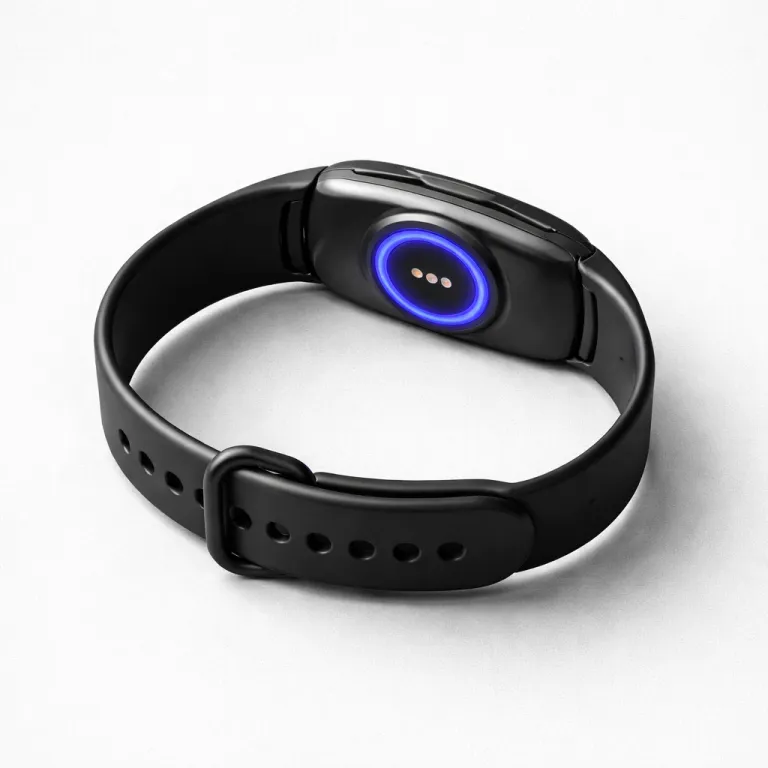
Garmin cirqa smart band as a screen free whoop competitor
Garmin is preparing the Garmin Cirqa smart band as a rare screen free wearable aimed squarely at recovery focused athletes. Early regulatory filing information from the FCC and EU databases, along with retailer listing data from at least one major European sports outlet, suggest that this Cirqa smart band will ship without a traditional screen, positioning the Cirqa device as a direct Whoop competitor rather than a typical fitness tracker. For runners and cyclists who already rely on a larger Garmin watch for workouts, the Cirqa smart band promises passive fitness and fitness health tracking overnight without adding more bulk to the wrist.
The core of the Garmin Cirqa concept is simple: let your main watch handle GPS and intervals while a lighter band manages sleep, heart rate variability and stress. This approach mirrors what Whoop trackers and Oura rings already do, but Cirqa will plug into the existing Garmin Connect ecosystem where Training Readiness, Body Battery and long term health metrics already live. Because the filing and early listing suggest that Cirqa will use the Elevate V5 optical sensor from high end Garmin wearables, the band could measure heart rate and blood oxygen with a level of precision that many screen based fitness trackers still struggle to match, though Garmin has not yet confirmed final specs or any health premium features.
Regulatory filing documents and one early retailer listing suggest Cirqa will reportedly arrive in two sizes and two color options, Black and French Grey, with a price close to 470 euros at launch. That pricing makes the Garmin Cirqa smart band far more expensive than a basic Fitbit Air fitness tracker, but it also removes the ongoing subscription cost that defines a Whoop competitor in the premium recovery space. For athletes who already own multiple wearables and want a dedicated sleep band rather than another full smartwatch, the Cirqa smart band could be the best balance between up front cost and long term value, provided the final Garmin announcement matches what the current listing suggests.
Sensor tech, ecosystem depth and how cirqa will fit into training
The Elevate V5 sensor inside the Garmin Cirqa smart band matters because it matches the hardware in top tier Garmin watches used by serious triathletes. That means the Cirqa smart band should capture continuous heart rate, pulse oximetry and stress data with the same fidelity as a Fenix class device, while staying almost invisible during sleep and passive fitness tracking. In practice, this could let a multi sport athlete wear a rugged outdoor watch for intervals and then swap to the lighter Cirqa band for overnight recovery without losing continuity in their fitness health history or long term training records.
Garmin Connect already merges data from multiple trackers, and the Cirqa smart band will reportedly extend that by treating the band as a recovery first device. Training Load, Training Readiness and Body Battery scores would still come from the main watch workouts, while the Cirqa smart band refines sleep staging, resting heart rate and HRV trends. For anyone who has juggled a Whoop subscription, a Fitbit tracker and a traditional GPS watch, consolidating all those metrics into one Garmin account with a clear privacy policy and transparent health premium options could be a welcome simplification that reduces app fatigue and overlapping notifications.
The broader ecosystem angle also matters because Google Health and other platforms increasingly aggregate data from many wearables and trackers. A screen free Cirqa smart band that syncs cleanly with both Garmin Connect and external services such as Google Health would give athletes more control over where their health data flows and how long it is stored. If Cirqa will integrate as cleanly with third party platforms as existing Garmin watches like the long running Fenix line described in this multisport GPS watch overview, it could quickly become the best default recovery band for data driven endurance athletes, though buyers should remember that all of this still depends on what Garmin will officially confirm at launch.
Price pressure, rivals like fitbit air and what buyers should watch
Pricing is where the Garmin Cirqa smart band faces its toughest test, because a leaked retailer listing suggests Cirqa will cost nearly 470 euros at launch. That places the Cirqa smart band well above mainstream fitness trackers such as Fitbit Air, which targets casual users with a color screen and basic fitness features at a fraction of the price. The trade off is that the Garmin Cirqa band focuses on deep recovery metrics, long term sleep tracking and integration with serious training tools rather than on screen notifications or apps, making it more of a specialist fitness tracker than a general purpose smartwatch.
For buyers comparing wearables, the choice will often come down to whether they value a one time payment or an ongoing subscription model. A Whoop competitor typically spreads cost through a monthly subscription, while the Garmin Cirqa smart band asks for a higher up front price but no recurring fee for core tracking. Casual users who mainly want steps, simple heart rate checks and a bright screen may find better value in a Fitbit Air style fitness tracker reviewed in depth in this health and fitness smartwatch test, but committed athletes will likely prefer the Cirqa smart integration with existing Garmin devices and the ability to avoid yet another subscription.
There is also a growing niche of athletes who want screen free or screen free style wearables to reduce distraction and focus on passive fitness data such as sleep and recovery. For them, a slim band that quietly tracks heart rate, sleep and stress while a separate watch handles workouts may be the best compromise between data richness and mental calm. Anyone in that group who already owns a Garmin watch, has tried multiple trackers and cares about long term health trends may find that the Garmin Cirqa smart band sits alongside hybrid options covered in this hybrid smartwatch guide as part of a broader, more flexible wearable strategy, especially if the final Garmin filing confirms the current color options and feature set.