Key heart rate features that separate basic watches from serious wearables
When comparing the best smartwatches with heart rate monitor, it helps to separate marketing claims from clinically relevant features. Continuous heart rate tracking during the day and night is now standard, but the quality of rate monitoring and the clarity of insights still vary widely. Serious health focused watches provide not only raw heart rate numbers but also context about fitness, sleep, and stress.
Look for devices that track resting heart rate reliably, because this metric reflects overall cardiovascular fitness and recovery. Monitoring watches that show trends in resting heart over weeks can highlight improvements from training or warn about overtraining and illness. Some wearables also flag unusually high or low heart rate values at rest, which may signal irregular heart patterns that should be discussed with doctor.
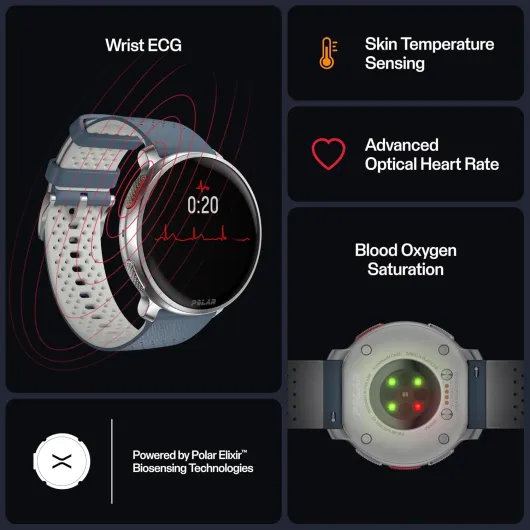
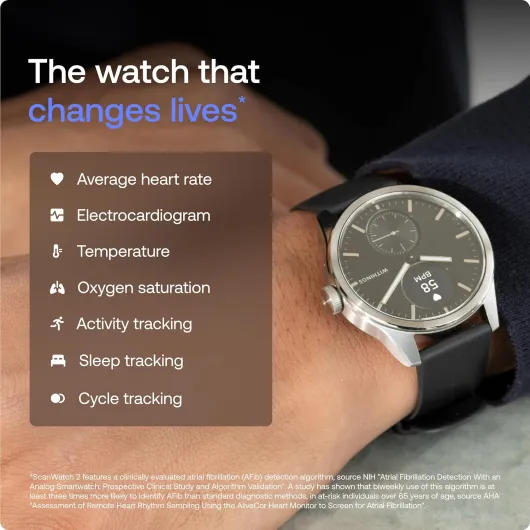
Advanced models such as Apple Watch Series, Fitbit Sense, Galaxy Watch, Garmin Fenix, and Pixel Watch add ECG recordings and irregular heart rhythm notifications. These smartwatches with heart rate monitor functions can suggest possible atrial fibrillation episodes, although only a clinician can confirm the diagnosis. For a deeper dive into how one brand approaches cardiovascular metrics, see this detailed guide on Fitbit blood pressure and heart monitoring, which explains how rate monitors fit into a broader health strategy.
How training, fitness, and sleep data enhance heart rate insights
The best smartwatches with heart rate monitor do more than count beats per minute during a run. By combining heart rate tracking with fitness metrics, training load, and sleep monitoring, these watches create a fuller picture of how the heart responds to everyday stress. This holistic view helps people adjust workouts, recovery, and lifestyle habits in a more informed way.
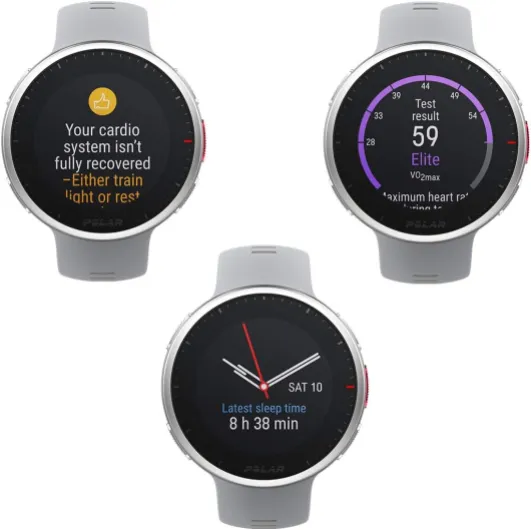
Sports oriented wearables such as Garmin Forerunner and Garmin Fenix excel at translating heart rate data into training guidance. They estimate VO2 max, training status, and suggested recovery time, using heart rate monitors to gauge how hard the cardiovascular system is working. When resting heart rate stays elevated after intense training, these monitoring watches may recommend lighter sessions to protect long term heart health.
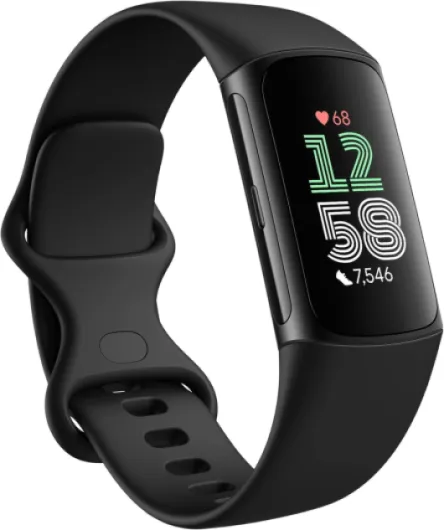
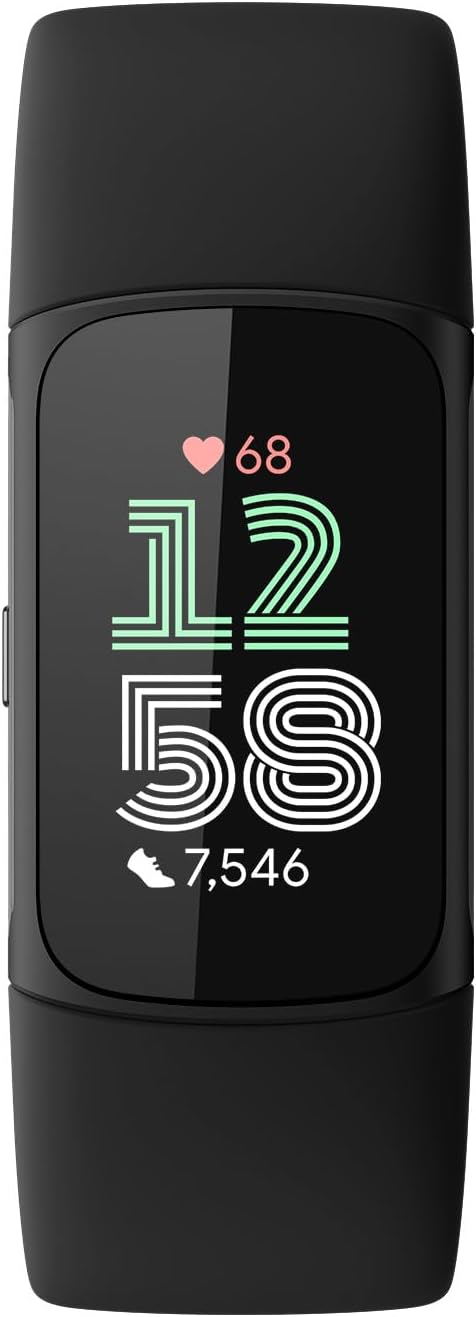
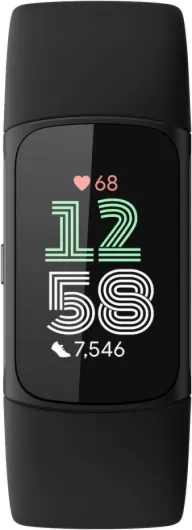
On the lifestyle side, Apple Watch, Fitbit Sense, Galaxy Watch, and Pixel Watch integrate sleep tracking with nightly heart rate monitoring. These smartwatches with heart rate monitor features can show how rate rhythm changes across sleep stages and how poor sleep affects daytime heart rate. For readers interested in a focused review of a health oriented band, this analysis of the Fitbit Charge 6 as a fitness and heart rate tracker illustrates how compact devices still deliver meaningful cardiovascular insights.
Comparing major brands for heart rate monitoring and battery life
Choosing among the best smartwatches with heart rate monitor often comes down to trade offs between accuracy, battery life, and ecosystem. Apple Watch and Pixel Watch integrate deeply with their respective smartphone platforms, while Garmin Fenix and Garmin Forerunner prioritize endurance and advanced training metrics. Fitbit Sense and Galaxy Watch aim to balance lifestyle features with robust health monitoring watches capabilities.
Apple Watch Series models are praised for polished software, strong app support, and reliable heart rate monitoring during everyday use. Their ECG function, irregular heart rhythm alerts, and atrial fibrillation notifications make them popular among users focused on heart health. However, battery life usually lasts about one to two days, which means frequent charging for people who want continuous sleep and rate monitoring.
Garmin Fenix and Garmin Forerunner watches offer multi day to multi week battery life, especially in GPS and training modes. These wearables emphasize fitness and endurance sports, using heart rate monitors to guide structured training and recovery decisions. Galaxy Watch, Fitbit Sense, and Pixel Watch sit between these extremes, providing solid heart rate tracking, sleep monitoring, and rate monitor alerts, while still needing regular charging but often lasting longer than an Apple Watch in typical use.
Understanding limitations, irregular heart alerts, and when to speak with doctor
Even the best smartwatches with heart rate monitor have important limitations that every user should respect. Optical heart rate tracking can be affected by skin tone, tattoos, wrist movement, and watch fit, which sometimes leads to inaccurate readings. ECG features on Apple Watch, Galaxy Watch, Fitbit Sense, and Pixel Watch record only short single lead strips, not full clinical ECGs.
Irregular heart rhythm notifications and atrial fibrillation alerts are designed to prompt awareness, not panic. When a smartwatch or watch series repeatedly flags irregular heart patterns, the next step is to share those rate rhythm records with doctor for proper evaluation. People with known heart conditions should treat these wearables as supportive tools, while still relying on professional rate monitoring and medical grade heart rate monitors when needed.
Users should also remember that monitoring watches cannot reliably detect heart attacks, clogged arteries, or every type of arrhythmia. A normal ECG reading on a smartwatch does not rule out serious heart health problems, especially if chest pain or shortness of breath occurs. The most responsible way to use smartwatches with heart rate monitor functions is to combine their continuous tracking, resting heart trends, and rate monitor alerts with regular medical checkups and honest discussions with doctor.
Practical buying checklist for the best heart focused smartwatches
For readers comparing the best smartwatches with heart rate monitor, a structured checklist can clarify priorities. Start by deciding whether fitness training, everyday health, or long battery life matters most in daily life. Endurance athletes may lean toward Garmin Fenix or Garmin Forerunner, while people deeply invested in iPhone or Android ecosystems might prefer Apple Watch, Galaxy Watch, Fitbit Sense, or Pixel Watch.
Next, examine how each smartwatch handles heart rate tracking, sleep monitoring, and rate monitoring alerts for irregular heart patterns. Look for clear graphs of resting heart rate, explanations of rate rhythm changes, and straightforward options to export data for sharing with doctor. Monitoring watches that combine ECG, atrial fibrillation notifications, and robust fitness metrics often provide the best heart focused value, even if the initial price is higher.
Finally, consider comfort, durability, and how the watch fits into everyday routines, including charging habits. A device with excellent heart rate monitors but poor battery life may end up on a bedside table instead of on the wrist during crucial hours. For a concrete example of how a general purpose smartwatch balances wellness features, heart rate tracking, and design, see this in depth review of a Galaxy Watch model focused on wellness and heart monitoring, which illustrates how modern wearables integrate health, training, and style.
Key statistics about heart rate monitoring in smartwatches
- Global smartwatch adoption for health and heart rate monitoring has grown steadily, with tens of millions of active wearables tracking heart rate daily.
- Studies show that consumer ECG features on devices like Apple Watch can identify atrial fibrillation with high sensitivity in selected populations, when recordings are of good quality.
- Resting heart rate trends collected by smartwatches correlate with changes in cardiorespiratory fitness, making long term tracking valuable for lifestyle interventions.
- Battery life remains a decisive factor, as users who charge less frequently are more likely to maintain continuous heart rate monitoring and sleep tracking.
Common questions about smartwatches with heart rate monitor
Are smartwatch heart rate monitors accurate enough for health decisions ?
Most modern smartwatches with heart rate monitor features are accurate for everyday tracking and fitness guidance. They perform well at rest and during steady activities, but rapid movements or loose straps can reduce accuracy. For critical medical decisions, clinical grade heart rate monitors and professional rate monitoring remain the gold standard.
Can a smartwatch detect atrial fibrillation reliably ?
Devices such as Apple Watch, Galaxy Watch, Fitbit Sense, and some Garmin models can suggest possible atrial fibrillation through ECG recordings and irregular heart rhythm alerts. These tools are useful for screening and prompting timely consultations with doctor. Only a healthcare professional can confirm atrial fibrillation and decide on treatment, using medical grade tests.
How important is battery life for heart rate tracking ?
Battery life directly affects how consistently a smartwatch can monitor heart rate, sleep, and daily activity. Longer lasting wearables like some Garmin Fenix and Garmin Forerunner models support continuous rate monitoring without frequent charging interruptions. Shorter battery life on feature rich watches is manageable, but it requires disciplined charging habits to avoid gaps in heart health data.
Do I need ECG on my smartwatch for good heart monitoring ?
ECG functions add valuable context for irregular heart rhythm checks and potential atrial fibrillation detection. However, continuous optical heart rate tracking, resting heart trends, and clear alerts already provide strong support for everyday heart health. For many users, a reliable rate monitor with robust fitness and sleep tracking may be more impactful than occasional ECG recordings.
Are smartwatches suitable for people with existing heart conditions ?
Many cardiologists see smartwatches as helpful adjuncts for patients, especially for tracking symptoms and sharing heart rate patterns. People with known heart disease should discuss specific devices, rate monitors, and monitoring watches with doctor before relying on them. Used thoughtfully, these wearables can complement medical care, but they must never replace professional diagnosis or emergency services.

![Galaxy Watch 7 40mm Bluetooth AI Smartwatch w/Energy Score, Wellness Tips, Heart Rate Tracking, Sleep Monitor, Fitness Tracker, 2024, Cream [US Version, 1Yr Manufacturer Warranty] Cream 40mm Watch7 Only Bluetooth](https://www.smartwatch-guru.com/storage/574149/conversions/71SZNup1qrL._AC_SL1500_-medium.webp)