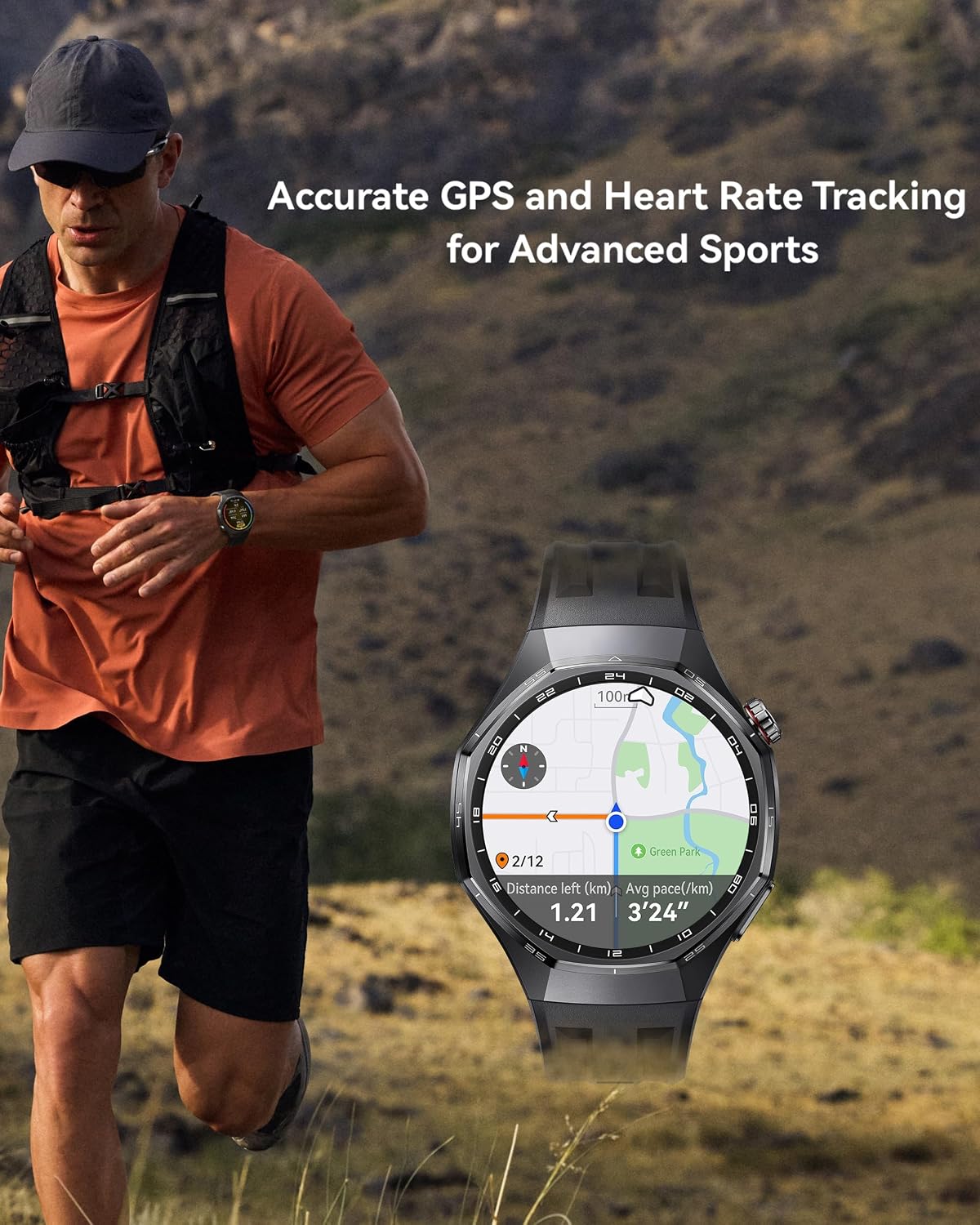
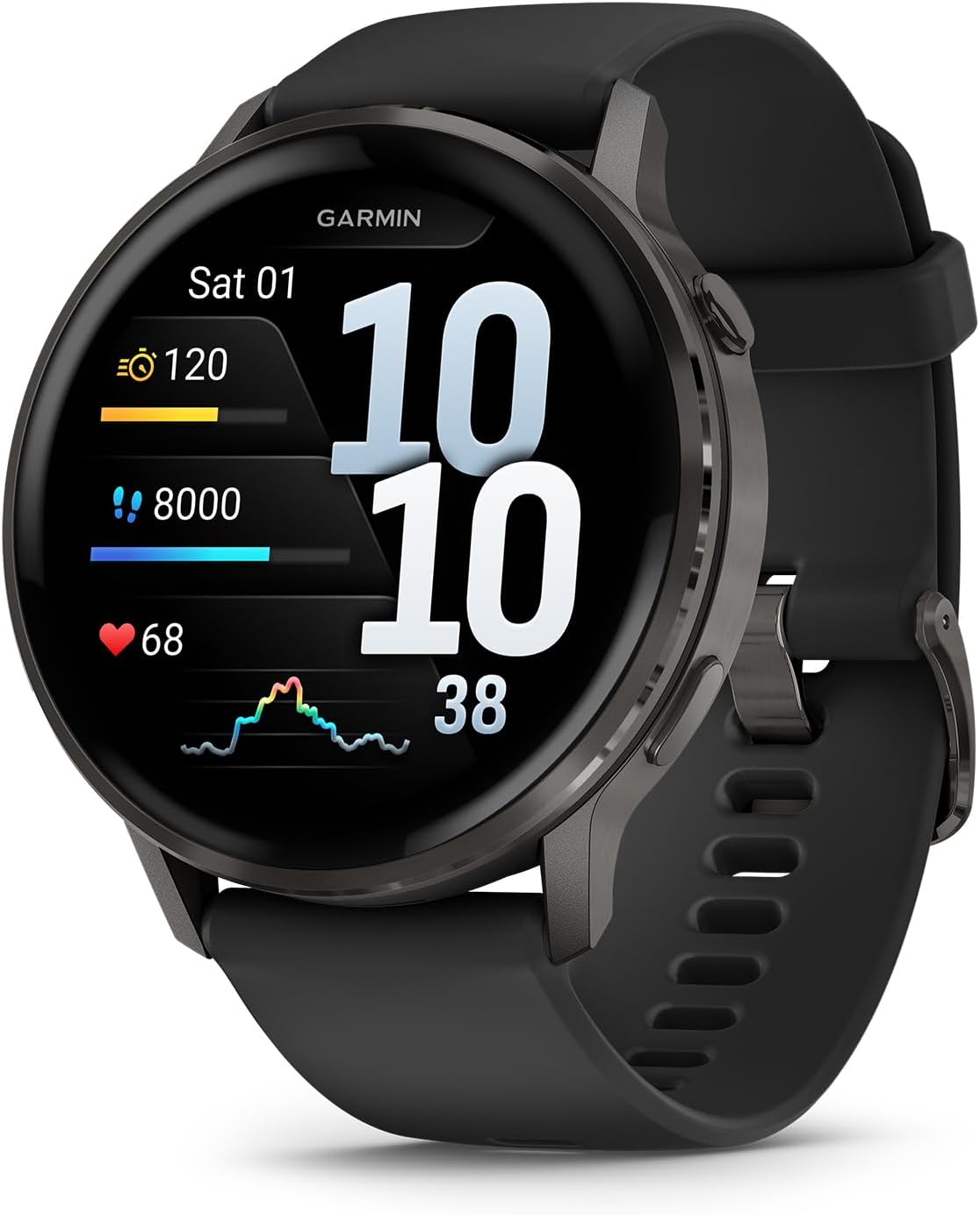
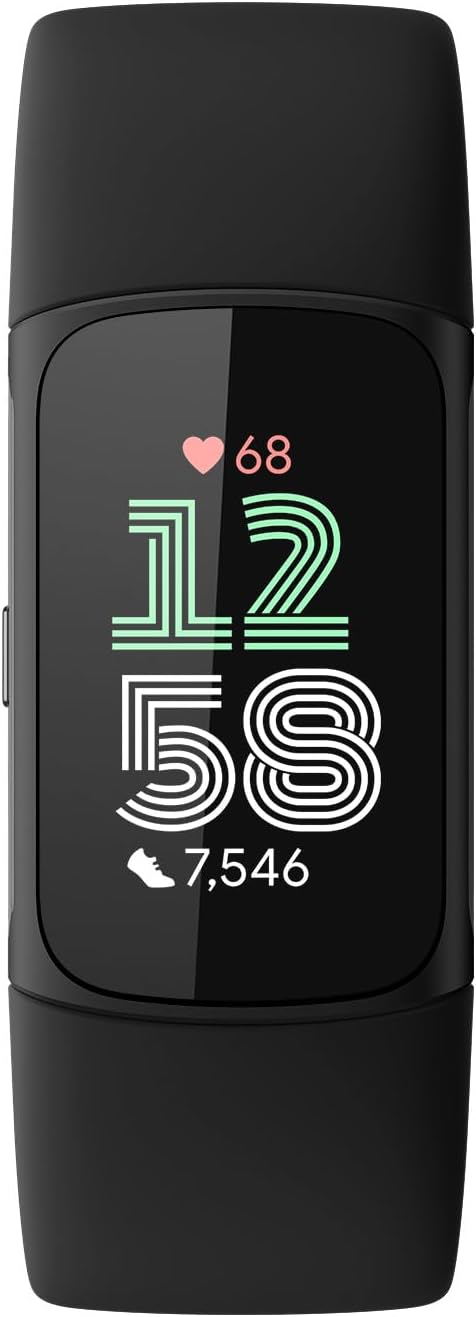
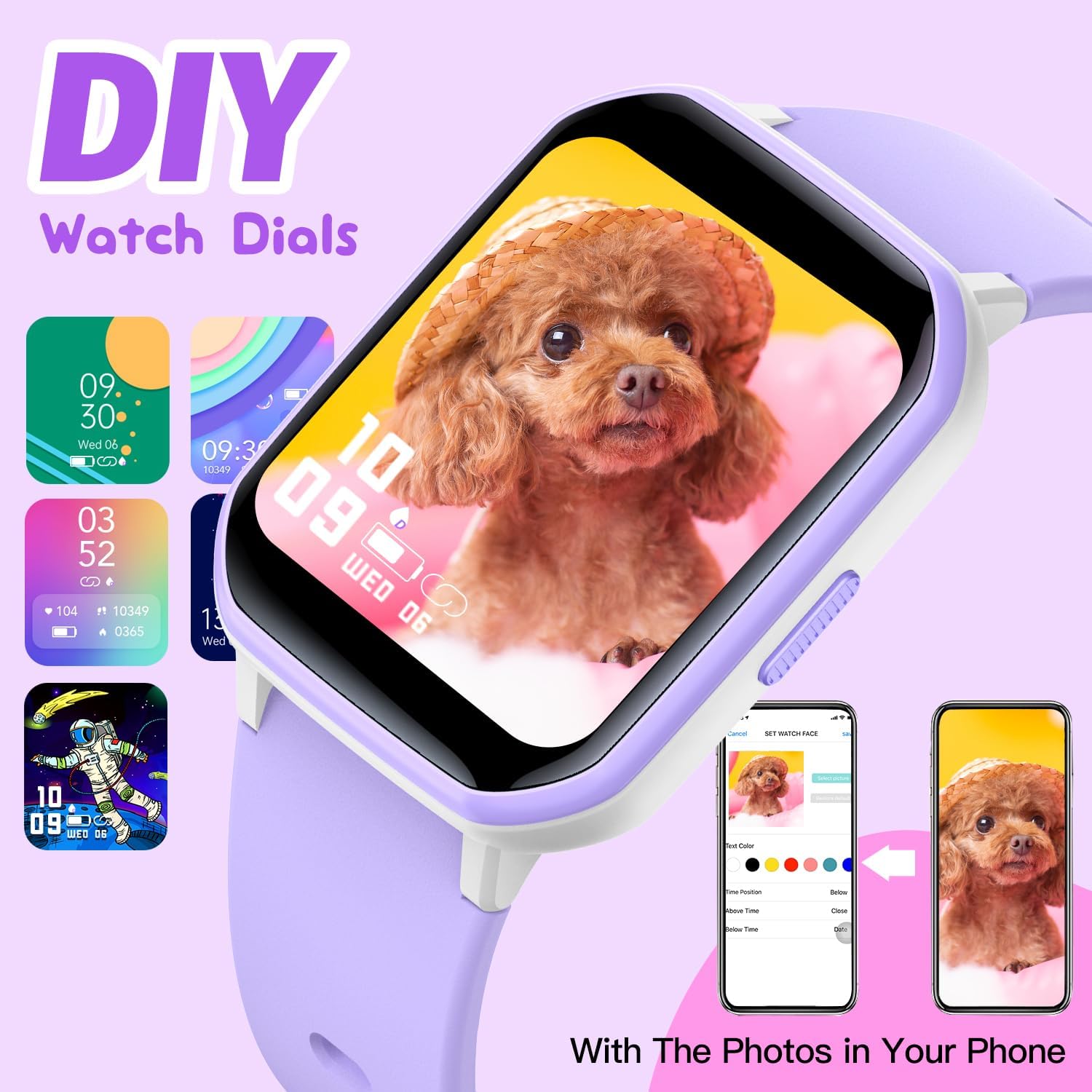
Key health features that define the best fitness smartwatches
Heart rate monitoring sits at the core of every serious fitness tracker. Continuous heart rate tracking allows a watch to estimate calorie burn, training zones, and recovery, which are essential for structured workouts. When heart rate data is accurate, you can judge whether an easy run truly feels easy or if stress and poor sleep are quietly raising your effort.
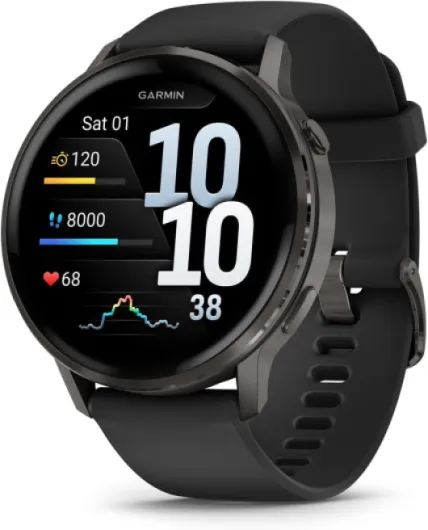
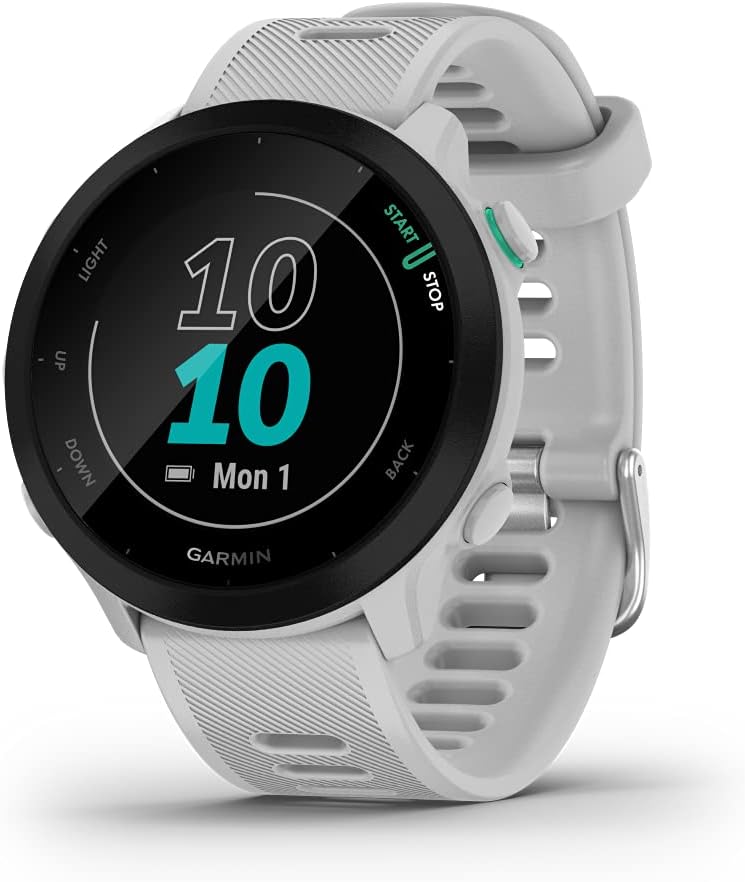
Many of the best fitness smartwatches now include blood oxygen sensors, advanced sleep tracking, and detailed health features such as stress scores. These metrics help you understand how well your body handles training load, long workdays, and travel, especially when battery life is strong enough to keep the watch on your wrist at night. Devices like the Apple Watch, Galaxy Watch, and Garmin models combine this tracking with robust water resistance, making them suitable for swimming, showers, and rainy outdoor sessions.
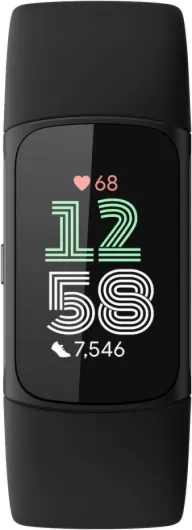
Specialized devices such as Whoop bands and the Oura Ring focus heavily on recovery, sleep, and long term health fitness trends. Traditional brands like Fitbit offer models such as Fitbit Inspire and Fitbit Charge that balance fitness tracking, app simplicity, and several life days of battery. For a deeper look at advanced multi day tracking and performance, you can review this detailed guide to the TicWatch Pro 3 Ultra at TicWatch Pro 3 Ultra fitness and health features. Whatever you choose, ensure the watch, app, and overall ecosystem fit your goals and your preferred level of data detail.
Accuracy, sensors, and when to add a chest strap
Accuracy is a central concern for anyone comparing the best fitness smartwatches. Optical heart rate sensors on a watch or fitness tracker work well for steady running, walking, and daily activity. However, during high intensity intervals or strength training, even the best fitness trackers can struggle to keep heart rate readings perfectly accurate.
For athletes who demand precise heart rate data, pairing a chest strap with a watch can significantly improve tracking. A chest strap measures the electrical signals of the heart directly, which usually provides more stable readings during rapid changes in effort. Many Garmin, Apple Watch, Galaxy Watch, and other fitness trackers support external sensors, allowing you to combine smartwatch convenience with chest strap accuracy.
Sleep tracking and blood oxygen estimates also depend on how well the watch fits and how consistently you wear it. Devices like Whoop, Oura Ring, and several Fitbit models aim to provide reliable night time data by focusing on comfort, long battery life, and minimal distractions. If you are unsure whether a particular watch or tracker suits your training style, it can help to read focused reviews such as this analysis of whether the Pulse Pro Watch is right for you at Pulse Pro Watch detailed review. Matching the right sensors, strap style, and app ecosystem to your needs is what ultimately defines the best fitness experience.
Battery life, comfort, and real world wearability
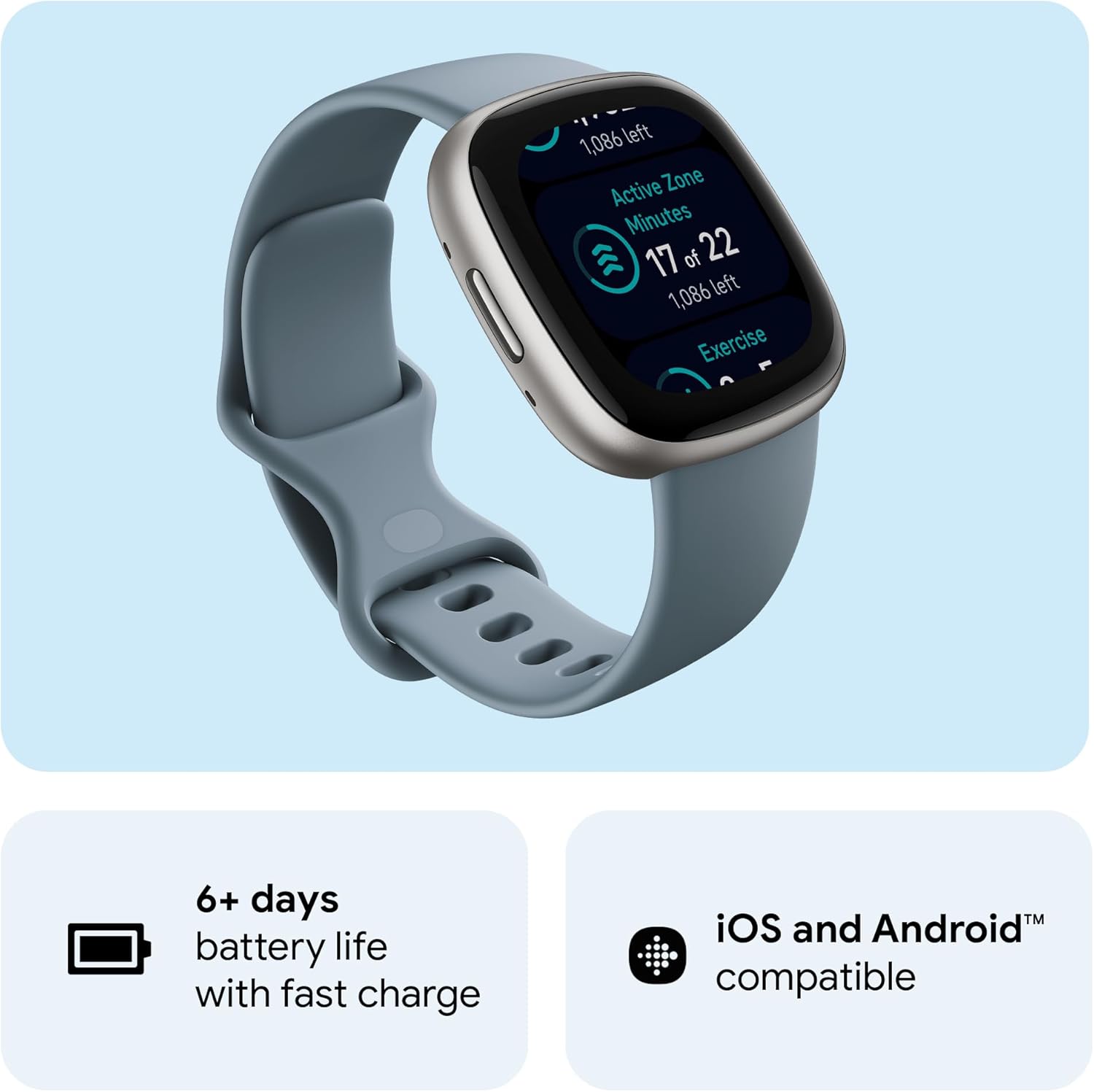
Battery life often determines whether a fitness tracker becomes a daily habit or a forgotten gadget. A watch that needs charging every few hours will rarely stay on your wrist long enough to capture meaningful health data. Many of the best fitness smartwatches now offer several life days of use, especially when you balance features like always on displays and continuous GPS tracking.
Models from Garmin, Fitbit, and Whoop typically emphasize long battery life, while devices such as the Apple Watch and Galaxy Watch trade some endurance for richer smart features. When evaluating battery claims, pay attention to how many days water resistant tracking you can expect with your normal mix of workouts, notifications, and sleep tracking. A realistic view of battery performance helps you avoid frustration and ensures that heart rate, sleep, and blood oxygen data remain continuous.
Comfort and design also play a crucial role in health fitness adherence. Slim trackers like Fitbit Inspire or rings such as Oura Ring may feel less intrusive at night, which improves sleep tracking consistency and overall data quality. Larger watches with bright screens, including many Samsung Galaxy and Apple Watch models, can be excellent for daytime training but may require strap adjustments for night time comfort. Ultimately, the best fitness smartwatches are the ones that feel natural enough to wear all the time, through work, workouts, and rest.
Apps, ecosystems, and where to buy the best fitness smartwatches
The app behind a fitness tracker often matters as much as the watch itself. A clear, intuitive app turns heart rate graphs, sleep tracking charts, and activity summaries into insights that support better decisions. When the app explains how your heart rate, blood oxygen, and recovery interact, you are more likely to adjust training and daily habits in a healthy direction.
Apple Watch users rely on the Apple Health and Fitness apps, while Samsung Galaxy and Galaxy Watch owners use Samsung Health for tracking. Garmin, Fitbit, Whoop, and Oura Ring each maintain their own ecosystems, with different strengths in training load, readiness scores, and long term health fitness trends. Before choosing what you consider the best fitness smartwatches, it is wise to check whether the app works well on your phone, whether it syncs reliably, and how it presents complex data over time.
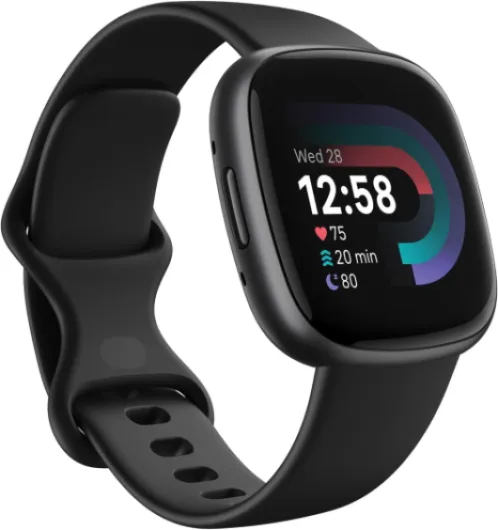
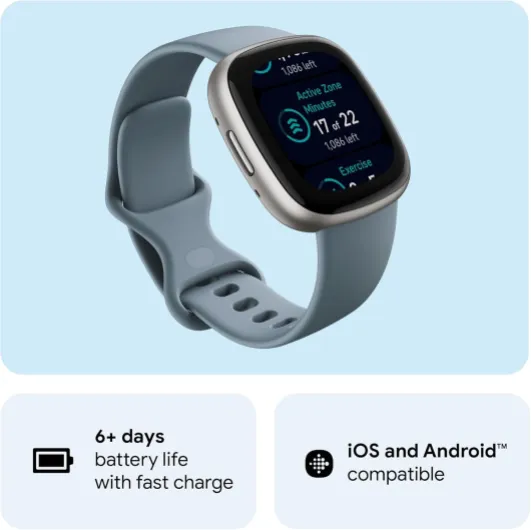
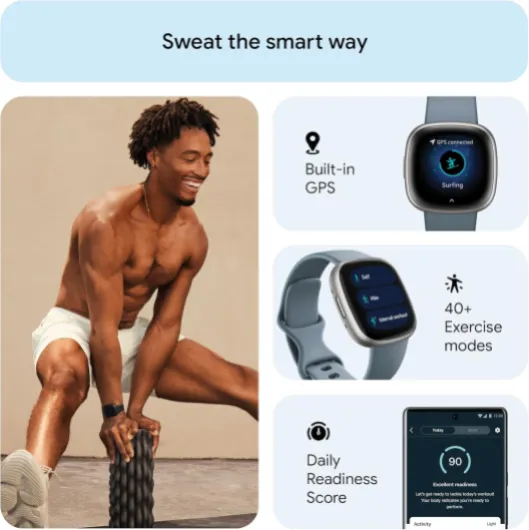
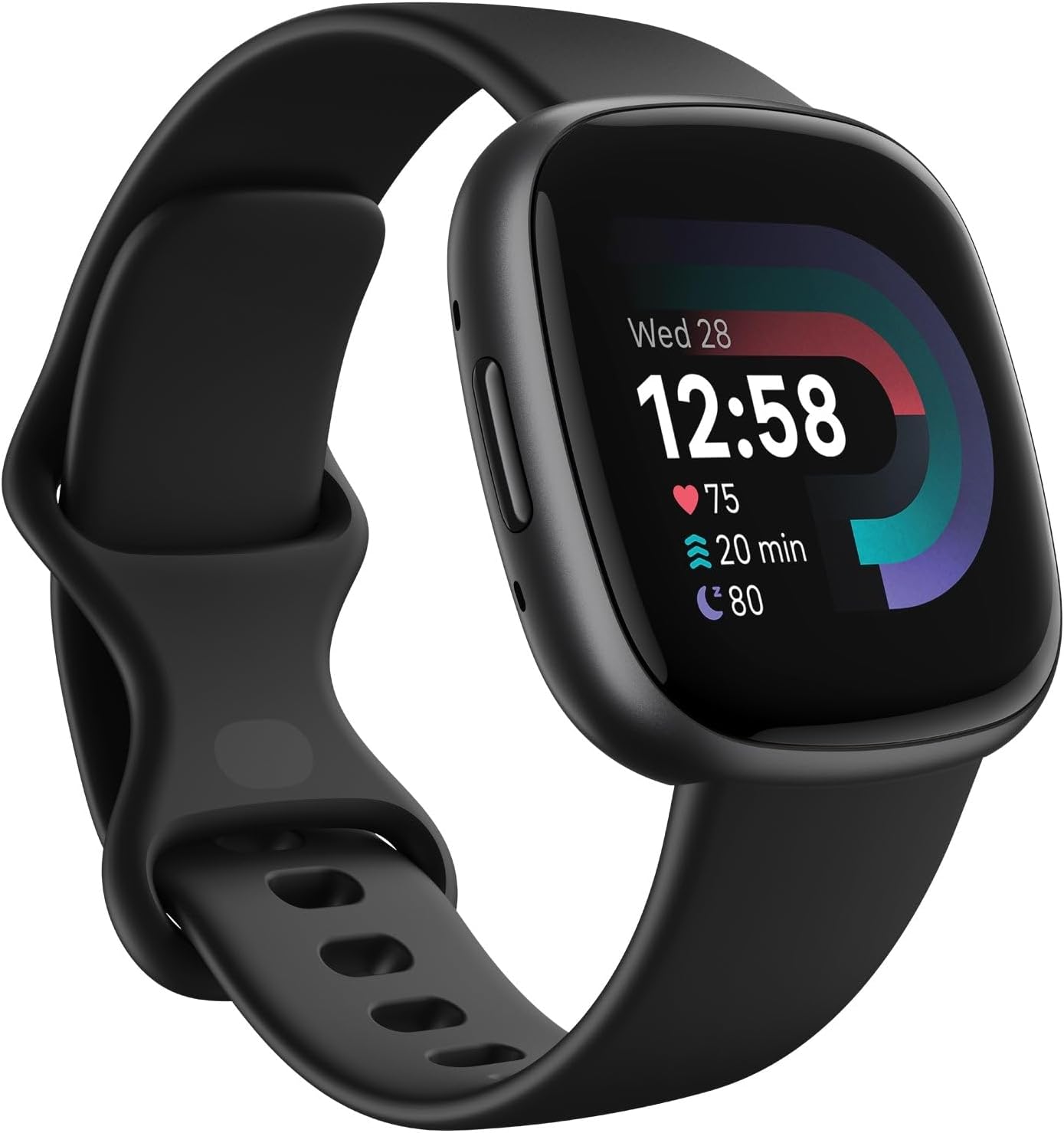
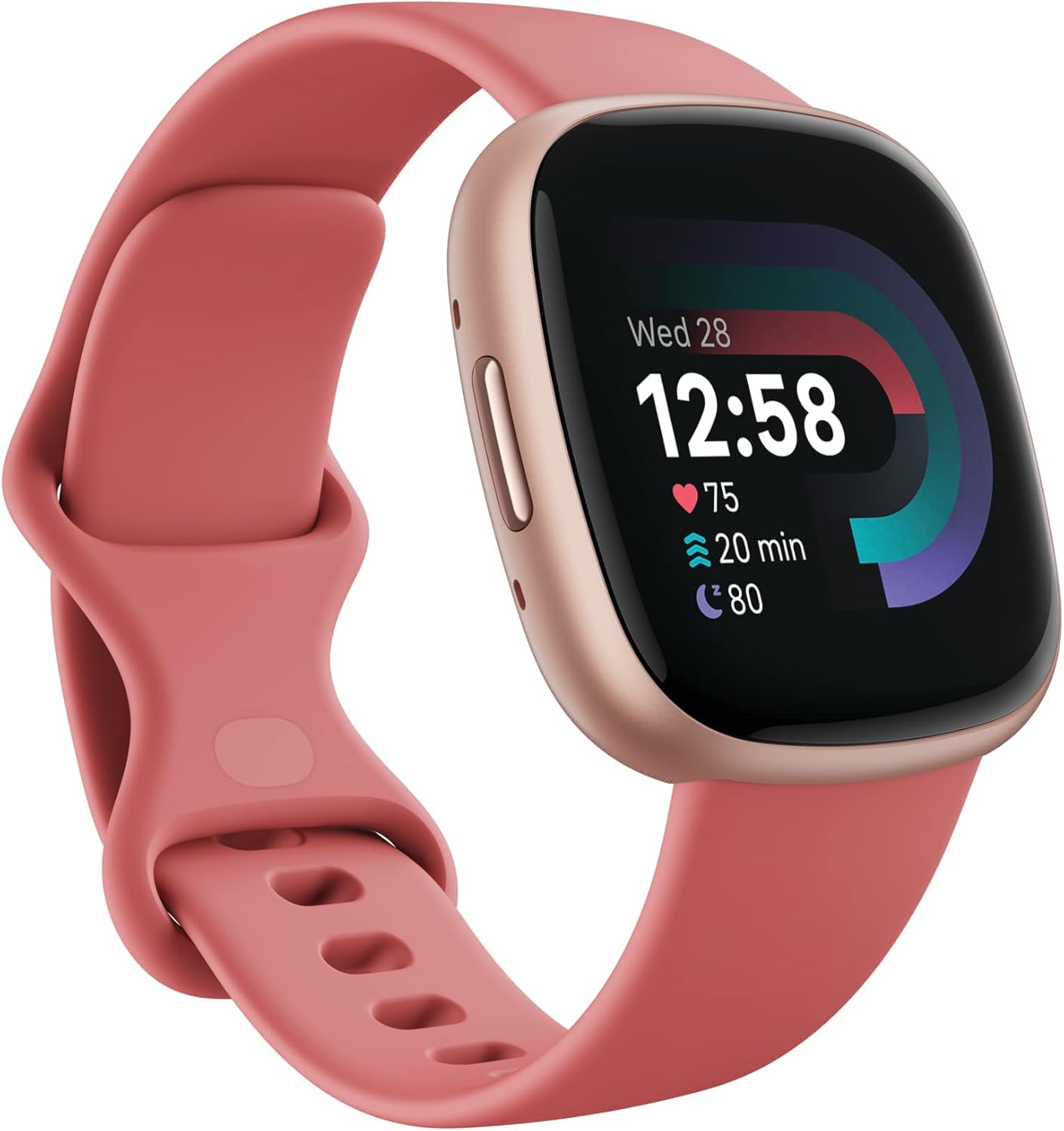
Retailers such as Amazon and Best Buy make it easy to compare prices, colors, and strap options for multiple fitness trackers. You can often find detailed user reviews that highlight real world battery life, water resistance performance, and comfort during sleep. For an in depth look at a health focused model with GPS, 24/7 heart rate, sleep tracking, and strong battery life, see this review of the Versa 4 at Versa 4 health and fitness smartwatch test. Choosing where to buy is the final step after you have matched the right watch, tracker, and ecosystem to your lifestyle.
Matching the best fitness smartwatches to your goals and budget
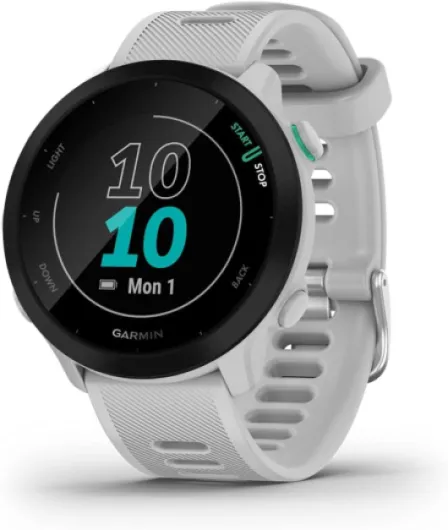
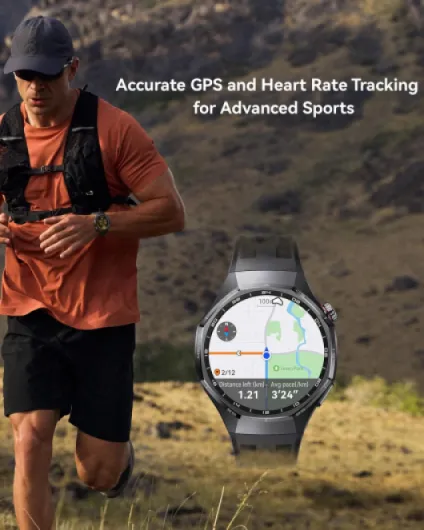
People seeking the best fitness smartwatches should start by clarifying their primary goals. If your focus is general health fitness, daily step counts, and gentle heart rate monitoring, a simple fitness tracker such as Fitbit Inspire or Fitbit Charge may be sufficient. Those who train for races or intense sports might prefer a Garmin watch, Apple Watch, or Samsung Galaxy Watch with advanced GPS tracking and training metrics.
Budget also shapes the decision between basic fitness trackers, premium smartwatches, and specialized devices like Whoop or Oura Ring. Entry level trackers often provide solid heart rate monitoring, sleep tracking, and several life days of battery life at a lower price. Premium models add richer displays, stronger water resistance, more detailed health features, and deeper integration with phone apps, which can justify the cost for people who rely heavily on data.
Availability through Amazon, Best Buy, and brand websites makes it easier to compare watch sizes, strap materials, and bundle offers such as chest strap packages. When evaluating what truly counts as the best fitness option, consider how well the watch fits your wrist, how clearly the app presents heart rate and blood oxygen data, and whether the battery supports your routine. Over time, a comfortable, accurate, and reliable fitness tracker becomes less of a gadget and more of a quiet partner in your health journey.
Key statistics about fitness smartwatches and health tracking
- Global smartwatch shipments have grown steadily, reflecting rising interest in health and fitness tracking across age groups.
- Surveys show that a large share of smartwatch owners use their devices primarily as a fitness tracker and heart rate monitor.
- Studies indicate that wrist based heart rate sensors can be reasonably accurate for steady state exercise but may lag during intense intervals compared with a chest strap.
- Research on sleep tracking suggests that consumer watches and fitness trackers estimate sleep duration fairly well but are less precise at distinguishing sleep stages.
- Market analyses report that brands such as Apple, Samsung, Garmin, Fitbit, and Whoop account for a significant majority of health focused wearable sales.
Common questions about the best fitness smartwatches
How accurate are fitness smartwatches for heart rate tracking ?
Fitness smartwatches use optical sensors to estimate heart rate from blood flow under the skin. For walking, easy running, and daily activity, many modern watches provide heart rate readings that are close enough for most users. During high intensity intervals or strength training, accuracy can drop, so pairing a watch with a chest strap is often recommended for athletes who need precise data.
Can a smartwatch replace a dedicated fitness tracker ?
A smartwatch such as an Apple Watch or Galaxy Watch can replace a dedicated fitness tracker for many people. These devices combine heart rate monitoring, GPS tracking, sleep tracking, and health features with notifications and apps. However, some users still prefer simpler fitness trackers like Fitbit Inspire or Fitbit Charge for their longer battery life and lighter, more comfortable design.
What should I look for in the best fitness smartwatches ?
When evaluating the best fitness smartwatches, focus on heart rate accuracy, battery life, comfort, and the quality of the companion app. Check whether the watch supports features such as blood oxygen monitoring, sleep tracking, water resistance, and external sensors like a chest strap. It is also important to ensure that the device works well with your phone and fits your budget and style preferences.
Are fitness smartwatches useful for sleep and recovery ?
Many fitness smartwatches and trackers now offer detailed sleep tracking, including estimates of sleep duration, stages, and nightly heart rate trends. Devices like Whoop, Oura Ring, and several Garmin and Fitbit models use this data to generate recovery or readiness scores. While these metrics are not medical grade, they can highlight patterns in sleep quality and help you adjust training, bedtime routines, and daily stress management.
Where is the best place to buy a fitness smartwatch ?
Popular options for buying fitness smartwatches include Amazon, Best Buy, and official brand websites from Apple, Samsung, Garmin, Fitbit, and others. Large retailers make it easier to compare prices, colors, and strap options, and they often feature user reviews that reveal real world battery life and comfort. Brand stores may offer exclusive models or bundles, so it can be helpful to compare both sources before making a final decision.
Trusted sources for further reading : World Health Organization, American Heart Association, Consumer Reports.