
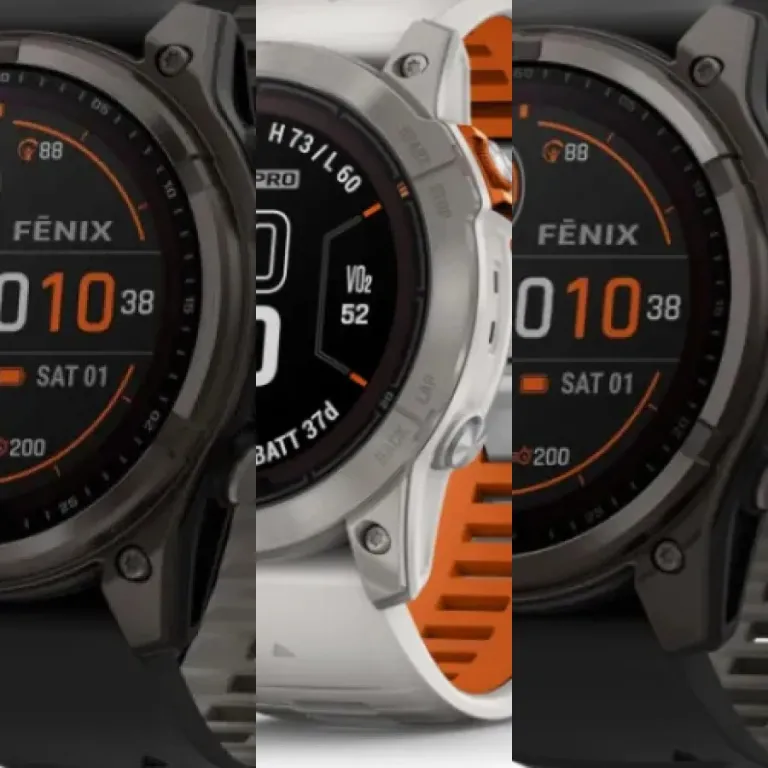
Understanding what makes a sports performance watch stand out
What Sets High-Performance Sports Watches Apart?
When searching for the best running or training watch, it’s easy to get overwhelmed by the sheer number of options available. Not all smartwatches are created equal, especially when it comes to sports performance. The top models go beyond basic step counting, offering a suite of features designed for athletes and fitness enthusiasts who demand accuracy, durability, and actionable insights. A great sports performance watch typically stands out in these areas:- Advanced GPS and Multi-Band Tracking: Accurate GPS is crucial for runners, cyclists, and outdoor adventurers. Watches like the Garmin Forerunner series and Coros Pace offer multi-band GPS and even dual frequency support, ensuring precise route mapping and distance tracking, even in challenging environments.
- Comprehensive Health Metrics: The best running watches now monitor heart rate, blood oxygen levels, and sleep quality. This data helps athletes optimize their training and recovery. Some models, such as those with an AMOLED display, make it easy to read full stats at a glance, even in bright sunlight.
- Battery Life and Charging: Battery life is a make-or-break factor. Top watches offer hours or even days of battery life, with some GPS watches lasting up to several life days on a single charge. Specs like battery life GPS and quick charging are essential for endurance athletes.
- Durability and Comfort: Sports watches are built to withstand sweat, rain, and impact. The size and band options, including multi band GPS support, ensure a secure fit during intense workouts.
- Smart Features: Beyond fitness, many watches integrate smartwatch capabilities like notifications, music control, and contactless payments. The Apple Watch Ultra and select Garmin models blend these features with robust training tools.
Key metrics to track for athletic improvement
Essential Performance Metrics for Athletes
When searching for the best sports performance watch, understanding which metrics matter most can help you make a smart choice. Modern running watches and smartwatches offer a wide range of tracking features, but not all are equally useful for every athlete. Here are the key metrics that stand out for training and athletic improvement:
- Heart Rate Monitoring: Accurate heart rate tracking is crucial for optimizing training intensity and recovery. Watches like the Garmin Forerunner series and Apple Watch Ultra provide reliable heart rate sensors, helping you stay in the right zone for your goals.
- GPS and Multi-Band GPS: For runners, cyclists, and outdoor athletes, a watch with precise GPS or dual frequency GPS is essential. This ensures accurate distance, pace, and route mapping. Models such as the Coros Pace and Garmin Forerunner are highly rated for their GPS accuracy and multi-band capabilities.
- Blood Oxygen (SpO2) Monitoring: Tracking blood oxygen levels can be valuable for endurance athletes and those training at altitude. Many of the best running watches now include this feature, giving you deeper insights into your body’s performance.
- Battery Life: The hours or days a watch lasts on a single charge can make a big difference, especially for long training sessions or multi-day events. Some watches, like those with AMOLED screens, balance display quality with battery life, while others prioritize long-lasting performance. Always check the specs battery and life days for your needs.
- Training and Recovery Insights: Advanced watches offer features like VO2 max estimation, training load, and recovery time suggestions. These tools help you avoid overtraining and maximize gains.
- Display and Readability: A clear, bright display—such as an AMOLED display—makes it easier to view stats during intense workouts. Consider the size and type of display when choosing your watch.
Comparing Metrics Across Popular Models
Not all watches track every metric equally well. For example, the Garmin Forerunner line is known for its robust GPS and heart rate tracking, while the Apple Watch Ultra stands out for its vibrant amoled screen and deep integration with training apps. The Coros Pace offers great battery life and multi-band GPS at a competitive price. When shopping on Amazon or other retailers, always read full specs and user reviews to see how each model performs in real-world conditions.
| Watch Model | GPS Accuracy | Battery Life (GPS Mode) | Heart Rate | Blood Oxygen | Display Type |
|---|---|---|---|---|---|
| Garmin Forerunner 955 | Dual Frequency | Up to 42 hours | Advanced | Yes | Transflective |
| Apple Watch Ultra | Multi Band GPS | Up to 12 hours | Advanced | Yes | AMOLED |
| Coros Pace 2 | GPS, GLONASS | Up to 30 hours | Reliable | Yes | LCD |
For more tips on choosing the right features for your needs, check out this guide on what to know before you buy a fitness tracker watch. Matching your watch’s tracking capabilities to your sport and training style is key to getting the most out of your investment.
Comparing popular brands and models
How Leading Sports Watches Compare in Real-World Use
When choosing the best sports performance watch, it’s important to look beyond marketing claims and focus on real-world performance. Here’s how some of the most popular running watches and multi-sport models stack up based on features, battery life, and overall training support.- Garmin Forerunner Series: Widely recognized for accurate GPS tracking and robust training metrics, the Garmin Forerunner lineup is a favorite among runners and triathletes. Models like the Forerunner 255 and 955 offer multi-band GPS, dual frequency support, and up to 14 days of battery life in smartwatch mode. The display is clear even in bright sunlight, and advanced features like blood oxygen monitoring and heart rate tracking are standard. The Forerunner series is often considered the best running watch for serious athletes.
- Apple Watch Ultra: The Apple Watch Ultra stands out with its bright AMOLED display, rugged build, and comprehensive health tracking. It’s great for those who want a full-featured smartwatch with advanced training tools. Battery life is around 36 hours with regular use, which is less than some dedicated GPS watches, but the integration with the Apple ecosystem and the quality of the display are hard to beat. The Ultra model also supports dual-frequency GPS for improved accuracy during outdoor activities.
- Coros Pace Series: Coros has quickly gained a reputation for delivering great battery life and reliable GPS tracking at a competitive price. The Coros Pace 2 and Pace 3 are lightweight, making them ideal for long-distance running and training. Battery life can reach up to 20 days in standard mode and 30 hours in full GPS mode. While the display isn’t AMOLED, it’s easy to read in most conditions. Coros watches are tested for durability and offer essential metrics for runners and multi-sport athletes.
| Model | GPS Accuracy | Battery Life (Days/Hours) | Display Type | Key Features |
|---|---|---|---|---|
| Garmin Forerunner 955 | Multi-band, Dual Frequency | 14 days / 42 hours (GPS) | Transflective MIP | Heart rate, blood oxygen, advanced training metrics |
| Apple Watch Ultra | Dual Frequency | 1.5 days / 12 hours (GPS) | AMOLED | AMOLED screen, ECG, full smartwatch features |
| Coros Pace 3 | Multi-band | 20 days / 38 hours (GPS) | Memory LCD | Lightweight, great battery, running watch focus |
What Sets Each Brand Apart
- Garmin is known for its training depth and long battery life, making it a top choice for endurance athletes who need reliable tracking for hours or even days.
- Apple brings a premium display and seamless integration with other devices, ideal for those who want a smartwatch that can handle both workouts and daily life.
- Coros focuses on simplicity, battery efficiency, and affordability, appealing to runners who want a tested, no-nonsense GPS watch.
How to match a watch to your sport or activity
Choosing the Right Watch for Your Sport
Matching a sports performance watch to your activity is essential for getting the most out of your training and tracking. Not all watches are created equal—features, battery life, and even display type can make a big difference depending on your needs. Here’s how to find the best fit for your sport or activity:
- Running: Look for running watches with accurate GPS, heart rate tracking, and long battery life. Models like the Garmin Forerunner series and Coros Pace offer multi-band GPS and dual frequency for precise route mapping. AMOLED display or AMOLED screen options provide clear visibility in all conditions, but may impact battery life.
- Cycling: Cyclists benefit from watches with full mapping, turn-by-turn navigation, and robust battery specs. The best GPS watch for cycling should last for hours or even days on a single charge. Consider watches with large displays and easy-to-read data fields.
- Swimming: Waterproofing is a must. Look for watches with swim tracking, stroke recognition, and water resistance ratings. Some Garmin and Apple Watch Ultra models are tested for open water and pool use.
- Triathlon & Multi-sport: Multi-band GPS and quick sport switching are key. Watches like the Garmin Forerunner and Coros Pace 3 are great for athletes who need seamless transitions and reliable battery life days for long events.
- Outdoor & Adventure: If you’re into hiking or trail running, prioritize battery life, offline maps, and blood oxygen monitoring. Dual frequency GPS and rugged build are important for tough environments. Some watches offer up to 20+ days of battery life in GPS mode.
Key Features to Consider
| Sport/Activity | Recommended Features | Best Models |
|---|---|---|
| Running | Multi-band GPS, heart rate, AMOLED display, training metrics | Garmin Forerunner, Coros Pace, Apple Watch Ultra |
| Cycling | Long battery, mapping, large display | Garmin Forerunner 965, Garmin Fenix, Apple Watch Ultra |
| Swimming | Waterproof, swim tracking, stroke detection | Garmin Swim, Apple Watch Ultra |
| Multi-sport | Quick sport switching, battery life, dual frequency GPS | Garmin Forerunner 955, Coros Pace 3 |
| Outdoor/Adventure | Battery life days, offline maps, blood oxygen, rugged build | Garmin Fenix, Coros Vertix, Suunto 9 |
When choosing, also consider the size and comfort of the watch, as well as compatibility with your training apps. Many of the best running watches and GPS watches are available on Amazon, making it easy to compare specs, battery, and reviews before buying. Always check the tested battery life and display type to ensure it matches your training hours and environment.
Battery life and charging considerations
How Long Will Your Watch Last on a Single Charge?
Battery life is a crucial factor when choosing the best sports performance watch, especially for athletes who rely on their device for long training sessions or multi-day events. The hours or days a watch can last depends on several specs, including GPS usage, display type, and tracking features.
- GPS Usage: Continuous GPS tracking drains battery faster. Watches like the Garmin Forerunner series and Coros Pace are known for their efficient GPS modes, offering up to 30 hours or more in full GPS mode. Some models feature multi band or dual frequency GPS, which can impact battery life but improve accuracy.
- Display Technology: AMOLED screens and always-on displays look great but typically consume more power than traditional screens. If you prioritize a vibrant amoled display, expect shorter battery life compared to models with simpler displays.
- Smartwatch Features: Advanced features like heart rate monitoring, blood oxygen tracking, and continuous activity tracking also affect battery performance. Running watches with full tracking enabled may need charging every few days, while basic GPS watches can last up to two weeks.
Comparing Battery Life Across Popular Models
| Watch Model | Battery Life (Smartwatch Mode) | Battery Life (GPS Mode) | Display Type |
|---|---|---|---|
| Garmin Forerunner 955 | Up to 15 days | Up to 42 hours | Transflective |
| Coros Pace 2 | Up to 20 days | Up to 30 hours | LCD |
| Apple Watch Ultra | Up to 36 hours | Up to 12 hours | AMOLED |
| Garmin Fenix 7 | Up to 18 days | Up to 57 hours | Transflective |
Charging Considerations for Training and Everyday Use
For runners and athletes, charging convenience matters. Some watches offer quick charging, letting you get hours of battery life with a short charge. However, if you’re training for an ultra marathon or planning multi day adventures, prioritize watches tested for long battery life in GPS mode. Also, check the size and weight, as larger batteries can add bulk.
When comparing options on Amazon or other retailers, look for real user reviews mentioning battery performance during full tracking and GPS use. The best running watches balance battery life, display quality, and features like heart rate and blood oxygen monitoring. Always check the specs battery section before making a decision, especially if you need a watch that lasts for days without a charge.
Balancing price with performance and features
Finding Value in Sports Performance Watches
When searching for the best running watch or multisport smartwatch, balancing price with performance and features is crucial. Not every athlete needs the most expensive model, but cutting corners on essential specs can limit your training progress. Here’s how to make a smart choice:- Identify must-have features. For runners, accurate GPS tracking, heart rate monitoring, and reliable battery life are key. If you train for long hours or multi-day events, a watch with a battery life of several days or dual frequency GPS is a great investment.
- Consider display quality. AMOLED screens and always-on displays look stunning, but they can reduce battery life. If you need a watch for ultra-distance events, a simpler display may be more practical.
- Evaluate training metrics. Advanced watches like the Garmin Forerunner series or Coros Pace offer blood oxygen tracking, multi-band GPS, and detailed running metrics. These features can be valuable for serious athletes, but casual users may not need the full suite.
- Compare battery specs. Some running watches last for days with full GPS use, while others—like the Apple Watch Ultra—offer great features but may need daily charging. Check the specs battery life and real-world tested hours before buying.
- Shop smart. Popular models are often available on Amazon, where you can read full reviews and compare prices. Look for deals on previous generations, which can offer great value if you don’t need the latest features.
| Model | Battery Life (GPS) | Key Features | Typical Price Range |
|---|---|---|---|
| Garmin Forerunner 255 | Up to 30 hours | Multi-band GPS, heart rate, blood oxygen | Mid-range |
| Coros Pace 2 | Up to 30 hours | Lightweight, dual frequency GPS, training tracking | Budget-friendly |
| Apple Watch Ultra | Up to 12 hours | AMOLED display, advanced sensors, multi band GPS | Premium |