
Understanding depth gauges in freediving watches
How Depth Gauges Work in Freediving Watches
When it comes to freediving, understanding how a depth gauge functions in a watch is essential. A depth gauge measures the pressure exerted by water as you descend, translating this pressure into a depth reading, usually in meters. This feature is crucial for divers who need to monitor their dive depth and time accurately to ensure safety and optimize their performance underwater.
Why Depth Accuracy Matters for Divers
Accurate depth readings are not just a convenience—they are a safety requirement. Freedivers rely on their watches with depth gauges to avoid exceeding safe limits, which can help prevent conditions like decompression sickness. High quality diving watches and freediving computers use advanced depth sensors to provide real-time data, allowing divers to track their progress and plan their surface interval effectively.
Key Components of a Depth Gauge Watch
- Pressure Sensor: The heart of any depth gauge, this sensor detects changes in water pressure and calculates depth.
- Display: Whether digital or analog, a clear display is vital for reading depth and dive time underwater.
- Water Resistance: A good diving watch must have a robust case and high water resistance, often rated for depths of 100 meters or more.
- Bezel: Many dive watches feature a rotating bezel to help divers track elapsed time easily.
Types of Depth Gauges in Watches
There are both mechanical and electronic depth gauges. Mechanical gauges use a flexible membrane or bourdon tube to measure pressure, while electronic depth sensors are found in modern freediving computers and digital dive watches. Each type has its pros and cons, which will be discussed further when comparing digital and analog options.
Choosing the Right Watch for Your Needs
With so many dive watches and freediving computers on the market, it's important to consider your diving style, the features depth you need, and your budget. For a deeper dive into selecting a fitness watch that suits an active lifestyle, check out this guide on the best fitness watches for your active lifestyle.
Community Insights and Real-World Use
Many divers share their experiences and advice on forums, discussing which watches with depth gauges have proven reliable in real conditions. Reading these discussions can help you identify a watch water resistant enough for your needs and learn about common mistakes to avoid when using a depth gauge watch.

Key features to look for in a freediving watch
Essential Aspects for Reliable Freediving Watches
When selecting a freediving watch with a depth gauge, it’s crucial to focus on features that support safety, accuracy, and ease of use underwater. Divers often discuss in forums how the right combination of functions can make a big difference during a dive. Here’s what to look for in high quality diving watches:
- Depth Gauge Accuracy: The core of any freediving watch is its depth gauge. Look for watches with precise depth sensors, ideally calibrated to measure in meters. Reliable depth data helps divers track their dive profile and avoid exceeding safe limits.
- Water Resistance: A good diving watch should have a water resistance rating suitable for freediving. Most divers recommend a minimum of 100 meters, but many prefer 200 meters or more for added security.
- Clear Display: Underwater visibility can be limited. Choose a watch with a clear, easy-to-read display. Backlighting or luminescent markers are helpful for reading depth, dive time, and other data in low light conditions.
- Bezel Functionality: A unidirectional bezel allows divers to track elapsed time easily. This is especially important for monitoring dive time and surface interval between dives.
- Durable Case and Strap: The watch case and strap should withstand pressure, saltwater, and impacts. Materials like stainless steel, titanium, or reinforced polymers are common in high quality dive watches.
- Freediving Computer Features: Some modern freediving watches include computer functions, such as logging dive profiles, surface interval tracking, and alarms for depth or time limits. These features can enhance safety and training.
- Battery Life: Long battery life is essential, especially for extended dive trips. Some watches use replaceable batteries, while others are rechargeable. Consider your diving frequency and convenience.
Additional Considerations for Divers
Besides the core features, divers often look for watches with user-friendly interfaces and robust after-sales support. It’s also wise to check if the watch is compatible with freediving computer software for analyzing dive data post-session. For those interested in integrating fitness tracking into their routine, enhancing your fitness journey with smartwatches can be a valuable resource.
Remember, the best freediving watch is the one that matches your diving style and needs. Whether you’re tracking dive time, monitoring pressure, or logging your surface interval, investing in a reliable watch with depth gauge features will support safer and more enjoyable dives.
Comparing digital and analog depth gauge watches
Digital vs Analog: Which Depth Gauge Suits Your Dive?
When choosing a freediving watch with a depth gauge, one of the first decisions is between digital and analog models. Both types have their place in the world of diving, but they offer different experiences and features. Understanding these differences can help you pick the right watch for your needs.
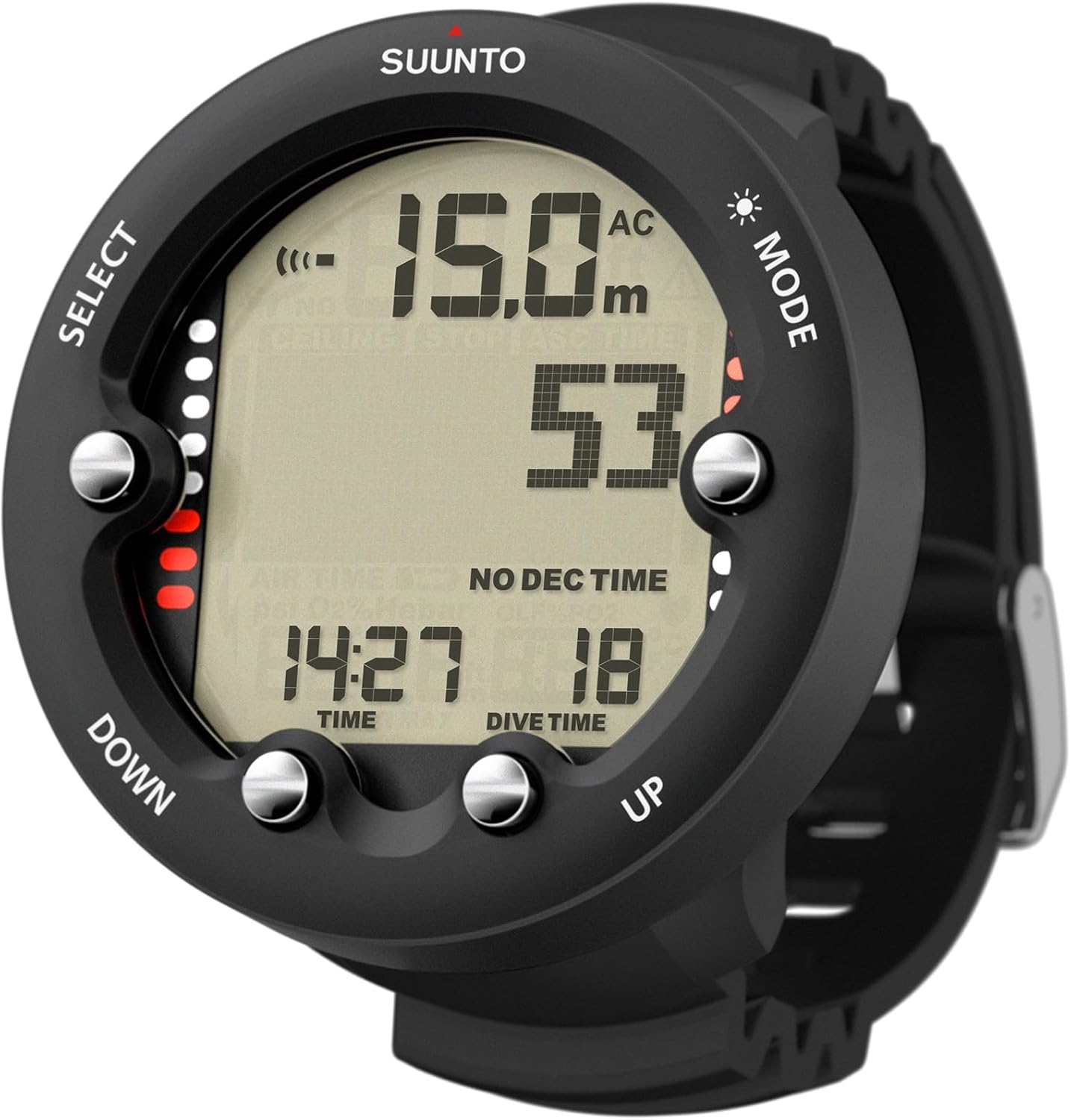
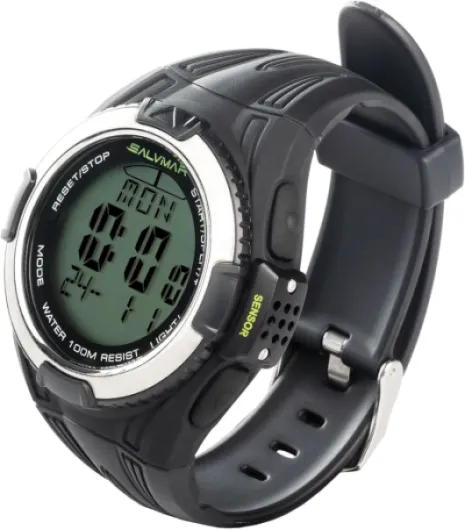
- Digital Depth Gauge Watches: These are often called freediving computers. They use electronic depth sensors to provide real-time data on your dive, including depth, dive time, and surface interval. Many digital watches also log your dives, track water temperature, and offer alarms for depth or time limits. The display is usually easy to read underwater, even in low light. Some models even allow you to sync your data with a smartphone or computer for detailed analysis. If you’re interested in how smartwatches connect across devices, check out this guide to connecting smartwatches.
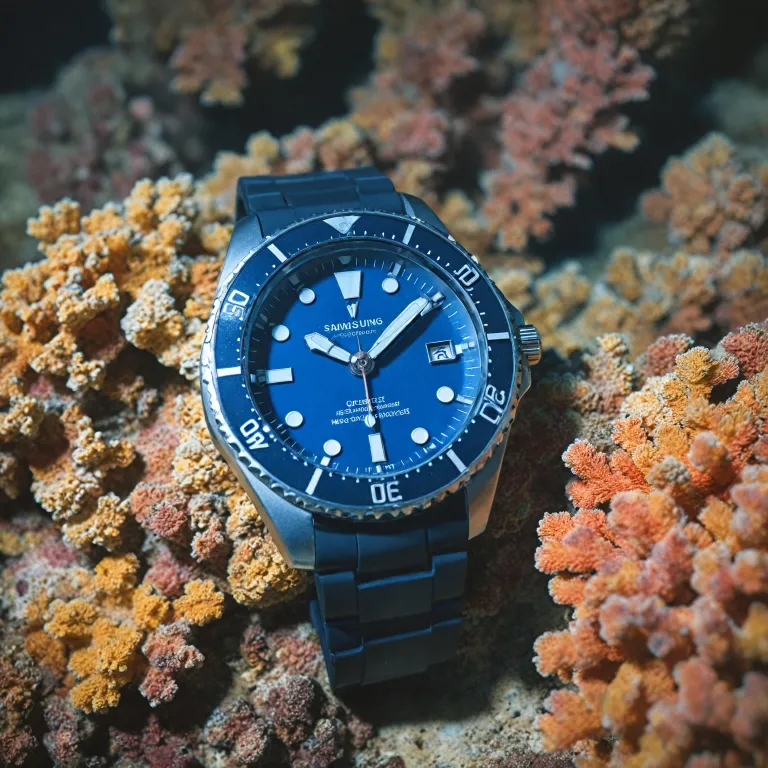
- Analog Depth Gauge Watches: These traditional diving watches use mechanical depth gauges, often with a needle that moves as water pressure increases. They are valued for their reliability and simplicity. Analog models typically feature a rotating bezel to track dive time and are built with robust cases for high water resistance. While they may not offer as many features as digital computers, many divers appreciate their straightforward operation and the tactile feedback of physical dials.
| Feature | Digital Depth Gauge | Analog Depth Gauge |
|---|---|---|
| Depth Measurement | Electronic sensor, precise in meters | Mechanical gauge, needle indicator |
| Dive Data Logging | Yes, with memory and download options | No, manual tracking only |
| Display | Digital screen, backlit | Analog dial, luminous hands |
| Water Resistance | High, often 200 meters or more | High, often 200 meters or more |
| Maintenance | Battery changes, sensor care | Occasional servicing, pressure checks |
| Ease of Use | Intuitive menus, alarms | Simple, no menus |
For freedivers who want advanced features, a digital freediving computer black model can be a good investment. These watches with depth sensors provide a wealth of information and can enhance safety. On the other hand, if you value durability and simplicity, a high quality analog dive watch with a mechanical depth gauge might be the right fit. Both types are designed to withstand pressure and water exposure, but your choice will depend on your diving style and what information you want at your wrist during a dive.
How to interpret depth data during a dive
Reading Your Depth Gauge Underwater
When you’re freediving, understanding the data from your watch is crucial for safety and performance. Watches with depth gauges display real-time information about your current depth, dive time, and sometimes water temperature. Most digital freediving watches and computers show depth in meters, updating every second or two. Analog dive watches with a depth gauge usually have a needle or indicator that moves as you descend or ascend.
Key Depth Data Points to Monitor
- Current Depth: This is the main number to watch. It tells you how deep you are at any moment. Accurate depth sensors are essential, especially for deeper dives.
- Maximum Depth: Many dive watches record the deepest point reached during your dive. This helps you track progress and stay within safe limits.
- Dive Time: Freediving watches often display how long you’ve been underwater. Monitoring this helps manage your surface interval and avoid overexertion.
- Ascent Rate: Some high quality freediving computers warn you if you ascend too quickly, reducing the risk of decompression issues.
Practical Tips for Interpreting Dive Data
- Before your dive, check the water resistance rating and ensure your watch case and bezel are secure.
- During the dive, glance at your watch with depth gauge regularly but avoid fixating on it. Practice reading the display quickly, as visibility can change underwater.
- After surfacing, review your dive time and maximum depth. Many divers use forums to compare data and improve technique.
- If your watch has a computer black display or features depth alarms, set them according to your experience level.
Common Display Differences
Digital freediving watches and computers usually offer more detailed data, such as graphs of your dive profile. Analog diving watches with depth gauges are simpler, showing only the basics. Both types can be good, but digital models often provide more features for serious divers.
Why Accurate Depth Interpretation Matters
Properly reading your depth gauge helps you avoid exceeding safe limits, manage your surface interval, and get the most from your freediving watch. Whether you use a classic dive watch with a mechanical gauge or a modern freediving computer, understanding the data is key for safe and enjoyable dives.
Maintenance and care for your freediving watch
Keeping Your Depth Gauge Watch Reliable
Freediving watches with depth gauges are precision instruments, but their accuracy and lifespan depend on regular care. Exposure to water, pressure, and salt can affect both digital and analog models. Here’s how divers can keep their watch in good condition for every dive.
- Rinse after every dive: Always rinse your watch with fresh water after diving, especially if you’ve been in saltwater. Salt and minerals can build up around the bezel, case, and depth sensors, impacting performance.
- Check water resistance: Over time, seals and gaskets can wear out. Have your watch’s water resistance tested annually by a professional, especially if you use it for deep freediving or scuba. This helps prevent leaks and pressure damage.
- Monitor the depth gauge: If your watch with depth gauge starts showing inconsistent readings, or the depth data seems off, it might be time for a service. Depth sensors can degrade, especially in older diving watches.
- Battery and charging: For digital freediving computers, keep an eye on battery levels. Low battery during a dive can mean losing access to critical features like dive time, surface interval tracking, and depth logs.
- Store properly: When not in use, keep your dive watch in a dry, cool place. Avoid leaving it in direct sunlight or hot cars, as extreme temperatures can damage the case and internal electronics.
What to Avoid for Long-Term Performance
- Don’t press buttons underwater unless your watch manual says it’s safe. This can let water into the case, especially if the seals are old.
- Avoid harsh chemicals: Clean your watch with mild soap and water only. Chemicals can degrade the bezel, strap, and seals.
- Don’t ignore condensation: If you see fog under the crystal, moisture has entered the watch. Get it checked immediately to avoid permanent damage to the depth gauge or computer.
High quality freediving watches are built for tough conditions, but regular maintenance is key. Many divers share tips and experiences on forums, which can be a good resource for troubleshooting or finding a reliable service center. Taking care of your watch ensures accurate depth readings and a longer life for your essential diving gear.
Common mistakes to avoid when using depth gauge watches
Overlooking Calibration and Pressure Checks
Many divers forget to regularly calibrate their depth gauge or freediving computer. This can lead to inaccurate depth readings, which is risky underwater. Always check the calibration before each dive and ensure the pressure sensor is functioning correctly. A good practice is to compare your watch’s readings with those of your dive buddy or a backup gauge.Ignoring Water Resistance Ratings
Not all diving watches are created equal. Using a watch with insufficient water resistance can cause water to seep into the case, damaging the internal components. Always verify the water resistance rating in meters and make sure it matches your intended dive depth. Remember, a high quality diving watch should withstand the pressure at your maximum planned depth.Neglecting Surface Interval Tracking
Some divers focus solely on dive time and depth, overlooking the importance of surface intervals. Many freediving watches and computers offer features to track your surface interval, which is crucial for safe diving and avoiding decompression issues. Make use of these features to monitor your recovery time between dives.Misinterpreting Depth Data
It’s easy to misread the depth gauge, especially if you’re using an analog bezel or a digital display with small numbers. Take time to familiarize yourself with your watch’s display and how it presents depth data. Practice reading the gauge in shallow water before attempting deeper dives.Poor Maintenance Habits
Failing to rinse your watch with fresh water after each dive can lead to salt buildup and corrosion, especially around the bezel and case. Regularly check the seals and gaskets for wear, and have your watch serviced according to the manufacturer’s recommendations. This helps maintain water resistance and extends the life of your dive watch.- Always store your freediving watch in a dry, cool place after use.
- Check the battery or charging status before every dive.
- Consult diving forums for user experiences with specific watches and depth sensors.