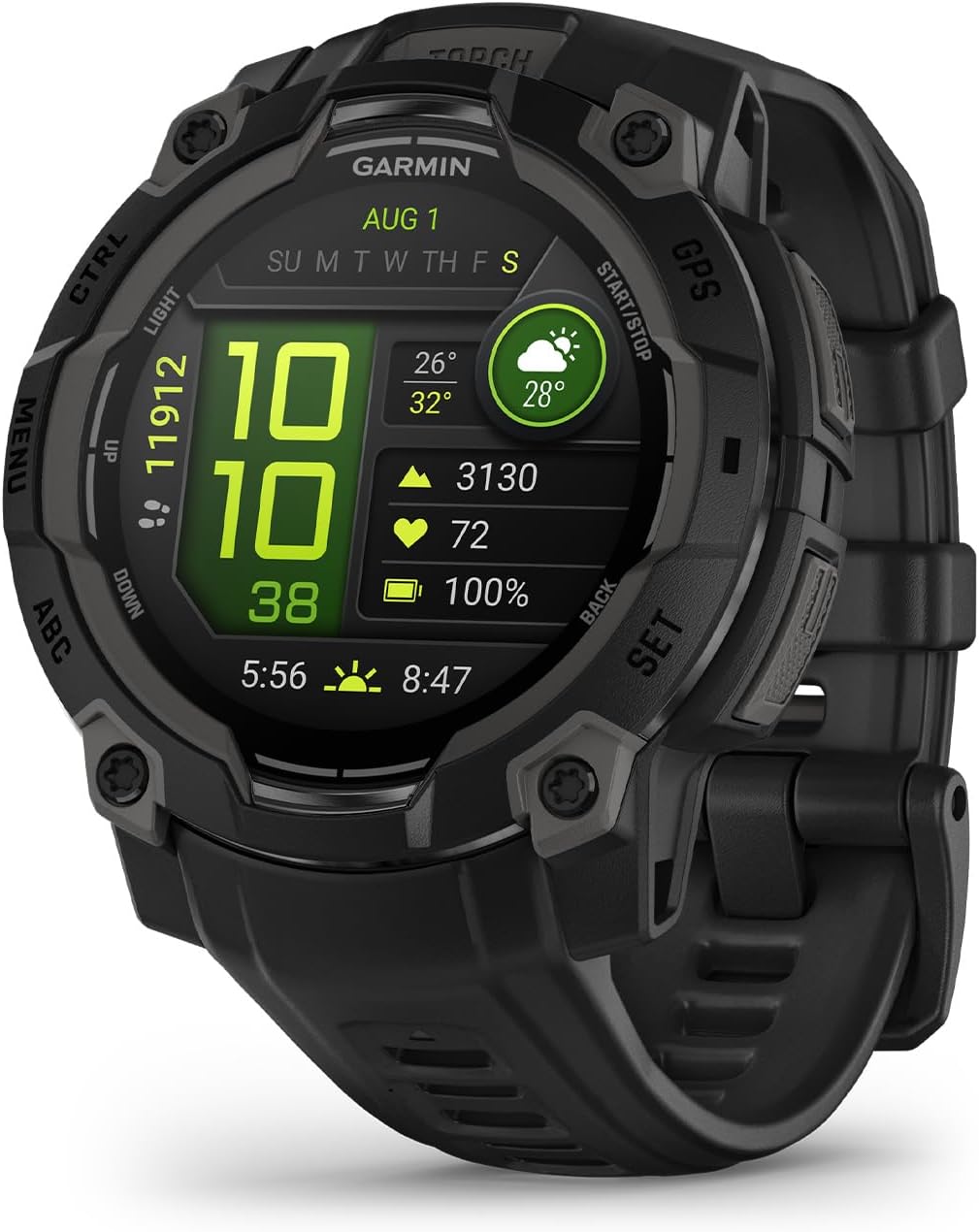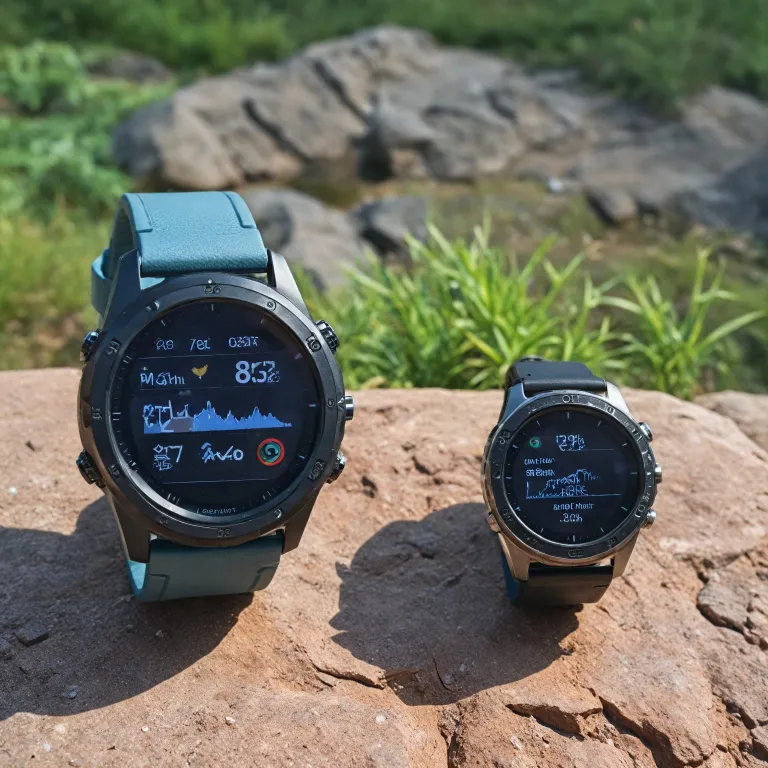

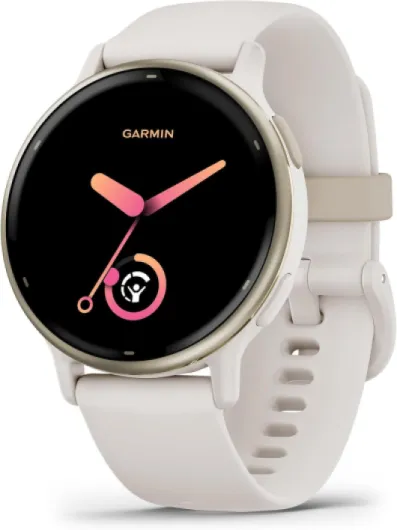
Understanding garmin amoled vs solar technology
How Garmin AMOLED and Solar Technologies Work
When comparing Garmin smartwatches, especially the popular Fenix series, you’ll notice two standout technologies: AMOLED and Solar. Each brings a unique approach to display and battery life, shaping your daily experience with the watch.
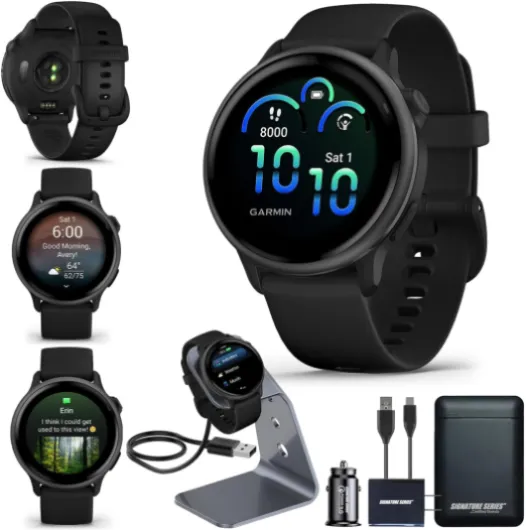
- AMOLED: This stands for Active Matrix Organic Light Emitting Diode. The amoled display, found in models like the Fenix AMOLED and Fenix Pro, offers vibrant colors, deep blacks, and sharp contrast. The amoled screen is especially noticeable in bright sunlight and delivers a premium look, similar to what you see on high-end smartphones.
- Solar: Garmin’s solar technology, featured in the Fenix Solar and Solar Sapphire versions, uses a transparent solar panel built into the watch face. This allows the watch to convert sunlight into energy, extending battery life between charges. Solar charging is a big plus for outdoor enthusiasts who spend days away from power sources.
Some Fenix watches combine both technologies, like the Fenix AMOLED Solar, aiming to balance display quality and battery performance. The choice between amoled and solar often comes down to what you value more: a stunning display or longer battery life.
Key Differences in Everyday Use
The amoled sapphire and solar sapphire models also differ in materials. Sapphire glass is used for extra scratch resistance, while Gorilla Glass is another durable option. These choices impact the watch’s durability and feel, which we’ll explore further when discussing design and outdoor performance.
Garmin’s MIP (Memory-In-Pixel) screens, found in some older Fenix versions, offer excellent battery life but lack the vividness of amoled displays. Newer models, like the Fenix 7 Pro and Garmin Enduro, push the boundaries with advanced features and improved screens.
Understanding these core technologies helps you decide which version Fenix or other Garmin watch fits your lifestyle. If you’re considering upgrading or selling your current device, check out these tips for a successful Garmin watch sale to get the most value from your old watch.
Display quality and user experience
Visual Experience: AMOLED vs Solar Displays
The choice between Garmin AMOLED and solar smartwatches often starts with the screen. AMOLED displays, like those found in the Garmin Fenix AMOLED and Epix series, deliver vibrant colors, deep blacks, and sharp contrast. This makes information on the watch easy to read, especially indoors or in low-light conditions. The AMOLED screen is a favorite for users who value a premium visual experience, whether you’re checking notifications, maps, or health stats.
On the other hand, Garmin’s solar models, such as the Fenix Solar and Enduro, use a memory-in-pixel (MIP) display. MIP screens may not match the color intensity of AMOLED, but they excel in direct sunlight and outdoor environments. The transflective nature of MIP means the display remains visible even under harsh sunlight, which is a key advantage for outdoor athletes and adventurers.
Everyday Use and Readability
- AMOLED: Offers a crisp, high-resolution display amoled experience. Perfect for those who want their watch to double as a stylish accessory with customizable watch faces and always-on mode. However, the screen can be less visible in bright outdoor settings unless brightness is maxed out, which impacts battery life.
- Solar (MIP): Prioritizes readability in all lighting conditions. The display may appear less vibrant, but it’s practical for quick glances during runs, hikes, or bike rides. The Fenix series with solar charging is designed for users who spend more days outdoors and need reliable visibility.
Material and Protection
Garmin offers both AMOLED and solar watches with different glass options. Sapphire glass versions, like the Fenix AMOLED Sapphire or Solar Sapphire, provide extra scratch resistance for rugged use. Gorilla Glass is another option, balancing durability and cost. The choice of glass can affect the watch’s weight and feel, but both options are built for daily wear and tough conditions.
Which Display Suits Your Needs?
If you’re after a smartwatch that looks stunning and feels modern, the AMOLED version Fenix or Epix will impress. For those who prioritize practicality and outdoor performance, the solar MIP display is hard to beat. Both types are available in the Fenix series, so you can match your display preference with features fenix offers, like dive features or advanced sports tracking.
For a deeper dive into the versatility and features of Garmin watches, check out this comprehensive guide on Garmin watch versatility.
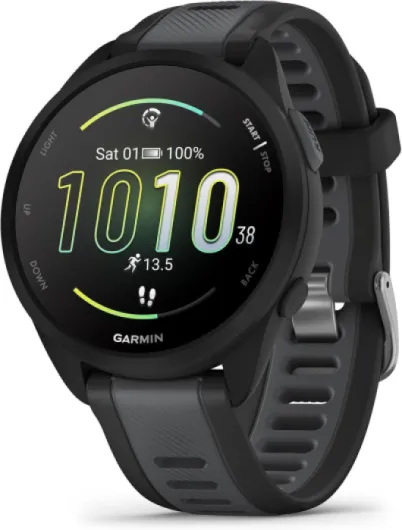
- + Colorful AMOLED Display
- + Training Metrics
- + Recovery Insights
- + Lightweight and Comfortable

Battery life and charging habits
How Battery Life Differs Between AMOLED and Solar Models
When comparing Garmin smartwatches, battery life is a key factor for many users. The type of display—AMOLED or MIP (memory-in-pixel)—and the presence of solar charging technology can make a big difference in how often you’ll need to reach for the charger.- AMOLED display: Models like the Garmin Fenix AMOLED or Fenix Pro with AMOLED sapphire glass offer vibrant colors and deep contrast. However, this screen technology generally consumes more power than MIP displays, especially at higher brightness levels or with always-on mode enabled. Expect battery life to range from a few days up to a week, depending on usage and settings.
- Solar charging: Watches such as the Fenix Solar, Fenix Solar Sapphire, and Enduro series use MIP screens, which are more energy-efficient. These models integrate solar panels into the watch face, extending battery life when exposed to sunlight. Under optimal conditions, some solar versions can last up to several weeks between charges, especially in battery saver mode.
- Hybrid options: While there’s no Fenix AMOLED Solar version yet, Garmin continues to innovate. Each year, new features and improvements in battery management appear across the Fenix series and other lines.
Charging Habits and Real-World Use
Your charging routine will depend on the version of the watch and how you use it. AMOLED Fenix models are ideal for those who prioritize a bright, sharp screen and don’t mind charging every few days. In contrast, Fenix Solar and Enduro watches are designed for users who spend long periods outdoors and want to minimize charging interruptions.| Model | Display Type | Solar Charging | Typical Battery Life |
|---|---|---|---|
| Fenix AMOLED Sapphire | AMOLED | No | Up to 6 days |
| Fenix Solar Sapphire | MIP | Yes | Up to 22 days (with solar) |
| Garmin Enduro | MIP | Yes | Up to 50 days (with solar) |
Other Factors Affecting Battery Life
Features like GPS tracking, dive features, music playback, and always-on mode can all impact battery performance. Sapphire and Gorilla Glass versions may offer extra durability but do not directly affect battery life. The Fenix series is known for its robust build and long-lasting battery, especially in solar models. If you’re interested in how battery life compares with other smartwatch brands, or want to know when to expect the next big release, check out this guide on upcoming smartwatch launches. Choosing between AMOLED and solar comes down to your lifestyle: do you want a stunning display amoled screen, or do you need a watch that can last for days—even weeks—without charging? Each version fenix and garmin watch offers a unique balance of features, battery life, and display technology.Performance in outdoor activities
Outdoor Performance: Visibility, Endurance, and Practicality
When it comes to outdoor activities, the choice between Garmin AMOLED and solar smartwatches can make a real difference in your experience. The type of display, battery life, and charging capabilities all play a role in how well your watch supports your adventures, whether you’re hiking, running, or diving.
- Screen Visibility: The AMOLED display, found in models like the fenix amoled and amoled sapphire, offers vibrant colors and deep contrast. This makes maps and stats pop, especially in low-light conditions. However, under direct sunlight, the MIP (memory-in-pixel) screens used in solar versions like the fenix solar and garmin enduro often remain more readable. If you’re out on bright days, the solar sapphire or gorilla glass screens can be easier on the eyes.
- Battery Life and Solar Charging: For long outdoor trips, battery life is crucial. Solar charging in fenix solar and solar sapphire models can extend your watch’s life by several days, especially in battery saver mode. This is a big advantage for multi-day hikes or expeditions where charging isn’t an option. AMOLED screens, while stunning, tend to use more power, so even the latest fenix amoled or amoled fenix versions may need more frequent charging.
- Durability for the Elements: Many outdoor-focused watches in the fenix series offer sapphire or gorilla glass for extra scratch resistance. Whether you choose an amoled display or a solar version, look for these features if you expect your watch to take a beating. The fenix pro and fenix watch lines are known for their rugged builds, making them suitable for year-round use.
- Specialized Features: If you’re into diving or need advanced tracking, check for dive features and other activity-specific tools. Some fenix series models, both amoled and solar, include these, but always check the specific version fenix you’re considering.
Ultimately, your choice will depend on how you balance display quality, battery life, and the types of activities you enjoy. If you spend days outdoors and want to minimize charging, solar charging and MIP screens may be your best bet. If you prioritize a stunning amoled screen for everyday wear and occasional outdoor use, the latest amoled fenix or amoled sapphire models deliver impressive visuals, though you’ll need to keep an eye on battery life.
Durability and design considerations
Build Quality and Materials Matter
When comparing Garmin AMOLED and Solar smartwatches, the construction and materials used play a big role in daily comfort and long-term durability. The Garmin Fenix series, for example, is known for its rugged build, often featuring options like sapphire crystal or Gorilla Glass for the screen. Sapphire glass is highly scratch-resistant, making it a popular choice for those who expect their watch to endure rough conditions. Gorilla Glass, while slightly less hard, still offers solid protection and can help keep weight down.
Water and Weather Resistance
Both AMOLED and Solar models in the Fenix lineup, as well as other Garmin watches like the Enduro, are designed to handle a variety of environments. They typically offer water resistance suitable for swimming and even some dive features, depending on the version. This means you can take your watch from the trail to the pool without worry. However, the AMOLED display versions may require a bit more care in extreme temperatures, as the screen technology can be sensitive to prolonged exposure to direct sunlight or very cold conditions.
Design for Everyday and Adventure
Garmin offers a range of designs across its Fenix and other series, from sleek AMOLED display models to robust solar charging versions. The Fenix Pro and Fenix Solar models often come with reinforced bezels and rugged straps, making them ideal for hiking, mountain biking, or year-round outdoor use. On the other hand, the AMOLED Fenix and similar watches tend to have a more modern look, with vibrant screens that stand out in urban settings.
- AMOLED sapphire and solar sapphire options provide top-tier scratch resistance for both display types.
- Solar models are often slightly thicker to accommodate the solar charging layer, but this can add to their robust feel.
- AMOLED screen versions are generally lighter and slimmer, appealing for daily wear.
Year-Round Reliability
Whether you choose a Fenix AMOLED, Fenix Solar, or another Garmin watch, the focus on durability means these watches are built to last for years. Battery life and charging habits (covered earlier) are important, but so is knowing your watch can handle accidental knocks, rain, or dust. The choice between an AMOLED or solar version may come down to your preferred balance between display quality and ruggedness, but both are designed to withstand the demands of an active life.
Choosing the best option for your lifestyle
How to Match Your Garmin Watch to Your Daily Needs
When it comes to picking between a Garmin AMOLED or Solar smartwatch, your decision should reflect your lifestyle and priorities. Both options in the Fenix series, as well as other Garmin watches, offer unique strengths that cater to different users. Here’s how to narrow down your choice:
- Prioritize Display Quality? If you value vibrant colors and crisp visuals, the AMOLED display on models like the Fenix AMOLED or Epix Pro stands out. The amoled screen is especially appealing for those who use their watch for notifications, maps, or fitness tracking indoors. AMOLED sapphire versions add extra scratch resistance with premium glass, combining style and durability.
- Need Extended Battery Life? Solar models such as the Fenix Solar or Enduro are designed for users who spend long days outdoors. Solar charging technology can extend battery life by several days, especially in power-saving mode. This is ideal for hikers, ultrarunners, or anyone who dislikes frequent charging.
- Outdoor Performance and Durability The Fenix series is known for its rugged build, with options like sapphire or gorilla glass for extra protection. If your activities include mountain biking, trail running, or diving, look for features Fenix offers like dive features, solar sapphire, or MIP screens for better visibility in sunlight.
- Design and Comfort Consider the weight, size, and strap options. Some users prefer the lighter feel of certain AMOLED models, while others want the robust look of a Fenix Pro or the classic style of a Fenix watch with solar sapphire glass.
- Budget and Value Prices can vary significantly between amoled, solar, and sapphire versions. Check for deals on Amazon or official Garmin retailers, and weigh the features you’ll use most often throughout the year.
| Feature | AMOLED Models | Solar Models |
|---|---|---|
| Display | AMOLED screen, vibrant colors | MIP screen, sunlight-readable |
| Battery Life | Up to 16 days (varies by mode) | Up to 22+ days with solar charging |
| Glass Options | Sapphire, Gorilla Glass | Sapphire, Gorilla Glass |
| Best For | Indoor use, smart features, style | Outdoor adventures, long battery life |
Ultimately, the right Garmin watch—whether it’s a Fenix AMOLED, Fenix Solar, or another version—will depend on your daily routine, how often you want to charge, and the environments you explore. Consider what matters most: a stunning amoled display, the freedom of solar charging, or the robust features of the Fenix series. Your perfect match is the one that fits your life, not just your wrist.