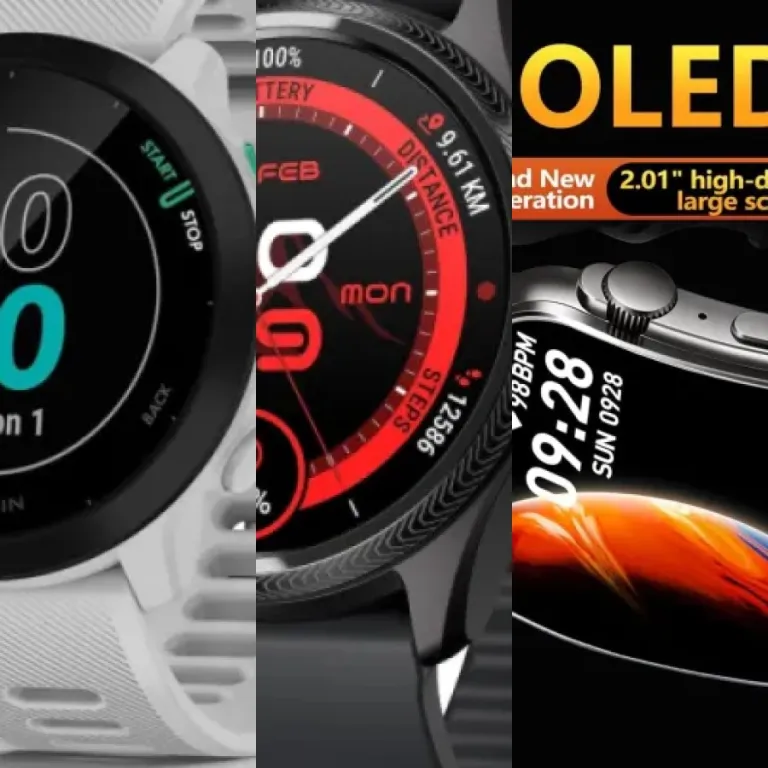
Garmin, Coros, and Apple Watch: which ecosystem fits your fitness style
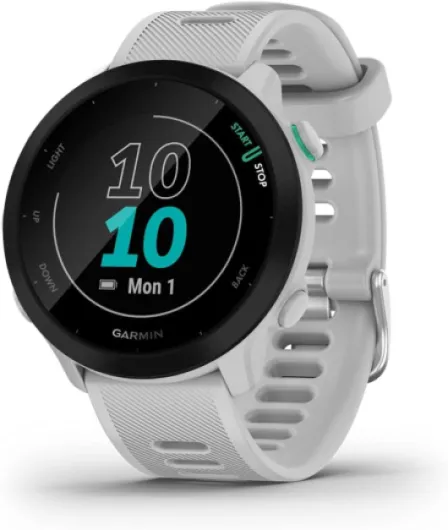
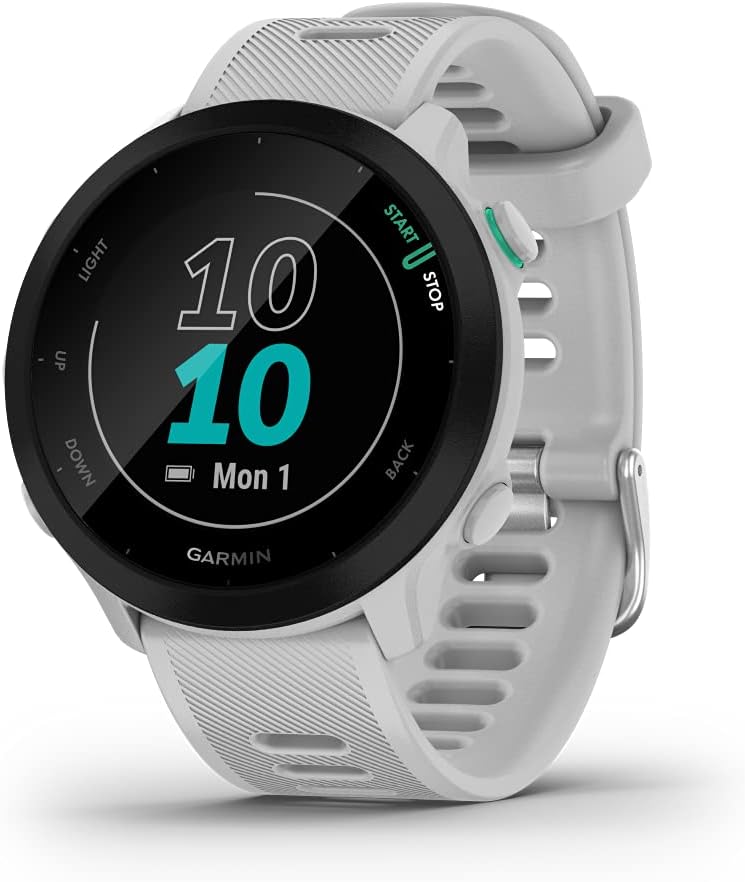
Garmin watches dominate endurance sports because their GPS accuracy, training data depth, and battery life suit long distance athletes. A typical Garmin Forerunner model offers multi band GPS, advanced training metrics, and detailed health tracking that covers sleep, stress, and recovery. Many runners consider a Garmin fitness watch the best fitness companion when they want structured training plans and long term progress analysis.
Within the Garmin range, the Garmin Forerunner line focuses on runners, while other Garmin watches target triathletes, hikers, or everyday users. Higher tier Garmin watches sometimes add sapphire glass for scratch resistance, a barometric altimeter for precise elevation, and extended battery life for ultra distance events. If you often train on trails, a Garmin watch with an altimeter compass and durable sapphire glass can be a safer choice than a basic smartwatch.
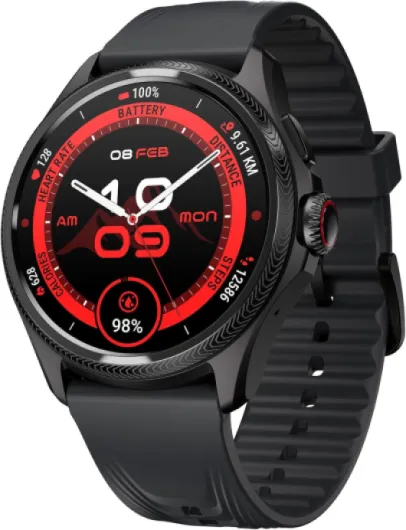
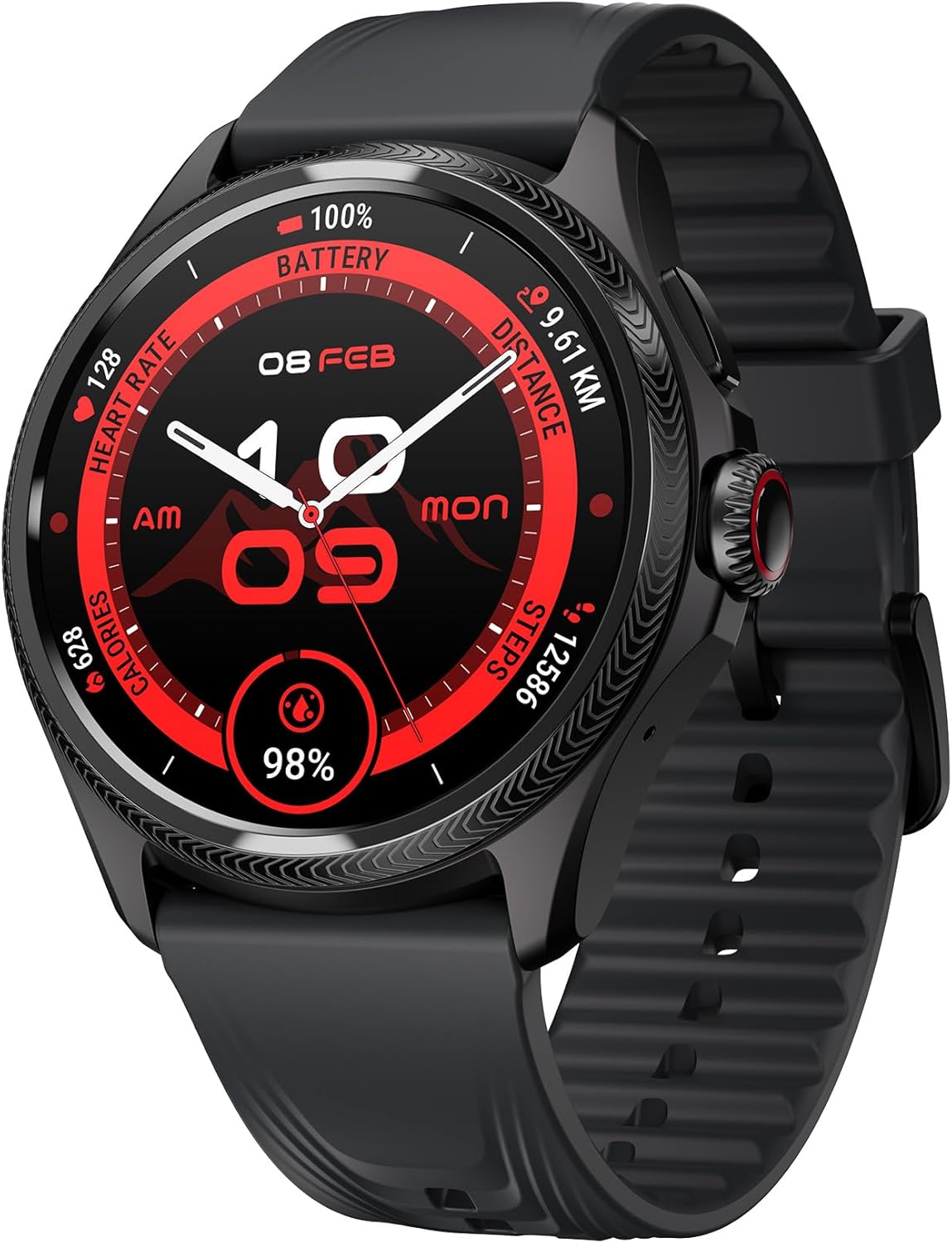
Coros has built a strong reputation among trail and mountain athletes who value efficiency. The Coros Pace series, especially the latest Coros Pace models, delivers long battery life, reliable GPS tracking, and focused training data without many distractions. A Coros smartwatch usually weighs less than comparable watches, which makes it attractive for runners who want a light fitness watch with strong performance.
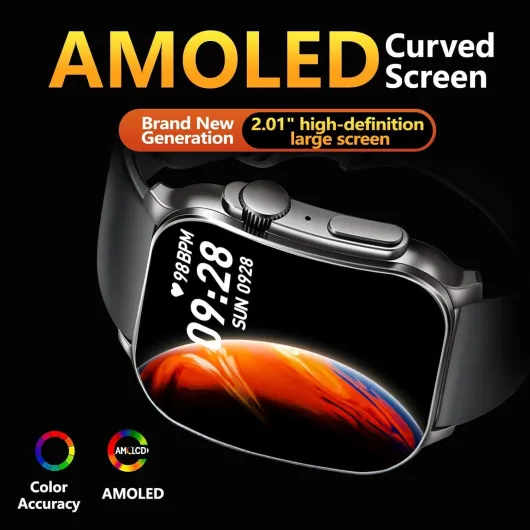
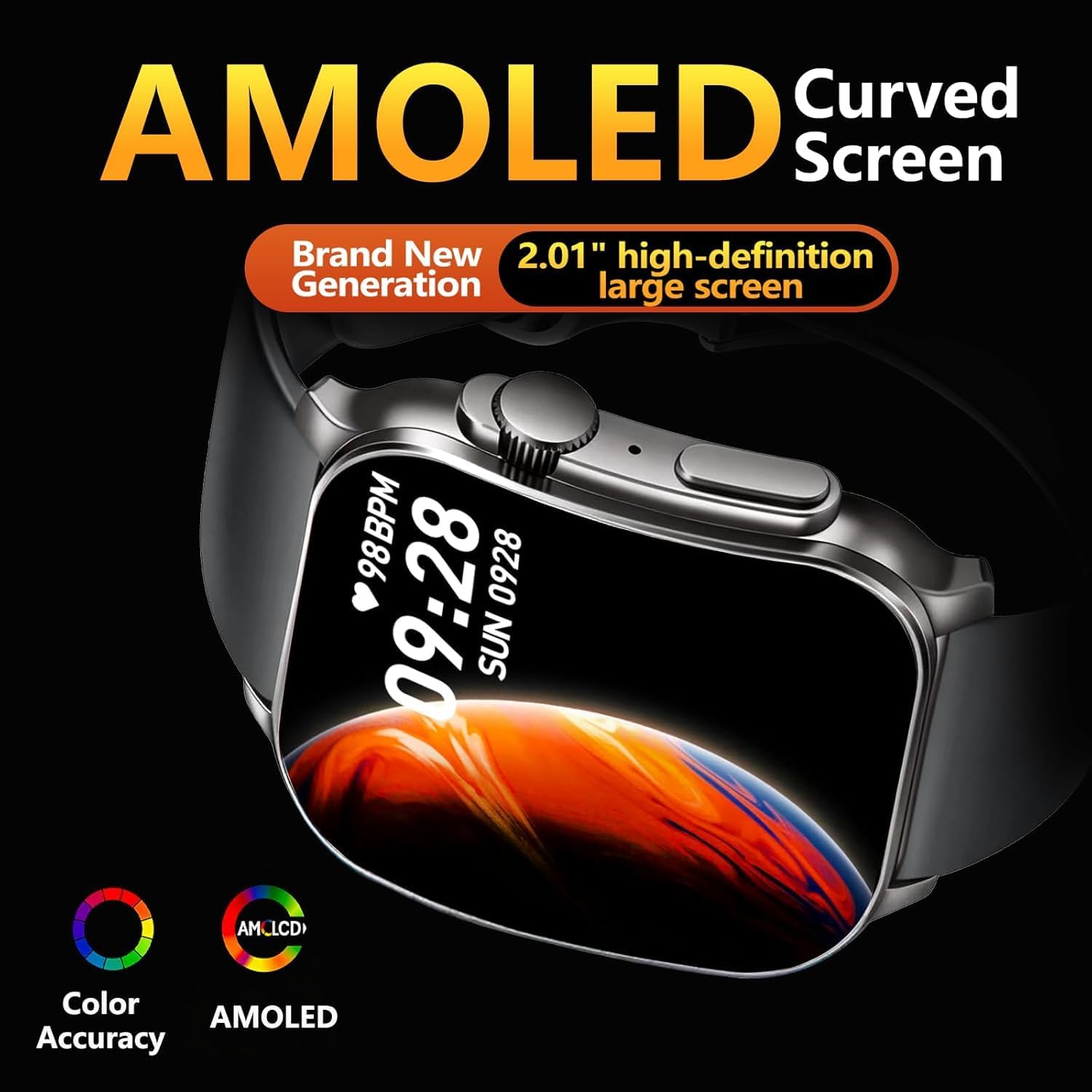
Apple Watch models, including the Apple Watch Ultra, lean toward a rich app ecosystem and tight integration with the iPhone. The standard Apple Watch offers polished workout modes, accurate heart rate tracking, and excellent amoled display quality that makes metrics easy to read. The Apple Watch Ultra adds a larger screen, better battery life, dual frequency GPS, and extra safety tools that appeal to outdoor athletes.
Health focused buyers often appreciate how Apple Watch integrates heart rate alerts, ECG readings, and fall detection into a single smartwatch. If you are interested in blood pressure features or more medical style monitoring, you can explore detailed guidance in this guide to choosing the right blood pressure smart watch. While no watch replaces professional care, a smartwatch with strong health tracking can highlight trends that deserve medical attention.
Pixel Watch and Galaxy Watch devices bring Google and Samsung ecosystems into the same conversation. A Pixel Watch pairs tightly with Android phones and emphasizes Google services, while a Galaxy Watch integrates Samsung Health, strong fitness tracking, and bright amoled displays. When comparing these watches with Garmin or Coros, decide whether you prefer deep training metrics or richer everyday smartwatch features.
| Model (example) |
GPS type |
Barometric altimeter |
Typical GPS battery (manufacturer) |
Approx. price tier |
Best for |
| Garmin Forerunner 255 |
Multi-band GNSS |
Yes |
Up to ~30 hrs GPS |
Mid-range |
Road and trail runners |
| Garmin Forerunner 965 |
Multi-band GNSS |
Yes |
Up to ~31 hrs GPS |
Premium |
Triathletes, data-focused athletes |
| Coros Pace 3 |
Dual-frequency GNSS |
Yes |
Up to ~38 hrs GPS |
Mid-range |
Runners wanting long battery life |
| Coros Apex 2 Pro |
Dual-frequency GNSS |
Yes |
Up to ~75 hrs GPS |
Upper mid-range |
Mountain and ultra athletes |
| Apple Watch Series 9 |
Single/dual-frequency (region dependent) |
No (GPS-based elevation) |
Up to ~7 hrs outdoor workout |
Mid-range |
Everyday users, gym and road workouts |
| Apple Watch Ultra 2 |
Dual-frequency GPS |
Yes |
Up to ~12 hrs intensive GPS |
Premium |
Outdoor and adventure training |
| Samsung Galaxy Watch 6 |
Multi-GNSS |
No (GPS-based elevation) |
Up to ~8–10 hrs GPS |
Mid-range |
Android users, mixed fitness and lifestyle |
| Google Pixel Watch 2 |
Multi-GNSS |
No (GPS-based elevation) |
Up to ~12 hrs GPS |
Mid-range |
Android users in Google ecosystem |
Battery and GPS figures in this table are based on manufacturer specifications current to late 2023; independent reviewers typically report slightly lower runtimes in mixed real-world use.
Battery life, GPS accuracy, and display quality during real workouts
Battery performance shapes how you use even the best smartwatches with workout modes in daily life. A watch with short battery life forces you to choose between all day health tracking and long GPS workouts, which undermines the value of your investment. Endurance athletes should prioritize watches that can handle several hours of continuous GPS tracking without dropping below safe levels.
Garmin, Coros, and some Garmin Forerunner models often lead in pure battery life, especially in GPS mode. Coros Pace watches are known for lasting many hours with GPS and heart rate tracking active, which makes them ideal for marathons or long hikes. Some Garmin watches also offer battery saver modes that reduce amoled display brightness or limit background features to extend runtime.
Apple Watch, Pixel Watch, and Galaxy Watch devices usually trade shorter battery life for richer smartwatch functions. The Apple Watch Ultra improves endurance compared with the standard Apple Watch, yet it still cannot match the longest lasting Garmin watches or Coros models in multi day events. If you mainly train for one to two hours per day, this compromise may be acceptable, especially when you value advanced apps and communication tools.
GPS accuracy depends on antenna design, satellite systems, and software algorithms. A watch with multi band GPS can lock onto more satellite signals, improving route tracking in cities with tall buildings or dense forests. When you read any detailed review, look for side by side GPS tracks that compare the smartwatch route with a known reference device such as a dedicated handheld GPS or a second watch worn on the opposite wrist.
Display technology influences both readability and power consumption. An AMOLED display delivers deep blacks and high contrast, which makes pace, distance, and heart rate easier to read during intense intervals. However, amoled screens can consume more power at high brightness, so a watch with an amoled display must balance clarity with battery life through smart software.
Smartwatch makers constantly adjust pricing and features, which can affect long term value. For example, when a major brand releases a budget fitness tracker or watch with no subscription, it can pressure competitors that rely heavily on recurring fees, as seen in market analyses of subscription free fitness devices. When you evaluate cost, consider not only the initial price but also whether advanced metrics or health tracking require ongoing payments.
Health tracking, sleep analysis, and everyday smartwatch features
Modern fitness watches do far more than log runs and rides. A capable smartwatch with strong health tracking monitors heart rate around the clock, tracks sleep stages, and records daily activity such as steps and standing time. These continuous measurements create a health baseline that helps you interpret how each workout affects recovery.
Heart rate data becomes more powerful when combined with sleep and stress metrics. A watch that tracks sleep duration, sleep stages, and overnight heart rate variability can highlight nights when poor rest should lead to lighter training. Over time, this health data reveals patterns, such as how late meals or intense evening workouts affect your sleep quality.
Some smartwatches also estimate VO2 max, training load, and recovery time using training data from your workouts. Garmin watches and certain Garmin Forerunner models provide training readiness scores that blend sleep, heart rate variability, and recent training stress. Coros Pace and other Coros watches offer similar training insights, focusing on how each session contributes to long term fitness.
For everyday life, smartwatch features such as notifications, contactless payments, and music control can be decisive. Apple Watch, Pixel Watch, and Galaxy Watch devices excel here, offering rich app ecosystems and seamless phone integration. If you want one watch that serves as both a fitness tracker and a productivity tool, these platforms may feel more complete than pure sports watches.
Band comfort and style also influence whether you wear the watch all day, which directly affects health tracking accuracy. A soft silicone band or fabric band can be more comfortable for sleep tracking than a heavy metal bracelet. When you switch between workouts and office settings, quick release bands let you move from a sport band to a more formal strap without tools.
Blood oxygen monitoring, skin temperature trends, and menstrual cycle tracking are becoming standard on many best smartwatches with workout modes. While these metrics should never replace medical tests, they can highlight changes worth discussing with a professional. Always treat smartwatch health data as a starting point for conversations, not as a final diagnosis.
Workout modes, training plans, and advanced sports metrics
The strength of any fitness watch lies in how it handles workout modes during real exercise. A basic watch might only offer generic running or cycling profiles, while the best smartwatches with workout modes include detailed options for trail running, open water swimming, strength training, and indoor rowing. These specialized modes adjust GPS, heart rate tracking, and data fields to suit each sport.
Structured training plans transform a smartwatch from a passive tracker into an active coach. Garmin watches and many Garmin Forerunner models provide guided workouts that adapt to your recent training data, suggesting intervals, easy runs, or rest days. Coros Pace and other Coros devices also support structured sessions, allowing you to program complex intervals directly on the watch or through the app.
Advanced metrics such as running power, ground contact time, and vertical oscillation appeal to performance focused athletes. Some watches calculate these metrics using wrist sensors, while others require an external band or pod for best accuracy. Before you buy, check whether your preferred metrics need extra accessories, because a chest band or foot pod adds cost but can improve data quality.
For cyclists, integration with external sensors and band GPS computers matters. A smartwatch that pairs with power meters, cadence sensors, and smart trainers can centralize your training data in one ecosystem. When your watch syncs seamlessly with a band GPS head unit, you can review both indoor and outdoor rides in a single training log.
Swimmers should look for pool and open water modes that track distance, stroke rate, and pace accurately. A barometric altimeter is less relevant in the pool but becomes crucial for skiers and trail runners who need precise elevation gain. If you often move between sports, a multi sport mode that switches from swim to bike to run with one button press can save time during brick workouts.
Strength training modes are improving, with some watches now recognizing common exercises and counting reps automatically. While rep detection is not perfect, it can still provide useful training data about volume and intensity over time. Pairing these metrics with heart rate and rest timers helps you structure gym sessions more effectively.
Design, durability, and display: living with your smartwatch every day
Design choices determine whether a smartwatch feels like a training tool, a lifestyle accessory, or both. Slim watches with small cases and light bands often suit smaller wrists and all day wear, while larger models such as Watch Ultra style devices emphasize ruggedness and big displays. The best smartwatches with workout modes strike a balance between comfort, durability, and clear visuals.
Durability depends on materials such as case metal, glass type, and band quality. Sapphire glass resists scratches far better than standard hardened glass, which matters if you train on rocky trails or in the gym with metal equipment. A watch with sapphire glass and a reinforced case may cost more, but it usually maintains a clean screen and sharp amoled display for many years.
Water resistance ratings indicate whether a watch can handle rain, pool sessions, or open water swimming. Most fitness watches now support at least pool swimming, but only some are rated for high pressure or diving activities. Always check the official rating before using any smartwatch in deep water, because water damage can void warranties.
Display size and brightness affect how easily you can read data during intense efforts. An AMOLED display with high brightness and good contrast makes pace, heart rate, and distance visible at a quick glance. If you often train in bright sunlight, prioritize watches with strong outdoor visibility and responsive touchscreens or physical buttons.
Interface design also shapes the daily experience. Some users prefer touch heavy interfaces such as those on Apple Watch, Pixel Watch, and Galaxy Watch, while others like the button driven approach of many Garmin and Coros models. Buttons can be easier to use with sweaty hands or gloves, especially during winter training or mountain hikes.
For a broader view of display technologies and interface styles, you can explore this curated overview of top touchscreen smartwatches. Comparing how different watches handle notifications, widgets, and workout screens will help you choose a device that feels natural in daily use. A watch that you enjoy interacting with is a watch you will actually wear and use consistently.
How to match a smartwatch to your training goals and budget
Choosing among the best smartwatches with workout modes starts with honest self assessment. A casual runner who trains three times per week does not need the same level of training data as an ultra marathoner who spends hours on mountain trails. Define your primary sports, weekly training volume, and long term goals before comparing specific watches.
Entry level fitness trackers and basic fitness watches can handle steps, simple workouts, and sleep tracking at a modest price. Mid range Garmin watches, Coros Pace models, and some Galaxy Watch or Pixel Watch versions add stronger GPS, better heart rate tracking, and more detailed health data. Premium devices such as the Apple Watch Ultra or high end Garmin Forerunner models deliver advanced navigation, barometric altimeter sensors, and extended battery life for demanding athletes.
Budget planning should include accessories and potential subscriptions. A chest band for more accurate heart rate, a replacement band for comfort, or a band GPS bike computer can all add to the total cost of your fitness ecosystem. Some platforms also charge for advanced training metrics or historical data analysis, so verify whether your preferred features require ongoing payments.
Think about ecosystem lock in before committing. If you already use Apple services heavily, an Apple Watch may integrate more smoothly than a Garmin or Coros device, even if those offer slightly better training data. Android users might lean toward Pixel Watch, Galaxy Watch, or Garmin watches that sync well with Google services.
Finally, read more than one review for each candidate watch, focusing on long term testing rather than first impressions. Pay attention to comments about software updates, reliability, and how the watch behaves after months of sweat, rain, and daily wear. A smartwatch that receives regular updates and bug fixes will usually age better and maintain accurate tracking.
When you align your budget, training goals, and preferred ecosystem, the choice becomes clearer. The right smartwatch with strong workout modes, reliable health tracking, and comfortable design can support your fitness journey for many seasons. Treat it as a training partner that provides honest feedback, not just a gadget on your wrist.
Key statistics on smartwatches and fitness tracking
- Global smartwatch shipments surpassed 200 million units in a recent twelve month period, reflecting strong demand for fitness and health tracking features according to Counterpoint Research figures reported in 2023.
- Surveys from wearable market analysts show that more than 60 % of smartwatch owners use their devices primarily for fitness tracking and heart rate monitoring, ahead of notifications or payments.
- Studies published in medical journals report that modern wrist based heart rate sensors can reach accuracy levels above 90 % during steady state exercise, although high intensity intervals still challenge some devices.
- Industry data indicates that GPS enabled fitness watches and trackers now account for over half of all wearable revenue, driven by runners, cyclists, and hikers who prioritize route and distance accuracy.
- Consumer research from major brands suggests that users who engage with sleep tracking and health data at least four days per week are significantly more likely to maintain regular exercise habits over six months.
When you assess these statistics, look for recent reports (from 2021 onward) and note sample sizes, because methodology can influence how representative the numbers are.