Apple Watch options for iPhone users who want full independence
For iPhone owners, the cellular versions of Apple Watch models remain the most polished standalone smartwatch choices. An Apple Watch Series 9 or Apple Watch SE (2nd generation) with GPS + Cellular mirrors your phone number, so calls and text messages arrive even when your mobile stays on a desk or in a locker. Among the best standalone smartwatches, the tight integration between watchOS and iOS still sets a high bar for seamless connection and app support.
The current Apple Watch Series 9 with cellular offers a bright always on display, fast charging, and advanced health and fitness sensors that rival some medical grade devices. When you activate LTE service, the watch can stream Apple Music, use offline maps from compatible apps, and handle contactless payments, all while your phone remains out of sight. In mixed real world use with LTE, GPS, and music streaming active during workouts, many reviewers report roughly 6–8 hours of continuous tracking before the battery needs a recharge.
For outdoor athletes and professionals, the Apple Watch Ultra 2 line pushes the standalone concept further with a larger battery and more rugged design. This Watch Ultra variant adds louder speakers, dual frequency GPS tracking, and extra physical controls that help when you wear gloves or move quickly. Apple rates the Ultra 2 for up to 36 hours of typical use and up to 72 hours in low power settings, so if you often work in harsh environments or train for endurance events, the higher price of an Apple Watch Ultra model can be justified by its extended battery life and durability.
Privacy conscious readers should also follow how major platforms handle wrist data and AI features, as highlighted in this analysis of Meta’s ambitions for AI on the wrist. When you choose between different Apple Watch Series or other standalone devices, understanding how your information is processed is as important as checking any technical specification. A trusted ecosystem around your watch can matter as much as the hardware itself.
Samsung Galaxy Watch, Pixel Watch and the rise of Android standalone wearables
On the Android side, Samsung Galaxy Watch models with LTE have become reference points for standalone smartwatches. A recent Galaxy Watch6 Classic or Galaxy Watch6 with LTE can handle calls, text messages, and streaming directly over cellular networks, while still pairing smoothly with most Android phones. For many users, this combination of Watch Classic styling and modern connectivity offers a strong alternative to Apple’s ecosystem.
Google’s Pixel Watch and the newer Google Pixel Watch 2 generation bring tighter integration with Google services, including Maps, Assistant, and Fitbit health and fitness tracking. When you enable LTE on a Pixel Watch, you can leave your phone at home yet still access offline maps, contactless payments, and notifications from key apps. In independent tests, continuous LTE plus GPS tracking with music playback on Pixel Watch 2 typically delivers around 5–7 hours of active workout time before the battery runs low.
These Android iOS compatible ecosystems are not symmetrical, because Samsung Galaxy and Pixel Watch devices work best with Android, while Apple Watch does not support Android phones at all. If you expect to switch between Android and iPhone, a more platform neutral smartwatch with standalone LTE might be wiser, even if it sacrifices some deep integration. Before buying any device, confirm whether its LTE bands, eSIM support, and GPS cellular features match your local carriers and travel habits.
Artificial intelligence is also reshaping what the best standalone smartwatches can do without a phone nearby. On device intelligence, as explored in this report on AI powered smartwatches, allows faster voice commands, smarter health insights, and more private processing. When you compare Samsung Galaxy, Pixel Watch, and other Android watch models, pay attention to how much AI runs locally on the watch versus in the cloud.
Battery life, displays and health features that define real world usability
Battery life remains the most common complaint among owners of powerful standalone smartwatches. A bright OLED display, constant LTE connection, and continuous health and fitness tracking can drain even a large battery faster than many people expect. When you read specifications, remember that quoted figures often assume mixed use with limited cellular time, not heavy standalone operation all day.
To stretch battery life on any watch, start by adjusting display brightness, reducing always on settings, and limiting background mobile data for rarely used apps. Many devices now offer smart power modes that keep GPS tracking and essential notifications active while pausing less critical tasks. If you run or cycle frequently, consider enabling offline maps and preloading playlists over Wi Fi, which reduces LTE streaming and helps the battery last longer.
Health and fitness features have matured significantly, turning each smartwatch into a compact wellness device that rivals dedicated trackers. Optical heart rate sensors, SpO2 readings, ECG functions, and advanced sleep tracking now appear across Apple Watch, Samsung Galaxy Watch, and Pixel Watch lines. When you evaluate the best standalone smartwatches, check not only which metrics they record but also how clearly the watch and companion apps explain the data.
Display quality also shapes how enjoyable a standalone watch feels during long days. High resolution panels with good outdoor brightness make it easier to read text messages, maps, and fitness stats at a glance. If you often work outside or exercise in bright sunlight, prioritize a watch with a strong peak brightness rating, even if that slightly reduces overall battery endurance.
Standalone smartwatches for kids, families and small business owners
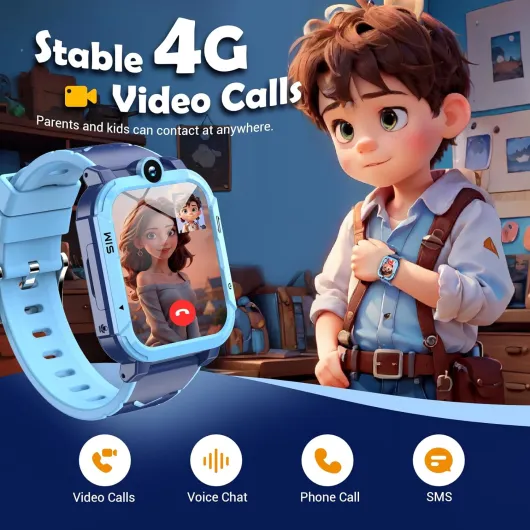
Standalone smartwatches are not only for athletes and tech enthusiasts, because families increasingly use them to stay connected with children. A dedicated kids’ smartwatch model with LTE and GPS tracking allows parents to call or send a quick text without handing over a full smartphone. Many of these devices limit apps and web access, turning the watch into a focused safety tool rather than a distraction heavy gadget.
Some brands now offer specialized devices such as the Ace LTE watch for younger users, combining playful designs with robust location features. When you evaluate any kids’ watch product, check how the companion app handles geofencing, emergency contacts, and privacy controls. For a detailed example of a child focused fitness tracker watch item, you can review this kids smartwatch fitness test that highlights both strengths and limitations.
Small business owners often find that the best standalone smartwatches free them from constantly holding a phone during busy days. With LTE enabled, a watch can surface priority calls, quick text replies, and calendar alerts while your hands remain on tools, steering wheels, or documents. For tradespeople, couriers, and hospitality staff, this type of wrist based device can reduce missed opportunities without adding much weight or bulk.
When you choose a standalone smartwatch for work, pay close attention to microphone quality, speaker volume, and ruggedness. A watch with clear audio and water resistance will handle noisy environments and unexpected weather better than a delicate fashion focused item. In many cases, spending slightly more on a durable model pays off through fewer repairs and longer service life.
How to choose the right standalone smartwatch for your ecosystem and budget
Selecting among the best standalone smartwatches starts with one simple question about your primary phone. If you use an iPhone, the Apple Watch Series and Apple Watch Ultra lines remain the only options that fully support iOS features, including iMessage and seamless handoff. Android users, by contrast, can choose between Samsung Galaxy Watch, Google Pixel Watch, and a growing range of Wear OS devices that support rich smartwatch experiences.
Price differences between these models often reflect materials, battery capacity, and advanced sensors rather than basic LTE connectivity. Entry level cellular watches may offer similar connection quality to premium versions, but they usually compromise on display brightness, speaker strength, or ruggedness. When you evaluate any device, list the three features you value most, such as battery life, health and fitness depth, or offline maps support, then compare only those points across brands.
Shopping events such as Prime Day or any major day deal period can reduce the cost of a high end standalone smartwatch significantly. During these promotions, you may find a previous generation Apple Watch Series 8 or Samsung Galaxy Watch5 at a price close to mid range competitors. If you do not need the latest Watch Series sensors, buying during a Prime Day style sale can deliver better long term value.
Before activating LTE service on your new watch, confirm the monthly fee and any restrictions on standalone use. Some carriers require a specific smartwatch plan that mirrors your phone number, while others allow a more flexible data only option. Taking time to understand these details prevents surprises on your bill and ensures that your watch feels truly free from your phone.
Key statistics about standalone smartwatch adoption and usage
- Global smartwatch shipments surpassed 150 million units according to Counterpoint Research, with a growing share of those devices offering LTE or full cellular connectivity for standalone use.
- Apple has consistently held around one third of the smartwatch market, and a significant portion of Apple Watch buyers now choose GPS cellular models to gain independence from their phones.
- Wear OS devices from Samsung and Google have helped Android based smartwatches reach double digit market share, driven partly by interest in Galaxy Watch LTE and Pixel Watch LTE variants.
- Surveys from major carriers indicate that many users activate smartwatch LTE plans primarily for fitness and safety reasons, such as running without a phone or staying reachable during outdoor activities.
- Battery life remains a top concern in user satisfaction studies, with owners of LTE enabled watches reporting shorter runtimes than those using Bluetooth only models, especially when streaming music or using GPS heavily.
Comparison table: representative standalone smartwatch models
| Model |
Battery capacity* |
Rated battery life** |
LTE / eSIM support |
Approx. weight |
Typical price range |
| Apple Watch Series 9 (45 mm, GPS + Cellular) |
308 mAh |
Up to 18 hours (Apple) |
LTE with eSIM; regional bands vary |
≈ 38.7 g (aluminum case) |
Mid to high tier |
| Apple Watch Ultra 2 (49 mm) |
564 mAh |
Up to 36 hours; 72 hours low power (Apple) |
LTE with eSIM; wide band support |
≈ 61.4 g (titanium case) |
Premium |
| Samsung Galaxy Watch6 (44 mm, LTE) |
425 mAh |
Up to 40 hours (Samsung, mixed use) |
LTE with eSIM; bands differ by region |
≈ 33.3 g (without strap) |
Mid range |
| Google Pixel Watch 2 (LTE) |
306 mAh |
Up to 24 hours (Google, always on display) |
LTE with eSIM; carrier dependent |
≈ 31 g (case only) |
Upper mid range |
*Battery capacities are based on manufacturer documentation and teardowns where available. **Rated battery life figures come from Apple, Samsung, and Google marketing materials and assume mixed usage rather than continuous LTE and GPS.
Pros, cons and real world performance of popular standalone watches
Apple Watch Series 9 (cellular) stands out for its deep iOS integration, rich app ecosystem, and accurate health tracking, but its one day battery life means heavy LTE and GPS users may need to charge before long evening events. In contrast, Apple Watch Ultra 2 offers far better endurance and a brighter display for outdoor work, though its larger size and higher price make it less appealing for users with smaller wrists or tight budgets.
On the Android side, Samsung Galaxy Watch6 LTE delivers strong fitness features, fast charging, and good value, yet some users report shorter runtimes when always on display and continuous LTE are enabled together. Google Pixel Watch 2 LTE provides excellent Google service integration and comfortable design, but its compact battery limits all day standalone use for very long runs or hikes, especially when streaming music over cellular networks.