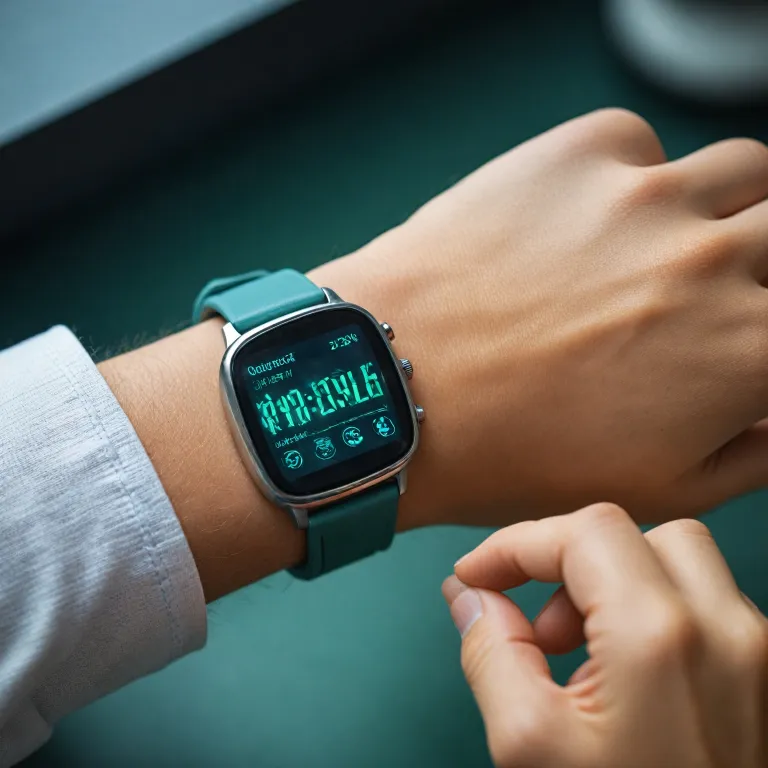

Understanding what SDNN means in smartwatch heart monitoring
When people ask what is SDNN on a smartwatch, they are really asking how their device translates raw heart signals into meaningful health insights. SDNN is a core heart rate variability metric that reflects how much the intervals between each heartbeat change over time. In practical terms, it captures both short term and long term fluctuations in the nervous system that regulate every beat.
Heart rate variability, often shortened to HRV, is the umbrella concept under which SDNN and RMSSD sit as key metrics. HRV measurements look at the tiny differences between successive R-R intervals on an electrocardiogram, and modern wearables approximate these intervals from optical sensors at the wrist. When a smartwatch reports HRV metrics such as SDNN, RMSSD, and rate variability trends, it is summarizing how flexibly your autonomic nervous system responds to daily activity and stress.
SDNN itself is calculated as the standard deviation of normal to normal intervals, which means it excludes abnormal beats and artifacts. Because it integrates variability across a longer time window, SDNN is often interpreted as a global index of autonomic nervous balance rather than a purely parasympathetic activity marker. In contrast, RMSSD focuses more on short term changes and high frequency components that reflect parasympathetic nervous influences on the heart.
Understanding what SDNN represents helps you interpret smartwatch health dashboards with more nuance and less anxiety. A single low value after intense activity or poor sleep does not automatically signal disease, but it can highlight acute stress on the body and nervous system. Over weeks and months, consistent changes in SDNN and related HRV metrics may reveal how lifestyle, training load, and recovery shape your resting heart rate and overall health.
How SDNN, RMSSD, and frequency domain metrics relate to your body
To understand what is SDNN in context, it helps to compare it with RMSSD and frequency domain measures. RMSSD and SDNN are both time domain metrics, but they capture different aspects of rate variability and autonomic nervous regulation. RMSSD emphasizes short term, beat to beat changes that are strongly linked to parasympathetic system control of the heart.
SDNN, by contrast, reflects both sympathetic activity and parasympathetic activity over a longer recording period. When your smartwatch estimates SDNN from resting heart data, it is summarizing how the nervous system modulates intervals across minutes or even hours. This is why SDNN is often used as a long term marker of overall variability, while RMSSD is favored for short term snapshots of parasympathetic nervous function.
Frequency domain analysis breaks HRV into bands of frequency power, such as high frequency and low frequency components. High frequency power is usually associated with parasympathetic activity and breathing related changes heart patterns, while lower bands mix sympathetic and parasympathetic influences. Some advanced wearables estimate frequency domain metrics, but many consumer devices still focus on time domain measures like RMSSD SDNN because they are simpler to compute from optical signals.
When you read smartwatch reports that mention frequency power or frequency domain trends, remember that they are just another lens on the same underlying intervals. All these HRV measurements, whether time domain or frequency domain, are derived from the same sequence of heart beats and the subtle changes between them. If you are also tracking water resistance and everyday use, guides on what 5 ATM water resistance really means can help you protect the sensors that enable accurate HRV metrics.
What SDNN tells you about stress, recovery, and resting heart rate
In everyday smartwatch use, what is SDNN most useful for is understanding how your body copes with stress and recovery. Higher SDNN values, when measured at rest, generally indicate greater rate variability and a more adaptable autonomic nervous system. Lower SDNN during resting heart measurements can reflect accumulated stress, illness, sleep debt, or excessive sympathetic activity from training.
It is important to interpret SDNN alongside RMSSD and other HRV metrics rather than in isolation. Differences RMSSD versus SDNN can highlight whether short term parasympathetic activity is recovering faster or slower than long term variability. For example, RMSSD may rebound quickly after a stressful day, while SDNN remains suppressed because the nervous system is still recalibrating over a longer time frame.
Smartwatches increasingly integrate SDNN into stress scores, readiness indexes, and training load recommendations. These systems use changes heart rate and changes in HRV measurements to estimate how the autonomic nervous system is balancing sympathetic activity and parasympathetic system recovery. If your device flags low SDNN after several nights of poor sleep, it is signaling that your body and nervous system may benefit from lighter activity and more rest.
Because SDNN is sensitive to both physical and psychological stress, it can complement blood pressure and other cardiovascular metrics. When choosing a device, resources on selecting the right blood pressure smartwatch for your needs can help you pair HRV metrics with broader heart health monitoring. Over time, watching how SDNN, RMSSD, and resting heart rate move together offers a richer picture of your overall health trajectory.
Short term versus long term SDNN in smartwatch HRV tracking
When you ask what is SDNN on a daily smartwatch chart, you are usually seeing a short term estimate based on a few minutes of data. Short term SDNN, often measured during a resting window, is convenient for quick checks of rate variability and parasympathetic activity. However, it may not fully capture long term patterns in autonomic nervous balance that unfold across an entire day.
Long term SDNN, traditionally calculated from 24 hour recordings, reflects broader interactions between sympathetic activity, parasympathetic system tone, and circadian rhythms. Most consumer wearables approximate this long term view by aggregating multiple short term segments, then summarizing the variability of intervals over time. This approach is not identical to clinical Holter monitoring, but it still offers valuable insights into how your nervous system responds to cumulative stress and activity.
Understanding the differences RMSSD and SDNN across short term and long term windows can prevent misinterpretation of single readings. A brief drop in short term SDNN after intense activity may be normal, especially if long term HRV metrics remain stable or improve over weeks. Conversely, a persistent decline in both RMSSD SDNN and long term SDNN may warrant a closer look at sleep, workload, and overall health behaviors.
Many training platforms now combine SDNN, RMSSD, and other HRV measurements into readiness scores that guide daily activity choices. If you are comparing devices or exploring a Whoop alternative that suits your training goals, pay attention to how each system reports short term versus long term variability. The more clearly a smartwatch explains its HRV metrics, the easier it becomes to align your activity with what your body and nervous system can handle.
Practical tips to measure HRV and interpret SDNN on your smartwatch
To get reliable answers when asking what is SDNN telling you today, consistency in measurement is essential. Measure HRV at the same time each day, ideally during a quiet resting heart window before caffeine or intense activity. This reduces noise from transient changes heart rate and allows SDNN and RMSSD to reflect true autonomic nervous trends.
Most devices calculate HRV metrics automatically during sleep or scheduled rest periods, but manual sessions can add clarity. When you start a dedicated HRV recording, remain still so that the intervals between each beat are captured accurately. Movement, talking, or irregular breathing can distort rate variability and lead to misleading SDNN values that do not represent your baseline health.
Look at rolling averages rather than single day spikes when assessing SDNN, RMSSD, and other HRV measurements. A three to seven day trend smooths out random fluctuations in frequency power and frequency domain components that occur with normal life stress. Over these windows, you can see whether parasympathetic activity is gradually improving, whether sympathetic activity is staying elevated, or whether both branches of the autonomic nervous system are returning to balance.
Finally, remember that HRV metrics are one part of a broader health picture that includes sleep, mood, and physical performance. If SDNN and RMSSD SDNN trends remain low despite good habits, discussing your smartwatch data with a qualified clinician can provide context. They can help you interpret what the changes in intervals, heart rate, and nervous system signals might mean for your long term cardiovascular health.
Limitations of SDNN on smartwatches and how to use it wisely
Even with advanced sensors, what is SDNN on a smartwatch is still an estimate rather than a clinical grade measurement. Optical heart rate sensors infer each beat from changes in blood volume, which can introduce errors in the intervals used to calculate rate variability. Factors such as skin tone, wrist movement, strap fit, and ambient light can all affect how accurately the device tracks each beat.
Because of these constraints, SDNN and other HRV metrics from wearables should be interpreted as trends rather than absolute diagnostic values. The autonomic nervous system is highly dynamic, and small day to day changes heart rate or variability may not carry medical significance. Larger, sustained shifts in SDNN, RMSSD, and related frequency domain metrics are more informative about how your body is adapting to stress, training, and recovery.
Smartwatch algorithms also differ in how they filter artifacts, define normal intervals, and summarize short term versus long term variability. This means that SDNN values from one brand may not match those from another, even when the underlying nervous system state is similar. When comparing devices or upgrading hardware, focus on relative patterns within each system rather than cross platform numerical differences.
Used thoughtfully, SDNN can still be a powerful window into your health and daily activity balance. Combine it with subjective cues such as fatigue, mood, and perceived stress to build a holistic view of what your body is experiencing. Over time, this integrated approach helps you align lifestyle choices with the signals your heart, nervous system, and smartwatch are sending.
Key statistics about SDNN and HRV in smartwatch monitoring
- Include here quantitative statistics about typical SDNN ranges in healthy adults, noting how values differ between short term and long term recordings.
- Mention statistics on how reduced SDNN is associated with higher cardiovascular risk in clinical populations, while acknowledging that smartwatch data are not diagnostic.
- Highlight data on day to day variability in HRV measurements, showing why multi day averages provide more stable insights than single readings.
- Summarize findings on the impact of sleep quality, physical activity, and stress management interventions on SDNN and RMSSD trends over time.
Common questions about SDNN and smartwatch HRV tracking
What is SDNN in simple terms on my smartwatch?
SDNN is a measure of how much the time between your heart beats varies over a recording period. Your smartwatch uses this rate variability to estimate how flexible and responsive your autonomic nervous system is. Higher SDNN at rest usually reflects better overall adaptability to stress and activity.
How is SDNN different from RMSSD in HRV metrics?
SDNN summarizes both short term and long term variability in the intervals between beats, capturing combined sympathetic and parasympathetic influences. RMSSD focuses more on short term, high frequency changes that primarily reflect parasympathetic activity. Together, these HRV measurements provide a more complete view of how your nervous system regulates heart rate.
When should I measure HRV and SDNN with my smartwatch?
The most reliable time to measure HRV metrics such as SDNN and RMSSD is during a calm resting period, often just after waking. Measuring at the same time each day reduces noise from daily activity and stress. Many devices also track HRV automatically during sleep to capture stable intervals and frequency domain patterns.
Can low SDNN on my smartwatch indicate a health problem?
Low SDNN on a single day can result from temporary stress, poor sleep, illness, or intense activity, and does not automatically indicate disease. Persistent reductions in SDNN and other HRV metrics over weeks may signal that your body and nervous system are under sustained strain. In such cases, discussing your data and symptoms with a healthcare professional is advisable.
How can I improve my SDNN and overall HRV?
Regular physical activity, consistent sleep, stress management techniques, and balanced nutrition can all support healthier HRV measurements. Over time, these habits may increase SDNN, RMSSD, and other indicators of parasympathetic activity and autonomic nervous balance. Monitoring trends on your smartwatch helps you see how lifestyle changes influence your heart and nervous system.
References : American Heart Association, European Society of Cardiology, Heart Rhythm Society.