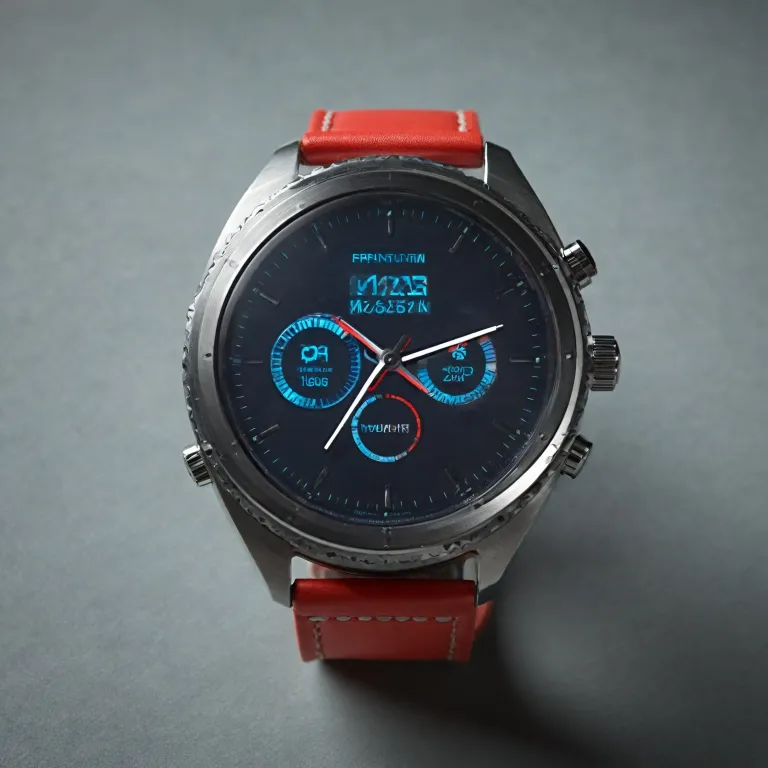

How eda sensors in smartwatches read the language of your skin
The modern smartwatch now embeds an eda sensor that quietly tracks subtle changes in your skin. This tiny component measures electrodermal activity and translates invisible physiological shifts into readable stress and activity patterns. By analysing this skin based signal, the watch offers a window into emotional arousal and overall health.
At the core of eda measurement lies skin conductance, which changes as sweat glands become more or less active. When the sympathetic activity of your autonomic nervous system rises, microscopic sweat appears on the skin and alters electrical conductance. The eda sensor detects this electrodermal response through small electrodes placed on the wrist or sometimes near the chest in research devices.
These electrodes send a very low current across the skin and record the resulting conductance response. The smartwatch then converts the raw eda signals into a continuous signal that reflects both tonic and phasic components. Phasic peaks in the eda signal often correspond to short term emotional or cognitive events, such as a sudden stress response during a meeting.
In consumer wearables, the eda monitoring process is designed to be passive, comfortable, and unobtrusive. Users simply wear the watch while the device logs electrodermal activity alongside heart rate, activity levels, and sleep data. Over time, this combined dataset helps reveal patterns between physical activity, emotional arousal, and mental health indicators.
Because electrodermal activity is closely linked to the autonomic nervous system, it can highlight moments when the body reacts before the mind fully registers stress. Smartwatch interfaces typically summarise this complex signal into stress scores or guided breathing prompts. Behind these simple prompts lies a sophisticated chain of eda measurement, signal processing, and health focused interpretation.
From laboratory scr to everyday stress tracking on the wrist
Electrodermal activity has long been studied in laboratories, where researchers analyse each skin conductance response in controlled experiments. In that context, a single scr is often tied to a specific stimulus, such as a sound or image that triggers emotional arousal. The move from lab based electrodermal responses to smartwatch based eda monitoring required major advances in sensors and algorithms.
Traditional systems used gel based electrodes placed on the fingers or chest to capture high quality eda signals. These setups produced detailed electrodermal activity data but were impractical for daily activity or long term health tracking. Smartwatches instead rely on dry electrodes integrated into the case or strap, which must handle motion, sweat, and changing skin conditions.
To make sense of noisier eda signals on the wrist, manufacturers apply filtering and pattern recognition techniques. The watch separates slow baseline changes in skin conductance from rapid phasic peaks that indicate specific responses. It then combines this eda signal with heart rate and activity data to estimate overall stress and sympathetic activity throughout the day.
Battery life and comfort also shape how often a smartwatch can perform eda measurement. Some devices run continuous electrodermal activity tracking, while others prompt users to start short term sessions during rest. If you need guidance on maintaining your device, tutorials such as how to replace the charging cable for your Kore 2.0 smartwatch can help keep sensors functioning reliably.
Despite these constraints, the shift from lab scr recordings to wearable eda monitoring has opened new possibilities for mental health awareness. People can now observe how their nervous system reacts during commuting, work, exercise, and sleep. This continuous context rich data was previously limited to short laboratory study sessions with strict informed consent procedures.
Interpreting eda data alongside heart rate and daily activity
An eda sensor alone cannot fully explain why your skin conductance rises at a given moment. Smartwatches therefore interpret electrodermal activity in combination with heart rate, movement, and sometimes breathing rate. This multimodal approach helps distinguish between stress related sympathetic activity and changes driven mainly by physical activity.
For example, a spike in eda signals during intense running may reflect thermoregulation and sweat rather than emotional arousal. When the watch sees elevated electrodermal responses together with a stable heart rate and low movement, it more confidently labels the episode as stress. In this way, the device uses context to refine each conductance response into meaningful health insights.
Manufacturers also analyse long term patterns in skin conductance and activity eda to build personalised baselines. Over weeks, the watch learns what typical electrodermal activity looks like for a specific human wearer during work, rest, and sleep. Deviations from this baseline, especially when paired with changes in mental health questionnaires, can signal periods of heightened stress.
Accessories can indirectly influence eda measurement by affecting comfort and skin contact. A stable stand, such as a carefully chosen Apple Watch watch stand, helps ensure the device charges correctly and maintains sensor performance over time. Similarly, strap material and fit can change how well electrodes maintain contact with the skin during daily activity.
Because electrodermal activity reflects the autonomic nervous system, smartwatch dashboards must present data in a clear, non alarming way. Many interfaces translate complex eda signals into simple stress graphs, recovery scores, or guided breathing suggestions. Users seeking deeper understanding can still view raw trends in skin response, heart rate, and activity to explore their own emotional patterns.
What eda sensors reveal about stress, emotion, and mental health
The link between eda and emotional arousal makes electrodermal activity a powerful window into stress. When the sympathetic branch of the autonomic nervous system activates, sweat glands in the skin respond quickly. This produces measurable changes in skin conductance that an eda sensor can capture as a phasic electrodermal response.
In everyday life, these electrodermal responses may occur during arguments, deadlines, or even exciting positive events. Smartwatches record each conductance response as part of a continuous eda signal, then summarise the intensity and frequency over time. Repeated peaks in eda signals, especially without corresponding physical activity, can indicate sustained psychological load.
Researchers have used eda measurement in mental health study designs to track anxiety, burnout, and emotional regulation. Although consumer devices do not replace clinical assessment, they extend electrodermal activity monitoring into natural environments. This helps individuals notice how their nervous system reacts during commutes, meetings, or social interactions that might otherwise feel routine.
Because skin response is involuntary, it can reveal stress that people underreport in surveys. When combined with heart rate variability and sleep data, eda monitoring offers a richer picture of overall health. Over months, users may see how lifestyle changes, therapy, or relaxation techniques alter their baseline skin conductance and sympathetic activity.
Ethical use of such intimate physiological data requires transparency and informed consent, especially in research or workplace settings. Smartwatch manufacturers must clearly explain how electrodermal activity data is stored, processed, and potentially shared. Users should be able to control whether their eda, heart rate, and activity records are retained, deleted, or retrieved for personal review.
Technical nuances of electrodermal signals on the wrist
From an engineering perspective, capturing reliable eda signals on the wrist is challenging. The skin in this area has fewer sweat glands than the fingers, which traditionally provided strong electrodermal activity signals. Motion, temperature changes, and varying pressure from the strap all introduce artefacts into the eda signal.
To address this, smartwatch designers optimise electrode placement and materials for stable skin contact. Some devices use two or more electrodes on the case edges, while others integrate them into the strap for better coverage. The goal is to maintain consistent skin conductance measurement during both rest and light activity without causing discomfort.
Signal processing algorithms then separate true electrodermal responses from noise caused by movement or abrupt changes in contact. They identify phasic peaks that represent rapid sympathetic activity, as well as slower tonic shifts in baseline conductance. These refined eda signals feed into higher level models that estimate stress, recovery, and overall autonomic nervous balance.
Because sweat can accumulate under the watch, designers must balance water resistance with breathability. Materials and strap designs, including options like rubber straps discussed in guides to choosing a rubber watch for your smartwatch needs, influence both comfort and sensor stability. A well fitted strap keeps electrodes in place while allowing the skin to breathe and sweat to evaporate.
Data handling is another technical pillar of trustworthy eda monitoring. Devices must encrypt sensitive health data, including electrodermal activity, heart rate, and location linked activity logs. Users should be informed about how long their data is stored, how it can be retrieved, and whether any anonymised datasets contribute to broader study efforts.
Practical tips for using eda based stress features responsibly
For everyday users, the value of an eda sensor lies in practical, actionable insights. Rather than focusing on every individual skin conductance response, it is more helpful to watch trends. Look for periods when electrodermal activity, heart rate, and reduced sleep quality cluster together, as this may signal mounting stress.
Many smartwatches offer guided breathing or mindfulness sessions triggered by elevated eda signals. Treat these prompts as invitations to pause and check in with your emotional state. Over time, you may notice which situations reliably raise your electrodermal activity, from specific meetings to late night screen use.
When sharing data with healthcare professionals, clarify how your device measures electrodermal activity and what metrics it reports. Clinicians may be more familiar with laboratory scr and traditional skin conductance recordings than with consumer eda monitoring. Providing exported data, along with notes about your activity and mood, can help bridge this gap.
Remember that smartwatch eda measurement is sensitive but not infallible, and it should complement rather than replace professional mental health support. Treat the eda signal as one piece of a broader health puzzle that includes subjective feelings, behaviour, and medical history. If stress scores remain high over the long term, consider discussing both the data and your experiences with a qualified practitioner.
Finally, pay attention to comfort, fit, and maintenance to keep electrodes working well on the skin. Clean the underside of the watch regularly to prevent sweat and debris from affecting skin response readings. If you participate in any formal study using smartwatch eda data, ensure that informed consent documents clearly explain how your electrodermal activity and related health data will be used, stored, and potentially linked to identifiers such as email or doi references in research archives.
Key statistics on eda sensors and smartwatch stress tracking
- Electrodermal activity based features in smartwatches typically sample skin conductance several times per second during dedicated stress sessions.
- Consumer devices often combine eda signals with heart rate and activity metrics to reduce false stress detections caused purely by movement or temperature.
- In research contexts, finger or palm based eda measurement can show higher amplitude conductance responses than wrist based recordings, but wrist sensors enable longer monitoring periods.
- Long term tracking of electrodermal activity has been associated with improved awareness of stress patterns and more consistent use of relaxation techniques in observational studies.
Common questions about eda sensors in smartwatches
How accurate are smartwatch eda sensors compared with clinical devices ?
Smartwatch eda sensors are generally less precise than clinical systems that use gel based electrodes on the fingers or palms. However, they provide sufficiently reliable electrodermal activity trends for everyday stress awareness when combined with heart rate and activity data. Their main strength lies in continuous, real world monitoring rather than laboratory level precision.
Can an eda sensor diagnose anxiety or other mental health conditions ?
An eda sensor cannot diagnose anxiety, depression, or other mental health disorders on its own. It measures physiological signals such as skin conductance that may correlate with stress or emotional arousal. Diagnosis still requires a comprehensive clinical assessment that considers symptoms, history, and multiple sources of information.
Does physical exercise interfere with eda based stress readings ?
Physical exercise increases sweat and changes in skin temperature, which can affect electrodermal activity readings. Smartwatches attempt to account for this by analysing eda signals alongside movement and heart rate. Even so, stress interpretations during intense activity should be viewed cautiously and in context.
Is my eda and stress data stored securely on my smartwatch and in the cloud ?
Most major smartwatch platforms encrypt health data, including eda, both on the device and during transmission to cloud services. Users should review privacy settings to control data sharing and retention. It is important to understand how long data is stored and how it can be deleted or retrieved.
How often should I use eda based stress checks on my smartwatch ?
Many people find value in running short eda based stress checks once or twice per day, especially during known high pressure periods. Others rely on passive monitoring and only review trends weekly. The optimal frequency depends on your goals, tolerance for notifications, and discussions with any healthcare professionals involved in your care.