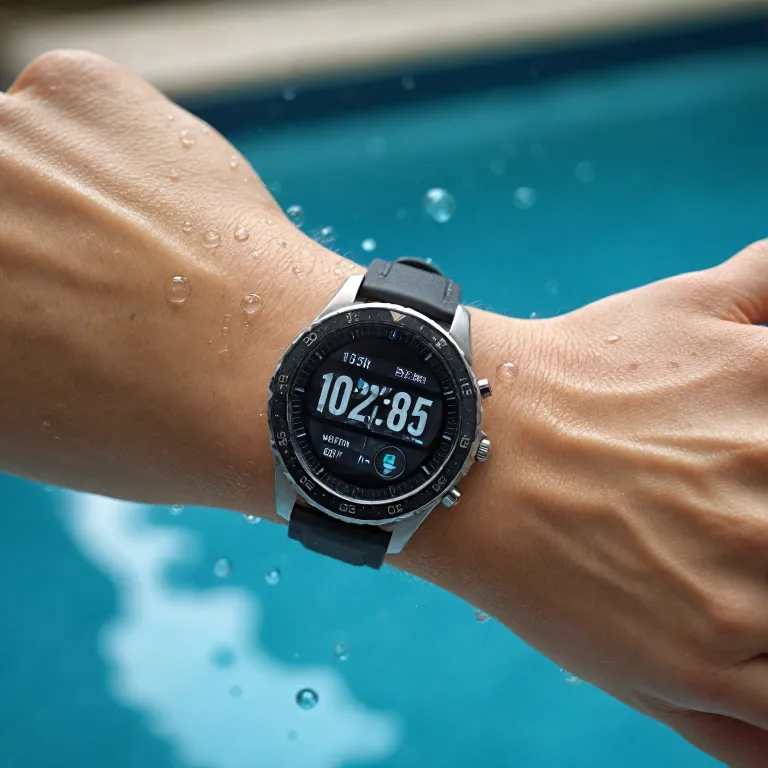
Understanding 5 atm water resistance in modern smartwatches
When a smartwatch is advertised with 5 atm water resistance, the label can seem technical yet vague. In watchmaking, this rating indicates that the watch case and seals are tested to withstand a static water pressure equivalent to 50 meters, but this does not mean you can freely dive to 50 meters. The 5 atm water resistance rating instead reflects how the watch behaves under controlled laboratory pressure, which differs from real world swimming and water sports.
The term atm refers to atmospheres, a unit describing how much pressure a resistant watch can tolerate before water enters the case. One atm equals the air pressure at sea level, so 5 atm water corresponds to roughly five times that pressure, which is similar to the pressure at 50 meters in still water. However, dynamic movements such as diving, jumping, or fast arm swings during water activities can briefly increase water pressure far beyond the nominal meters rating.
Manufacturers therefore design 5 atm watches to be water resistant for everyday exposure water, including rain, hand washing, showering, and surface level swimming. The crown, gaskets, and overall case architecture are engineered as a protective kit to keep the movement and sensors safe from water. Yet, even with a 5 atm bar rating, deep sea exploration, high speed water sports, or aggressive dive watch style use remain outside the intended envelope of resistance.
Understanding these limits helps you interpret the rating in a realistic way and avoid misuse. A smartwatch with 5 atm meters resistance is robust for casual swimming and pool workouts, but it is not a professional dive watch. Respecting the difference between laboratory pressure watch tests and real aquatic conditions is essential for long term durability.
How 5 atm water resistance translates to daily use and sport
For most people, the main question is whether 5 atm water resistance is enough for their lifestyle. In practice, a smartwatch with this rating can usually handle swimming sessions in a pool, light snorkeling near the surface, and frequent exposure water during showers or rainy runs. The watch case, seals, and crown are built to withstand splashes, brief submersion, and moderate water pressure without compromising the electronics.
However, the meters rating is not a direct invitation to attempt deep sea diving or high impact jumps into water. When you dive into a pool or practice intense water sports, the sudden acceleration of your arm and the impact on the watch water surface can momentarily generate pressure spikes that exceed the nominal 5 atm bar rating. This is why brands often state that 5 atm watches are suitable for swimming but not for serious diving activities or compressed air environments.
Smartwatch users should also consider how temperature changes affect water resistance. Moving quickly from a hot shower to cold swimming water can stress the gaskets and case, slightly altering the effective resistance over time. Regular checks of the crown position, avoiding impacts on the case, and respecting the manufacturer’s guidance on water activities will help the resistant watch maintain its original rating.
When comparing models, remember that a higher bar rating or more atm meters does not automatically justify a higher price if you only need basic swimming support. A well engineered 5 atm water smartwatch can offer excellent value, especially when the sale price reflects a balanced mix of fitness features and robust water resistant design. For readers evaluating fitness focused models, this detailed test of a versatile fitness smartwatch with strong aquatic capabilities is a useful reference point for understanding how 5 atm water resistance behaves in training scenarios ; see the in depth Versa 4 fitness smartwatch review.
Technical limits of 5 atm water resistance in smartwatch design
Behind every 5 atm water resistance label lies a complex engineering process that balances comfort, sensors, and durability. Smartwatch designers must integrate microphones, speakers, optical heart rate modules, and charging contacts into a compact case while still achieving a reliable bar rating. Each opening in the case, from the crown to the sensor windows, represents a potential path for water under pressure.
Laboratory tests for 5 atm watches typically involve placing the watch in a chamber and gradually increasing water pressure to the equivalent of 50 meters. The watch must withstand this pressure for a defined period without leaks, which validates the resistance rating under static conditions. Yet, real life swimming, diving from pool edges, or fast strokes during water sports create dynamic loads that are more demanding than the controlled meters atm environment.
Smartwatch brands therefore use a combination of gaskets, adhesives, and precisely machined case components to maintain water resistant performance. Over time, exposure water to soaps, shampoos, and chlorinated pools can degrade these materials, slowly reducing the effective resistance of the watch water system. This is why many manufacturers recommend rinsing the watch with fresh water after swimming and avoiding pressing buttons or the crown while submerged.
For users who frequently engage in water activities, it is wise to monitor how the watch behaves after heavy use. Condensation under the glass, erratic sensor readings, or corrosion around the case back can signal that the original 5 atm bar rating is compromised. Those who want to understand how advanced fitness trackers manage these challenges can consult this analysis of a modern fitness band’s aquatic features in the Fitbit Charge 7 features overview, which illustrates how similar principles apply across different form factors.
Comparing 5 atm water resistance with other ratings and real depths
Many smartwatch buyers feel confused when they see different ratings such as 3 atm, 5 atm, or 10 atm on spec sheets. A 3 atm watch is generally suitable for everyday splashes and brief exposure water, but it is not recommended for swimming or extended immersion. By contrast, 5 atm water resistance is widely considered the practical minimum for regular swimming and recreational water activities.
Moving up the scale, 10 atm meters or higher ratings are often associated with dedicated dive watches or sports models designed for more demanding conditions. These watches may feature thicker cases, reinforced seals, and screw down crown systems that can better withstand higher water pressure. However, the increased resistance and higher bar rating often come with a higher price and a bulkier design that may not suit all wrists.
It is important to remember that the meters feet equivalence printed on the dial or case back is based on static laboratory tests. In real life, a watch rated to 50 meters atm is not intended for deep sea exploration, while a 100 meters rating still has limits for professional diving. For most smartwatch users, 5 atm water resistance offers a balanced compromise between comfort, weight, and sufficient protection for swimming and showering.
When comparing sale price between models, consider whether you genuinely need a higher pressure watch specification or if 5 atm water already covers your routine. Paying more for a dive watch style rating that you will never fully use may not be the best value. A carefully chosen smartwatch with 5 atm bar resistance can be a smart purchase, especially when the sale price reflects a thoughtful balance between aquatic durability and everyday usability.
Practical care tips to preserve 5 atm water resistance over time
Even the best engineered 5 atm water resistance can degrade if the watch is neglected or misused. To preserve the original rating, avoid exposing the watch to aggressive chemicals such as solvents, strong detergents, or high chlorine concentrations beyond normal swimming pool levels. These substances can damage gaskets, compromise the case, and reduce the effective water pressure tolerance.
After each session of swimming or other water activities, rinse the watch gently with fresh water and dry it with a soft cloth. This simple maintenance routine helps remove salt, sand, or pool chemicals that might otherwise accumulate around the crown, buttons, and case back. Over months of use, such deposits can interfere with seals and reduce the watch water resistance that 5 atm meters initially promised.
Users should also avoid operating the crown or physical buttons while the watch is submerged, unless the manufacturer explicitly states that this is safe. Pressing controls underwater can momentarily reduce the effectiveness of the seals and allow water to enter, especially at higher bar rating levels. If the watch suffers a strong impact, such as hitting a pool edge or a rock during water sports, it is wise to have the resistance checked by an authorized service center.
For those who frequently alternate between hot showers and cold swimming, be aware that rapid temperature changes can stress the case and seals. Over time, this may slightly alter the resistance of even a well built resistant watch, making periodic inspections a prudent choice. Readers comparing different models for both land and aquatic training can consult this guide to choosing the right sports oriented smartwatch, which also addresses water resistance considerations ; see the guide to choosing the right Forerunner smartwatch for a deeper look at how brands balance comfort and durability.
Choosing a 5 atm water resistant smartwatch that matches your needs
Selecting a smartwatch with 5 atm water resistance involves more than reading a single specification line. Start by assessing how often you engage in swimming, light diving, or other water activities, and whether you plan to wear the watch continuously during showers and daily exposure water. If your routine includes only occasional pool visits and everyday splashes, a 5 atm water rating is usually sufficient and offers a good compromise between comfort and durability.
Next, evaluate the overall design of the watch case, including the position and construction of the crown, buttons, and sensor windows. A well integrated case with minimal gaps and a clear bar rating can inspire more confidence than a loosely assembled model, even if both claim 5 atm meters resistance. Pay attention to how the strap attaches to the case, because weak attachment points can transfer shocks that indirectly affect water resistant performance.
Price is another factor, but a higher sale price does not always guarantee better real world resistance. Some mid range watches offer excellent 5 atm water resistance and robust materials, while premium models may focus more on luxury finishes than on extreme water performance. Consider whether you truly need a dive watch level of protection or if a balanced resistant watch with 5 atm bar coverage already meets your expectations.
Finally, think about long term maintenance, including access to authorized service centers and the availability of replacement gaskets or case components. A smartwatch that can be properly serviced will maintain its water pressure rating more reliably over years of use. By aligning your expectations with the realistic capabilities of 5 atm water resistance, you can choose a watch that remains a trustworthy companion on land, in the pool, and during most recreational water sports.