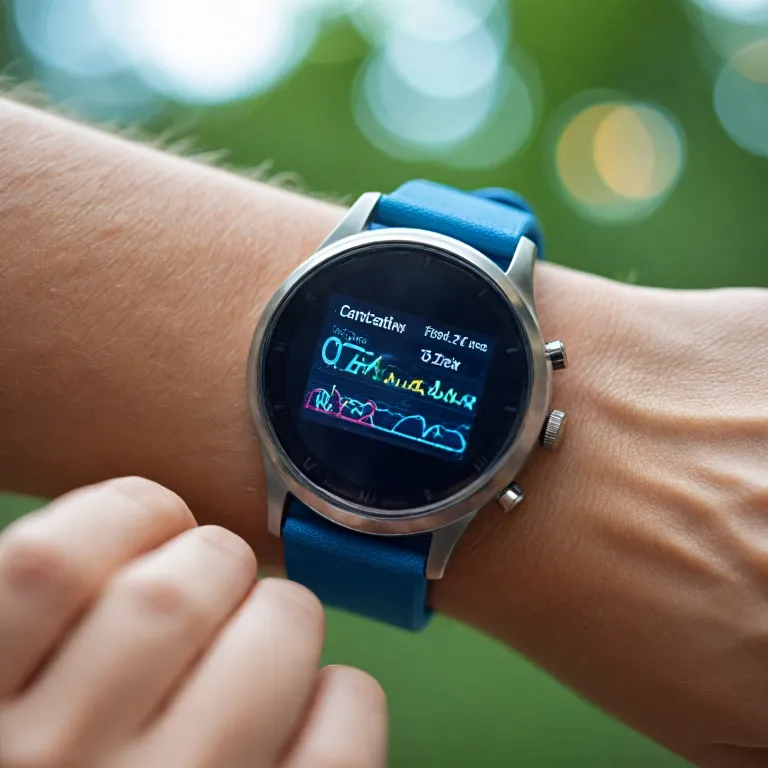
From step counters to health monitoring devices for serious care
Modern smartwatches have evolved into sophisticated health monitoring devices that sit discreetly on the wrist. What began as simple step counters now supports continuous monitoring of vital signs that once required bulky medical equipment in clinics. This shift places powerful wearable health tools directly into daily life, bridging lifestyle tracking and formal healthcare.
At the core of these wearable devices are optical and electrical sensors that translate tiny physiological signals into usable health data. Each smart sensor measures changes in blood flow, skin temperature, and movement to estimate heart rate and other vital signs with increasing precision. When combined, these sensors create a multi parameter picture of health monitoring that can support both fitness goals and patient care.
For people managing chronic conditions, such as hypertension or arrhythmia, continuous monitoring offers a new layer of safety and reassurance. Instead of occasional readings at a clinic, monitoring devices provide real time trends in heart rate, blood pressure estimates, and oxygen saturation that can highlight subtle changes. This kind of remote monitoring does not replace medical visits, but it gives patients and healthcare providers earlier signals when something drifts outside a personal baseline.
Health devices in smartwatch form also help translate abstract medical data into understandable insights for everyday users. Clear visualizations of heart rate zones, blood oxygen levels, and sleep patterns make complex patient monitoring information more approachable. Over time, this empowers patients to participate more actively in their own healthcare and to discuss concrete data with clinicians.
Because these wearable technology tools are always on the body, they capture health data during work, rest, and exercise. That continuous stream of information reveals patterns that single measurements of blood pressure or heart rate might miss entirely. In this way, smart wearable health devices become quiet companions that watch over vital signs in the background.
Key vital signs tracked by wearable health monitoring devices
The most visible function of health monitoring devices in smartwatches is heart rate tracking. Using optical sensors that shine light into the skin, each wearable device estimates how much blood passes through tiny vessels with every beat. This allows continuous monitoring of heart rate during exercise, rest, and sleep, giving a detailed view of cardiovascular response over time.
Beyond simple beats per minute, advanced monitoring devices now detect irregular rhythms that may warrant medical attention. When a smartwatch flags an unusual pattern, it does not diagnose disease, but it prompts patients to seek professional healthcare evaluation. This early warning role illustrates how smart wearable technology can support remote patient awareness without replacing clinical judgment.
Many wearable devices also estimate blood oxygen levels, sometimes referred to as oxygen saturation, using similar optical sensor technology. By measuring how light is absorbed by oxygenated and deoxygenated blood, the sensor can infer blood oxygen percentages that help assess respiratory and cardiovascular status. For people with sleep apnea or lung conditions, this kind of health monitoring can highlight episodes that deserve further medical testing.
Some health devices add wrist based temperature sensors that, when combined with ambient temperature humidity data, help interpret changes in vital signs more accurately. Subtle shifts in skin temperature, heart rate, and activity can indicate early illness or recovery trends, especially when tracked in real time. These multi sensor approaches show how wearable health tools are moving closer to professional patient monitoring systems.
Battery life and low power design are critical for reliable continuous monitoring of vital signs. If a smartwatch cannot maintain remote monitoring throughout the day and night, important health data gaps appear for patients and clinicians. Users troubleshooting smartwatch charging issues can consult dedicated guidance such as this detailed resource on resolving Apple Watch charging problems to keep their monitoring devices dependable.
How health data from smart sensors becomes meaningful patient insights
Collecting health data is only the first step; interpreting it correctly is where health monitoring devices truly add value. Smart algorithms inside each wearable device clean raw sensor signals, filter noise, and transform them into understandable metrics like resting heart rate or average blood oxygen. This processing allows both patients and healthcare providers to focus on meaningful trends rather than confusing numbers.
For example, continuous monitoring of heart rate and oxygen saturation can reveal how the body responds to daily stress, exercise, and sleep. Over weeks, wearable health devices build a personal baseline that makes deviations more visible and clinically relevant. When a remote patient suddenly shows elevated resting heart rate and reduced blood oxygen, remote monitoring dashboards can highlight this change for timely patient care.
Health devices increasingly integrate with electronic healthcare systems, allowing secure sharing of selected data with clinicians. This connection turns consumer wearable technology into an extension of professional patient monitoring, especially for people living far from medical centers. In such cases, remote patient care benefits from real time access to vital signs without requiring constant hospital visits.
To support this ecosystem, monitoring devices must balance rich data collection with low power consumption. Efficient smart sensors and optimized wireless protocols help maintain continuous monitoring without sacrificing battery life or comfort. Readers interested in energy efficient designs can explore how battery operated smartwatches support extended health monitoring in this analysis of battery powered smartwatch performance.
Designers of wearable devices also consider how to present complex medical information in a calm, non alarming way. Clear color coding, gentle alerts, and contextual explanations help patients interpret health monitoring results without unnecessary anxiety. When done well, this user centered approach turns raw health data into practical guidance that supports everyday healthcare decisions.
Design challenges for comfortable, accurate wearable devices on the wrist
Creating effective health monitoring devices in smartwatch form involves delicate engineering compromises. The device must sit firmly enough on the wrist for accurate sensor readings, yet remain comfortable for continuous monitoring throughout day and night. Strap design, case curvature, and material choice all influence how reliably sensors contact the skin.
Optical heart rate sensors and blood oxygen sensors require stable alignment with blood rich tissue. Any gap between the wearable device and the skin can introduce noise into heart rate and oxygen saturation measurements, reducing the quality of health data. Manufacturers therefore test different strap tensions and materials to support both patient comfort and precise health monitoring.
Another challenge lies in fitting multiple sensors, radios, and processors into a compact, low power package. Health devices must accommodate optical modules, electrical contacts, temperature sensors, and sometimes even electrodes for more advanced patient monitoring. All of this technology must operate safely near the skin while maintaining long battery life for reliable remote monitoring.
Environmental factors such as temperature humidity, sweat, and motion also affect sensor performance. Smart algorithms compensate for these variables by cross checking signals from different sensors and using motion data to filter artifacts. This fusion of sensor data helps wearable health devices maintain accuracy during exercise, sleep, and everyday activities.
Form factor plays a growing role in whether patients accept continuous monitoring devices as part of daily life. Ultra slim cases, such as those highlighted in analyses of thin smartwatches for everyday wear, show how design can encourage long term use. When a smart wearable device feels like a natural accessory rather than a medical tool, patients are more likely to keep vital signs tracking active.
Remote patient monitoring and the changing role of healthcare providers
As health monitoring devices become more capable, they are reshaping how healthcare providers follow patients between visits. Remote monitoring programs now use data from wearable devices to track vital signs such as heart rate, blood pressure estimates, and oxygen saturation in real time. This approach supports earlier interventions, especially for high risk patients who might otherwise deteriorate unnoticed at home.
In remote patient care, clinicians define thresholds for key metrics like resting heart rate, blood oxygen, and activity levels. When monitoring devices detect values outside these personalized ranges, alerts can prompt a phone call, teleconsultation, or in person assessment. This targeted response helps prioritize patient care resources while still relying on robust medical judgment.
Wearable health devices also support rehabilitation and chronic disease management by providing continuous monitoring of progress. Patients recovering from cardiac events, for example, can use smartwatches to track heart rate during prescribed exercise, sharing health data with their care team. Over time, this patient monitoring helps refine treatment plans and encourages adherence to recommended activity levels.
Healthcare providers must, however, navigate the volume of data generated by continuous monitoring devices. Effective dashboards, triage rules, and integration with existing medical records are essential to avoid information overload. When implemented thoughtfully, remote monitoring becomes a powerful extension of traditional healthcare rather than an administrative burden.
Ethical and privacy considerations remain central as wearable technology moves deeper into medical contexts. Patients need clear information about how their health devices collect, store, and share data, especially when remote monitoring is involved. Transparent policies and strong security measures help maintain trust in both the devices and the healthcare providers who rely on them.
Future directions for health monitoring devices in everyday smartwatches
Looking ahead, health monitoring devices in smartwatches are expected to gain more medical grade capabilities while remaining consumer friendly. Research teams are exploring new sensor types that could estimate blood pressure more accurately from the wrist without cuffs. If validated, such technology would make continuous monitoring of hypertension far more convenient for patients and clinicians.
Advances in low power electronics will further extend battery life, enabling richer real time tracking of vital signs without frequent charging. Smarter algorithms may combine heart rate, blood oxygen, temperature, and movement into composite indicators of overall health status. These multi parameter scores could help remote patient programs quickly identify which patients need closer attention.
Integration with broader healthcare ecosystems will likely deepen as wearable devices become standard tools in patient monitoring. Pharmacies, insurers, and hospital systems may all interact with health data streams from approved monitoring devices under strict consent frameworks. This could support more personalized patient care, from medication adjustments to tailored rehabilitation plans.
At the same time, designers will continue refining the balance between medical utility and everyday appeal in wearable technology. Materials, colors, and form factors will aim to make health devices feel like desirable accessories rather than clinical instruments. When patients enjoy wearing their smart devices, continuous monitoring of vital signs becomes a natural part of life.
For individuals seeking information today, the key is to view smartwatch based health monitoring as a complement to, not a replacement for, professional medical care. Used thoughtfully, these wearable health tools can provide valuable data for discussions with healthcare providers and support more informed decisions. As capabilities expand, staying informed about both the strengths and limits of monitoring devices will remain essential.
Key statistics about health monitoring devices in smartwatches
- Percentage of smartwatch users who regularly track heart rate and other vital signs with health monitoring devices.
- Proportion of remote patient monitoring programs that now integrate data from wearable devices into patient care workflows.
- Average improvement in detection time for cardiovascular events when continuous monitoring is used compared with occasional clinic measurements.
- Typical battery life range, in hours or days, required to support reliable real time monitoring of vital signs on the wrist.
- Share of healthcare providers who report that wearable health data has influenced at least one clinical decision for their patients.
Common questions about smartwatch health monitoring devices
How accurate are smartwatch health monitoring devices compared with medical equipment ?
Smartwatch health monitoring devices can provide reasonably accurate trends for metrics like heart rate and blood oxygen under typical conditions. However, they generally do not match the precision of clinical grade medical equipment used in hospitals or specialized laboratories. For diagnosis or treatment decisions, healthcare providers still rely on validated medical devices while using smartwatch data as supportive context.
Can wearable devices replace traditional patient monitoring in hospitals ?
Wearable devices are valuable for remote monitoring and everyday health tracking, but they do not fully replace hospital grade patient monitoring systems. In critical care settings, clinicians depend on wired or specialized wireless monitors that offer higher reliability, redundancy, and continuous supervision. Smartwatches are better viewed as complementary tools that extend observation beyond the hospital rather than substitutes for in ward equipment.
What vital signs can smartwatches typically measure in real time ?
Most modern smartwatches can track heart rate continuously and estimate blood oxygen levels at intervals or on demand. Many devices also monitor activity, sleep patterns, and sometimes skin temperature, which together contribute to a broader picture of vital signs. Some models attempt to estimate blood pressure or detect irregular heart rhythms, though these features should always be interpreted cautiously and confirmed with medical tests.
How do healthcare providers use data from wearable health devices ?
Healthcare providers may review trends from wearable health devices to understand how a patient’s vital signs behave between appointments. This information can support decisions about medication adjustments, lifestyle recommendations, or the need for further diagnostic testing. Clinicians typically focus on patterns over time rather than single readings, integrating smartwatch data with clinical examinations and laboratory results.
Are health monitoring devices in smartwatches suitable for all patients ?
Health monitoring devices in smartwatches can benefit many patients, but they are not ideal for everyone. People with certain skin conditions, movement disorders, or implanted medical devices may experience less reliable readings or compatibility concerns. It is important for individuals to discuss smartwatch use with their healthcare providers, especially when they have complex medical histories or rely on precise monitoring.