
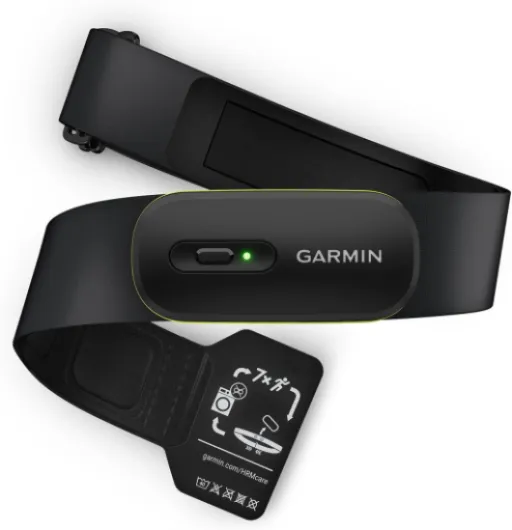
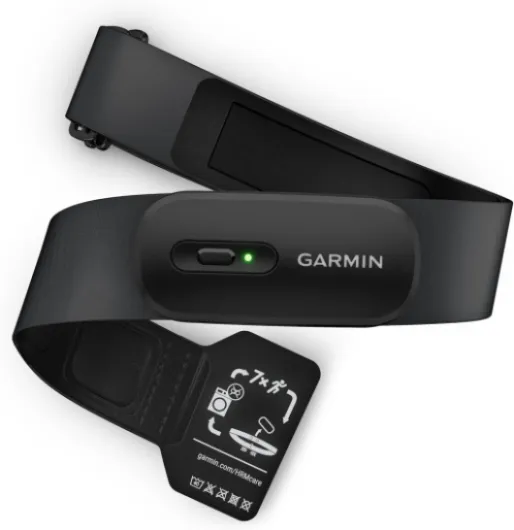
Understanding the garmin hrm-dual heart rate monitor
What Makes the Garmin HRM-Dual Stand Out?
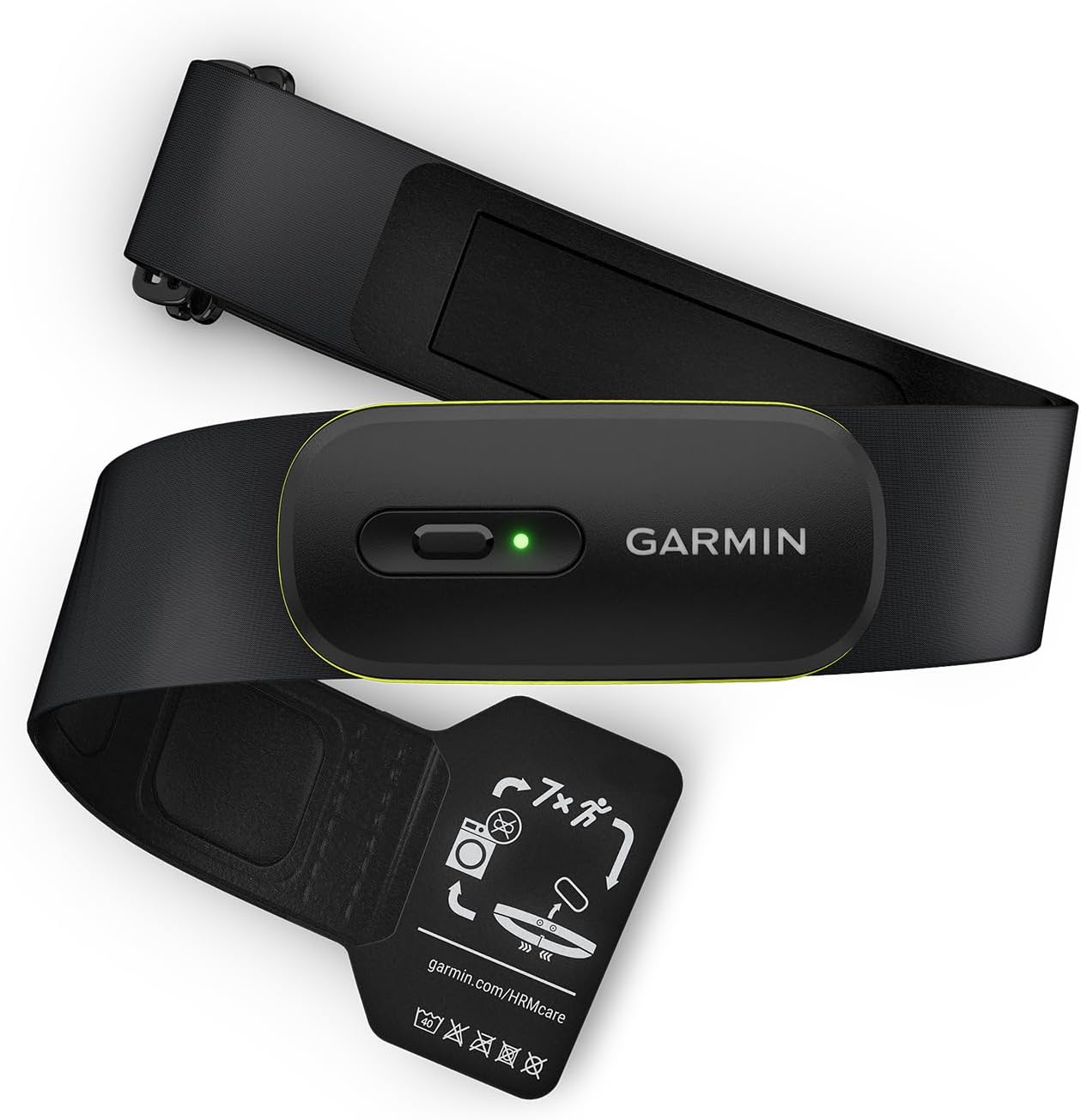
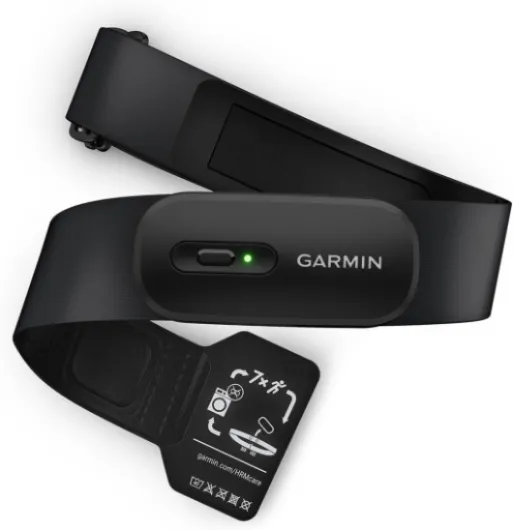
The Garmin HRM-Dual heart rate monitor is a chest strap designed for athletes and fitness enthusiasts who want accurate heart rate data during training. Unlike wrist-based sensors, chest straps like the HRM-Dual are known for their precision, especially during intense workouts or cycling sessions. The HRM-Dual uses both ANT+ and Bluetooth connectivity, making it compatible with a wide range of devices, from Garmin smartwatches to popular fitness apps on smartphones and tablets.
Why Choose a Chest Strap Heart Rate Monitor?
Many users prefer chest straps over optical sensors for their reliability. The HRM-Dual’s sensor sits directly on your chest, close to the heart, which helps deliver more consistent readings. This is especially important for interval training or activities where wrist-based monitors might struggle. The dual Bluetooth and ANT+ support means you can pair the HRM-Dual with multiple devices at once, such as a Garmin watch and a cycling computer, or even third-party apps like Zwift or Strava.
Who Is the HRM-Dual For?
If you’re serious about tracking your heart rate for running, cycling, or gym workouts, the HRM-Dual is a strong contender. It’s also a good fit for those who want a long battery life, as the replaceable coin cell battery can last up to 3.5 years with typical use. For people comparing options like the Polar H10, Wahoo Tickr, or Scosche Rhythm, the HRM-Dual offers a balance of comfort, accuracy, and broad device compatibility.
How Does It Fit Into the Broader Health Tech Landscape?
The HRM-Dual is part of a growing ecosystem of heart rate monitors and smart devices that help users better understand their health and performance. As wearable tech evolves, chest straps remain a trusted choice for those who value data accuracy. If you’re interested in how smart bracelets and other wearables are changing health monitoring, you can read more in this overview of smart health monitoring.
- Accurate heart rate data for training and everyday use
- Dual Bluetooth and ANT+ connectivity for flexible pairing
- Long battery life and comfortable chest strap design
- Compatible with Garmin, Polar, Wahoo, and other devices

How the hrm-dual works with smartwatches
Pairing the HRM-Dual with Your Smartwatch
The Garmin HRM-Dual heart rate monitor is designed to work seamlessly with a wide range of smartwatches and fitness devices. Thanks to its dual transmission technology, it supports both ANT+ and Bluetooth connectivity. This means you can pair the HRM-Dual with most Garmin watches, as well as devices from other brands like Polar, Wahoo, and even some cycling computers. The chest strap ensures accurate heart rate data during workouts, whether you’re running, cycling, or training indoors.
Compatibility and Connectivity
- ANT+ and Bluetooth: The dual transmission allows the HRM-Dual to connect to multiple devices at once. For example, you can link it to your Garmin smartwatch and a cycling computer simultaneously.
- Supported Devices: Most modern smartwatches, including those from Garmin, Polar, and Wahoo, support either ANT+ or Bluetooth. This makes the HRM-Dual one of the best chest straps for multi-device users.
- Easy Pairing: Simply activate the pairing mode on your smartwatch, and the HRM-Dual will appear as a heart rate sensor. The process is straightforward and usually takes less than a minute.
Data Accuracy and Real-Time Monitoring
Using a chest strap like the HRM-Dual provides more accurate heart rate data compared to wrist-based sensors. This is especially important for high-intensity training, cycling, or interval workouts. The sensor delivers real-time heart rate data directly to your smartwatch, helping you track your performance and adjust your training on the go. Many users find the data from the HRM-Dual more reliable than optical sensors, especially during activities with rapid heart rate changes.
Integration with Health and Fitness Apps
The HRM-Dual is compatible with popular fitness apps and platforms, allowing you to sync your heart rate data for deeper analysis. Whether you’re using Garmin Connect, Strava, or other training apps, the dual Bluetooth and ANT+ support ensures smooth data transfer. This makes it easier to monitor your progress, set goals, and review your training sessions.
For those interested in broader health monitoring features, you might want to explore Samsung's health monitoring features as a complement to your heart rate tracking setup.
Battery Life and Maintenance
One of the standout features of the HRM-Dual is its long battery life. The chest strap uses a standard coin cell battery, which can last up to 3.5 years with typical use. This means less hassle with charging and more focus on your training. Regular cleaning of the strap and proper storage will help maintain both comfort and sensor accuracy over time.
Key features and technical specifications
Design and Build Quality
The Garmin HRM-Dual heart rate monitor stands out with its comfortable chest strap and robust build. The strap is adjustable, making it suitable for a wide range of body types. The sensor module is slim and lightweight, so it doesn’t feel bulky during long training sessions or cycling rides. Many users appreciate the soft material of the chest strap, which helps reduce irritation during intense workouts.
Connectivity: ANT+ and Bluetooth
One of the key features of the HRM-Dual is its dual connectivity. It supports both ANT+ and Bluetooth, allowing it to pair seamlessly with a variety of devices. Whether you use a Garmin smartwatch, a cycling computer, or fitness apps on your phone, the dual Bluetooth and ANT+ support ensures reliable data transmission. This makes it compatible with popular training platforms and devices from other brands like Polar and Wahoo Tickr, as well as gym equipment that supports these protocols.
Accuracy and Sensor Technology
The HRM-Dual uses advanced sensor technology to deliver accurate heart rate data. Unlike wrist-based monitors, the chest strap design provides more precise readings, especially during high-intensity workouts. While it doesn’t offer ECG functionality, it’s trusted by athletes for consistent heart rate tracking. The sensor is also water-resistant, making it suitable for sweaty workouts and light rain, though it’s not specifically designed for swimming.
Battery Life and Maintenance
Battery life is a strong point for the HRM-Dual. The replaceable coin cell battery can last up to 3.5 years with typical use, which is longer than many other chest straps on the market. This means less hassle with frequent charging. The strap is also easy to clean, and the sensor can be detached for washing, helping to extend the lifespan of the device.
Compatibility and Supported Devices
The HRM-Dual is designed to work with a wide range of devices. It pairs effortlessly with Garmin smartwatches, cycling computers, and fitness trackers. Thanks to its dual connectivity, it also works with third-party apps and devices, including those from Polar, Wahoo, and even some gym equipment. This flexibility makes it one of the best choices for users who want a reliable monitor chest strap that can adapt to different training setups.
| Feature | Details |
|---|---|
| Connectivity | ANT+, Bluetooth |
| Battery Life | Up to 3.5 years (replaceable CR2032) |
| Strap Type | Soft, adjustable chest strap |
| Water Resistance | Yes (not for swimming) |
| Compatibility | Garmin, Polar, Wahoo, smartphones, gym equipment |
| Data Provided | Heart rate (no ECG) |
For those interested in how the HRM-Dual complements other Garmin fitness products, you might find this in-depth look at Garmin Swim 2 for fitness enthusiasts helpful. It shows how Garmin’s ecosystem can support a variety of training needs.
User reviews and real-world feedback
What Real Users Say About the Garmin HRM-Dual
The Garmin HRM-Dual heart rate monitor has built a strong reputation among fitness enthusiasts, cyclists, and runners. Many users appreciate its reliable heart rate tracking, especially during intense training sessions. The chest strap design is often highlighted for its accuracy compared to wrist-based sensors, with reviewers noting consistent data even during interval workouts or cycling sprints.
Comfort and Fit: Everyday Experiences
Comfort is a recurring theme in user feedback. The soft chest strap is adjustable and sits securely without causing irritation, even during long rides or runs. Some users mention that the strap remains comfortable for hours, which is a big plus for endurance athletes. However, a few reviews on Amazon point out that the strap may need occasional adjustment to maintain optimal contact, especially during high-movement activities.
Connectivity and Compatibility
One of the standout features, according to user reviews, is the dual Bluetooth and ANT+ connectivity. This allows the HRM-Dual to pair with a wide range of devices, including Garmin smartwatches, cycling computers, and popular fitness apps. Users switching between indoor training platforms and outdoor devices find the dual connectivity especially useful. Compared to some alternatives like the Polar H10 or Wahoo Tickr, the HRM-Dual is praised for its seamless pairing and stable connection.
Battery Life and Maintenance
Long battery life is another highlight. Many users report getting over a year of use from a single CR2032 battery, even with frequent training. The battery is user-replaceable, and the process is straightforward. This is often mentioned as an advantage over rechargeable models, which may require more frequent attention.
Accuracy and Data Reliability
When it comes to data accuracy, the HRM-Dual receives positive feedback for delivering consistent heart rate readings. Users who have compared it to ECG chest straps or other high-end monitors like the Scosche Rhythm and Polar Wahoo models generally find the Garmin HRM-Dual to be on par, if not better, in terms of reliability. The sensor is responsive to rapid changes in heart rate, which is crucial for interval and HIIT training.
Common Criticisms
- Some users wish for built-in memory for offline workouts, a feature found in a few competing chest straps.
- A handful of reviewers mention occasional connectivity drops, though these are rare and often resolved by re-pairing the device.
- There are occasional reports of the strap stretching over time, but replacement straps are available.
How It Stacks Up Against Competitors
In comparison to other popular heart rate monitors like the Wahoo Tickr and Polar H10, the Garmin HRM-Dual is often described as the best choice for those who value long battery life, reliable dual Bluetooth and ANT+ support, and comfort. While some alternatives offer extra features like memory or advanced metrics, the HRM-Dual stands out for its simplicity and dependable performance.
Comparing the hrm-dual to other heart rate monitors
How the HRM-Dual Stacks Up Against Other Chest Straps
When looking for the best heart rate monitor chest strap, the Garmin HRM-Dual is often compared to other leading devices like the Polar H10, Wahoo Tickr, and Scosche Rhythm. Each of these models has its own strengths, but the HRM-Dual stands out for its reliable connectivity and long battery life.| Model | Connectivity | Battery Life | Water Resistance | Key Features |
|---|---|---|---|---|
| Garmin HRM-Dual | ANT+, Bluetooth | Up to 3.5 years | Yes (1 ATM) | Dual transmission, comfortable strap, wide device compatibility |
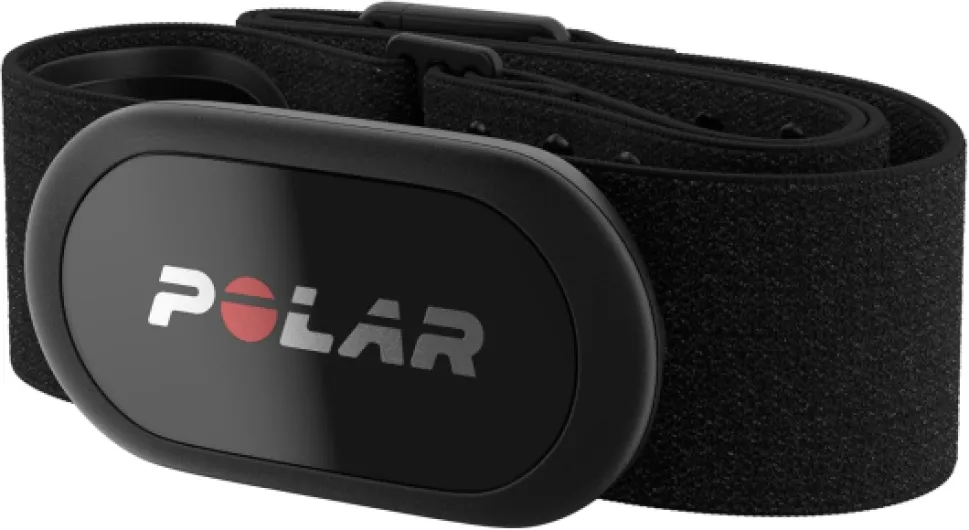
| Polar H10 | ANT+, Bluetooth | Up to 400 hours | Yes (30m) | ECG accuracy, memory for one session, updatable firmware |
| Wahoo Tickr | ANT+, Bluetooth | Up to 500 hours | Yes (IPX7) | Multiple device pairing, slim design |
| Scosche Rhythm+ | ANT+, Bluetooth | Up to 24 hours (rechargeable) | Yes (IP67) | Optical sensor, arm strap, no chest strap needed |
What Sets the HRM-Dual Apart?
- The dual ANT+ and Bluetooth connectivity means you can pair the HRM-Dual with a wide range of devices, from Garmin smartwatches to cycling computers and fitness apps on your phone.
- Its chest strap is known for comfort and durability, making it a favorite for long training sessions and cycling.
- The battery life is a major advantage. With up to 3.5 years on a single CR2032 battery, you avoid frequent replacements, which is ideal for regular users.
Considerations When Choosing a Heart Rate Strap
- If you need ECG-level accuracy or want onboard memory, the Polar H10 might be a better fit.
- For those who dislike chest straps, the Scosche Rhythm+ offers an arm-based sensor, though some users feel chest straps provide more consistent data.
- The Wahoo Tickr is praised for its slim design and easy pairing with multiple devices, but its battery life is similar to the HRM-Dual.
Real-World Feedback
On Amazon and other review platforms, the Garmin HRM-Dual receives high marks for reliability, ease of use, and compatibility with both Garmin and non-Garmin devices. Users often mention the comfort of the strap and the consistent heart rate data during intense training sessions. Some note that while it lacks advanced features like memory or ECG, its simplicity and long battery life make it one of the best choices for most athletes. In summary, the HRM-Dual stands out for its dual connectivity, long battery, and comfortable chest strap. While other chest straps like the Polar H10 and Wahoo Tickr offer unique features, the HRM-Dual remains a top pick for those seeking a reliable, straightforward heart rate monitor for cycling, running, and general training.Tips for getting the most out of your hrm-dual
Maximizing Accuracy and Comfort
To get the best results from your Garmin HRM-Dual heart rate monitor, proper placement and fit are crucial. The chest strap should sit just below your chest muscles, snug but not too tight. Moistening the sensor pads before wearing can help improve the connection and accuracy of heart rate data, especially during dry conditions or indoor training sessions.
Pairing with Devices for Seamless Data
The HRM-Dual supports both Bluetooth and ANT+ connectivity, making it compatible with a wide range of devices, including Garmin smartwatches, cycling computers, and popular fitness apps. When pairing, ensure your device’s Bluetooth or ANT+ is enabled and follow the manufacturer’s instructions for connecting a new heart rate sensor. This dual compatibility is especially useful if you switch between devices or platforms, such as using a Garmin watch for running and a cycling computer for rides.
Maintaining Your Chest Strap
- After each workout, detach the sensor from the strap and rinse the strap under running water. This helps prevent sweat buildup and extends the life of the chest strap.
- Hand wash the strap regularly with mild soap, but avoid harsh detergents or machine washing, which can damage the fabric and sensors.
- Allow the strap to air dry completely before reattaching the sensor or storing it.
Optimizing Battery Life
The HRM-Dual is known for its long battery life, often lasting up to 3.5 years with typical use. To maximize battery longevity, disconnect the sensor from the strap when not in use. If you notice inconsistent readings or connection issues, it might be time to replace the battery. The process is straightforward—simply open the battery compartment with a coin and insert a new CR2032 battery.
Using the HRM-Dual for Different Activities
Whether you’re cycling, running, or doing interval training, the HRM-Dual provides reliable heart rate data. For cycling, pairing with a compatible device via ANT+ ensures stable data transmission even in busy environments. For indoor training, Bluetooth connectivity makes it easy to sync with apps like Zwift or TrainerRoad. This versatility puts the HRM-Dual among the best chest straps for multi-sport athletes.
Comparing and Combining with Other Monitors
If you’re considering alternatives like the Polar H10, Wahoo Tickr, or Scosche Rhythm, remember that the HRM-Dual’s dual Bluetooth and ANT+ support gives it an edge for users with multiple devices. Some users prefer combining the HRM-Dual with wrist-based monitors for cross-checking data, especially during intense training sessions. Always check compatibility with your preferred devices and apps before making a purchase, whether on Amazon or through specialty retailers.