
Understanding the fenix series evolution
The journey from classic to cutting-edge
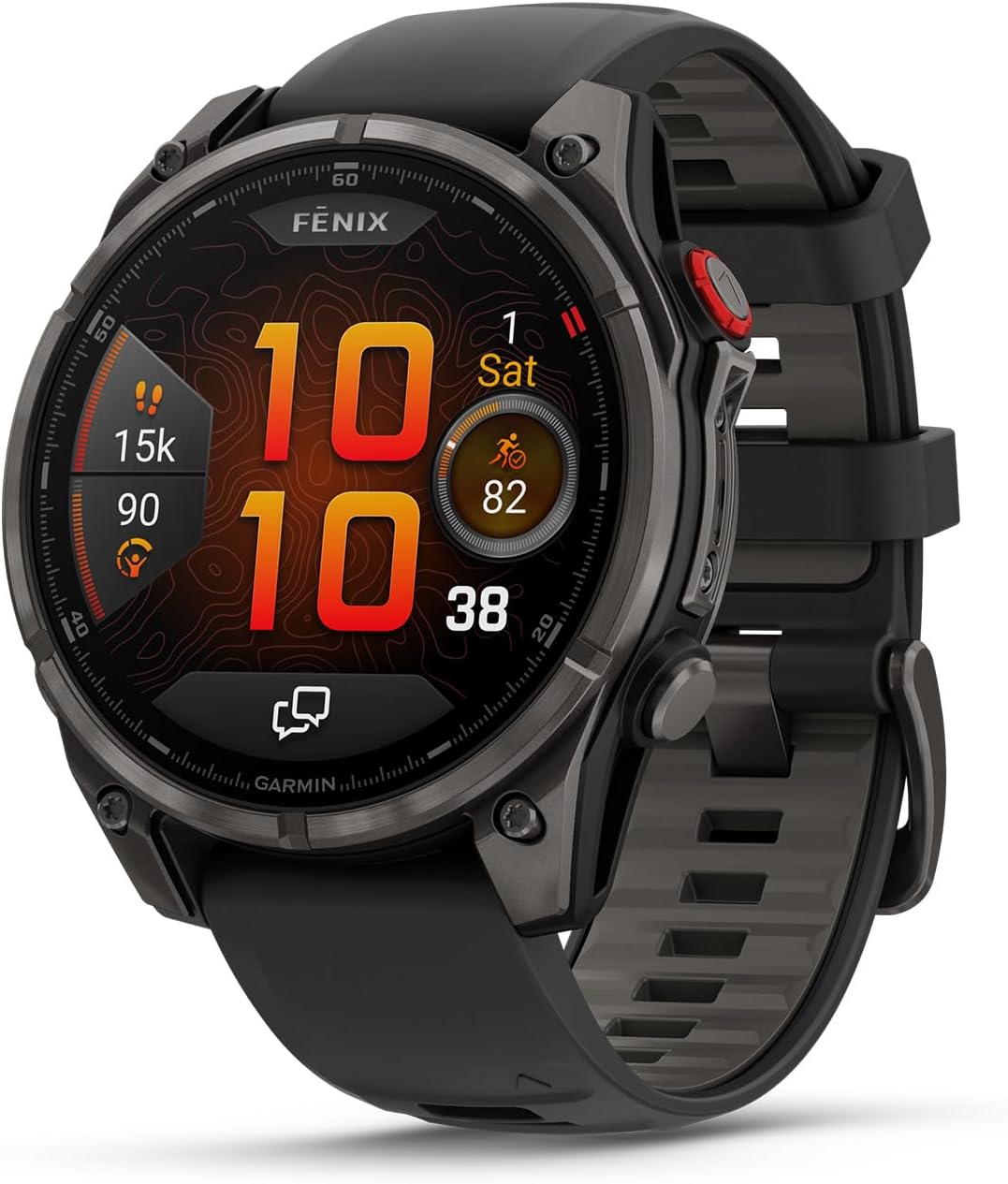
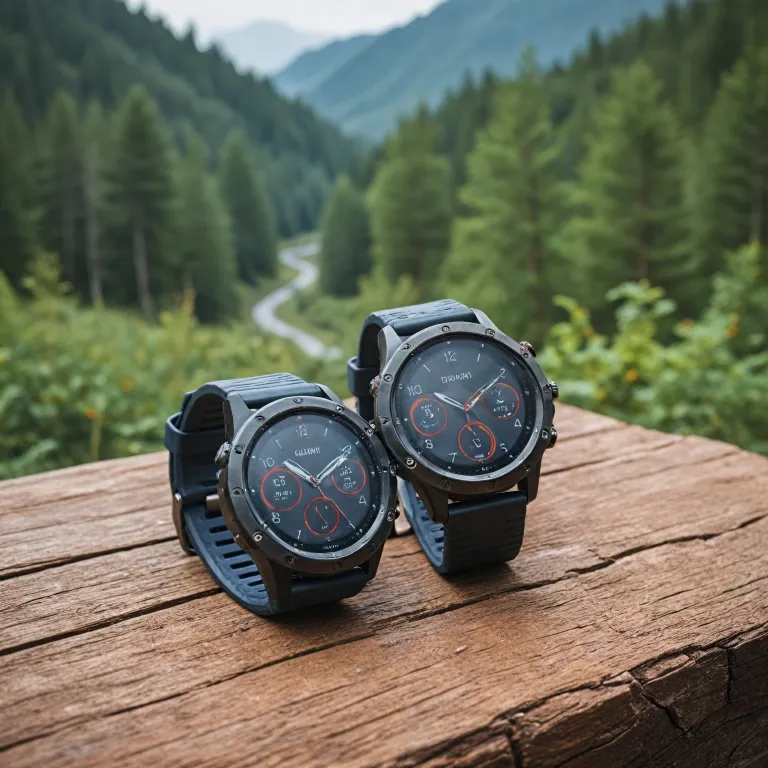
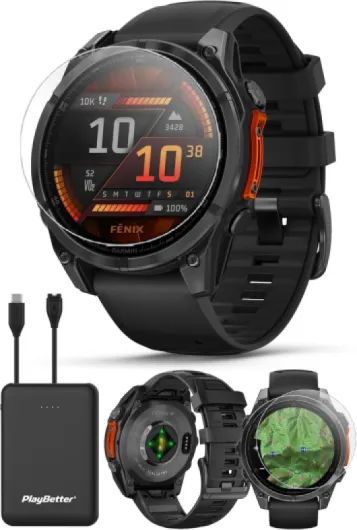
The Garmin Fenix series has become a benchmark for outdoor and multisport smartwatches, known for their rugged design, advanced GPS, and long battery life. Over the years, the series has evolved, introducing new models and features that appeal to athletes, adventurers, and tech enthusiasts alike. The Fenix lineup now includes options like the Fenix Pro, Fenix Solar, and the highly anticipated Fenix 8, each offering unique upgrades over previous generations.
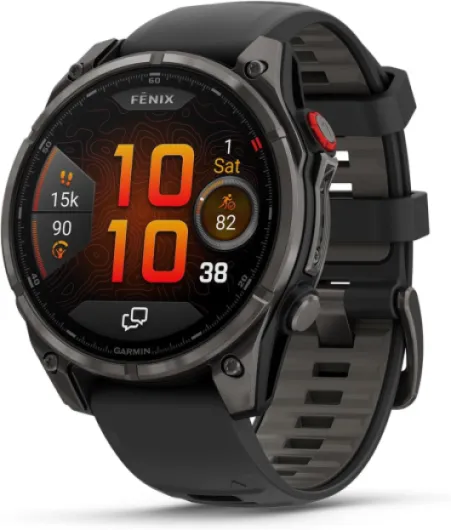
One of the most significant changes in recent Fenix models is the introduction of AMOLED display technology, previously seen in the Epix and Epix Pro lines. This shift brings brighter, more vibrant screens compared to the traditional MIP displays, making it easier to view stats and maps in various lighting conditions. The Fenix AMOLED and Solar Sapphire editions combine these visual improvements with solar charging capabilities, extending battery life for those who spend days outdoors.
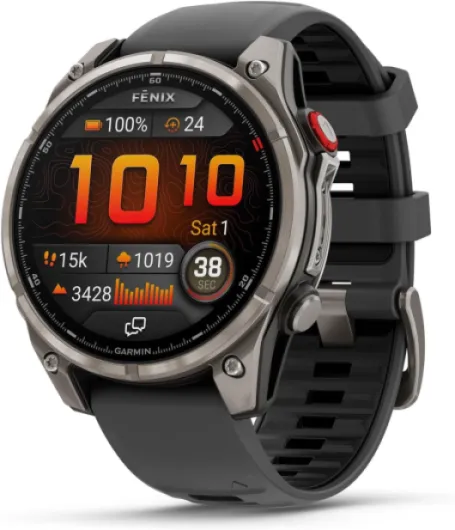
Material choices have also expanded. Garmin now offers Fenix watches in stainless steel, titanium, and sapphire glass variants, catering to users who prioritize durability or a premium look. The Fenix Pro and Solar Sapphire models, for example, feature steel titanium or titanium stainless builds, enhancing both style and resilience.
- Battery life: Continues to be a standout, with some Fenix models offering up to several weeks on a single charge, especially with solar charging.
- Health and fitness tracking: Heart rate monitoring, advanced GPS, and support for multiple satellite systems are now standard across the series.
- Smartwatch functions: Features like voice notes, smart notifications, and connectivity improvements have been added over time.
The Fenix series also stands out for its versatility. Whether you’re diving, hiking, or training for a marathon, there’s a Fenix model tailored to your needs. The addition of Pro Epix and Fenix AMOLED models shows Garmin’s commitment to blending performance with everyday smartwatch features, rivaling even the Apple Watch in some aspects.
For a deeper look at how Garmin’s ecosystem enhances the Fenix experience, check out this guide on the benefits of Garmin Connect for smartwatch users.
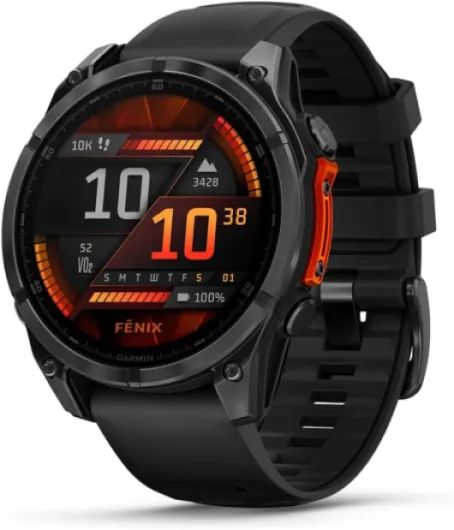
- + Écran AMOLED
- + Batterie durable
- + Résistante à l'eau
- + Lampe de poche intégrée
- + Design Premium

Design and display differences
Material Choices and Build Quality
The Garmin Fenix series is known for its rugged construction and premium materials. With the Fenix 7 and Fenix 8, you’ll find options like stainless steel, titanium, and sapphire glass. These materials not only enhance durability but also give the watch a premium feel. The sapphire models, for example, offer extra scratch resistance, which is ideal for outdoor enthusiasts. Titanium stainless options are lighter yet strong, making them comfortable for daily wear and extended activities.
Display Technology: AMOLED vs. MIP
One of the most noticeable differences between recent Fenix models is the display. The Fenix 7 series primarily uses a transflective memory-in-pixel (MIP) display, which is highly readable in direct sunlight and helps extend battery life. The Fenix 8 introduces an AMOLED display option, similar to what you’d find on the Epix Pro and even the Apple Watch. AMOLED screens deliver vibrant colors and deeper blacks, making the watch face pop, especially indoors. However, they can impact battery life compared to MIP displays.
- Fenix AMOLED: Brighter, more colorful, but may reduce battery life
- Fenix MIP: Excellent visibility outdoors, better for longer battery life
Size, Weight, and Comfort
Both Fenix 7 and Fenix 8 come in multiple case sizes, catering to different wrist sizes and preferences. The Pro and Solar editions add more options, including solar charging capabilities. Fenix Solar and Solar Sapphire models harness sunlight to extend battery life, which is a big plus for adventurers who spend days outdoors. The overall weight varies by material—titanium is lighter than stainless steel, and sapphire glass adds a bit of heft but increases durability.
Buttons, Touchscreen, and Usability
Garmin continues to refine the user interface. Both Fenix 7 and Fenix 8 offer a combination of physical buttons and touchscreen controls. This hybrid approach ensures you can navigate menus easily, even with gloves or wet hands. The tactile feedback from the buttons is reliable for activities like diving or hiking, where precision matters.
Customization and Style
Garmin Fenix models are highly customizable. You can choose from a variety of bands, watch faces, and even case finishes. The Pro and Sapphire editions offer more premium looks, while the standard models focus on practicality. Whether you want a watch for the office or the trail, there’s a Fenix that fits your style.
For a deeper dive into how Garmin Connect enhances your experience with these features, check out exploring the benefits of Garmin Connect for smartwatch users.
Performance and battery life
Real-World Performance and Battery Endurance
When comparing the latest Garmin Fenix models, performance and battery life are at the heart of what sets these watches apart. The Fenix series is known for its rugged build and reliable GPS, but each generation brings subtle improvements that can matter a lot for outdoor enthusiasts and athletes.
- Processor and Responsiveness: The Fenix 8 models feature a more responsive interface, thanks to updated processors. This means smoother transitions between menus and faster access to features, especially when using advanced tracking or mapping functions.
- Display Technology: The introduction of AMOLED display options in the Fenix 8 Pro and Fenix 8 AMOLED models brings vibrant colors and sharper visuals, similar to what you find on the Epix Pro or even the Apple Watch. However, these displays can impact battery life compared to the classic MIP (memory-in-pixel) screens found in earlier Fenix models.
- Battery Life: Battery endurance remains a key strength of the Fenix series. The Fenix 7 Solar and Fenix 8 Solar Sapphire models both offer solar charging, which can extend battery life by several days in sunny conditions. In standard use, the Fenix 8 Pro can last up to 18 days, while the solar versions push this even further. GPS mode varies by model, but you can expect between 40 and 80 hours depending on settings and satellite systems used.
- Material Impact: The choice between stainless steel, titanium, or sapphire glass not only affects durability but can also influence weight and comfort for long-term wear. Sapphire and titanium stainless options are popular for those seeking a premium feel and extra scratch resistance.
| Model | Display | Battery Life (Smartwatch Mode) | Battery Life (GPS Mode) | Solar Charging |
|---|---|---|---|---|
| Fenix 7 Pro Solar | MIP | Up to 22 days | Up to 73 hours | Yes |
| Fenix 8 Pro AMOLED | AMOLED | Up to 18 days | Up to 68 hours | Yes |
| Fenix 8 Sapphire Solar | MIP | Up to 24 days | Up to 80 hours | Yes |
| Epix Pro | AMOLED | Up to 16 days | Up to 42 hours | No |
For those who prioritize battery life above all, the Fenix Solar and Solar Sapphire models stand out. If you want a more vibrant display and are willing to charge a bit more often, the Fenix AMOLED and Epix Pro are compelling choices. The Fenix Pro line also introduces features like voice notes and improved dive tracking, making them versatile for both land and water activities.
Choosing between these models depends on your priorities: do you want the longest battery life, the brightest display, or a balance of both? For Android users considering alternatives, you might also want to explore the best Samsung smartwatches for Android users for a different take on smartwatch performance and features.
Health and fitness tracking features
Advanced Sensors and Tracking Capabilities
The Garmin Fenix series has built a strong reputation for its comprehensive health and fitness tracking features. Both the Fenix 7 and Fenix 8 models continue this tradition, offering robust sensor arrays that include heart rate monitoring, pulse oximeter, and advanced GPS tracking. These watches support multiple satellite systems for improved accuracy during outdoor activities, whether you are running, hiking, or diving. The inclusion of sapphire glass and titanium stainless options in select models ensures durability for intensive use.
Health Metrics and Daily Monitoring
With the Fenix 7 and 8, users benefit from continuous heart rate tracking, sleep monitoring, and stress measurement. The watches also provide VO2 max estimates, body battery energy monitoring, and hydration tracking. The Fenix 8 introduces refined algorithms for even more precise data, especially in areas like sleep stages and recovery time. For those who value long battery life, both series offer solar charging options—Fenix Solar and Solar Sapphire models can extend battery life by several days, depending on sunlight exposure and usage.
Fitness Features for Every Athlete
- Multi-Sport Tracking: Both Fenix 7 and 8 support a wide range of activities, from running and cycling to swimming and golf. The watches automatically recognize certain activities and provide detailed post-workout analysis.
- Dive and Outdoor Modes: Specialized modes for diving, climbing, and skiing are available. The Fenix Pro and Fenix 8 Pro models offer enhanced mapping and navigation features, leveraging the amoled display for better visibility in various conditions.
- Training and Recovery: Advanced training readiness, suggested workouts, and recovery time recommendations help users optimize their routines. The Fenix 8 series refines these features with improved sensors and software.
Comparing to Other Garmin and Competitor Models
When compared to the Epix Pro and Pro Epix, the Fenix models focus more on rugged outdoor performance, while the Epix line emphasizes vibrant amoled displays and lifestyle features. The Fenix 8’s amoled option narrows this gap, offering a brighter, more colorful display without sacrificing battery life. For those considering alternatives like the Apple Watch, the Fenix series stands out with its multi-day battery, solar charging, and advanced outdoor tracking capabilities.
Smart Features That Enhance Health Tracking
Beyond fitness, the Fenix 7 and 8 include smartwatch functions such as notifications, music storage, and voice notes (on select models). Connectivity options like Bluetooth, Wi-Fi, and ANT+ ensure seamless syncing with the Garmin Connect app and other devices. Sapphire and titanium stainless steel variants add a premium touch, while the pro and solar models cater to users who demand the best in durability and battery performance.
Smartwatch functions and connectivity
Everyday Smartwatch Tools
Both the Garmin Fenix 7 and Fenix 8 series offer a robust suite of smartwatch functions, making them more than just fitness trackers. You’ll find essentials like notifications for calls, messages, and calendar events. The watches support contactless payments through Garmin Pay, so you can leave your wallet at home. Music storage and streaming are available on most models, letting you sync playlists from popular services and listen via Bluetooth headphones.
Connectivity and Voice Features
Connectivity is a strong point for the Fenix series. Both generations support multi-band GPS and multiple satellite systems, ensuring accurate location tracking whether you’re in the city or on a remote trail. The newer Fenix 8 models introduce improved Bluetooth and Wi-Fi stability, making syncing data and downloading updates faster. Some Fenix 8 and Pro models now include voice features, such as voice notes and voice assistant integration, a step up from the Fenix 7. This addition brings the Fenix closer to the convenience found in mainstream smartwatches like the Apple Watch.
Display and Interface Upgrades
Display technology has evolved in the Fenix series. While the Fenix 7 uses a transflective MIP display for maximum battery life and readability in sunlight, the Fenix 8 introduces AMOLED display options in select models. The Fenix AMOLED and Pro Epix models offer vibrant colors and sharper graphics, enhancing the user experience for maps, notifications, and widgets. However, AMOLED displays can impact battery life compared to the traditional MIP screens.
Durability and Materials
Garmin continues to focus on durability. Both Fenix 7 and 8 models are built with rugged materials like stainless steel, titanium, and sapphire glass. The sapphire and solar sapphire options add extra scratch resistance and solar charging capabilities, extending battery life for those who spend days outdoors. The Fenix Solar and Solar Sapphire models are especially popular among adventurers who value longevity and resilience.
- Contactless payments (Garmin Pay)
- Music storage and streaming
- Smart notifications
- Voice assistant and voice notes (select Fenix 8 models)
- Multi-band GPS and satellite systems
- AMOLED and MIP display options
- Solar charging (select models)
- Durable materials: titanium, stainless steel, sapphire glass
Whether you choose the Fenix 7 or the latest Fenix 8, both series deliver a comprehensive smartwatch experience. The Fenix 8’s new features, like improved voice support and AMOLED display, may appeal if you want a more modern, connected watch. But the Fenix 7 remains a strong contender for those prioritizing battery life and proven reliability.
Price, value, and which to choose
Comparing Value Across Fenix Models
When choosing between the Garmin Fenix 7 and Fenix 8, price and value are often deciding factors. Both watches belong to the premium fenix series, known for their robust build, advanced features, and long battery life. However, subtle differences in design, display, and technology can influence which model is right for you.
- Materials and Build: The fenix models come in options like stainless steel, titanium, and sapphire glass. The Fenix 8 introduces more refined finishes, including titanium stainless and solar sapphire editions, which may increase the price but also enhance durability and style.
- Display Technology: The Fenix 8 offers an amoled display option, similar to the epix pro and fenix amoled models. This provides vibrant visuals but may affect battery life compared to the classic transflective display found in earlier fenix models.
- Battery and Solar Charging: Both watches offer impressive battery life, with the fenix solar and solar sapphire variants extending usage through solar charging. The Fenix 8 typically offers incremental improvements, supporting more days or hours of GPS use, which is ideal for those who need extended life between charges.
- Features and Connectivity: The Fenix 8 expands on smartwatch functions, adding features like voice notes and enhanced satellite systems for more accurate GPS tracking. These additions may justify the higher price for users who value connectivity and advanced navigation.
Which Watch Will Suit Your Needs?
If you prioritize the latest features, such as an amoled display, improved heart rate sensors, or advanced dive tracking, the Fenix 8 or fenix pro models might be worth the investment. For those who value proven reliability, long battery life, and a slightly lower price, the Fenix 7 remains a strong choice within the fenix series.
| Model | Key Features | Battery Life | Price Range |
|---|---|---|---|
| Fenix 7 | Stainless steel, solar charging, sapphire glass, classic display | Up to 18 days (solar models) | Lower |
| Fenix 8 | Titanium stainless, amoled display, voice notes, enhanced GPS, solar sapphire | Up to 20 days (solar models) | Higher |
Ultimately, your choice will depend on which features matter most. Whether you want the vibrant amoled display of the fenix amoled, the ruggedness of sapphire glass, or the extended battery life from solar charging, both the Fenix 7 and Fenix 8 offer excellent value for different needs. For those considering alternatives, models like the epix pro or even the apple watch may also be worth exploring, especially if you prioritize specific smartwatch functions over multi-sport performance.