
Understanding the garmin hrm-dual and its main features
What Makes the Garmin HRM-Dual Stand Out?
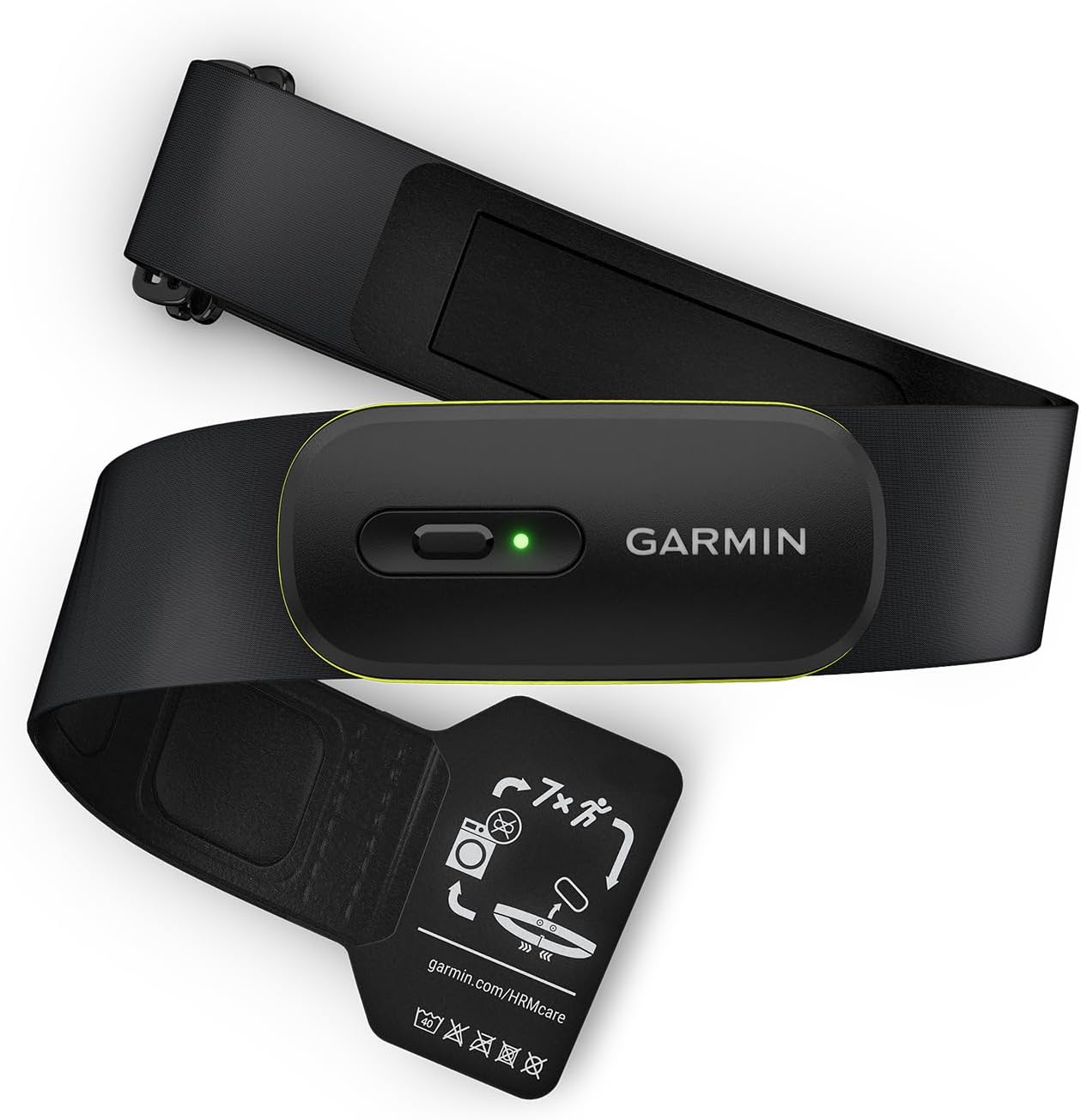
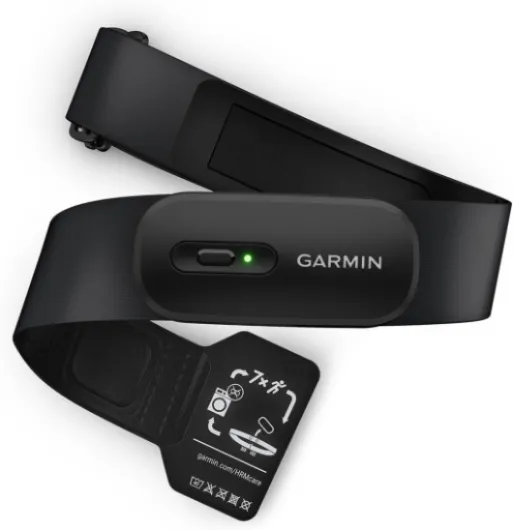
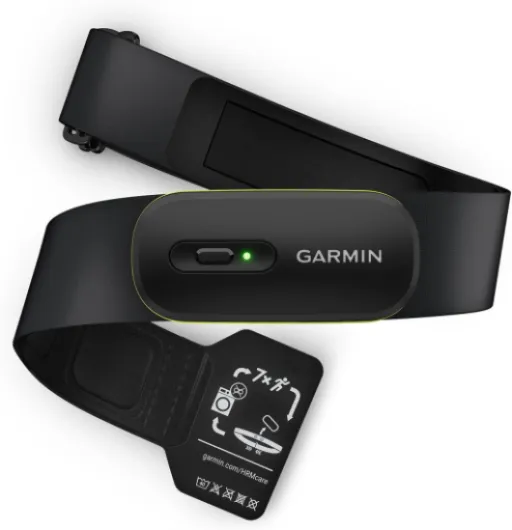
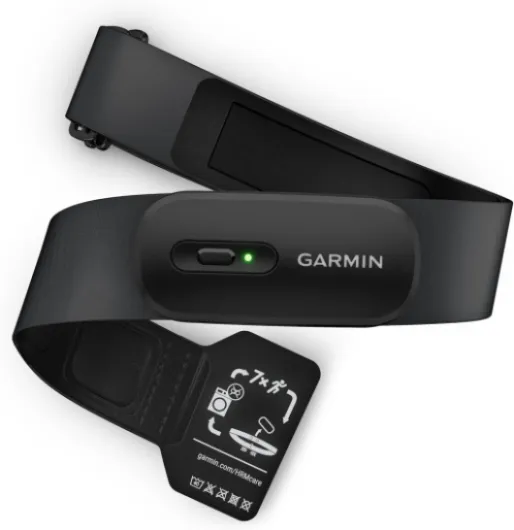
The Garmin HRM-Dual is a chest strap heart rate monitor designed for athletes and fitness enthusiasts who want accurate heart rate data during training. Unlike wrist-based sensors, a chest strap like the HRM-Dual sits snugly against your skin, providing more reliable readings, especially during intense workouts or cycling sessions.
Key Features and Technology
- Dual Transmission: The HRM-Dual supports both ANT+ and Bluetooth connectivity. This means you can pair it with a wide range of devices, including Garmin watches, smartwatches, cycling computers, and even popular fitness apps on your smartphone.
- Comfortable Chest Strap: The soft, adjustable strap is designed for comfort, even during long training sessions. The strap is washable, and the sensor module can be easily removed for cleaning.
- Long Battery Life: The HRM-Dual is powered by a standard coin cell battery, offering up to 3.5 years of battery life with typical use. This is a significant advantage over some rechargeable models that require frequent charging.
- Accurate Heart Rate Monitoring: The chest strap uses ECG technology to deliver precise heart rate data, which is essential for tracking performance and optimizing training zones.
- Compatibility: The dual ANT+ and Bluetooth support ensures the HRM-Dual works with a variety of devices, including Garmin smartwatches, cycling computers, and third-party apps. It’s also compatible with popular platforms like Zwift, Wahoo, and Polar devices.
Who Should Consider the HRM-Dual?
If you’re serious about your training, whether it’s running, cycling, or gym workouts, the HRM-Dual offers a reliable way to monitor your heart rate. It’s especially useful for those who want to pair their heart rate monitor with multiple devices at once, thanks to its dual connectivity. The HRM-Dual is also a solid choice if you’re looking for a long battery life and a comfortable chest strap that won’t get in the way during exercise.
For those interested in exploring compatible smartwatches, you might want to check out the features of the Garmin Forerunner 55, which pairs seamlessly with the HRM-Dual for enhanced training insights.
How Does It Compare?
While there are other heart rate monitors on the market, such as the Wahoo Tickr, Polar H10, and Scosche Rhythm, the Garmin HRM-Dual stands out for its reliable dual ANT+ and Bluetooth connectivity, long battery life, and comfortable design. Later in this article, we’ll look at how it stacks up against these alternatives and what real users have to say about its performance.

How the garmin hrm-dual connects with smartwatches
Connecting the HRM-Dual with Your Smartwatch
The Garmin HRM-Dual is designed for seamless integration with a wide range of smart devices, especially smartwatches. Its main advantage is dual transmission, meaning it supports both ANT+ and Bluetooth connectivity. This makes it compatible with most Garmin watches, as well as other brands like Polar, Wahoo, and even some cycling computers and fitness apps.
- ANT+ and Bluetooth: The HRM-Dual can connect to multiple devices at once. For example, you can pair it with your Garmin watch via ANT+ while also sending heart rate data to a smartphone app over Bluetooth.
- Easy Pairing: To connect, simply put on the chest strap, activate the heart rate monitor, and search for new sensors in your watch’s settings. Most Garmin watches will detect the HRM-Dual quickly. For other brands, check if your device supports Bluetooth or ANT+ heart rate monitors.
- Reliable Data Transmission: The dual technology ensures stable and accurate heart rate data during workouts, whether you’re running, cycling, or training indoors.
- Battery Life: The HRM-Dual uses a standard coin cell battery, offering up to 3.5 years of battery life with typical use. This means you won’t have to worry about frequent charging, even with regular training sessions.
Compatibility with Different Devices
The HRM-Dual is not limited to Garmin devices. It works with a variety of smartwatches and fitness trackers that support external heart rate monitors. This includes popular models from Polar, Wahoo, and even some newer smartwatches from other brands. The chest strap is adjustable and comfortable, making it suitable for long training sessions or cycling events.
If you want to explore more about Garmin watches and their compatibility with accessories like the HRM-Dual, check out this guide to Garmin watch features.
Why Choose Dual Connectivity?
Dual connectivity is a key reason many athletes and fitness enthusiasts prefer the HRM-Dual. It allows you to connect to multiple devices at once, so you can track your heart rate on your watch, cycling computer, and smartphone app simultaneously. This flexibility is especially useful for those who use different devices for different types of training, or who want to back up their data across platforms.
Compared to other chest straps like the Wahoo Tickr or Polar H10, the HRM-Dual stands out for its long battery life, reliable data transmission, and broad compatibility. For those who value accurate heart rate monitoring and easy integration with their smart devices, the HRM-Dual is a strong choice.
User experiences and real-world performance
Everyday Use and Comfort
Many users highlight the comfort of the Garmin HRM-Dual chest strap during daily activities and intense workouts. The soft, adjustable strap fits snugly without causing irritation, even during long cycling or running sessions. The lightweight design means you often forget you’re wearing it, which is a big plus for those who train frequently.
Accuracy and Data Reliability
When it comes to heart rate monitoring, accuracy is crucial. The HRM-Dual is praised for delivering consistent and precise heart rate data, whether you’re using it for steady-state cardio or high-intensity interval training. Its dual ANT+ and Bluetooth connectivity ensures that data is transmitted reliably to a wide range of devices, including smartwatches, cycling computers, and fitness apps. This makes it a popular choice among athletes who demand trustworthy performance from their heart rate monitor chest straps.
Battery Life and Maintenance
One of the standout features is the long battery life. The HRM-Dual can last up to 3.5 years on a single CR2032 battery, depending on usage. This means less hassle with frequent battery changes, which is often mentioned in user reviews as a major advantage over some other heart rate monitors. The strap is also easy to clean, and the module can be detached for washing, helping to maintain comfort and hygiene over time.
Connectivity with Devices
Users appreciate the seamless pairing process with both Garmin and non-Garmin devices. Thanks to its dual Bluetooth and ANT+ support, the HRM-Dual works with a variety of smartwatches, cycling computers, and fitness apps. This flexibility is especially valued by those who use multiple devices or switch between brands like Polar, Wahoo Tickr, and Scosche Rhythm. For more on how smartwatches interact with external sensors, check out this guide to smartwatch controls.
Performance in Different Activities
- Running: The HRM-Dual provides stable heart rate readings, even during sprints or interval training.
- Cycling: Cyclists value the reliable connection to bike computers and the accurate data during long rides.
- Gym Workouts: The chest strap stays in place during weightlifting or HIIT, and the data syncs easily with compatible devices.
Comparison to Other Heart Rate Monitors
Compared to alternatives like the Wahoo Tickr, Polar H10, and Scosche Rhythm, the Garmin HRM-Dual stands out for its combination of comfort, long battery life, and dual connectivity. While some users note that optical sensors in smartwatches are more convenient, the chest strap still leads in accuracy, especially for serious training and ECG-level data tracking.
Comparing the garmin hrm-dual with other heart rate monitors
How the Garmin HRM-Dual Stacks Up Against Other Heart Rate Monitors
When comparing the Garmin HRM-Dual to other heart rate monitors, several factors stand out: connectivity, comfort, battery life, and data accuracy. Here’s a closer look at how the HRM-Dual performs against popular alternatives like the Polar H10, Wahoo Tickr, and Scosche Rhythm.- Connectivity: The HRM-Dual supports both ANT+ and Bluetooth, making it compatible with a wide range of smart devices, watches, and training apps. This dual connectivity is a major advantage over some older chest straps that only offer one protocol.
- Comfort and Fit: The soft chest strap is adjustable and designed for long sessions, whether you’re cycling, running, or training indoors. Many users find it less intrusive than bulkier monitor chest straps.
- Battery Life: With a long battery life of up to 3.5 years (using a standard CR2032 battery), the HRM-Dual outlasts many rechargeable options. This is especially useful for athletes who don’t want to worry about frequent charging.
- Data Accuracy: As a chest strap, the HRM-Dual delivers ECG-level heart rate data, which is generally more reliable than wrist-based monitors. It’s comparable to the Polar H10 and Wahoo Tickr in terms of real-time accuracy, especially during high-intensity workouts.
| Model | Connectivity | Battery Life | Water Resistance | Key Feature |
|---|---|---|---|---|
| Garmin HRM-Dual | ANT+, Bluetooth | Up to 3.5 years | Yes | Dual connectivity, long battery |
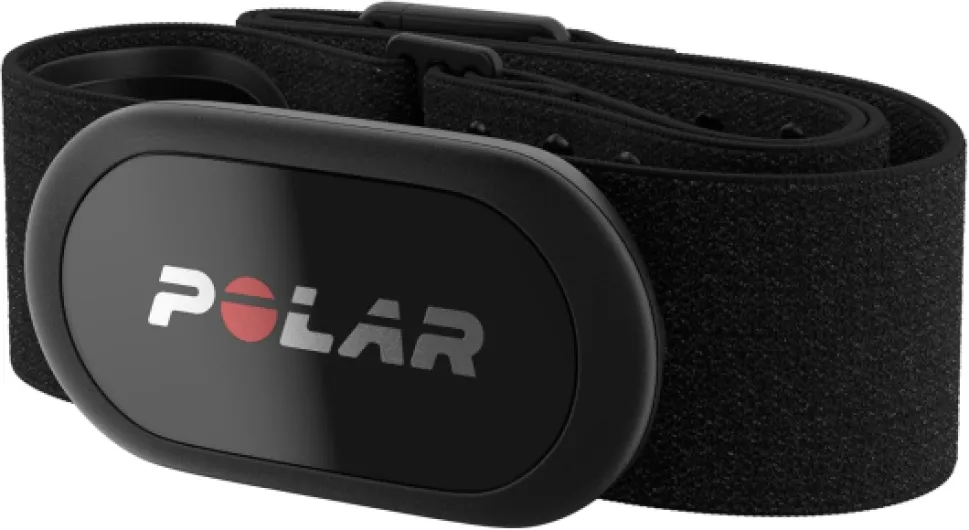
| Polar H10 | ANT+, Bluetooth | Up to 400 hours | Yes | Internal memory, ECG accuracy |
| Wahoo Tickr | ANT+, Bluetooth | Up to 500 hours | Yes | Lightweight, multiple device pairing |
| Scosche Rhythm+ | ANT+, Bluetooth | Up to 24 hours (rechargeable) | Yes | Optical sensor, arm strap |
What Sets the HRM-Dual Apart?
The HRM-Dual’s main strength is its reliable dual ANT+ and Bluetooth connectivity, which ensures compatibility with most smartwatches, cycling computers, and fitness apps. Its chest strap design provides consistent ECG-level heart rate data, making it a trusted choice for athletes who prioritize accuracy during training. While it doesn’t offer internal memory like the Polar H10 or rechargeable batteries like the Scosche Rhythm, its long battery life and ease of use make it a solid pick for most users. If you’re looking for a dependable heart rate monitor that works seamlessly with a variety of devices and offers long-term value, the Garmin HRM-Dual is a strong contender among chest straps and dual heart rate monitors.Tips for getting the most out of your garmin hrm-dual
Optimizing Fit and Comfort
Getting accurate heart rate data starts with the right fit. The Garmin HRM-Dual chest strap should be snug but not too tight. Adjust the strap so it sits flat against your skin, just below your chest muscles. Moistening the sensors slightly before putting it on can help improve the connection, especially during dry conditions or in winter.
Maximizing Battery Life
The HRM-Dual is known for its long battery life, but you can make it last even longer by disconnecting it from your devices when not in use. Remove the chest strap after workouts and wipe it down to prevent sweat buildup, which can affect both comfort and battery. If you notice inconsistent readings, it might be time to replace the battery—a simple process with a coin cell battery (CR2032).
Ensuring Reliable Connectivity
This heart rate monitor uses both ANT+ and Bluetooth, making it compatible with a wide range of smartwatches, cycling computers, and fitness apps. For best results, pair the HRM-Dual with only one Bluetooth device at a time. If you use multiple devices, ANT+ allows simultaneous connections, which is ideal for multi-device setups like indoor cycling or triathlon training.
Making the Most of Your Training Data
- Regularly sync your workouts to your preferred app or watch to analyze trends and progress.
- Use the HRM-Dual’s accurate data to fine-tune your training zones, whether you’re running, cycling, or doing interval workouts.
- Compare your heart rate data with other metrics like pace, power, or perceived exertion for a more complete training review.
Care and Maintenance for Longevity
- Hand wash the chest strap regularly with mild soap and air dry it to prevent odor and maintain elasticity.
- Avoid machine washing or drying, as this can damage the sensors and fabric.
- Store the HRM-Dual in a cool, dry place when not in use to protect the electronics and prolong battery life.
Pairing with Different Devices
The HRM-Dual works seamlessly with most Garmin watches, but it’s also compatible with other brands like Polar, Wahoo Tickr, and even smart devices that support ANT+ or Bluetooth. If you switch between devices, remember to unpair from one before connecting to another via Bluetooth to avoid connection issues. For group training or cycling classes, ANT+ is often the better choice for stable, multi-device connections.
Comparing with Other Heart Rate Monitors
While the HRM-Dual is praised for its reliability and comfort, some users may consider alternatives like the Polar H10, Wahoo Tickr, or Scosche Rhythm. Each has its own strengths, such as ECG accuracy or optical sensors. However, the dual Bluetooth and ANT+ support, combined with a long battery and robust chest strap design, make the Garmin HRM-Dual a solid choice for most users seeking a dependable heart rate monitor for training and daily use.
Frequently asked questions about the garmin hrm-dual
Can the Garmin HRM-Dual work with different devices?
Yes, the Garmin HRM-Dual is designed for broad compatibility. Thanks to its dual transmission technology, it supports both ANT+ and Bluetooth. This means you can pair the chest strap with a wide range of smartwatches, cycling computers, fitness apps, and even gym equipment. Whether you use a Garmin watch, a Wahoo Tickr, or a Polar device, the HRM-Dual can usually connect without issues. Always check your device’s compatibility with ANT+ or Bluetooth before pairing.
How long does the battery last and how do you replace it?
The HRM-Dual is known for its long battery life. On average, the battery can last up to 3.5 years with typical use. The chest strap uses a standard CR2032 coin cell battery, which is easy to replace. Simply unscrew the battery compartment on the back of the monitor, swap the battery, and you’re ready to go. No need for special tools or a trip to the service center.
Is the HRM-Dual waterproof?
The HRM-Dual is water resistant, making it suitable for activities like running in the rain or sweaty training sessions. However, it is not recommended for swimming or prolonged submersion. For swimming, consider a model specifically designed for water use, such as the Garmin HRM-Pro.
How accurate is the heart rate data?
Chest straps like the HRM-Dual are widely regarded as more accurate than wrist-based monitors, especially during intense training or cycling. The direct contact with your chest allows for reliable ECG-based heart rate readings. Many reviews and comparisons with other heart rate monitors, such as the Polar H10 or Scosche Rhythm, confirm the HRM-Dual’s strong performance in real-world scenarios.
Can I use the HRM-Dual for indoor cycling or gym workouts?
Absolutely. The HRM-Dual’s ANT+ and Bluetooth connectivity make it easy to pair with smart trainers, gym equipment, and fitness apps. This flexibility is a big advantage for those who train both indoors and outdoors. Just make sure your equipment supports one of the two wireless protocols.
What should I do if the strap loses connection or gives erratic readings?
- Check the battery: A low battery can cause connection issues or inaccurate data.
- Moisten the electrodes: Dry electrodes may not pick up your heart rate properly. Dampen them slightly before use.
- Adjust the fit: The chest strap should be snug but comfortable. A loose strap can lead to signal drops.
- Clean the strap: Sweat and dirt can affect performance. Hand wash the strap regularly and let it air dry.
How does the HRM-Dual compare to other chest straps?
The HRM-Dual stands out for its dual Bluetooth and ANT+ support, long battery life, and reliable heart rate monitoring. While models like the Polar H10 or Wahoo Tickr offer similar features, the HRM-Dual is praised for its simplicity and broad compatibility. For those who need advanced metrics or swimming support, other models like the HRM-Pro or Polar H10 might be worth considering.