
Understanding the main differences between solar and AMOLED displays
How Solar and AMOLED Displays Shape the Fenix Experience
When comparing the latest Garmin Fenix models, the choice between solar and AMOLED displays is a major decision point. Both technologies have their strengths, and understanding them helps you pick the right watch for your lifestyle.
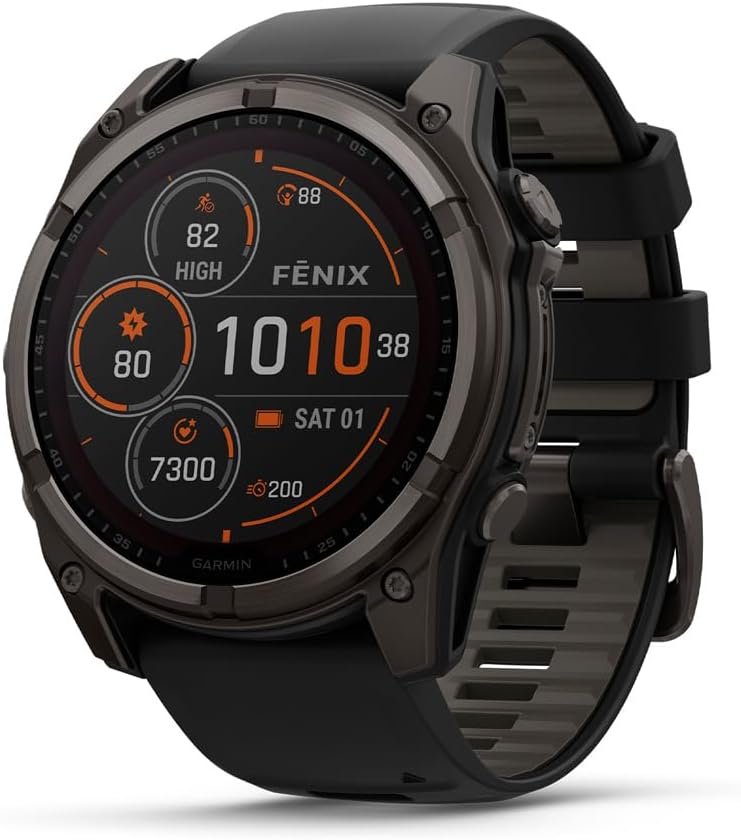
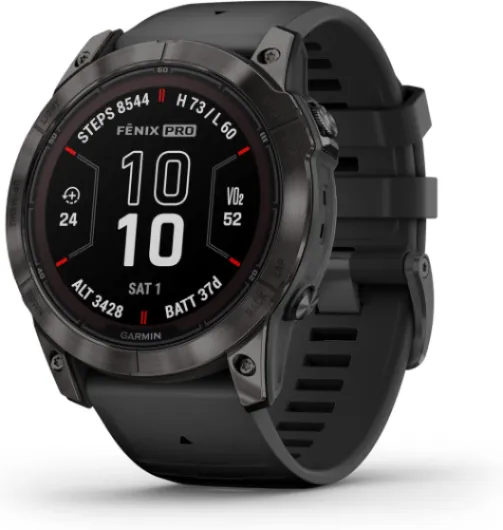
- AMOLED Display: The AMOLED screen, found in the Fenix AMOLED and Fenix Pro models, delivers vibrant colors, deep blacks, and sharp contrast. This makes it visually stunning, especially for those who value a modern look and crisp graphics. The AMOLED sapphire version adds extra scratch resistance with sapphire glass, while some models use Gorilla Glass for durability.
- Solar Display: The solar version of the Fenix series uses a MIP (Memory-In-Pixel) screen, which is less flashy but highly efficient. The key feature here is solar charging, allowing the watch to extend its battery life by converting sunlight into energy. The solar sapphire model combines this tech with a tough sapphire lens for added protection.
Both display types are available across several Fenix models, so you can choose based on your needs for battery life, screen quality, and durability. The AMOLED screen is ideal for those who want a bright, always-on display, while the solar MIP display is perfect for outdoor enthusiasts who prioritize longer battery life and visibility in direct sunlight.
For a deeper dive into how these display technologies affect heart rate and fitness tracking, check out this comprehensive guide to Garmin HRM Dual.
As you explore the Fenix series, consider how display type influences not just the look of your watch, but also its performance in different environments and its impact on battery life and features. The right choice will depend on your daily routine, outdoor activity level, and personal preferences for screen quality and longevity.
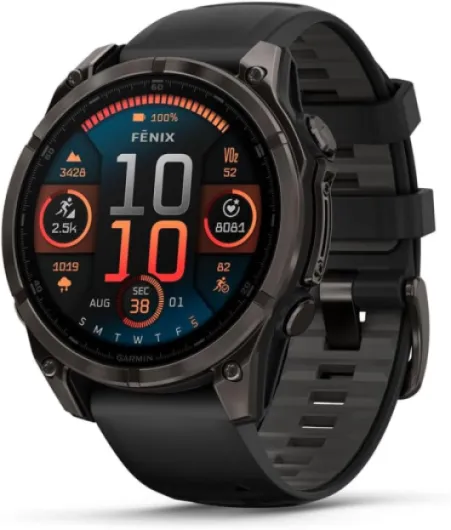
- + AMOLED display
- + Sapphire glass
- + Long-lasting battery
- + Dive-rated
- + Built-in LED flashlight

Battery life and charging: what to expect from each model
How Long Will the Battery Last on Each Watch?
Battery life is a major factor when choosing between the Garmin Fenix 8 Solar and the AMOLED version. The Fenix series is known for its impressive endurance, but the type of display—solar-powered MIP or vibrant AMOLED—makes a real difference in daily use.
- Fenix Solar models use a memory-in-pixel (MIP) screen, which is highly efficient. With solar charging, these watches can extend their battery life by harnessing sunlight. In smartwatch mode, you can expect up to 18-22 days, depending on usage and sunlight exposure. For those who spend a lot of time outdoors, the solar sapphire glass can add extra days to your charge cycle.
- Fenix AMOLED models feature a bright, colorful AMOLED display. While this screen is stunning, it does consume more power. Most users report battery life between 6-11 days in standard mode, depending on settings and features used. The AMOLED sapphire version offers the same battery performance, but with added scratch resistance thanks to sapphire or Gorilla Glass.
Garmin has optimized both versions for endurance, but the solar charging feature in the Fenix Solar gives it a clear edge for those who want to minimize charging. If you use GPS tracking or advanced features like dive mode, expect battery life to decrease on both models, but the solar version will still last longer between charges.
Charging Experience and Everyday Convenience
Charging habits will differ based on your choice. The Fenix Solar can often go weeks without needing a cable, especially if you’re outside regularly. The AMOLED Fenix, while still impressive compared to many smartwatches, will need more frequent charging—think every week or so, depending on your activity and screen settings.
Both models use Garmin’s proprietary charging cable, and a full charge typically takes around two hours. It’s worth noting that battery longevity can be affected by features like always-on display, GPS, and music playback. The Fenix Pro and Enduro models offer similar battery profiles, so if you’re comparing across the Fenix series, the pattern holds: solar means longer life, AMOLED means more frequent charging.
For a deeper look at how Garmin watches perform in real-world scenarios, you can check out this guide on the versatility of Garmin watches.
| Model | Display Type | Battery Life (Smartwatch Mode) | Solar Charging | Glass Options |
|---|---|---|---|---|
| Fenix 8 Solar | MIP (with solar) | 18-22 days | Yes | Sapphire, Gorilla Glass |
| Fenix 8 AMOLED | AMOLED | 6-11 days | No | Sapphire, Gorilla Glass |
Ultimately, your choice comes down to priorities: if you want maximum battery life and less frequent charging, the Fenix Solar is the clear winner. If you prefer a vibrant screen and don’t mind charging more often, the AMOLED Fenix is a strong contender. Both models are built for year-round use and offer the robust features Fenix watches are known for.
Display quality and outdoor visibility
How Each Display Performs in Sunlight and Everyday Use
When comparing the Garmin Fenix 8 Solar and the AMOLED version, the type of display plays a big role in how you experience the watch day to day. The Fenix series has long used MIP (Memory-In-Pixel) screens, which are known for their excellent outdoor visibility. The Fenix Solar models continue this trend, offering a screen that remains readable even under direct sunlight. This is especially useful for outdoor athletes and hikers who spend hours outside, as the display stays clear without needing to boost brightness, helping preserve battery life.
On the other hand, the Fenix AMOLED models introduce a vibrant amoled display, which stands out for its rich colors and deep contrast. The amoled screen is stunning indoors or in shaded environments, making data and notifications pop. However, under intense sunlight, AMOLED displays can sometimes struggle, requiring higher brightness settings that can impact battery life. If you’re often outdoors, this is something to consider.
- Fenix Solar (MIP display): Best for outdoor visibility, even in bright sunlight. Less glare, more battery efficiency.
- Fenix AMOLED: Superior color and clarity indoors, but may require manual brightness adjustments outside.
Both versions offer sapphire or gorilla glass options for screen protection, so durability isn’t compromised. The sapphire glass is more scratch-resistant, while gorilla glass is lighter and slightly less expensive. If you’re looking for a watch that can handle rough conditions year after year, both glass types on these models are up to the task.
Some users may also consider the always-on mode available in both versions. On the Fenix Solar, always-on doesn’t affect battery life much, thanks to the efficient MIP screen and solar charging. With the AMOLED Fenix, always-on mode is possible, but it will reduce battery life more noticeably.
For those who want to dive deeper into how different smartwatches handle fitness tracking and display visibility, check out this in-depth guide to Google Fit watch benefits.
In summary, your choice between the Fenix Solar and AMOLED versions will depend on where and how you use your watch most. Outdoor adventurers may lean toward the solar MIP display, while those prioritizing vibrant visuals and indoor use may prefer the AMOLED screen.
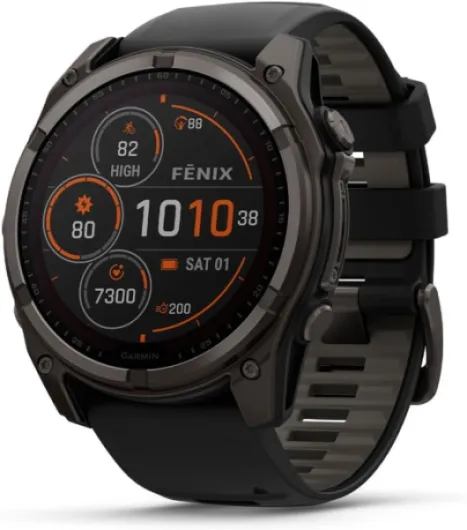
- + 51 mm display
- + Solar-powered battery
- + Sapphire glass
- + Multi-sport functionality
- + Long-lasting battery life
Fitness and health tracking features
Comprehensive Health and Fitness Tracking
When it comes to fitness and health tracking, both the Garmin Fenix 8 Solar and AMOLED models deliver a robust suite of features. The Fenix series is known for its advanced sensors and tracking capabilities, making it a top choice for athletes and outdoor enthusiasts. Whether you choose the solar or AMOLED version, you’ll find core features like heart rate monitoring, Pulse Ox, sleep tracking, and stress measurement. The watches also support a wide range of sports modes, from running and cycling to swimming and even diving, thanks to their water resistance and dive features.
Differences in Sensor Integration and Data Visualization
The main difference between the Fenix Solar and AMOLED models lies in how data is presented. The AMOLED display offers vibrant colors and crisp graphics, making it easier to read complex health stats and workout summaries at a glance. This is especially noticeable when viewing detailed charts or maps during activities. On the other hand, the MIP (memory-in-pixel) screen on the solar version is designed for maximum battery life and outdoor visibility, which can be crucial for multi-day adventures where charging opportunities are limited.
- AMOLED Fenix: Enhanced visuals for health metrics, better for indoor use and quick glances at detailed data.
- Fenix Solar: Prioritizes longevity and readability in direct sunlight, ideal for long expeditions.
Advanced Training and Recovery Tools
Both models include Garmin’s advanced training tools, such as VO2 max estimation, training load, and recovery time suggestions. The Fenix Pro and Enduro lines, as well as the latest Fenix 8 versions, continue to refine these features. You’ll also find support for multi-band GPS, which improves accuracy during outdoor activities. The watches track daily activity, steps, calories, and even hydration, helping you maintain a balanced lifestyle throughout the year.
Health Monitoring in Different Environments
Choosing between AMOLED and solar sapphire or Gorilla Glass comes down to your lifestyle. If you spend most of your time outdoors, the solar charging and MIP display will keep your watch running for more days, even in expedition mode. For those who value a premium look and vibrant screen, the AMOLED sapphire or Gorilla Glass models offer a more modern experience without sacrificing core health features.
In summary, the Fenix series, whether solar or AMOLED, provides comprehensive health and fitness tracking. The choice between models depends on your preference for display quality, battery life, and how you plan to use your Garmin watch during workouts and daily life.
Durability and design considerations
Build Quality and Materials
When it comes to durability, the Garmin Fenix series stands out for its robust construction. Both the Fenix Solar and Fenix AMOLED models are built to handle tough environments, but there are some notable differences in materials and design options. Many Fenix watches, including the latest versions, offer sapphire glass or Gorilla Glass for the screen. Sapphire glass is highly scratch-resistant, making it a top choice for those who plan to use their watch in rugged conditions or during outdoor activities. Gorilla Glass, while durable, is generally less resistant to scratches compared to sapphire.
Water Resistance and Outdoor Use
Garmin Fenix models are designed with adventure in mind. Most versions, whether you choose a solar or AMOLED display, come with a water resistance rating suitable for swimming, showering, and even diving. Some Fenix watches include dive features, which can be a significant advantage for water sports enthusiasts. The Fenix Pro and Enduro models, for example, are built for endurance and extreme conditions, making them reliable companions for year-round use.
Weight, Comfort, and Style
Comfort is important for daily wear, especially if you plan to use the watch for fitness tracking or sleep monitoring. The Fenix AMOLED models tend to be slightly heavier due to the screen technology and battery requirements. However, Garmin offers various band materials and sizes across the Fenix series, so you can find a fit that suits your wrist and lifestyle. The design of the Fenix Solar and AMOLED versions is rugged yet stylish, with options for both classic and modern looks. If you prefer a lighter watch, some models with MIP (memory-in-pixel) displays may be more comfortable for all-day wear.
Longevity and Maintenance
Choosing between solar and AMOLED versions also impacts the long-term life of your watch. Solar charging can extend battery life, reducing the need for frequent charging and potentially increasing the lifespan of the battery. AMOLED screens, while vibrant, may require more care to avoid burn-in over the years. Regular maintenance, such as cleaning the band and screen, will help keep your Fenix watch in top condition, regardless of the model you choose.
- Sapphire glass: Best for scratch resistance and durability
- Solar charging: Extends battery life and reduces charging cycles
- AMOLED display: Offers vibrant visuals but may need more careful handling
- Water resistance: Suitable for swimming and diving in most Fenix models
Price and value for money
Comparing Cost and Long-Term Value
When deciding between the Garmin Fenix 8 Solar and the AMOLED version, price is a significant factor. Both models are premium watches in the Fenix series, but their costs can vary depending on the display technology, materials, and extra features.
- Fenix 8 Solar: Typically, the solar models are priced higher due to the solar charging capability. This feature can extend battery life by several days, especially in outdoor or expedition mode, which may justify the extra investment for those who spend a lot of time outside.
- Fenix 8 AMOLED: The AMOLED display brings vibrant colors and sharpness, but it can be more expensive if you choose the sapphire glass version. The standard AMOLED model with Gorilla Glass is usually more affordable than the sapphire or solar sapphire editions.
Garmin offers several versions within each model, such as Pro, Sapphire, and Solar Sapphire. The price increases with each upgrade, mainly due to the materials used (like sapphire glass for extra scratch resistance) and added features. For example, the Fenix 8 Pro Solar Sapphire combines solar charging with a sapphire screen, making it one of the most expensive options in the lineup.
| Model | Display | Glass Type | Approximate Price (USD) |
|---|---|---|---|
| Fenix 8 Solar | MIP (Memory-In-Pixel) | Gorilla Glass or Sapphire | $800 - $1,000 |
| Fenix 8 AMOLED | AMOLED | Gorilla Glass or Sapphire | $900 - $1,100 |
| Fenix 8 Pro Solar Sapphire | MIP | Sapphire | $1,100+ |
| Fenix 8 AMOLED Sapphire | AMOLED | Sapphire | $1,200+ |
Prices can fluctuate based on region, year, and retailer. For example, Amazon often lists multiple versions of the Fenix watches, sometimes with discounts on previous generation models. If you are looking for the best value, consider which features Fenix you will actually use. For instance, if you do not need dive features or solar charging, a standard AMOLED Fenix might offer the best balance of price and performance.
In terms of long-term value, the durability of sapphire glass and the extended battery life from solar charging can make a difference over several years of use. The Fenix series is known for its rugged build, and both the AMOLED and solar models are designed to last, but your choice should reflect your priorities—whether it’s display quality, battery life, or advanced features.