

Understanding the running dynamics pod
What is a Running Dynamics Pod?
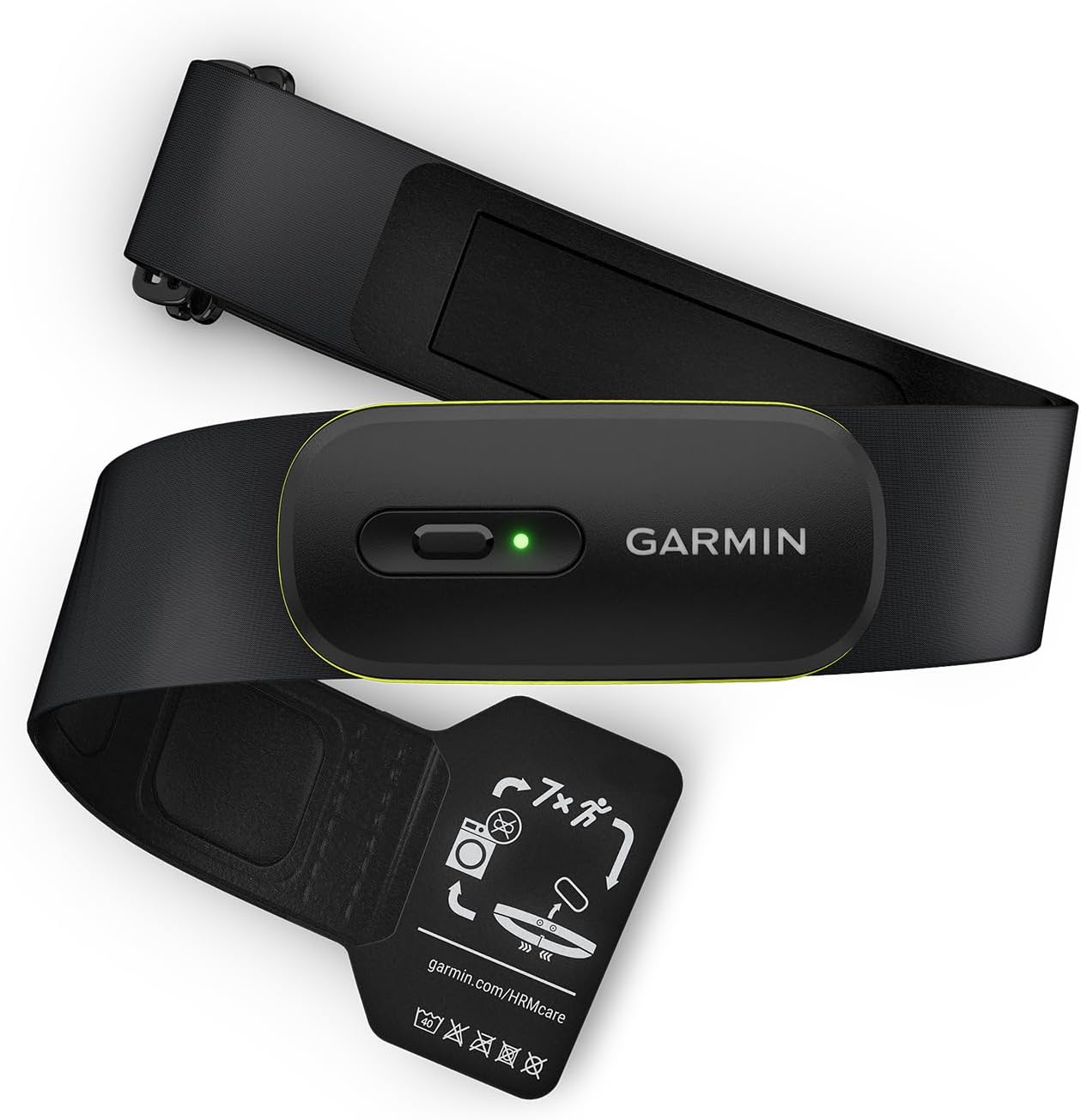
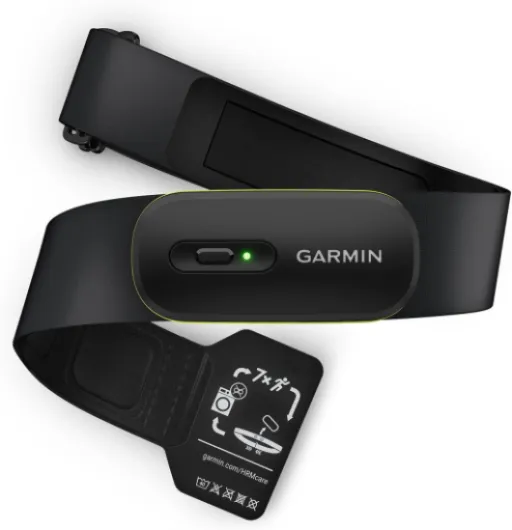
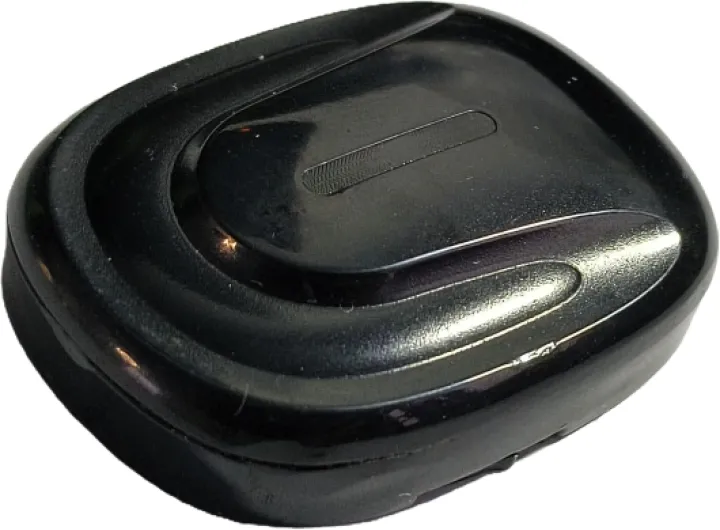
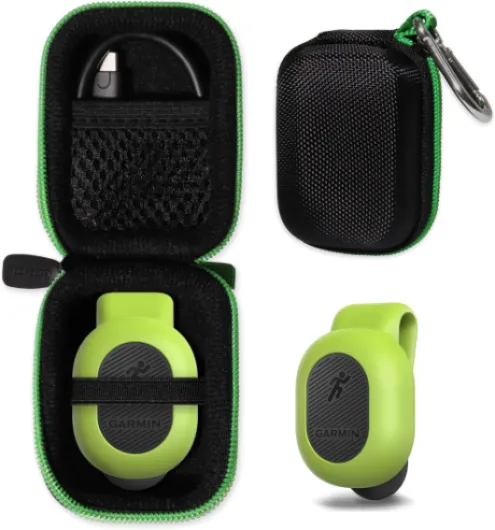
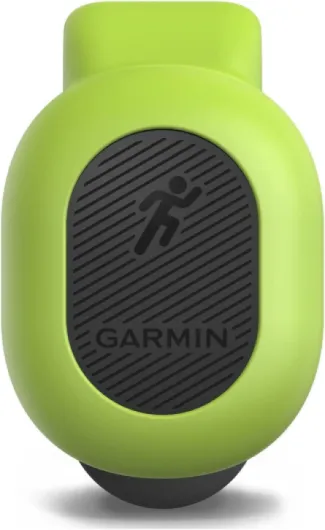
A running dynamics pod is a small, lightweight device designed to clip onto your waistband or shoe. Its main purpose is to collect advanced running metrics that go beyond what a standard GPS watch or heart rate monitor can provide. The pod uses built-in sensors to track your movement and provide detailed feedback on your running form. Popular options, like the Garmin Running Dynamics Pod, are widely available on Amazon and are compatible with many Garmin Forerunner models and other GPS watches.
Why Consider a Running Dynamics Pod?
While most smartwatches track basic metrics such as pace, distance, and heart rate, a running dynamics pod offers a deeper look at your performance. It captures data like ground contact time, vertical oscillation, vertical ratio, and time balance. These dynamics metrics help runners understand how efficiently they move and where improvements can be made. The pod is especially useful for those who want to optimize their training, whether you’re a casual runner or aiming for top performance.
How Does It Work?
The device is easy to use—just clip the pod onto your waistband, pair it with a compatible device like a Garmin Forerunner, and start your run. The pod collects data in real time and sends it to your smartwatch, where you can review detailed stats during or after your workout. With a battery life that often lasts several months, you don’t have to worry about charging it frequently. This makes it a practical addition to your running gear list.
Who Should Use a Running Dynamics Pod?
If you’re looking for more than just basic running data, a running dynamics pod is a solid investment. It’s ideal for runners who want to analyze their form, improve efficiency, or reduce injury risk. The product is also a great choice for those who already use Garmin products and want to expand their training toolkit. For those interested in exploring more wearable tech options, you might also want to check out choosing the right golf watch for your game to see how other devices can enhance your sports experience.
How it integrates with your smartwatch
Seamless pairing with your GPS watch
Integrating a running dynamics pod with your smartwatch is surprisingly easy, especially with popular brands like Garmin. The pod clips onto your waistband and connects wirelessly to compatible devices, such as the Garmin Forerunner series. Once paired, the pod starts transmitting advanced running dynamics metrics directly to your watch in real time. This means you get instant access to data like ground contact time, vertical oscillation, and vertical ratio, all while you run.
Compatibility and setup
Before buying a pod, check your smartwatch’s compatibility. Most Garmin GPS watches, including top options like the Forerunner, support the Garmin Running Dynamics Pod. You can find a list of compatible devices on the product page or on Amazon. The setup process is straightforward: just pair the pod through your watch’s settings, and you’re ready to go. Battery life is also impressive, often lasting several months before needing a replacement.
Data integration and analysis
Once connected, the pod sends detailed running data to your watch, which you can review during and after your run. This data syncs automatically with Garmin Connect, allowing you to analyze your performance over time. The integration is designed to be user-friendly, so even if you’re new to running tech, you’ll find it easy to access and interpret your metrics.
- Real-time feedback on running form
- Automatic syncing with Garmin Connect
- Works with a range of Garmin products
- Lightweight pod clip for comfort
If you’re considering other outdoor tech, you might want to explore choosing the right outdoor watch for your adventures to find the best device for your needs.
Key metrics tracked by the running dynamics pod
What the Pod Measures During Your Run
The running dynamics pod is a small device that clips onto your waistband or shoe, but it delivers a surprising amount of advanced data to your compatible device. If you’re using a Garmin Forerunner or another GPS watch, the pod works alongside your smartwatch to track metrics that go far beyond basic pace and distance. Here’s a closer look at the main running dynamics metrics you can expect:
- Ground Contact Time: This measures how long your foot stays on the ground with each step, shown in milliseconds. Shorter contact time often means a quicker, more efficient stride.
- Ground Contact Time Balance: This tells you if you’re favoring one leg over the other, which can help identify imbalances or potential injury risks.
- Vertical Oscillation: This is the amount your torso moves up and down while running. Lower vertical oscillation usually means you’re running more efficiently.
- Vertical Ratio: This metric compares your vertical oscillation to your stride length, giving you insight into how much energy you’re using to move forward versus up and down.
- Cadence: The pod tracks your steps per minute, a key factor in running performance and injury prevention.
- Stride Length: This shows how far you travel with each step, helping you analyze your running form.
All these metrics are sent in real time to your Garmin watch, where you can view them during your run or analyze them later in Garmin Connect. These insights are especially valuable if you’re training for a race, working on your form, or recovering from an injury. The pod’s data complements your GPS and heart rate readings, giving you a much more detailed picture of your running dynamics than a smartwatch alone can provide.
If you’re interested in how other health-focused wearables collect and use data, you might want to read about the smart heart blood pressure cuff in smartwatches for another perspective on wearable tech and health metrics.

Benefits for training and performance
Unlocking Your Full Running Potential
Adding a running dynamics pod to your compatible device, such as a Garmin Forerunner or another GPS watch, can make a real difference in your training. The pod delivers advanced dynamics metrics that go beyond what most built-in smartwatch sensors offer. By tracking data like ground contact time, vertical oscillation, vertical ratio, and time balance, you get a clearer picture of your running form and efficiency.
- Ground Contact Time and Balance: Knowing how long each foot spends on the ground and whether your stride is balanced helps you spot inefficiencies. This can be especially useful for injury prevention and improving running economy.
- Vertical Oscillation and Ratio: These metrics show how much you bounce up and down with each step. Lower vertical movement usually means more energy is going into forward motion, which is ideal for distance running.
- Real-Time Feedback: With the pod clipped on, you can monitor your form live through your Garmin watch or later in Garmin Connect. This makes it easy to adjust your technique during a run or analyze your performance after.
For runners focused on performance, these insights are invaluable. They allow you to fine-tune your training, set specific goals, and track improvements over time. Whether you’re preparing for a race or just want to get the most out of your workouts, the running dynamics pod provides data that can be hard to get from a standard smartwatch alone.
Many users find that the pod’s battery life and easy clip-on design make it a practical addition to their gear. With options available on Amazon and other retailers, you can compare price and features to find the top product for your needs. The pod Garmin lineup is well-known for reliability, and when paired with a Garmin Forerunner or similar device, you get a seamless experience that enhances both training and performance.
Comparing the running dynamics pod to built-in smartwatch sensors
How the Pod Stacks Up Against Built-in Sensors
When comparing a running dynamics pod to the built-in sensors of a smartwatch, there are some clear differences in both the depth and accuracy of the data you receive. Many popular GPS watches, like the Garmin Forerunner series, already track basic running metrics such as pace, distance, and heart rate. However, the pod offers a more advanced set of running dynamics metrics that most watches alone can’t match.
- Ground Contact Time & Balance: While some watches estimate ground contact time, a dedicated pod measures it more precisely. This is crucial for runners aiming to improve efficiency and reduce injury risk.
- Vertical Oscillation & Ratio: The pod provides detailed vertical movement data, helping you analyze how much you bounce with each step. This is rarely as accurate with built-in sensors.
- Real-Time Feedback: With the pod clipped to your waistband, it delivers instant feedback to your compatible device, making it easy to adjust your form during a run.
- Battery Life: The pod typically has a longer battery life than a smartwatch, often lasting several months on a single coin cell battery. This means less charging and more running time.
- Integration with Garmin Connect: Data from the pod syncs seamlessly with Garmin Connect, allowing for in-depth post-run analysis and easy comparison with past activities.
While built-in sensors are convenient and require no extra products, they often lack the advanced dynamics data that a pod provides. For runners who want to go beyond basic stats and dive into vertical oscillation, ground contact time, and time balance, the pod is a top option. It’s also a lightweight product that won’t get in the way, and many users find the pod clip design easy to use.
When shopping for a pod on Amazon or other retailers, check for compatibility with your GPS watch or Garmin Forerunner. Prices vary, but the investment can pay off with more detailed data and better training insights. If you’re serious about improving your running form and performance, adding a running dynamics pod to your list of training products is worth considering.
Tips for getting the most out of your running dynamics pod
Maximizing Your Running Dynamics Pod
- Proper Pod Placement: Always attach the pod clip securely to the waistband, centered above your hip. This ensures the device captures accurate ground contact time, vertical oscillation, and time balance data.
- Pairing with Compatible Devices: Make sure your Garmin Forerunner, Fenix, or other compatible GPS watch is updated and paired with the pod. Check Garmin Connect for a list of supported products and options.
- Regular Data Sync: Sync your device with Garmin Connect after each run. This keeps your running dynamics metrics up to date and helps you track progress over time.
- Monitor Battery Life: The pod battery can last several months, but it’s easy to forget. Set a reminder to check battery status regularly in the Garmin app, so you never miss a session.
- Analyze Your Metrics: Focus on key data like vertical ratio, ground contact time, and time balance. These metrics can reveal subtle changes in your running form and help you make targeted improvements.
- Compare with Built-in Sensors: If your GPS watch has built-in running dynamics sensors, compare the data from both sources. The pod often provides more detailed metrics, especially for vertical and ground contact dynamics.
- Explore Training Plans: Use Garmin Connect’s training plans or create custom workouts based on your running dynamics data. This can help you optimize your performance and reduce injury risk.
- Consider Product Options: If you’re shopping for a pod, check Amazon for the latest price and top-rated products. Look for reviews mentioning battery life, ease of use, and compatibility with your device.
By following these tips, you’ll get the most out of your Garmin running dynamics pod and enjoy a more detailed, data-driven running experience. All rights reserved. Skip main.