

What makes wearable tech unique for everyday users
Everyday Convenience at Your Fingertips
Wearable technology, especially smartwatches, has transformed how people interact with tech in daily life. Unlike traditional devices, wearables are designed to be part of your body, offering real time access to information and tools without needing to pull out your phone. This seamless integration allows users to check messages, track fitness, and even manage business tasks directly from their wrist. For many, the convenience of wearable devices means less time spent searching for their phone and more time focused on what matters.
Personalization and Adaptability
One of the unique aspects of wearable tech is how it adapts to individual needs. Whether you’re a fitness enthusiast, a busy professional, or someone who just wants to stay connected, wearable devices offer a range of apps and features tailored to different lifestyles. Fitness trackers and smartwatches allow users to monitor their health, set goals, and receive insights that help improve daily routines. The ability to customize watch faces, notifications, and app integrations means your device can evolve as your needs change.
Continuous Connection and Real Time Insights
Smartwatches and other wearable technology keep users connected in ways that traditional devices can’t. Notifications, calls, and reminders are delivered instantly, helping people stay on top of their schedules and commitments. For those interested in health and fitness, wearables provide real time data on activity, heart rate, and even sleep patterns. This constant feedback loop encourages users to make healthier choices and stay motivated throughout the day.
Design and Comfort for Everyday Wear
Unlike bulky gadgets of the past, modern wearable tech is designed with comfort and style in mind. Materials are lightweight and durable, making them suitable for all day wear. Many brands offer a variety of sizes and styles, ensuring there’s a fit for everyone. If you’re curious about how to choose the right size for your smartwatch, you can read more about smartwatch sizing options to find the best fit for your wrist.
- Wearable devices offer hands free convenience for busy users
- Personalized features and apps adapt to your lifestyle
- Real time health and fitness tracking supports better habits
- Comfortable, stylish designs make wearables easy to use every day
As wearable tech continues to evolve, its role in everyday life is only expected to grow, offering more ways to stay connected, healthy, and productive. The next sections will explore which features matter most, how wearables support health, and what the future holds for this rapidly changing technology.
Key features to look for in a smartwatch
Essential Elements That Define a Great Smartwatch
When choosing a smartwatch, the variety of features can be overwhelming. Today’s wearable devices are more than just timekeepers—they are powerful tech companions that help users manage health, fitness, and daily life. Understanding what sets a standout smartwatch apart can make your decision easier and ensure you get the most from your investment in wearable technology.
- Display and Design: A clear, bright display is crucial for reading notifications, fitness stats, and app information in real time. Look for devices with customizable watch faces and comfortable straps to suit your style and body.
- Battery Life: Long battery life means less time charging and more time using your device. Some trackers smartwatches last several days on a single charge, which is especially helpful for people with busy lives.
- Health and Fitness Tracking: Modern wearable tech offers advanced sensors for heart rate, sleep, and even blood oxygen monitoring. These features allow users to track their health and fitness goals with precision, making smartwatches valuable for both casual users and fitness enthusiasts.
- App Ecosystem: The range of compatible apps can greatly expand what your smartwatch can do. From business tools to fitness trackers, a rich app selection allows users to personalize their experience and integrate wearable devices into their daily routines.
- Connectivity: Seamless connection with your smartphone is key. Features like Bluetooth, Wi-Fi, and sometimes cellular support let you receive calls, messages, and notifications on your wrist, keeping you free from constantly checking your phone.
- Durability and Water Resistance: For people who lead active lives, a durable, water-resistant device is essential. Many wearable devices are designed to withstand sweat, rain, and even swimming, making them reliable companions in various environments.
- Privacy and Security: With so much personal data being tracked, a clear privacy policy and robust security features are vital. Users should look for devices that allow them to control what information is shared and how it’s stored, protecting their data in the process.
As wearable tech continues to evolve, these features are becoming standard, but it’s important to read up on the latest advancements and how they fit your needs. For those interested in making informed choices, especially regarding health-related purchases, you can find a guide to HSA-approved smartwatches that explains how certain devices may be eligible for health spending accounts.
Ultimately, the best smartwatch is the one that fits seamlessly into your life, supports your goals, and adapts to your needs as technology advances. As discussed in other sections, integrating wearable tech into your lifestyle and understanding its impact on privacy and health are just as important as the features themselves.
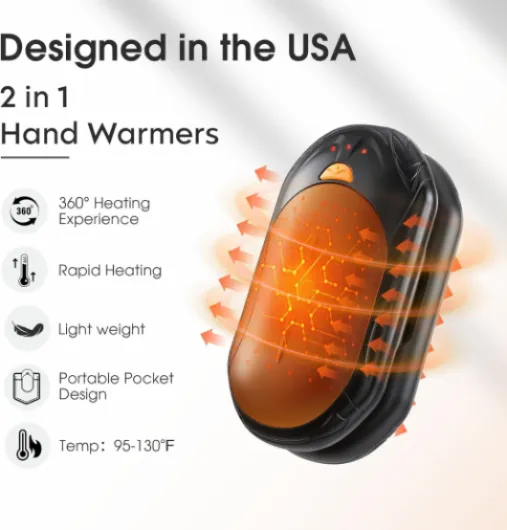
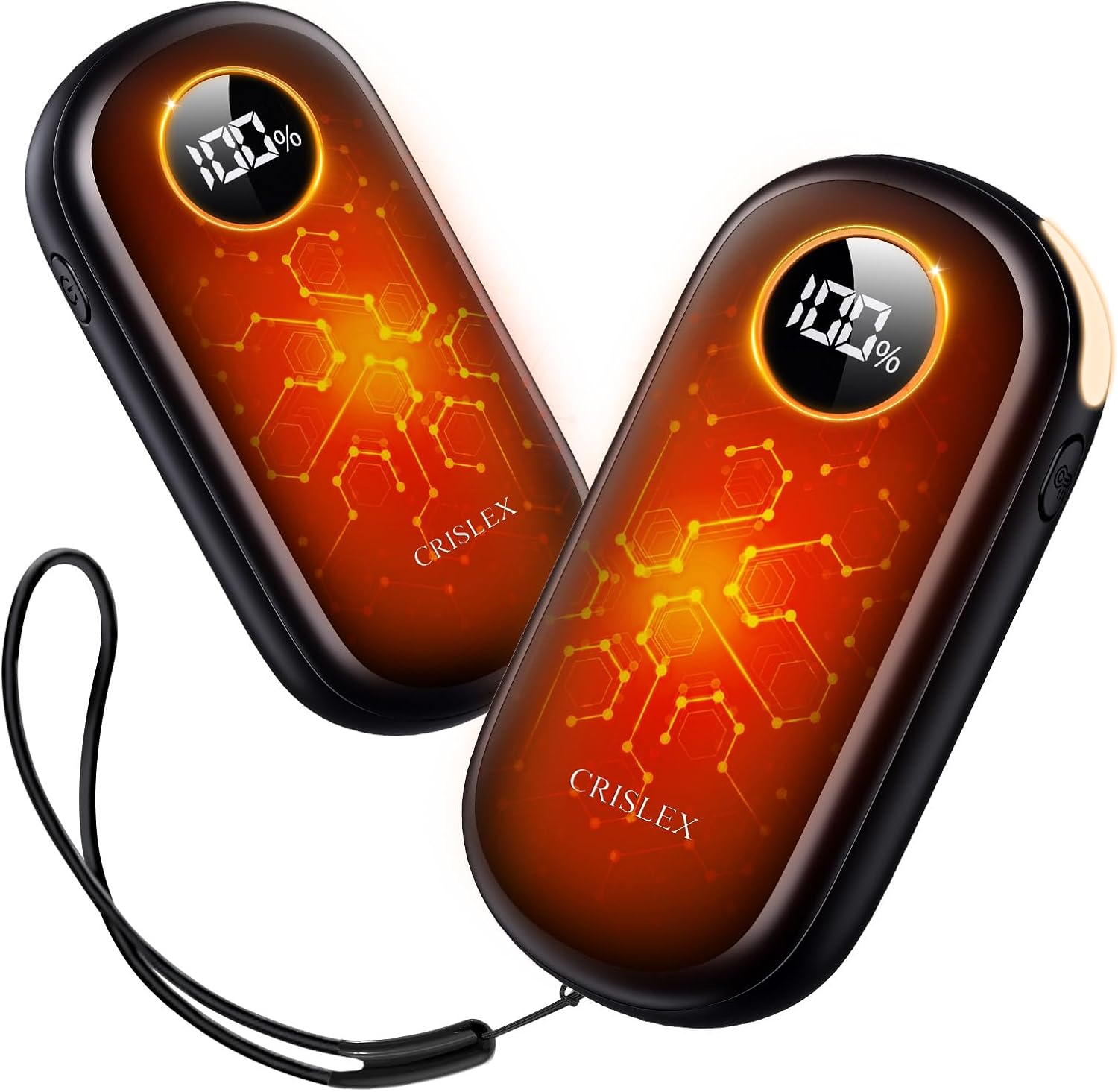
- + 2-pack offers extra value and sharing
- + Rechargeable — convenient and reusable
- + AI smart chips for optimized heating control
- + 20-hour long heat (per title) for extended use
- + Portable pocket-sized design for outdoor activities

Health and fitness tracking: more than just steps
Beyond Counting Steps: The Evolution of Health Tracking
Wearable technology has changed how people approach their health and fitness. Today’s smartwatches and fitness trackers do much more than just count steps. These devices use advanced sensors and apps to monitor a wide range of health metrics in real time, giving users a deeper understanding of their body and lifestyle.
- Heart Rate Monitoring: Most wearable devices now track your heart rate throughout the day. This helps users spot trends and even receive alerts if their heart rate goes above or below normal levels.
- Sleep Analysis: Many smartwatches analyze your sleep patterns, offering insights into sleep quality and duration. This data can help people adjust their routines for better rest and recovery.
- Blood Oxygen and ECG: Some tech wearables measure blood oxygen saturation and offer ECG readings. These features are especially useful for users with specific health concerns, providing information that was once only available in a medical setting.
- Activity Recognition: Modern wearable tech can automatically detect activities like running, cycling, or swimming. This allows users to get accurate fitness tracking without manually starting an app.
- Stress and Wellness: Newer devices use technology to estimate stress levels and even guide users through breathing exercises, supporting overall well-being.
For those interested in how these features work across different platforms, it’s worth noting that compatibility can vary. For example, pairing an Apple Watch with an Android device is a common question among app users. For a detailed explanation, read about pairing Apple Watch with Android.
Businesses are also taking note of these advancements. Companies in the health and fitness industry are integrating wearable technology into their services, offering users more personalized and data-driven experiences. As wearable devices continue to evolve, they are set to play an even bigger role in helping people manage their health, fitness, and daily life.
Privacy and security concerns with wearable tech
Why privacy matters in wearable technology
Wearable tech has become a part of daily life for many people, offering real time health and fitness tracking, notifications, and even business tools. But as these devices collect more data about our bodies, routines, and locations, privacy and security concerns are growing. Users need to be aware of how their information is handled by both the device and the app ecosystem.
Common privacy risks with wearable devices
- Data collection: Fitness trackers and smartwatches gather sensitive health data, such as heart rate, sleep patterns, and activity levels. This information can be valuable for improving your health, but it can also be misused if not properly protected.
- Third-party sharing: Many wearable devices sync with apps and cloud services. Sometimes, data is shared with third parties for business or advertising purposes, often outlined in a privacy policy that users may not fully read.
- Security vulnerabilities: Like any tech device, wearables can be targets for hackers. Weak passwords, outdated software, or unsecured connections can put your personal data at risk.
How to protect your information
- Review the privacy policy of each wearable tech product and its companion app before use. Look for clear explanations of how your data will be used and stored.
- Enable security features such as PIN codes, two-factor authentication, and automatic updates to help keep your device secure.
- Limit data sharing by adjusting app permissions and only connecting your wearable to trusted devices and networks.
Balancing convenience and security
While wearable technology offers free and convenient ways to monitor your health and fitness, it’s important to stay informed about the privacy implications. As the future of wearable tech evolves, manufacturers and app developers are under increasing pressure to improve security and transparency. Users who take time to understand these issues can enjoy the benefits of wearable devices while minimizing risks.
Integrating wearable tech into your lifestyle
Making Wearable Tech Part of Your Daily Routine
Integrating wearable technology into your life can be surprisingly seamless, especially as these devices are designed to help users save time, monitor health, and stay connected. Whether you’re new to smartwatches or already use fitness trackers, the key is to find a balance between convenience and usefulness. Here are some practical ways to make the most of your wearable devices:
- Personalize notifications: Set your smartwatch or fitness tracker to alert you only for important messages, calls, or app updates. This helps reduce distractions and keeps your focus on what matters.
- Sync with your favorite apps: Most wearable tech allows users to connect with health, business, and productivity apps. This integration can help you track your daily activity, monitor your sleep, or even manage your calendar in real time.
- Use health and fitness features: Beyond counting steps, wearable devices can monitor your heart rate, stress levels, and even your body’s oxygen saturation. These insights can encourage healthier habits and help you make informed decisions about your well-being.
- Automate routines: Many smartwatches and trackers allow users to set reminders, alarms, or even control smart home devices. This can make daily tasks more efficient and free up time for other activities.
- Stay mindful of privacy: As discussed earlier, wearable technology collects a lot of personal data. Always review the privacy policy of your device and apps, and adjust settings to control what information is shared.
Adapting to Different Lifestyles and Needs
Wearable tech is not just for fitness enthusiasts. Business professionals use smartwatches to manage emails and meetings, while others rely on wearable devices for health monitoring or staying connected on the go. The flexibility of wearable technology means it can adapt to different routines, whether you’re tracking workouts, managing business tasks, or simply keeping an eye on your health.
For people who travel or have busy schedules, wearable devices can provide real-time updates, navigation, and reminders, making daily life more manageable. As the technology evolves, users can expect even more features that help integrate wearables into every aspect of life, from health to business and beyond.
The future of wearable tech according to silicon-insider com
Emerging Trends Shaping the Next Generation of Wearables
Wearable technology is evolving rapidly, and recent insights from silicon-insider com highlight several trends that are shaping the future of these devices. The focus is shifting from simple fitness trackers to more advanced wearable devices that integrate seamlessly into daily life. Users can expect improvements in real time health monitoring, smarter app integration, and enhanced privacy features.
- Advanced Health Insights: Future wearables are expected to move beyond basic step counting. Devices will offer more comprehensive health data, such as continuous body temperature monitoring, blood oxygen levels, and even early detection of certain health conditions. This will help users make more informed decisions about their health and fitness routines.
- Smarter App Ecosystems: The app experience is becoming more personalized. Wearable tech will allow users to access business tools, manage daily tasks, and receive notifications in ways that suit their lifestyle. Integration with other smart devices will make it easier to control your environment and stay connected.
- Enhanced Privacy and Security: As wearable devices collect more sensitive data, privacy policy updates and security features are becoming a top priority. Manufacturers are investing in encryption and secure data storage to protect users’ information, addressing concerns raised by both consumers and business insiders.
- Longer Battery Life and Free Movement: Battery technology is improving, allowing users to wear their devices for longer periods without frequent charging. This supports a more active lifestyle and enables continuous health and fitness tracking.
Wearables as Everyday Companions
According to silicon-insider com, wearable tech is becoming an essential part of daily routines for many people. Whether you’re tracking your fitness, managing your schedule, or monitoring your health, these devices are designed to help you make the most of your time. The future will likely see even greater integration with other technologies, making wearables indispensable for both personal and business use.
| Feature | Current State | Future Outlook |
|---|---|---|
| Health Tracking | Steps, heart rate, sleep | Real time body metrics, early health alerts |
| App Integration | Basic notifications, fitness apps | Personalized app experiences, business tools |
| Privacy & Security | Standard encryption | Advanced privacy policy, secure data sharing |
| Battery Life | 1-2 days | Multiple days, fast charging |
As technology continues to advance, wearable devices will become even more capable and user-friendly. The insights from silicon-insider com suggest that the future of wearable tech is not just about new features, but about creating devices that truly enhance the quality of life for users, whether for health, business, or everyday convenience.